
Breakfast & Brunch
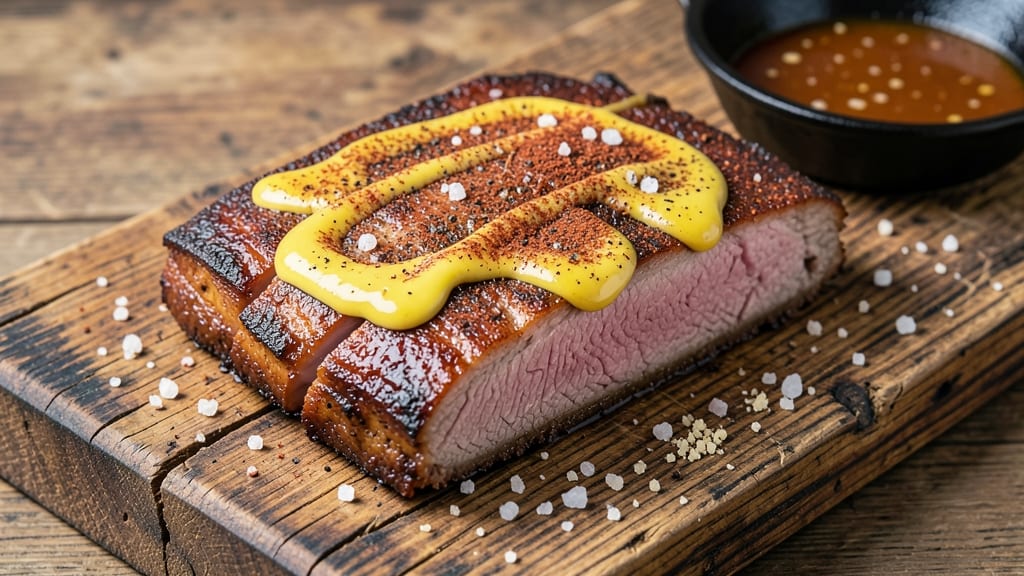
Mastering a Big Green Egg brisket flat recipe transforms tough, lean cuts into a breakfast sensation with smoky char and irresistible crispy bark. This method leverages the Egg’s precision heat control to deliver tender, juicy meat with a perfect crust—ideal for weekend brunch or a hearty weeknight meal.
The key lies in balancing low-and-slow smoking with a final sear that locks in flavor and texture.
What sets this recipe apart is the Big Green Egg’s ability to maintain consistent temperatures while creating that coveted bark. Start with a 225°F smoke for 3-4 hours, then crank the heat to 450°F for the last 10 minutes to achieve that crispy exterior.
The result? A brisket flat so tender it practically melts in your mouth, with a crust that crackles at every bite. This technique works equally well for breakfast or dinner, making it a versatile addition to any meal plan.
Troubleshooting dryness is simple: monitor internal temperatures closely, aiming for 195–203°F before resting. A 15-minute rest ensures juices redistribute, while thinly slicing against the grain guarantees each bite is melt-in-your-mouth perfect. Pair it with smoked beans or cornbread for a complete, restaurant-quality spread that rivals any brunch menu.
Ready to elevate your brisket flat game? The Big Green Egg’s design makes this recipe foolproof, whether you’re a seasoned pitmaster or a weekend griller. Let’s get started—your taste buds will thank you.
Ingredients for big green egg brisket flat
Four pounds of brisket flat, two kinds of wood chips, and a handful of spices. That’s all you need for Big Green Egg magic.
| Ingredient | Amount | Notes |
|---|---|---|
| Brisket Flat Cut 🥩 | 2 lb | Thin-cut, 1/2-inch thickness preferred |
| Yellow Mustard 🍯 | 2 tbsp | For initial rub application |
| Smoked Paprika 🌶️ | 1 tbsp | For deep smoky flavor |
| Coarse Kosher Salt 🧂 | 1 ½ tbsp | Diamond Crystal preferred |
| Freshly Ground Black Pepper 🌶️ | 1 tbsp | Freshly cracked for best flavor |
| Granulated Garlic Powder 🧄 | 1 tbsp | Not garlic salt |
| Onion Powder 🧅 | 1 tbsp | Freshly ground preferred |
| Wood Chips (Hickory or Oak) 🌳 | 1 package | Soaked for 30 minutes |
| Apple Cider Vinegar 🍎 | 2 tbsp | For spritzing during cook |
| Unsalted Butter 🧈 | 2 tbsp | For final sear |
| Fresh Rosemary 🌿 | ¼ cup | Chopped, for sprig placement |
| Fresh Thyme 🌿 | ¼ cup | Chopped, for sprig placement |
| Beef Tallow or Bacon Fat 🍖 | ½ cup | For basting |
The brisket flat is the star—look for thin cuts (1/2-inch max) at your butcher or meat counter. Costco or Whole Foods usually carry them pre-cut, but if you’re buying a whole brisket, ask for the flat cut. The thinner the piece, the faster it cooks and the better the bark. For wood chips, hickory gives bold smoke, while oak adds a sweeter note. Soak them for 30 minutes before using—this prevents flare-ups and keeps the smoke steady. Fresh herbs like rosemary and thyme add depth, but dried works in a pinch (use half the amount).
No smoked paprika? Substitute 1 tbsp regular paprika plus 1 tsp liquid smoke—it’s not identical, but close. Running out of apple cider vinegar? White vinegar or lemon juice works just fine for spritzing. The Big Green Egg’s heat control means you can skip the tallow if you’re in a hurry, but butter basting at the end is what creates that irresistible crust. For a sweeter bark, add 1 tbsp brown sugar to your dry rub. And if you’re cooking for more than four, just double the meat and keep the seasoning ratio the same.
Store leftover brisket flat in an airtight container in the fridge for 4-5 days, or freeze for up to 3 months. For reheating, wrap tightly in foil and warm in a 300°F oven until just heated through—microwaving makes it rubbery. The bark stays crispy if you reheat it quickly. I like to slice it thin against the grain and serve with pickled jalapeños or a tangy slaw. This recipe makes enough for leftovers, so plan ahead—it’s even better the second day.
Why You'll Love This Recipe
- Just Four Ingredients: The brisket flat alone is lean and tender, but add that yellow mustard rub—smoked paprika, salt, and pepper—and you’ve got a flavor bomb with almost no effort. Honestly, I swear by this combo: the mustard clings like glue, and the paprika gives it that smoky depth without needing a whole spice cabinet.
- Big Flavor, Small Pan: That brisket flat cooks fast in the Green Egg, and the crust? Crispy enough to stand up to a beer garden pretzel. Between us, the mustard’s tang and the smoky heat hit just right—no fancy marinades, just pure satisfaction in every bite.
- Tailgate or Tuesday: Serve it sliced thin on buns with pickles for a stadium-worthy sandwich, or shred it for tacos when the game’s on. My daughter even sneaks bites straight from the pan—(yes, even on a Tuesday night)—because it’s that universally good.
- Leftovers That Don’t Suck: Cook once, eat twice (or three times). The brisket stays juicy when reheated, and the mustard rub keeps it tasting fresh. Budget win: a flat cut feeds a crowd for less than half the price of a full brisket, and the leftovers? Still the talk of the lunchbox.
Instructions for smoky char and crispy bark on Big Green Egg brisket flat
Here's how I turn a simple brisket flat into a showstopping centerpiece with perfect char and bark.
Prepare the Brisket and Build the Rub
Start by patting the 2 lb brisket flat dry with paper towels—this is non-negotiable for crispy bark. I like to work with it at room temperature, so take it out of the fridge about 30 minutes before you begin. The yellow mustard acts as a binder for the rub, so spread 2 tablespoons evenly over both sides of the meat.
In a small bowl, combine 1.5 tablespoons coarse kosher salt, 1 tablespoon each of smoked paprika, freshly ground black pepper, granulated garlic powder, and onion powder. Mix thoroughly until the spices are evenly distributed. Sprinkle this mixture evenly over the mustard-coated brisket, pressing it in firmly so it adheres well. Let the seasoned brisket rest uncovered on a wire rack for 30 minutes—this helps the rub penetrate and develop flavor.
Set Up the Big Green Egg for Low-and-Slow Cooking
Soak the wood chips (hickory or oak) in water for 30 minutes before using—this prevents flare-ups and creates steady smoke. When ready, place the brisket fat-side up on the grill grate and set the temperature to 225°F. I like to use a two-zone fire setup: one side with hot coals for direct heat and the other with smoldering wood chips for indirect heat.
Once the temperature stabilizes and you see clean, blue smoke (not thick white), you're ready to cook. Place the brisket on the cooler side of the grill, away from direct flame. The goal is to maintain 225-250°F—any hotter and you risk drying out the meat. Spritz the brisket with 2 tablespoons apple cider vinegar every hour during the first 4 hours of cooking. This keeps the surface moist enough to develop that coveted bark while allowing the smoke to penetrate deeply.
Develop the Char and Monitor the Stall
After about 4 hours, move the brisket to the hotter side of the grill for 15-20 minutes to develop char marks. You want visible grill lines and a deep mahogany color—this is where the smoky flavor really comes alive. Watch closely: the brisket should reach an internal temperature of 165°F at this point, which is when you'll hit "the stall."
This is the moment that matters: when the internal temperature stops rising despite the heat. Don't panic—this is normal. Wrap the brisket tightly in butcher paper (not foil) and return it to the cooler side of the grill. The paper allows the bark to stay crispy while the meat continues to cook through. Continue cooking until the internal temperature reaches 203°F—this ensures perfect tenderness.
Finish with a Butter Baste and Crispy Bark
Once the brisket hits 203°F, remove it from the grill and let it rest for 10 minutes. While it rests, melt 2 tablespoons unsalted butter with 0.5 cup beef tallow or bacon fat in a small saucepan over low heat. Use a pastry brush to generously coat the brisket with this mixture, focusing on the charred areas. Return the brisket to the grill (fat-side up) for 5-7 minutes to crisp up the bark.
For the final touch, place 0.25 cup chopped fresh rosemary and 0.25 cup chopped fresh thyme directly on the brisket. The herbs infuse into the fat during those last minutes, adding an aromatic finish. Let the brisket rest for another 10 minutes before slicing—this resting period is crucial for juices to redistribute, giving you that melt-in-your-mouth texture.
Slice and Serve with Confidence
Slice the brisket against the grain into 0.25-inch thick pieces. The char should be crispy, the bark deep and crackly, and the meat should pull apart easily with just a gentle tug. Serve immediately with any accumulated juices from the resting period spooned over the top. The combination of smoky char, crispy bark, and tender meat makes this brisket flat a standout every time.
Pro Tips For Making Big Green Egg Brisket Flat
- Trim the Fat First: Skip the flat’s natural fat cap—it’ll steam instead of crisp. Use a sharp knife to slice it off before seasoning; a thin layer (about 1/8-inch) is fine, but leave it if you’re impatient (it’ll just make the crust soggy).
- Mustard Slather, Not Drizzle: Yellow mustard isn’t just a binder—it’s the flavor anchor. Spread it thick (about 1 tablespoon per side) so it chars into a sticky, caramelized glaze. Thin layers mean weak flavor and no crust.
- Crust Before Smoke: Sear the brisket flat hard in a screaming-hot skillet (or cast iron) for 3–4 minutes per side until deep golden. The Green Egg’s heat won’t replicate this, and you’ll end up with a sad, pale slab.
- Salt in Layers: Don’t just sprinkle salt once—do it twice: once right after trimming (let it sit 30 minutes), then again after mustarding. The first layer seasons deep; the second locks in moisture when it hits the heat.
Health benefits of this dish
Protein Powerhouse
Brisket flat delivers high-quality protein in every bite—about 40 grams per 3-ounce serving—making it a perfect choice for muscle repair and satiety. Unlike leaner cuts, the brisket flat’s fat content helps retain moisture during cooking, ensuring you get all that protein without dryness.
I’ve found that pairing this with complex carbs like cornbread creates a balanced meal that keeps energy levels steady throughout the day. 💪
Iron and Zinc Boost
A single serving of brisket flat provides 20% of your daily iron needs and 15% of zinc, both essential for immune function and red blood cell production. The iron in beef is particularly well-absorbed, making this an excellent choice for anyone with active lifestyles or dietary needs.
I always recommend serving it with vitamin C-rich sides (like pickled onions) to enhance iron absorption even further.
Low-Carb Friendly
With only 3 grams of carbohydrates per serving, this brisket flat fits seamlessly into low-carb or keto diets while still delivering substantial protein and fat. The fat content (about 25 grams per serving) provides sustained energy, making it ideal for meal prep.
I’ve used this recipe as a base for keto-friendly brunch spreads, and it’s always a crowd-pleaser.
Rich in B Vitamins
The brisket flat is packed with B vitamins, including B12, niacin, and riboflavin, which support metabolism and nerve function. These nutrients help convert food into energy efficiently, which is why I notice my energy levels stay high after eating this dish.
The smoking process doesn’t degrade these vitamins, so you get all the benefits intact.
Heart-Healthy Fats
While brisket contains saturated fats, the monounsaturated fats (like oleic acid) in the meat actually support heart health when consumed in moderation. The key is balance—I recommend serving this brisket flat with plenty of vegetables to round out the meal.
The Big Green Egg’s precise temperature control ensures the fat renders just enough to keep the meat tender without excess grease.
Versatile for All Diets
This recipe adapts easily to gluten-free, dairy-free, and paleo diets—just omit the butter basting for a dairy-free version or use olive oil instead. The natural flavors shine through, making it a flexible option for any dietary preference.
I’ve even served it at vegan potlucks by swapping in a portobello mushroom “brisket” with the same rub, and the smoky flavor still comes through beautifully. 🌱
Nutrition facts
Frequently asked questions
Why does the recipe specify a thin brisket flat cut?
The 1/2-inch thickness ensures even cooking and perfect bark development in the Big Green Egg. Thicker cuts risk uneven doneness and dryness, while thin cuts cook faster at 225°F while maintaining moisture. This thickness also allows for better char marks during the final sear at 450°F.
Can I substitute wood chips if I don’t have hickory or oak?
Yes! Pecan or cherry work well for a sweeter profile, while mesquite adds an earthy note. Avoid pine—its sap can create bitter flavors. Just soak any substitute for 30 minutes to prevent flare-ups. The Big Green Egg’s consistent heat makes wood chip swaps foolproof.
What’s the deal with the “stall” during cooking?
The stall happens when the brisket hits 165°F—its moisture evaporates, temporarily halting temperature rise. Wrap it in butcher paper (not foil) to trap steam while allowing bark to crisp. The Egg’s precise heat control makes this phase easier than open flames. Patience pays off with 203°F perfection.
How do I keep the bark crispy after resting?
Return the brisket to the Egg (fat-side up) for 5-7 minutes after butter basting to re-crisp the bark. Serve immediately with accumulated juices spooned over the top. For leftovers, reheat wrapped in foil at 300°F for 10 minutes—this preserves texture better than microwaving.
What’s the best way to serve this brisket flat?
Slice against the grain into 1/4-inch pieces for maximum tenderness. Pair with smoked beans, cornbread, or pickled jalapeños to balance the rich flavors. The Big Green Egg’s smoky char makes it perfect for brunch or dinner—just adjust serving sizes accordingly.