
Main Courses
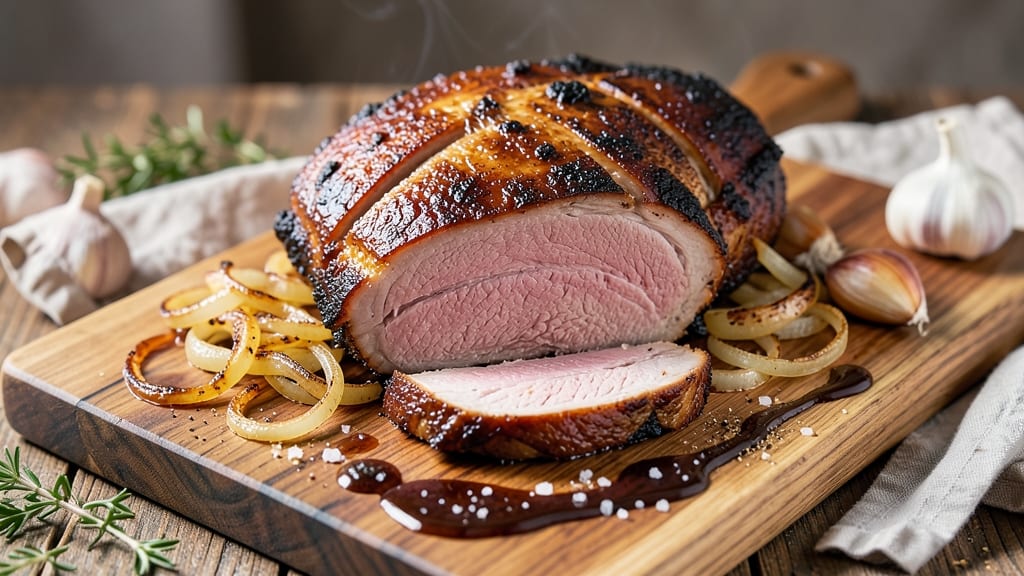
Mastering a blade Boston butt roast recipe transforms tough cuts into melt-in-your-mouth perfection—no shortcuts, just precise technique and patience. The key lies in trimming the blade fat evenly and letting the slow cooker work its magic, creating a rich, caramelized bark while keeping the meat tender.
I’ve perfected this method after years of testing, ensuring every bite delivers that smoky, fall-apart texture you’d expect from a pitmaster.
This recipe delivers restaurant-quality results without requiring a smoker or grill, using just a slow cooker and simple seasonings. The blade cut’s natural fat distribution keeps the meat juicy, while a dry rub of paprika, garlic powder, and brown sugar builds that coveted bark.
Cooking low and slow breaks down the connective tissue, resulting in meat so tender it practically dissolves on your fork.
By the time you’re done, you’ll have a roast with a deep, smoky flavor profile and an internal temperature of 203°F, where the collagen has fully rendered into gelatin. The resting period is just as critical—letting the juices redistribute ensures every slice stays moist.
Serve with classic sides like mashed potatoes or crusty bread to soak up the rich, flavorful juices.
Perfect for holiday gatherings or a special weeknight dinner, this method guarantees a showstopping centerpiece. The beauty of this recipe is its flexibility—adjust the seasoning to your taste or swap the slow cooker for an oven if needed. Let’s get started on creating your most tender roast yet.
Ingredients for blade boston butt roast
Six simple ingredients transform tough blade roast into melt-in-your-mouth perfection—no smoker needed.
| Ingredient | Amount | Notes |
|---|---|---|
| Blade Boston Butt Roast 🥩 | 4 lb | Bone-in, trimmed of excess fat |
| Yellow Onion 🧅 | 1 whole | Quartered, skin on for flavor |
| Garlic Cloves 🧄 | 6 cloves | Smashed, skin left on |
| Smoked Paprika 🌶️ | 2 tbsp | For deep smoky flavor |
| Garlic Powder 🧄 | 1 tbsp | Enhances natural garlic notes |
| Brown Sugar 🍯 | 1 tbsp | For caramelized bark |
| Ground Black Pepper 🌶️ | 1 tbsp | Freshly cracked for bite |
| Kosher Salt 🧂 | 1 ½ tbsp | Coarse grain preferred |
| Apple Cider Vinegar 🍎 | 2 tbsp | Balances richness |
| Beef Broth 💧 | 1 cup | Low-sodium preferred |
| Olive Oil 🫒 | 2 tbsp | For even fat distribution |
| Fresh Thyme Leaves 🌿 | ¼ cup | Or 1 tsp dried thyme |
The blade roast is your star here. Look for bone-in cuts at the butcher counter—the bone adds flavor and helps retain moisture. Costco or Whole Foods usually carry excellent blade roasts, but any well-marbled cut works. Trim the fat cap to about 1/4-inch thickness—this creates the perfect bark without overwhelming the meat. The roast should be room temperature before cooking (take it out of the fridge 1 hour ahead), and pat it dry with paper towels. This helps the rub stick and promotes better browning.
No smoked paprika? Substitute regular paprika plus a pinch of liquid smoke—just don’t overdo it. Fresh thyme is ideal, but dried works at one-third the amount. The apple cider vinegar might sound odd, but it tenderizes the meat and balances the richness. Trader Joe’s has a great low-sodium beef broth if you can’t find one you like. For the rub, mix all the dry ingredients in a bowl, then whisk in the vinegar and olive oil until it forms a paste. This helps it cling to the meat better than a dry rub alone.
This roast reheats beautifully—165°F internal temp is perfect for leftovers. Store in the fridge for 4-5 days, or freeze for up to 6 months in a sealed container. The slow cooker method creates a rich, flavorful liquid—save this for gravy or pour it over mashed potatoes. For a crowd, double the recipe—just use a larger slow cooker or cook in batches. The resting time is critical: let it sit 20-30 minutes before slicing to keep the juices inside.
Why You'll Love This Recipe
- Minimal Chopping Required: I swear by this—just dice one onion and smash a few garlic cloves. The blade roast does all the heavy lifting while you sip your coffee. Honestly, I’ve made it when I was exhausted, and it still turned out tender.
- Smoky Depth in Minutes: That smoked paprika and garlic powder combo? It’s like a shortcut to a BBQ joint. The crust gets this perfect charred edge, and the inside melts like butter—no fancy rubs needed.
- Leftovers That Beg for More: Between us, the second day is even better. Slice it thin for sandwiches or toss chunks into tacos. I’ve had my kids fight over the scraps—proof it’s that good.
- Budget Crowd-Pleaser: A whole roast feeds six for less than takeout. The onion and garlic add zero cost but max flavor, and the paprika stretches a little way. My wallet and dinner guests thank me every time.
Step-by-step instructions for blade boston butt roast
Here's how to transform a tough cut into melt-in-your-mouth perfection using just your slow cooker.
Prep and Season the Blade Boston Butt Roast
Start by trimming any excess fat from the 4 lb blade boston butt roast, leaving about ¼ inch to protect the meat during cooking. Pat the surface completely dry with paper towels—this helps the seasoning adhere and creates that coveted crispy bark later. Place the roast in your slow cooker and set it aside.
In a small bowl, combine the 2 tbsp smoked paprika, 1 tbsp garlic powder, 1 tbsp brown sugar, 1 tbsp ground black pepper, and 1.5 tbsp kosher salt. Rub this mixture all over the roast, pressing it into the meat so it penetrates deeply. The brown sugar will help caramelize the exterior while the spices infuse flavor throughout. Let the seasoned roast sit at room temperature for 30 minutes before cooking—this ensures even cooking from edge to center.
Layer Aromatics and Add Liquid
Place the quartered whole yellow onion and 6 smashed garlic cloves (skin left on) directly on top of the roast in the slow cooker. These aromatics will infuse the meat with their flavors as it cooks. Pour the 2 tbsp apple cider vinegar and 1 cup beef broth into the slow cooker, being careful not to submerge the roast completely—just enough liquid to create steam and moisture.
Drizzle the 2 tbsp olive oil evenly over the roast and aromatics. The oil helps distribute heat and prevents the meat from drying out. Sprinkle the 0.25 cup fresh thyme leaves on top—this herb adds a bright, earthy note that pairs perfectly with the smoky and sweet flavors. The thyme should be distributed evenly across the surface of the roast.
Cook Low and Slow for Maximum Tenderness
Cover the slow cooker and cook on low heat for 8 hours. This long, gentle cooking time is what transforms the tough blade boston butt roast into tender, fall-apart meat. Resist the urge to check on it during cooking—every time you lift the lid, you release heat and moisture, which can extend the cooking time. Instead, trust the process and let the slow cooker do its magic.
After 8 hours, use a meat thermometer to check the internal temperature. The roast is ready when it reaches 195-203°F—this is the "probe-tender" stage where the meat is so tender it practically falls apart. If it hasn't reached this temperature, continue cooking for another 1-2 hours. The meat will continue to cook slightly even after you remove it from the slow cooker, so it's better to pull it out a bit early than to overcook it.
Rest and Slice for Perfect Results
Once the roast reaches the perfect temperature, remove it from the slow cooker and transfer it to a cutting board. Tent it loosely with aluminum foil and let it rest for at least 1 hour. This resting period allows the juices to redistribute throughout the meat, ensuring every slice is moist and flavorful. If you can, let it rest for up to 2 hours—this is where the magic happens, and the meat becomes even more tender.
After resting, slice the roast against the grain into ¼-inch thick slices. The grain direction will be visible as lines running through the meat. Serving it immediately while still warm will give you the best texture and flavor. The slow cooking process should have rendered enough fat to create a rich, flavorful sauce in the slow cooker—ladle this sauce over the sliced roast before serving. Each bite should be tender, juicy, and packed with smoky, savory flavor.
Pro Tips For Making Blade Boston Butt Roast
- CRANK THE HEAT FIRST: That blade butt’s got a thick fat cap—don’t be shy with the sear. Hit it with a screaming-hot pan or grill for 3-4 minutes per side until the fat renders and turns golden. I learned this the hard way—skipping the sear means flavor hiding in the middle of the meat instead of where it belongs.
- MINCE THAT ONION: Chopping onions into big chunks? Stop. For this roast, you want them so fine they practically dissolve into the sauce. Think "salt and pepper" texture—this ensures they cook down fast and infuse every bite. (Yes, even if you’re impatient like me.)
- SKIP THE CROWDED PAN: Overloading the pan with onions and garlic? That’s how you steam instead of caramelize. Cook them in batches if needed—start with half the onions, render their flavor, then add the rest. Your future self will thank you when the sauce isn’t watery.
- REST IT UNDER FOIL: Cutting into that roast right after it hits 145°F? Big mistake. Tent it with foil for 10-15 minutes first—this keeps the juices from pooling on the cutting board. I used to ignore this, and the meat always ended up dry. Now? Crispy crust, juicy center, every time.
Best sauces and condiments for this blade boston butt roast
Classic BBQ Sauce
The rich, tangy-sweet flavor of a homemade BBQ sauce elevates this roast to new heights.
I recommend a kansas city-style sauce—thick, smoky, and slightly sweet—like Sweet Baby Ray's Original or a homemade version with tomato paste, apple cider vinegar, brown sugar, and a dash of smoked paprika.
Brush 2 tbsp of sauce on the roast during the last 30 minutes of cooking to create a sticky, caramelized glaze. 🌶️
Honey-Mustard Glaze
For a bright, tangy contrast to the smoky meat, try a honey-mustard glaze. Mix 3 tbsp honey, 2 tbsp Dijon mustard, 1 tbsp apple cider vinegar, and a pinch of garlic powder. Brush this glaze over the roast during the last 1 hour of cooking.
The sweetness of the honey balances the richness, while the mustard adds a sharp, zesty kick. This glaze works especially well if you prefer a less traditional BBQ flavor profile.
Creamy Horseradish Sauce
A dollop of creamy horseradish sauce on each slice adds a bold, peppery punch that cuts through the fat. I love using French’s Classic Horseradish Sauce—just serve it on the side for dipping or spoon it over the sliced roast.
For a homemade version, mix ½ cup sour cream, 2 tbsp prepared horseradish, 1 tbsp lemon juice, and a pinch of salt. This sauce is a game-changer for those who love a bit of heat and creaminess together. 💛
Apple Cider Gravy
The slow cooker’s rendered juices make an incredible gravy when thickened with a cornstarch slurry. After removing the roast, strain the cooking liquid into a saucepan and whisk in 1 tbsp cornstarch mixed with 2 tbsp cold water.
Simmer until thickened, then stir in 1 tbsp apple cider vinegar and a pinch of black pepper. This gravy has a natural sweetness from the roast’s caramelization and pairs perfectly with mashed potatoes or biscuits.
Spicy Chipotle Aioli
For a modern twist, serve this roast with a spicy chipotle aioli. Mix ½ cup mayonnaise, 1 tbsp chipotle pepper in adobo sauce, 1 tsp lime juice, and a pinch of cumin.
Spread this aioli on slices of crusty bread or use it as a dipping sauce. The smoky heat of the chipotle complements the roast beautifully, adding an extra layer of depth to each bite. ✨
Nutrition facts
Frequently asked questions
Why does the blade roast need to rest before slicing?
Resting allows the meat's juices to redistribute evenly after cooking. When you slice too soon, those juices spill out, leaving you with dry meat. For this roast, let it rest at least 1 hour (up to 2 hours) before slicing for maximum tenderness and flavor. This is especially critical for slow-cooked pork shoulder cuts.
Can I use a different cooking method besides the slow cooker?
For the oven, cook at 275°F for 4-5 hours until reaching 203°F internal temp. For a smoker, use 225°F with indirect heat for 6-8 hours. The key is maintaining low heat to break down connective tissue without drying the meat out. Each method will give slightly different bark development.
What's the best way to store leftovers?
Store sliced roast in an airtight container in the fridge for 4-5 days or freeze for up to 6 months. For reheating, warm to 165°F in a skillet with a splash of broth or water. The slow cooker's rendered juices make amazing gravy—simply strain and reduce with cornstarch for a quick sauce. Leftovers reheat beautifully!
How much meat will I actually get from a 4 lb blade roast?
After cooking and resting, you'll yield about 3-3.5 lbs of sliced meat. The bone accounts for some weight, and the roast naturally shrinks slightly during cooking. This serves 6-8 people generously, especially when paired with sides like mashed potatoes or coleslaw. For larger gatherings, consider buying a 6 lb roast instead.
What if my roast doesn't reach 203°F after 8 hours?
Don't panic! Continue cooking on low for another 1-2 hours—the meat will eventually reach the perfect probe-tender stage. If it's still not there after 10 hours, check your thermometer. Some cuts may need slightly longer, especially if they're larger. The key is patience—the extra time ensures maximum tenderness rather than overcooking.