Breakfast & Brunch
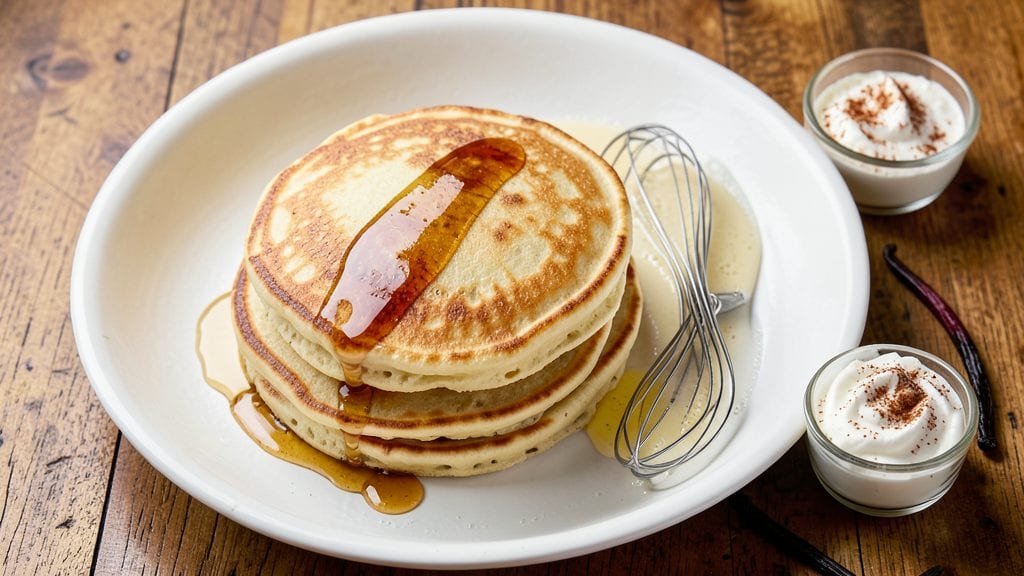
This Bob's Red Mill pastry flour pancake recipe delivers the lightest, fluffiest pancakes you'll ever make—with a texture that's impossible to resist. I discovered pastry flour's secret when my Boston apartment needed a breakfast upgrade after years of dense, heavy pancakes.
The high fat content creates those signature flaky layers while keeping the interior impossibly tender.
What makes these pancakes special is how pastry flour transforms the traditional recipe—replacing all-purpose flour for a delicate, almost cloud-like texture. You'll need just five simple ingredients plus your choice of toppings, and the whole process takes less than 20 minutes from start to finish.
The key is gentle folding of the batter and medium heat for even cooking.
By the time your spatula flips the first pancake, you'll understand why this became my go-to weekend breakfast. Each one emerges golden-brown with crisp edges and a velvety interior that practically melts on your tongue.
These pancakes are so light they feel like a treat, not a meal—but they're packed with protein and fiber thanks to that pastry flour.
Serve with fresh berries, warm maple syrup, or a dollop of whipped cream for the ultimate New England-style brunch. The recipe scales perfectly for feeding a crowd or meal prepping for the week. Let's get cooking—your pancake game just got an upgrade.
Ingredients for bob's red mill pastry flour pancake
Five simple ingredients plus toppings transform into pancakes so light they feel like dessert.
| Ingredient | Amount | Notes |
|---|---|---|
| Bob's Red Mill Pastry Flour 🌾 | 1 ½ cups | High-fat content for flaky texture |
| Large Eggs 🥚 | 2 whole | Room temperature preferred |
| Unsalted Butter 🧈 | ½ cup | Cold, cubed for flakiness |
| Milk 🥛 | 1 ½ cups | Whole milk for richness |
| Vanilla Extract 🌸 | 1 tsp | Pure extract preferred |
| Granulated Sugar 🍚 | 2 tbsp | Or honey/maple syrup |
| Salt 🧂 | ½ tsp | Fine sea salt preferred |
| Fresh Blueberries 🫐 | 1 cup | Optional, for topping |
| Pure Maple Syrup 🍯 | ¼ cup | Grade B for robust flavor |
Bob's Red Mill pastry flour is a game-changer—its high fat content creates those signature flaky layers while keeping the interior impossibly tender. Grab the 16-ounce bag from any grocery store's baking aisle, or order online if your local spot doesn't carry it. The butter needs to stay cold for flakiness, so cut it into small cubes right before mixing. I always use Land O'Lakes unsalted butter because it's consistent, but any good-quality brand works. For the milk, whole milk gives the richest texture, but 2% works in a pinch.
No pastry flour? Substitute half all-purpose flour with half cake flour—it's the closest you'll get. Short on butter? Vegetable shortening works too, though it won't have the same flavor. The vanilla extract can be imitation, but pure extract adds depth. For the sugar, honey or maple syrup works 1:1, but they'll make the pancakes slightly denser. Blueberries? Fresh or frozen work, but toss frozen ones in a bit of flour to prevent sinking. And if you're feeling fancy, swap the maple syrup for brown butter syrup—trust me on that.
These pancakes reheat beautifully—just pop them in a 350°F oven for 5-7 minutes to restore that crispy edge. Store leftovers in the fridge for 3 days or freeze them between parchment paper for up to 2 months. I like to make a double batch on Sundays so I can grab one straight from the freezer for a quick weekday breakfast. The batter keeps in the fridge for 24 hours, so you can mix it ahead and save time in the morning.
Why You'll Love This Recipe
- Five-Ingredient Magic: I swear by this lineup—pastry flour’s buttery richness, eggs for structure, and just a whisper of vanilla to tie it all together. No fancy mixers or add-ins cluttering things up.
- Golden Edge Secret: That crispy perimeter? Pure pastry flour magic. A splash of milk keeps it tender, but the butter in the pan transforms it into something restaurant-worthy—no flipping required.
- Weeknight Hero: I make these for lazy Sundays or 7 a.m. meetings. Freeze extras in stacks, and they reheat like they’re fresh off the griddle. (Yes, even on a Tuesday night.)
- Budget Breakfast Luxe: Pastry flour isn’t cheap, but a little goes far—these pancakes feel indulgent without the grocery-shock price tag. Two eggs, a stick of butter, and you’re golden.
Step-by-step instructions for fluffy bob's Red Mill pastry flour pancakes
Let's make pancakes so light they'll disappear from your plate before you finish your coffee.
Whisk Wet Ingredients Until Silky
In a large mixing bowl, combine the 1.5 cups milk, 2 whole large eggs, 1 teaspoon vanilla extract, 2 tablespoons granulated sugar, and 0.5 teaspoon salt. Whisk vigorously for about 1 minute until the mixture is completely smooth and all ingredients are fully incorporated. The sugar should dissolve completely—this prevents grainy pancakes. Here's the thing—room temperature eggs blend better, so if yours are straight from the fridge, let them sit for 10 minutes first.
Next, add the 0.5 cup unsalted butter, cut into small cubes. Gently whisk until the butter melts completely and the mixture becomes uniform. You want the butter to disperse evenly—this creates those beautiful flaky layers in your pancakes. If you see any butter chunks lingering, keep whisking for another 30 seconds until fully melted. The mixture should look like a thick, creamy custard at this point.
Gently Fold in Dry Ingredients
In a separate bowl, measure out the 1.5 cups Bob's Red Mill pastry flour. This high-fat flour is what gives your pancakes that signature flaky texture. Make a well in the center of the flour and slowly pour in the wet ingredient mixture. Here's where it gets important—use a spatula and gently fold the flour into the wet ingredients just until combined.
Don't overmix. You're looking for a thick batter with a few small lumps still visible. Overmixing develops gluten, which makes pancakes tough instead of fluffy. The batter should be similar to heavy cream consistency—thick enough to leave a trail when you lift the spatula, but still pourable. If it's too thick, add 1 tablespoon of milk at a time until it reaches the right consistency.
Rest the Batter for Perfect Rise
Let the batter rest for 10 minutes at room temperature. This resting period allows the flour to fully hydrate and the gluten to relax slightly. I know it seems counterintuitive to wait when you're eager to cook, but trust me—this step makes all the difference in achieving those cloud-like pancakes. While you wait, preheat your griddle or non-stick skillet over medium heat.
Here's how to test if your griddle is ready: lightly spray with cooking oil and watch for small bubbles to form. The heat should be hot enough to sizzle the batter immediately when you pour it, but not so hot that it burns. You want to see a gentle shimmer of oil across the surface—that's your perfect cooking temperature. This medium heat ensures even cooking without crisping the edges too quickly.
Cook Pancakes to Golden Perfection
Using a ladle or measuring cup, pour about ¼ cup of batter onto the hot griddle for each pancake. You should be able to fit about 2 pancakes per side of the griddle without crowding. Watch carefully as they cook—you'll see small bubbles forming on the surface after about 2 minutes. This is your signal that the pancakes are ready to flip.
When the edges look set and you see those telltale bubbles, gently flip each pancake using a thin spatula. Cook for another 1-2 minutes on the second side until golden brown. The pancakes are done when they're cooked through but still slightly soft in the center. They'll continue cooking slightly after you remove them from the griddle, so don't overcook them.
Serve Warm with Fresh Toppings
Transfer the cooked pancakes to a warm serving platter and keep them covered to maintain heat. While they're still warm, drizzle with the 0.25 cup pure maple syrup and top with the 1 cup fresh blueberries. Here's a pro tip: if you're making pancakes for a crowd, keep them warm in a 200°F oven while you finish cooking the rest of the batch.
Serve immediately while they're at their peak fluffiness. Each pancake should have a tender interior with slightly crispy edges, and that perfect golden brown color throughout. The high-fat pastry flour creates layers of flakiness that melt in your mouth, while the blueberries add a burst of freshness with every bite. Enjoy your guilt-free breakfast masterpiece!
Pro Tips For Making Bob'S Red Mill Pastry Flour Pancake
- MELT THE BUTTER FIRST: Bob’s Red Mill pastry flour needs fat to behave, and cold butter makes lumps that never fully dissolve. Melt the butter until it’s just shimmering—not browned—and let it cool for 2 minutes before mixing. I learned this the hard way after fighting clumpy batter for years.
- WHISK EGGS AND MILK TOGETHER: Don’t just crack eggs into milk and stir. Whisk them first, then slowly pour in the milk while whisking constantly. This keeps the vanilla fully integrated and prevents streaky pancakes. (Yes, it’s extra work, but the flavor pays off.)
- LET THE BATTER REST: Pastry flour absorbs liquid differently than all-purpose. After mixing, let the batter sit for 10 minutes—this relaxes the gluten and makes pancakes lighter. I was skeptical until I tried it; now I never skip it.
- USE A LIGHT HAND WITH THE FLOUR: Sift the pastry flour if you can, but even if you don’t, measure it by spooning it into the cup and leveling—don’t press down. Too much flour = dense, dry pancakes. A little less goes a long way with this recipe.
Perfect pairings for this recipe
Coffee Pairings
These pancakes are the perfect canvas for Boston's classic diner coffee. A bold dark roast like Peet's Major Dickason's Blend cuts through the richness beautifully—its caramel and chocolate notes complement the pastry flour's natural sweetness.
I always make a double shot of espresso and add it to my milk for an extra depth of flavor. For something lighter, try a cinnamon dolce latte from your local café—it mirrors the pancakes' subtle sweetness without overpowering them. ☕
Fruit Toppings
Fresh berries are my go-to topping because they add a bright, juicy contrast to the pancakes' tender texture. A cup of mixed berries—strawberries, blueberries, and raspberries—provides a burst of color and acidity.
For something more substantial, try sliced bananas with a sprinkle of cinnamon or peaches caramelized in brown sugar. I also love adding a handful of toasted walnuts or pecans for crunch. The key is to keep toppings fresh and vibrant to balance the pancakes' richness.
Maple Syrup Upgrades
While pure maple syrup is perfect, don't be afraid to get creative. A drizzle of brown butter maple syrup—made by simmering butter with maple syrup until golden—adds a nutty depth that takes these pancakes to the next level.
For a spiced option, mix Grade B maple syrup with a pinch of cinnamon and cardamom. If you're feeling fancy, try a honey lavender syrup—just warm honey with a drop of lavender extract. These variations turn a simple breakfast into a special brunch experience.
Protein Pairings
To make this a heartier meal, pair your pancakes with a protein that won't overpower their delicate texture. Crispy bacon—especially thick-cut—adds a salty crunch that balances the sweetness. I also love scrambled eggs with chives or a smoked salmon with cream cheese.
For a vegetarian option, try tofu scramble with turmeric or a chickpea flour omelet. These pairings turn your pancakes into a satisfying, balanced breakfast without competing for attention.
Seasonal Syrup Swaps
Adjust your toppings based on what's fresh and in season. In summer, peach or mango purée drizzled over warm pancakes feels like a vacation. For fall, a pumpkin spice syrup—simmered pumpkin puree with cinnamon, nutmeg, and a touch of maple syrup—adds cozy warmth.
Winter calls for cranberry orange sauce or a spiced apple compote. These seasonal swaps keep your pancakes exciting year-round while celebrating what's available at your local market.
Dessert-Style Pairings
Want to serve these pancakes as dessert? Dust them with powdered sugar and top with vanilla ice cream or whipped cream. For a decadent twist, add a scoop of maple walnut ice cream or drizzle with chocolate ganache.
A sprinkle of crushed peppermint adds a festive touch for holidays. These pairings transform your pancakes into a dessert-worthy treat without sacrificing their breakfast appeal.
Nutrition facts
Frequently asked questions
Why does pastry flour make pancakes so much lighter?
Pastry flour contains more fat than all-purpose flour, which creates steam pockets when cooked. This steam expands during cooking, giving you those signature flaky, airy layers. The high fat content also prevents gluten from over-developing, keeping the pancakes tender instead of chewy. It's like baking with butter—every bite feels luxurious!
Can I substitute all-purpose flour for pastry flour?
You can try, but the texture won't be the same. For best results, use a 50/50 blend of all-purpose and cake flour—it's the closest substitute. The pancakes will still be good, just slightly denser. If you're missing pastry flour, don't stress—just adjust your expectations for that signature flakiness.
How do I fix pancakes that turn out too dense?
Overmixing is the #1 culprit! Gently fold the dry ingredients into the wet mixture just until combined—you should still see small lumps. Also check your heat: if the griddle is too hot, the outside burns before the inside cooks. Medium heat is key for even cooking. For extra fluffiness next time, let the batter rest for 10 minutes before cooking.
Can I make these pancakes ahead of time?
Cooked pancakes reheat beautifully in a 350°F oven for 5-7 minutes to restore crispiness. For make-ahead convenience, freeze them between parchment paper (they'll keep for 2 months) and reheat straight from frozen in a skillet. The batter itself keeps in the fridge for 24 hours, so mix it the night before for lazy mornings.
What's the best way to store leftover batter?
Transfer the batter to an airtight container and refrigerate for up to 24 hours. Before cooking, let it sit at room temperature for 10 minutes to return to proper consistency. If the batter separates, just whisk it gently to recombine. For longer storage, freeze the batter in 1-cup portions—thaw overnight in the fridge before using.