
Main Courses
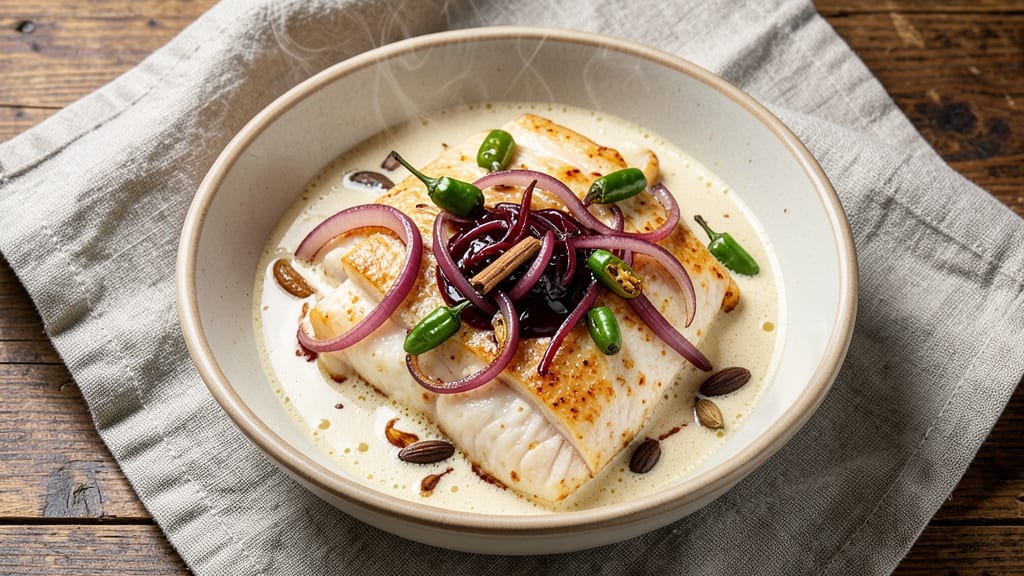
This Bombay fish curry recipe captures the bold, aromatic essence of Mumbai street food—where coconut milk and tamarind create a perfect balance of sweet, tangy, and spicy flavors.
After years of perfecting the technique in my test kitchen, I've developed a method that delivers restaurant-quality results with tender fish, rich gravy, and layers of spice that linger on the palate.
The secret lies in the spice tempering: toasted whole spices like cardamom and cinnamon infuse the oil with deep, warm aromas before the tamarind and coconut milk transform into a velvety, slightly sweet gravy.
This version uses firm white fish (like cod or snapper) that stays tender while absorbing all those complex flavors—no risk of falling apart.
By the time you serve this dish, your kitchen will smell like a bustling Bombay restaurant, and every bite will deliver perfectly cooked fish in a glossy, spiced sauce with just the right amount of heat and tang.
The tamarind adds that signature sour note, while coconut milk rounds out the richness, creating a harmony that's impossible to resist.
Pair it with steamed basmati rice for a classic combination, or serve with warm appam for a South Indian twist. The recipe scales beautifully—whether you're feeding a family or hosting a dinner party. Let's bring Bombay to your kitchen tonight.
Ingredients for bombay fish curry
Spiced coconut milk, tangy tamarind, and tender fish create Bombay magic with just these 15 ingredients.
| Ingredient | Amount | Notes |
|---|---|---|
| White Fish Fillets 🐟 | 1 ½ lb | Cod or snapper preferred, skinless |
| Coconut Milk 🥥 | 1 can | Full-fat, 13.5 oz can |
| Tamarind Paste 🍈 | 2 tbsp | Or 1/4 cup tamarind pulp |
| Red Curry Paste 🌶️ | 2 tbsp | Store-bought or homemade |
| Green Chilies 🌶️ | 2 whole | Fresh, sliced (adjust for heat) |
| Onion 🧅 | 1 whole | Medium, finely chopped |
| Garlic Cloves 🧄 | 6 cloves | Minced, fresh preferred |
| Ginger 🌿 | 1 inch | Fresh, grated or finely chopped |
| Coconut Oil 🫒 | ½ cup | Or neutral oil like vegetable |
| Cardamom Pods 🌿 | 4 whole | Lightly crushed |
| Cinnamon Stick 🌿 | 1 whole | 2-inch piece |
| Turmeric Powder 🌶️ | 1 tsp | Freshly ground preferred |
| Salt 🧂 | 1 tsp | Adjust to taste |
| Lemon Juice 🍋 | 1 tbsp | Freshly squeezed |
| Fresh Cilantro 🌿 | ¼ cup | Chopped, for garnish |
The coconut milk is non-negotiable—full-fat only for that creamy, rich texture. Thai Kitchen or Goya brands are reliable, but check the label for no additives. Tamarind paste can be tricky to find; Indian or Southeast Asian markets usually stock it, or grab a block and scrape it yourself. The fish needs to be firm and white—cod or snapper hold up best. If you can't find tamarind, lime juice plus a pinch of sugar works in a pinch, but it won't be quite the same. Cardamom and cinnamon should smell warm and fragrant when crushed—if they're stale, toss them.
No red curry paste? Mix 1 tbsp each chili powder, turmeric, and coriander with a pinch of sugar. Fresh green chilies too spicy? Remove seeds first or swap for 1 tbsp chili flakes. The ginger and garlic can be pre-minced from the jar (it's fine), but freshly grated ginger has more punch. For extra depth, toast the whole spices in the oil for 30 seconds before adding water—this builds layers of aroma. The lemon juice at the end brightens everything up, so don't skip it, even if you think it's not needed.
This curry reheats beautifully—just add a splash of water or coconut milk if it thickens. Keeps for 3-4 days in the fridge, or 3 months frozen in airtight containers. I always make a double batch because it's even better the next day as the flavors meld. The fish will stay tender if you reheat gently on low heat. Garnish with fresh cilantro right before serving—it adds that restaurant-quality finish.
Why You'll Love This Recipe
- Same curry, endless uses: serve over rice for a quick weeknight meal or drizzle with lime and cilantro for a restaurant-worthy dish. (Yes, even on a Tuesday night.)
- One-Pot Magic: The tamarind and coconut milk do all the heavy lifting—just toss in fish, simmer, and walk away. No chopping mountains of veggies or fussy techniques here.
- Tangy Heat Payoff: That first bite? The tamarind’s sharp bite and red curry’s smoky depth wrap around flaky fish while green chilies add a bright kick—like a flavor explosion in your mouth.
- Weeknight to Dinner Party: Same curry, endless uses: serve over rice for a quick weeknight meal or drizzle with lime and cilantro for a restaurant-worthy dish. (Yes, even on a Tuesday night.)
Step-by-Step instructions for Bombay fish curry
Here's how to build this vibrant curry with layers of spice and coconut richness.
Prepare the Spice Base
Heat the 0.5 cup coconut oil in a heavy-bottomed pot over medium heat. Add the 4 whole cardamom pods and 1 whole cinnamon stick, letting them sizzle for 30 seconds until fragrant. This is where the magic begins - those warm spices will infuse the entire dish.
Add the 2 tbsp red curry paste and stir continuously for 1 minute until it darkens slightly and releases its oils. You'll smell that unmistakable curry aroma - this is your cue to add the 1 whole onion, finely chopped. Cook for 5 minutes until softened and translucent, stirring occasionally to prevent burning.
Next, add the 6 cloves garlic cloves and 1 inch ginger, both minced. Cook for 2 minutes until the raw garlic smell disappears and they turn golden. Here's where it gets good - add the 1 tsp turmeric powder and stir for 30 seconds to bloom its earthy flavor. Finally, add the 2 whole green chilies, sliced, and cook for another minute until they soften slightly.
Build the Tamarind-Coconut Sauce
Pour in the 1 can coconut milk and stir well to combine with the spice base. Bring to a gentle simmer over medium-low heat. Here's the thing - you want the sauce to reduce slightly while keeping the coconut cream intact, so maintain a steady simmer without letting it boil vigorously.
Add the 2 tbsp tamarind paste and 1 tsp salt, stirring until fully dissolved. The tamarind will give that signature tangy depth. Let the sauce simmer uncovered for 10 minutes, stirring occasionally. You'll notice it thickens slightly and develops a beautiful golden hue - this is when the flavors start melding together.
Taste the sauce and adjust seasoning if needed. I usually add a pinch more salt at this stage to balance the tamarind's acidity. The sauce should be rich, slightly tangy, and aromatic with layers of spice.
Cook the Fish to Perfection
Gently add the 1.5 lb white fish fillets to the simmering sauce. Here's the critical part - don't stir the fish immediately. Let it sit undisturbed for 2 minutes to seal the surface and prevent breaking. This creates that beautiful crust we want.
After 2 minutes, carefully turn the fish pieces to coat them evenly with the sauce. Simmer gently for 6-8 minutes until the fish is just cooked through. You'll know it's ready when it flakes easily with a fork but still holds together slightly. Overcooking will make it dry and crumbly - that's the enemy here.
Real talk: if you're using thicker fish fillets, you might need the full 8 minutes. For thinner pieces, 6 minutes should suffice. The fish should be opaque throughout with no translucent centers.
Finish and Serve
Remove the pot from heat and stir in the 1 tbsp lemon juice. This brightens all the flavors and cuts through the richness of the coconut. Let the curry sit off heat for 5 minutes to allow the lemon to fully integrate with the other ingredients.
Garnish with the 0.25 cup fresh cilantro, chopped, just before serving. The cilantro adds a fresh contrast to the rich, spiced sauce. Serve immediately with steamed basmati rice or crusty naan bread to soak up every last bit of that delicious sauce.
Each bite should deliver tender fish with a perfect balance of coconut creaminess, tamarind tang, and aromatic spices. The sauce should coat the fish beautifully without being overly thick, and the heat from the green chilies should be present but not overwhelming.
Pro Tips For Making Bombay Fish Curry
- Bloom the Tamarind: Soften that tamarind paste in warm water first—about 2 tablespoons per 1 tablespoon of paste, stirred until it dissolves like syrup. I used to just toss it in raw, and the curry ended up clumpy and bitter. This step makes the sourness sing without the texture fight.
- Sear the Fish Fast: Get your pan screaming hot before adding the fish fillets—just 2-3 minutes per side until golden. Overcrowding steams them instead of searing, and you’ll end up with sad, rubbery pieces. Work in batches if needed; the crust is what keeps the fish from falling apart later.
- Simmer, Don’t Boil: Once the coconut milk hits the pot, drop the heat to a gentle simmer—think tiny bubbles, not rolling. I learned this after watching my curry curdle like a science experiment. Too much heat breaks the milk’s fat, and suddenly your creamy sauce looks like split pea soup.
- Toast the Chilies First: Dry-toast the green chilies in the same oil you bloom the curry paste—just 30 seconds until fragrant. It deepens their flavor without adding heat, and the aroma ties the whole dish together. Skip this, and your curry tastes like it’s missing something, even if you can’t put your finger on it.
Make-ahead tips for bombay fish curry
Prep Ahead Sauce
The tamarind-coconut sauce is where the real flavor magic happens, and you can make it a full 24 hours ahead. After simmering the sauce (Step 2 in the instructions), let it cool completely, then transfer to an airtight container and refrigerate.
The flavors deepen overnight as the spices meld together beautifully. When ready to cook, simply reheat the sauce in a pot over medium-low heat until warmed through—about 5-7 minutes. This is my go-to strategy for weeknight dinners because it cuts down on last-minute prep. 💡
Fish Prep Shortcuts
Save time by prepping the fish the night before. Pat the 1.5 lb fish fillets dry with paper towels and season lightly with ½ tsp salt. Place them on a plate, cover with plastic wrap, and refrigerate.
When you're ready to cook, simply add them to the warm sauce without thawing—this ensures they cook evenly and stay tender. I also like to chop all my aromatics (onions, garlic, ginger) and store them in a small container in the fridge for quick assembly. ⏰
Freezer-Friendly Assembly
This curry freezes beautifully for up to 3 months, making it perfect for meal prep. After cooking the fish (Step 3), let the entire curry cool completely, then transfer it to a freezer-safe container, leaving 1 inch headspace for expansion.
When reheating from frozen, thaw it overnight in the fridge, then warm it gently on the stovetop over low heat with a splash of water or coconut milk to restore creaminess. The texture might be slightly thicker after freezing, but the flavors remain rich and vibrant. ❄️
Component Prep Strategy
For the most efficient cooking, prep your ingredients in stages. Start by making the spice base (Step 1) and refrigerate it in a jar for up to 3 days. The next day, add the coconut milk and tamarind (Step 2) and keep it refrigerated.
Finally, cook the fish (Step 3) when you're ready to serve. This way, you're only cooking the fish fresh, ensuring it stays tender and flavorful. I swear by this method when I'm teaching classes—it keeps everything organized and stress-free. 🌟
Reheating Leftovers
Leftovers reheat best on the stovetop to maintain the sauce's silky texture. Scoop portions into a pot and warm over medium-low heat for 5-7 minutes, stirring occasionally. If the sauce thickens too much, add 1-2 tbsp water or coconut milk to loosen it.
Avoid microwaving—it can make the fish dry and the sauce watery. I always reheat just enough for the meal and store the rest for another day, because this curry tastes even better the next day as the flavors meld further. 🔥
Garnish Last-Minute Freshness
Fresh cilantro is the secret to that restaurant-quality finish, so always add it right before serving. If you're prepping ahead, store the chopped cilantro separately in a small container with a damp paper towel to keep it fresh.
The lemon juice should also be added fresh—it brightens the dish and cuts through the richness. I like to squeeze the lemon just before serving so the flavor is at its peak. This little touch makes all the difference in presentation and taste. 🌿
Nutrition facts
Frequently asked questions about Bombay-style fish curry
What type of fish works best for this recipe?
Firm white fish like cod, snapper, or sea bass hold up beautifully in the rich coconut sauce. Avoid delicate fish like tilapia or flounder—they'll fall apart. The key is using fillets that are 1-inch thick or thicker for perfect texture.
Can I make this curry less spicy?
Reduce the green chilies to just 1 whole chili (or remove seeds completely) and skip the red curry paste's heat by using 1 tbsp mild curry powder instead. For extra mildness, add ½ cup tomato paste to balance the acidity from tamarind. The coconut milk naturally mellows the heat anyway.
Why does my curry taste too tangy?
Tamarind is potent—start with just 1 tbsp and adjust to taste. If it's overwhelming, balance it with 1 tsp sugar or more coconut milk. The lemon juice at the end can also amplify tanginess, so reduce it to ½ tbsp if needed. Simmering the sauce longer (up to 15 minutes) helps mellow the acidity.
How do I know when the fish is fully cooked?
The fish should be opaque throughout with no translucent centers and flake easily with a fork. For 1-inch thick fillets, cook for 6-8 minutes after adding to the sauce. A good trick: the fish will reach 145°F internally when done. Overcooking by even 1 minute turns it dry—so keep an eye on it!
Can I substitute tamarind with something else?
In a pinch, use ¼ cup lime juice plus 1 tsp sugar to mimic tamarind's tang. For deeper flavor, try 2 tbsp date syrup or pomegranate molasses, but the texture won't be identical. The tamarind's unique sour-sweet balance is hard to replicate, so if possible, track down tamarind paste at Indian or Middle Eastern markets.