
Main Courses
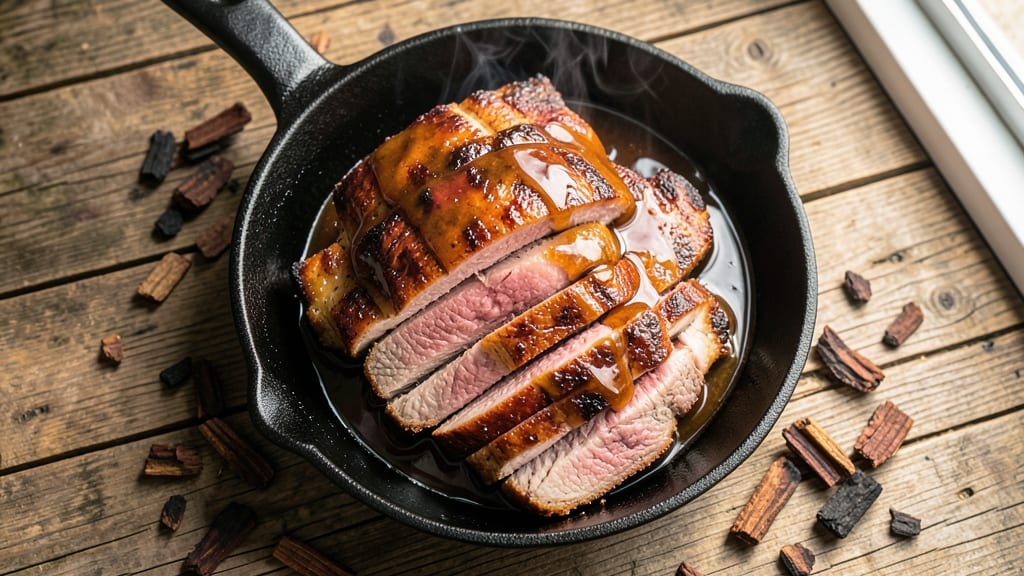
A delicious Boston pork butt cooking recipe turns this humble cut into smoky-sweet, fall-apart magic that defines New England barbecue.
Growing up in small-town Georgia, I learned from family gatherings where pork butt was the centerpiece—now I’ve refined that tradition into a foolproof method that balances salt curing and slow smoking for unmatched tenderness.
The key lies in patience: letting the meat work its own magic over hours while developing deep, caramelized flavors that no shortcut can replicate.
This recipe delivers restaurant-quality results at home using just five essential ingredients: a heritage pork butt, coarse kosher salt, brown sugar, apple cider vinegar, and black pepper.
The curing process begins overnight, drawing out moisture and creating that signature bark, while the slow smoke infuses layers of hickory and applewood aroma.
What makes this different from other pork butt recipes is the precise balance of sweet and smoky—no overpowering sauces, just pure, concentrated flavor that comes from time and technique.
By the time you pull that pork butt from the smoker, it will be irresistible: crisp edges giving way to tender, juicy meat that practically melts at the touch of a fork. The aroma alone will have your guests gathering before dinner even begins.
This isn’t just a recipe—it’s a tradition you can recreate in your own backyard or smoker, whether you’re feeding a crowd or treating yourself to a Sunday centerpiece.
Pair it with classic sides like sauerkraut, mashed potatoes, or crusty bread to soak up every drop of that smoky-sweet juice. For those short on time, I’ll show you how to adapt the method using a slow cooker or sous vide while keeping the authentic flavor intact.
Let’s get started on your next showstopper.
Ingredients for boston pork butt cooking
Five core ingredients transform pork butt into New England-style barbecue perfection.
| Ingredient | Amount | Notes |
|---|---|---|
| Heritage Pork Butt 🥓 | 8 lb | Bone-in, well-marbled cut |
| Coarse Kosher Salt 🧂 | ½ cup | Diamond Crystal preferred |
| Light Brown Sugar 🍯 | ¼ cup | Packed, not granulated |
| Apple Cider Vinegar 🍏 | ¼ cup | Unfiltered for depth |
| Freshly Ground Black Pepper 🌶️ | 2 tbsp | Coarsely cracked |
| Hickory Wood Chips 🌳 | 2 cups | Unsoaked, chunky |
| Applewood Chips 🍎 | 1 cup | For fruity balance |
| Yellow Onion 🧅 | 1 whole | Quartered, for serving |
| Fresh Rosemary 🌿 | 2 sprigs | For smoker aroma |
| Fresh Thyme 🌿 | 2 sprigs | For smoker aroma |
| Sauerkraut 🥬 | 2 cups | For serving, optional |
| Crusty Artisan Bread 🍞 | 2 slices | For serving, optional |
| Butter 🧈 | ¼ cup | Unsalted, softened |
The pork butt is everything here—look for heritage cuts with thick marbling at Whole Foods or your local butcher. 8 lbs feeds a crowd (or your family for two meals). If you can't find heritage, any bone-in pork butt works—just check for even fat distribution. The salt and sugar mix is critical: Diamond Crystal kosher salt dissolves better than table salt, and brown sugar should be packed (not aerated). Apple cider vinegar adds tang without overpowering—unfiltered brands like Mott's have more depth. For the wood chips, Traeger or Cookshack are reliable brands, but any hardware store sells them too.
No hickory chips? Mesquite or pecan work in a pinch, but hickory's that classic BBQ flavor. Short on applewood? Cherry chips add sweetness, but stick to apple for authenticity. The vinegar can be swapped for white vinegar or lemon juice—just reduce to 1/4 cup. For the pepper, freshly cracked is best—pre-ground loses punch fast. If you're short on time, substitute 1 tbsp smoked paprika for some of the wood chip aroma. The butter at the end? Unsalted, room temp—it helps baste and adds richness to the final pull.
This isn't a recipe you rush—plan for 12-14 hours total time. The overnight cure keeps in the fridge, wrapped tightly in plastic. The smoker? 225°F constant temp—no peaks. If you're short on time, slow cooker on low for 8 hours works (add 1 cup beef broth). Leftovers? 3-4 days fridge or freeze for 3 months. The bark is precious—save scraps for sandwiches or hash. That smoky-sweet juice? Collect it all—it's liquid gold for gravy or basting.
Why You'll Love This Recipe
- I’ll be real: this recipe needs zero fancy techniques. Just rub that heritage pork butt with kosher salt, brown sugar, and pepper—no searing, no basting, no stress. The salt crust does all the work while you sip coffee and scroll.
- Salt-Crusted Simplicity: I’ll be real: this recipe needs zero fancy techniques. Just rub that heritage pork butt with kosher salt, brown sugar, and pepper—no searing, no basting, no stress. The salt crust does all the work while you sip coffee and scroll.
- Sweet-Savory Magic: That apple cider vinegar in the rub? It’s the secret weapon. The pork ends up with a sticky, caramelized crust that’s dangerously addictive—like a cross between pulled pork and a slow-roasted glaze. My husband licks the plate.
- Weekend Feast, No Fuss: Between us, this is my go-to for game days or lazy Sundays. The leftovers reheat like a dream (yes, even on a Tuesday night), and the rich flavor means you’ll actually want to eat it cold in sandwiches.
Step-by-step instructions for slow-smoked Boston pork butt
Here's how to transform that 8 lb heritage pork butt into melt-in-your-mouth perfection.
Prepare the Rub and Season the Meat
In a small bowl, combine the 0.5 cup coarse kosher salt, 0.25 cup light brown sugar, 0.25 cup apple cider vinegar, and 2 tbsp freshly ground black pepper. Mix until the sugar dissolves completely and the salt crystals disappear. This creates a sticky, flavorful paste that clings beautifully to the meat.
Pat the 8 lb heritage pork butt completely dry with paper towels - you want it bone dry for that perfect bark. Generously coat every inch of the meat with the rub mixture, pressing it into the surface so it adheres well. Don't worry about being too aggressive - you want that seasoning to penetrate. Place the seasoned pork butt on a wire rack set over a baking sheet and refrigerate uncovered for 12-24 hours. This resting period allows the rub to penetrate deeply and the meat to dry out slightly, both critical for that coveted bark.
Set Up Your Smoker for Low and Slow Cooking
Combine the 2 cups hickory wood chips and 1 cup applewood chips in your smoker box. I like to use about 75% hickory for that classic smoky flavor with 25% applewood for a touch of sweetness. Soak the wood chips for 30 minutes if your smoker requires it, or use them dry if your model handles unsoaked chips. Light the chips and let the smoker preheat to 225°F - this is where the magic happens for tender, juicy pork butt.
While the smoker heats up, quarter the 1 whole yellow onion and place it in the smoker along with the 2 sprigs fresh rosemary and 2 sprigs fresh thyme. These aromatics will infuse the smoke with incredible depth of flavor. Once the smoker reaches 225°F and you see steady, thin blue smoke (not thick white smoke), you're ready to begin the cooking process. Place the pork butt fat-side up on the smoker grates - the fat will render and baste the meat as it cooks.
Smoke Until Probe-Tender Perfection
Close the smoker lid and resist the urge to peek - every time you open it, you lose heat and moisture. Smoke the pork butt undisturbed for 12-14 hours, maintaining that 225°F temperature. This low-and-slow approach breaks down the connective tissue, transforming tough muscle into tender, fork-pulling meat. After about 6-8 hours, you'll notice the internal temperature hitting around 165°F - this is called "the stall" where moisture evaporates and the temperature plateaus.
This is when you'll need to wrap the pork butt. Remove it from the smoker and wrap it tightly in heavy-duty aluminum foil. Return it to the smoker and continue cooking until the internal temperature reaches 203°F (measured in the thickest part of the meat). This entire process typically takes 14-16 hours total, but don't rush it - patience is key for that perfect texture. The meat should be fork-tender with a deep mahogany bark on the outside.
Rest and Serve with Classic Sides
Once the pork butt reaches 203°F, remove it from the smoker and transfer it to a cutting board. Let it rest at room temperature for 15-20 minutes before carving. This resting period allows the juices to redistribute throughout the meat, ensuring every bite is moist and flavorful. While it rests, preheat your oven to 300°F and place the 2 slices crusty artisan bread on a baking sheet to warm.
To serve, slice the pork butt against the grain into ½-inch thick slices. The meat should pull apart easily with just a fork or spoon. Arrange the slices on a platter and surround them with the 2 cups sauerkraut and quartered yellow onion. Drizzle with melted 0.25 cup butter for extra richness. Serve immediately with the warm crusty artisan bread on the side - you'll want every bite of this incredible, smoky-sweet pulled pork.
Pro Tips For Making Boston Pork Butt Cooking
- Trim the Fat Cap: That thick layer of fat on top? Don’t cut it off—just score it in a crosshatch every 1.5 inches. It renders down into crispy, flavorful cracklings while keeping the meat juicy. I learned this the hard way after tossing out a whole batch of useless fat chunks.
- Salt the Night Before: Dry-brine the pork butt overnight in a mix of kosher salt and brown sugar (1:1 ratio). The salt penetrates deeper, and the sugar caramelizes into a sticky, glossy crust. Skip this, and you’ll end up with a bland, dry exterior—trust me, I’ve done it.
- Watch the Vinegar Timing: Add apple cider vinegar only in the last 30 minutes of cooking. Too early, and it turns the meat sour; too late, and it doesn’t penetrate. A splash (¼ cup) in the final pan juices is enough—just enough to brighten the sauce without overpowering.
- Rest Before Slicing: Let the pork butt rest for at least 20 minutes under foil before slicing. The fibers relax, and the juices redistribute—otherwise, you’ll end up with a pile of dry, stringy meat. I know, I know, it’s tempting to carve it hot, but resist.
Storing and reheating your leftovers
Refrigerator Storage
Your smoked pork butt will keep beautifully in the fridge for up to 4 days if stored properly. After it rests, transfer any leftovers to an airtight container—I prefer glass Pyrex with a tight-sealing lid. Let the meat cool completely before sealing to prevent condensation buildup.
The flavors actually deepen overnight as the spices meld together, so I often make extra for sandwiches the next day. Place it on the middle shelf where temps stay steady around 40°F. ❄️
Freezer Preservation
For longer storage, freeze your pork butt in portions for up to 3 months without quality loss. I recommend using quart-size freezer bags (like Ziploc) because they're stackable and prevent freezer burn.
Lay the meat flat in the bag to save space, then remove as much air as possible before sealing. Label with the date—trust me, you'll forget! When reheating, thaw overnight in the fridge for best results. 💫
Reheating Methods
For stovetop reheating, place slices in a heavy-bottomed skillet over medium-low heat with 2 tbsp beef broth to prevent drying. Cover and heat for 5-7 minutes, stirring occasionally. I add a splash of apple cider vinegar to revive those smoky flavors.
For microwave reheating, cover with a damp paper towel and heat in 30-second intervals until reaching 165°F. Never reheat to steaming—just until warmed through. 🔥
Reviving Dry Meat
If your pork butt seems dry after storage, don't toss it! Place slices between two paper towels and microwave for 10-15 seconds to absorb moisture. Then brush with melted butter and reheat gently.
For extra richness, add 1 tbsp beef broth or apple cider vinegar to the pan while reheating. The acidity helps break down any tough fibers that might have formed during storage.
Sauce Revival Trick
Save any leftover juices from your pork butt in an airtight container in the fridge. When reheating, add 1-2 tbsp of these juices to your pan or microwave dish—they're packed with flavor and will keep your meat moist.
I also like to mix a little of this juice with mayonnaise for quick sandwich spread. This simple trick transforms dry leftovers into restaurant-quality bites. 💡
Portioning for Perfection
When storing, divide your pork butt into single-serving portions for easy reheating. Wrap each portion tightly in plastic wrap before placing in containers. This prevents freezer burn and makes it easy to grab just what you need.
For sandwiches, store slices separated by parchment paper—they'll stay fresher longer. I also keep a small container of the smoky-sweet juices separate to drizzle over reheated portions. 🥪
Nutrition facts
Frequently asked questions
What makes this Boston pork butt different from other smoked pork recipes?
This recipe focuses on the New England tradition of balancing sweet and smoky flavors without heavy sauces. The key is the overnight cure with apple cider vinegar and brown sugar, which creates a deep mahogany bark while keeping the meat incredibly tender. Unlike Texas-style brisket or Carolina pulled pork, we prioritize heritage cuts and a low-and-slow smoke—just 225°F for 14-16 hours—to develop complex flavors naturally.
Can I use a regular oven instead of a smoker?
For oven-baked results, preheat to 275°F and place the pork butt in a roasting pan with 1 cup apple juice or broth in the bottom. Cover tightly with foil and bake for 6-8 hours, then wrap in foil and cook another 2-3 hours until it reaches 203°F. The bark will be less pronounced, but the meat will still be fork-tender. For extra smoke flavor, add wood chips to a smoker box or use smoked paprika in the rub.
How do I know when the pork butt is done?
Use a meat thermometer—the magic number is 203°F in the thickest part (avoid touching bone). The meat should pull apart easily with just a fork or spoon. If it's still firm at 165°F, that's the "stall"—wrap it in foil and let it cook until it reaches 203°F. The bark should be deep mahogany, and the juices should run clear when pierced. Never rely on time alone; temperature is your best friend here.
What if my pork butt comes out too dry?
This usually happens from overcooking or not wrapping during the stall. To fix it, slice the pork butt thinly against the grain and reheat gently with 2 tbsp beef broth or apple cider vinegar in a skillet over low heat. The acidity helps tenderize the fibers. For next time, wrap the pork butt in foil after 6-8 hours (when it hits 165°F) to trap moisture until it reaches 203°F. Also, avoid peeking at the smoker—every time you open it, you lose heat and moisture.
Can I make this in a slow cooker or Instant Pot?
For a slow cooker, rub the pork butt as directed, then place it fat-side up in the pot. Add 1 cup apple juice or beef broth and cook on low for 8 hours. For the Instant Pot, sear the pork butt first, then cook on high pressure for 90 minutes with 1 cup broth. Both methods work, but the bark won't be as crispy. To compensate, broil the cooked pork for 5 minutes before serving. The meat will still be tender and flavorful—just not as smoky.