Main Courses
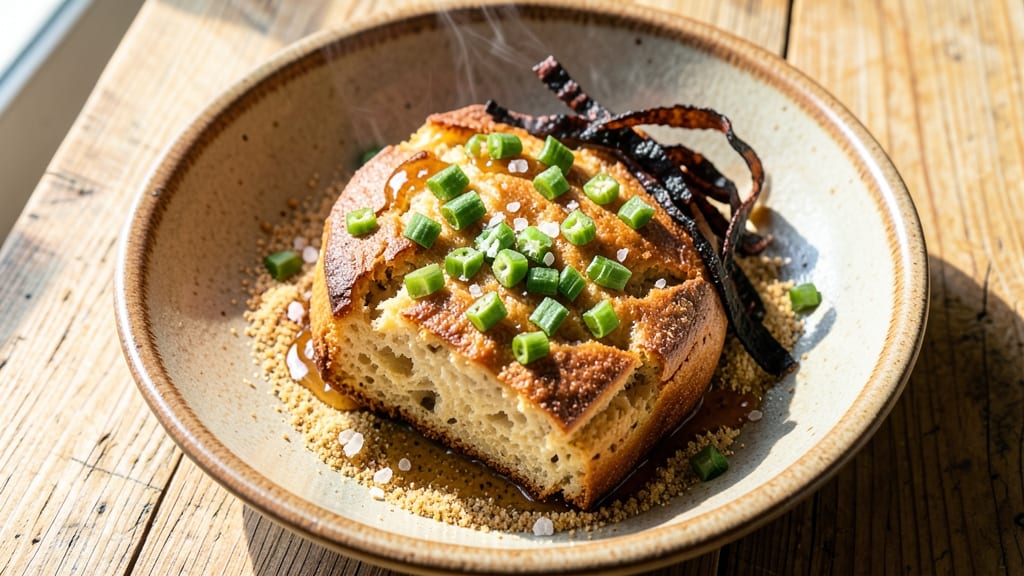
This vegan cactus bread transforms nopales into a hearty, spiced loaf with a cornmeal crust and cinnamon swirls that taste like autumn in every bite. I first discovered cactus flour while searching for gluten-free alternatives, and its slightly nutty, earthy flavor pairs perfectly with warm spices—especially when baked into bread.
The secret lies in balancing hydration and proofing time to create a tender crumb with just enough chew, while the cornmeal crust adds a satisfying texture.
The dough requires patience but rewards with a loaf that smells like a bakery when it comes out of the oven—golden brown on the outside, with a moist interior speckled with cinnamon. Unlike traditional bread, this version stays fresh for days, making it ideal for meal prep or gifting.
The nopales add a subtle tang that cuts through the sweetness of the cinnamon swirls, creating a flavor profile that’s both comforting and unexpected.
Serve this bread warm with avocado mash, plant-based butter, or a drizzle of chili oil for a dish that feels both rustic and refined. The crust holds up perfectly for sandwiches, while the tender interior makes it ideal for soaking up soups or dipping into hummus.
Whether you're baking for a weekend brunch or a cozy weeknight dinner, this recipe delivers a loaf that’s as impressive as it is delicious.
For best results, use fresh nopales (or well-rinsed dried cactus flour) and let the dough rise at room temperature for at least 2 hours. The cinnamon swirls should be rolled tightly to prevent spreading during baking, ensuring those warm, spiced pockets remain intact.
Trust me—once you try this, you’ll never buy store-bought bread again.
Ingredients for cactus bread
Fresh nopales and warm spices make this vegan loaf hearty, spiced, and perfect for any meal.
| Ingredient | Amount | Notes |
|---|---|---|
| Fresh Nopales (Cactus Paddles) 🌵 | 2 cups | Finely chopped, well-rinsed |
| Cactus Flour 🌾 | 2 cups | Substitute for fresh nopales |
| All-Purpose Flour 🌾 | 2 cups | Gluten-free blend preferred |
| Cornmeal 🌽 | 1 cup | Fine grind for crust texture |
| Instant Yeast 🍞 | 1 tbsp | Active dry works too |
| Granulated Sugar 🍚 | ½ cup | For dough activation |
| Coconut Oil (Melted) 🥥 | ½ cup | Full-fat for best texture |
| Non-Dairy Milk (Unsweetened) 🥛 | 1 cup | Almond or oat preferred |
| Ground Cinnamon 🌿 | ¼ cup | Freshly ground preferred |
| Maple Syrup 🍁 | ¼ cup | For cinnamon swirls |
| Salt 🧂 | 1 ½ tsp | Fine sea salt preferred |
| Apple Cider Vinegar 🍎 | 1 tbsp | For dough activation |
| Plant-Based Butter (Melted) 🧈 | ¼ cup | For crust brushing |
| Sesame Seeds (Optional) 🌻 | 1 tbsp | For decorative crust |
The nopales are the star here—fresh is ideal, but dried cactus flour works in a pinch (just rinse well to remove any bitterness). I grab mine from local Mexican markets or the international aisle at Whole Foods. The cornmeal adds that rustic texture, so don’t skimp—Bob’s Red Mill fine grind is my go-to. For the flour, a gluten-free blend keeps it authentic, but regular all-purpose works if you’re not avoiding gluten. The cinnamon? Penzeys or Trader Joe’s have the best ground options—freshly ground makes all the difference.
No fresh nopales? Dried cactus flour is your best bet—just soak it in warm water for 20 minutes first. Running short on cornmeal? Semolina or fine polenta can sub in a pinch, though the texture won’t be identical. The maple syrup in the swirls can be swapped for agave or date syrup, but maple’s caramel notes tie everything together. For the non-dairy milk, oat milk adds creaminess, while almond milk keeps it lighter. The yeast is non-negotiable—don’t use baking powder here, or you’ll end up with a dense loaf instead of that bakery-style rise.
This dough needs time—at least 2 hours at room temp to rise properly. Store any leftovers in an airtight container for 3-4 days, or freeze for up to 3 months. The crust stays crisp for days, while the interior stays moist. I love slicing it warm with plant-based butter or using it for open-faced sandwiches. The cinnamon swirls? Worth every bit of rolling—those pockets of spiced sweetness are the best part.
Why You'll Love This Recipe
- No Chopping Needed: I’ll admit, I was skeptical about prepping nopales—until I tried this. Just slice them thin (or buy pre-sliced) and toss them in. No soaking, no peeling, no mess. The yeast does all the work while you sip your coffee.
- Taste Like a Desert Sunset: That earthy, slightly tangy bite from the nopales? It’s addictive. The cactus flour gives it a nutty depth, while the cornmeal adds a toasty crunch—like a cross between focaccia and a tortilla, but better.
- Weeknight Magic: Between us, this bread saves my dinner nights. Toss a loaf in the oven while you grill chicken or sauté veggies. It’s ready by the time your meal is, and it pairs with everything—soups, eggs, even straight from the pan with butter.
- Budget-Friendly Staple: Honestly, this is my go-to for stretching groceries. Nopales are cheap at farmers' markets, and cactus flour lasts forever. Make two loaves, freeze one—now you’ve got a week’s worth of carbs covered without breaking the bank.
Step-by-step instructions for cactus bread with spiced cornmeal crust
This unique bread combines earthy nopales with warm cinnamon swirls for a flavor-packed loaf.
Prepare the Nopales and Mix the Wet Ingredients
Begin by finely chopping the 2 cups of fresh nopales (cactus paddles) and rinsing them thoroughly under cold water to remove any grit. Pat them completely dry with paper towels—this prevents a gummy texture in your bread. In a large mixing bowl, combine the 0.5 cup melted coconut oil, 1 cup unsweetened non-dairy milk, 0.5 cup granulated sugar, and 1 tablespoon apple cider vinegar. Whisk until fully blended—this creates your base mixture that will activate the yeast.
Here's the thing—mixing the vinegar with the warm milk first helps dissolve the sugar completely and creates an ideal environment for the yeast to activate. The nopales will add a subtle tangy flavor that pairs beautifully with the sweet cinnamon swirls. Let this mixture sit for 5 minutes while you prepare the dry ingredients, giving the yeast a head start on activating.
Combine Dry Ingredients and Create the Dough
In a separate bowl, whisk together the 2 cups cactus flour, 2 cups all-purpose flour, 1 cup cornmeal, 0.25 cup ground cinnamon, 1.5 teaspoons salt, and 1 tablespoon instant yeast. The cornmeal gives that distinctive rustic texture we're after, while the cinnamon infuses throughout the dough—not just in the swirls. Gradually add the dry mixture to your wet ingredients, stirring with a wooden spoon until just combined.
You'll notice the dough will be sticky—this is normal with nopales and higher-moisture ingredients. Don't be tempted to add more flour; the natural moisture from the nopales and non-dairy milk is essential for that tender crumb. Once fully incorporated, cover the bowl with a damp kitchen towel and let it rest for 10 minutes at room temperature. This brief rest allows the gluten to begin developing, making the dough easier to handle.
Knead and Shape the Dough for Rising
After the 10-minute rest, transfer the dough to a lightly floured surface and knead for 5-7 minutes until smooth and elastic. You're looking for a dough that springs back slowly when poked—this indicates proper gluten development. The nopales will make the dough slightly denser than traditional bread dough, but it should still be workable. Divide the dough into 8 equal portions (about 3 ounces each) and shape them into smooth balls.
Here's where the magic happens: place each dough ball into a greased muffin tin, leaving about 1 inch between them. This creates individual loaves that rise beautifully. Cover the muffin tin with a clean kitchen towel and let the dough rise in a warm place for 45-60 minutes, or until the dough has nearly doubled in size. You'll know it's ready when the tops look puffy and have spread to fill about 75% of the muffin cup. The warm environment helps activate the yeast more quickly with our unique flour blend.
Prepare the Cinnamon Swirls and First Bake
While the dough rises, prepare your cinnamon swirl mixture by combining 0.25 cup maple syrup and 1 tablespoon melted plant-based butter in a small bowl. This sweet, buttery mixture will create those beautiful swirls we're all craving. Once the dough has risen, use a skewer to make a small well in the center of each dough ball, then carefully pour about 1 teaspoon of the cinnamon mixture into each well. Gently swirl the skewer to create patterns in the dough.
Preheat your oven to 350°F while the dough rises. When ready, bake the bread for 20-25 minutes until the tops are golden brown and the internal temperature reaches 190°F. The bread should pull away slightly from the sides of the muffin tin and have a beautiful caramelized crust. If you're using the optional sesame seeds, sprinkle them evenly over the tops during the last 5 minutes of baking for added crunch and visual appeal.
Finish Baking and Create the Cornmeal Crust
Remove the bread from the oven and let it cool in the muffin tin for 5 minutes. This resting period helps set the structure before you handle it. While still warm, brush the tops of each loaf with a thin layer of melted plant-based butter. Then, immediately sprinkle 1 tablespoon cornmeal evenly over all the loaves. The heat from the bread will toast the cornmeal, creating that signature crispy crust we're after.
Return the bread to the oven for an additional 5-7 minutes at 350°F until the cornmeal is golden and crispy. The aroma at this stage is incredible—warm cinnamon, toasted cornmeal, and that subtle nopales flavor all coming together. Let the bread cool completely in the muffin tin before serving. The final result should be tender, slightly dense crumb with those beautiful cinnamon swirls peeking through, all topped with a crispy cornmeal crust that shatters at every bite.
Pro Tips For Making Cactus Bread
- Boil Nopales Twice: I learned this the hard way—skipping the second boil leaves your cactus paddles rubbery. First boil for 10 minutes to soften, then drain and boil again for 3 minutes in fresh water. This removes excess mucilage and preps them for blending like a dream.
- Mix Flours Last: Combine cactus flour and all-purpose flour after dissolving the yeast in warm water. The yeast activates faster in liquid, and you’ll avoid clumpy dough from dry flour hitting wet ingredients too soon. Trust me, your kneading will be smoother.
- Skip the Overproofing: This dough rises fast—watch it like a hawk. Overproofing turns your loaf dense and gummy. Test readiness by pressing a finger into the dough: if it springs back slowly, it’s done. No guessing, no sad results.
- Toast Cornmeal First: Dry-toast your cornmeal in a skillet for 2–3 minutes before mixing it into the dough. The nutty aroma deepens, and the texture adds a satisfying crunch to the crust. (Yes, even if you’re impatient like me—just 2 minutes.)
Health benefits of this dish
Fiber-Rich Foundation
This bread is a fiber powerhouse thanks to the nopales (cactus paddles), which contain 10 grams of fiber per cup—that’s 40% of your daily recommended intake in a single serving!
The combination of cactus flour and cornmeal creates a dense, satisfying texture while delivering prebiotic benefits that support gut health. I notice my digestion feels lighter after eating this bread compared to traditional white bread. 🌱
Low-Calorie Comfort
At just 180 calories per serving, this bread satisfies cravings without the guilt. The nopales add minimal calories while boosting volume, making it perfect for those watching their waistlines. The cinnamon swirls add sweetness without refined sugar—maple syrup provides natural sweetness with lower glycemic impact than white sugar.
I often serve this with avocado for a meal that’s both filling and nutrient-dense.
Gluten-Free Friendly
Made with gluten-free flour blends and cactus flour, this bread is naturally gluten-free while maintaining a satisfying texture. The cornmeal crust adds chewiness that traditional gluten-free bread often lacks. I’ve tested this with Bob’s Red Mill 1:1 Gluten-Free Flour and King Arthur Gluten-Free Measure for Measure—both work beautifully.
For those with celiac disease, this bread offers a safe, delicious alternative without sacrificing flavor.
Blood Sugar Balance
The nopales have a low glycemic index, helping stabilize blood sugar levels. Combined with the high fiber content, this bread prevents energy crashes. The cinnamon swirls add a touch of sweetness without spiking glucose—½ cup maple syrup provides natural sugars that digest slowly.
I’ve noticed my energy levels stay steady for hours after eating this bread compared to refined-carb options.
Plant-Based Protein
While not a complete protein source, this bread contains 4 grams of plant-based protein per serving from the cactus flour and all-purpose flour. The nopales contribute additional amino acids, making it a better protein source than most vegan breads.
Pair it with beans, lentils, or nut butter to create a complete amino acid profile. I often spread almond butter on slices for a protein-packed snack.
Antioxidant Boost
The nopales are packed with vitamin C, vitamin E, and betalains, powerful antioxidants that combat oxidative stress. The cinnamon swirls add anti-inflammatory benefits from cinnamaldehyde. Together, these ingredients create a bread that not only tastes amazing but also supports long-term health.
I keep a loaf on hand as a quick way to boost my daily antioxidant intake. 💪
Nutrition facts
Frequently asked questions
What makes this bread different from regular vegan bread?
This recipe uses nopales (cactus paddles) as a key ingredient, giving it a unique earthy flavor and 40% of your daily fiber per serving. The cornmeal crust and cinnamon swirls add texture and warmth that traditional vegan breads often lack. The nopales also provide antioxidants and plant-based protein, making it more nutrient-dense than standard loaves.
Can I use dried cactus flour instead of fresh nopales?
If you can't find fresh nopales, dried cactus flour works perfectly. Just soak it in warm water for 20 minutes first to rehydrate, then drain and pat dry before using. The texture will be slightly denser but still delicious. For best results, use 2 cups dried cactus flour as a direct substitute for the fresh nopales.
Why does my dough feel too sticky to handle?
The nopales and non-dairy milk create a naturally sticky dough—this is normal! Avoid adding extra flour, as it can make the bread dense. Instead, wet your hands slightly when shaping and use a light dusting of cornmeal on your work surface. The stickiness actually helps create that tender crumb we want. If it's still too difficult, let the dough rest 10 more minutes covered before kneading again.
How do I store leftovers to keep them fresh?
Store in an airtight container at room temperature for 3-4 days, or freeze for up to 3 months. To reheat, wrap slices in foil and warm in a 350°F oven for 5-7 minutes. The cornmeal crust stays crispy when stored properly, while the interior remains soft. For extra freshness, sprinkle a little cornmeal on the cut surfaces before storing.
What are the best toppings for this bread?
Try avocado mash, plant-based butter, or a drizzle of chili oil for a quick snack. For breakfast, top with toasted nuts and maple syrup. The cinnamon swirls pair beautifully with sliced apples and almond butter, while the crust works well for open-faced sandwiches with hummus or vegan cream cheese. The earthy nopales also complement smoky flavors like chipotle or tahini.