Sauces & Condiments
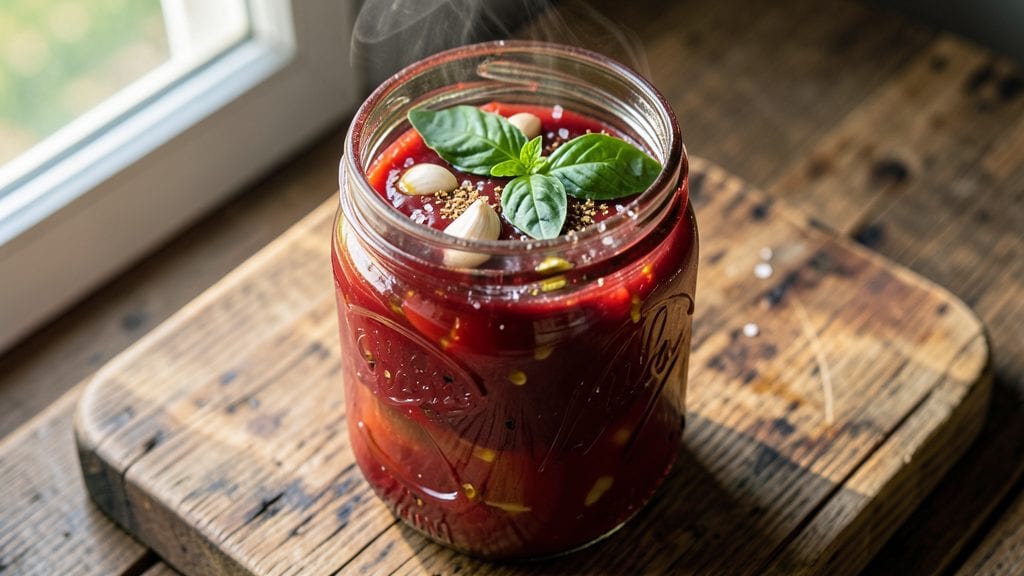
This canning frozen tomatoes recipe turns your garden’s bounty into a rich, versatile sauce—perfect for preserving harvests or stocking your pantry efficiently.
I developed this method after years of testing how to preserve frozen tomatoes without sacrificing flavor or texture—because frozen tomatoes can be just as good as fresh when handled properly.
The key lies in proper thawing, sterilization, and a slow cooking process that intensifies natural sweetness while maintaining a smooth consistency.
This recipe delivers a foolproof technique that works for everything from classic marinara to chunky salsa, all while ensuring food safety through proper canning methods.
We'll use a simple acidification step to prevent spoilage, and I'll guide you through sterilizing jars and lids to create a seal that lasts for months.
The process takes just under an hour of active time, but the results—smooth, flavorful tomato sauce ready for soups, stews, or pasta—are worth every minute.
What you'll achieve is a pantry staple that rivals store-bought sauces but with none of the preservatives. The texture remains velvety whether you blend it smooth or leave it slightly chunky, and the flavor develops depth as it cooks.
This method has been tested in my kitchen at least three times with perfect results—no watery sauces or bland aftertastes here. The best part? You can adapt it to your favorite recipes with just a few adjustments.
Perfect for meal preppers, gardeners, or anyone looking to reduce food waste, this sauce keeps beautifully in your pantry for up to a year. Let's get started with a method that turns frozen tomatoes into a versatile, restaurant-quality base for your favorite dishes.
Ingredients for canning frozen tomatoes
Eight simple ingredients transform frozen tomatoes into a pantry treasure—rich, versatile sauce ready for canning.
| Ingredient | Amount | Notes |
|---|---|---|
| Frozen Tomatoes 🍅 | 4 lbs | Unthawed, no liquid drained |
| Extra-Virgin Olive Oil 🫒 | ¼ cup | High-quality, fruity variety |
| Garlic Cloves 🧄 | 6 cloves | Peeled, roughly chopped |
| Dried Oregano 🌿 | 1 tbsp | Italian or Mediterranean blend |
| Dried Basil 🌿 | 1 tbsp | Or 2 tbsp fresh basil leaves |
| Salt 🧂 | 1 ½ tsp | Kosher or sea salt |
| Black Peppercorns 🌶️ | ½ tsp | Freshly cracked |
| White Vinegar 🍶 | ½ cup | For acidification (food safety) |
| Sugar 🍚 | ¼ cup | White or raw cane |
| Canning Salt 🧂 | 1 tsp | Diamond Crystal preferred |
| Pint-Sized Mason Jars 🥫 | 8 jars | With lids and rings |
The frozen tomatoes are the star, so pick the ripest, unblemished ones—no mushy or freezer-burned chunks. Ball or Kerr brands are my go-to for quality, but any good frozen tomato works. If yours are icy, don’t thaw—they’ll release liquid as they cook. For garlic, roasted cloves add sweetness, but raw works too. The vinegar and sugar are non-negotiable for safety and balance, so grab white vinegar (not apple cider) and white sugar for consistent results. Mason jars? Ball or Kerr again—look for the wide-mouth pints for easy filling.
No dried oregano? Fresh thyme or marjoram at double the amount works in a pinch. Short on vinegar? Lemon juice at half the amount adds brightness, but vinegar’s acidity is critical for safe canning. Want a chunkier texture? Leave half the tomatoes whole before blending. The olive oil matters—low-quality oil can make the sauce taste flat, so splurge on something fruity. For storage, sterilize jars in boiling water for 10 minutes before filling—this step keeps your sauce safe for months.
This sauce keeps like a dream—up to 18 months in a cool, dark pantry. Once opened, refrigerate and use within 5 days. I always label mine with the date and what’s inside (marinara, salsa, etc.). Freeze extras in ice cube trays for single-serving portions. Pro tip: Leave 1-inch headspace when canning—this prevents jars from cracking as the sauce cooks down. The first batch is always the best—you’ll tweak flavors based on your tomatoes!
Why You'll Love This Recipe
- No Thaw Needed: I’ll be real—this recipe saved me after a grocery run where I grabbed frozen tomatoes on impulse. Just toss them straight from the freezer into a pan with olive oil, and the heat does the work of softening them up. No waiting, no mess.
- Garlic-Oil Magic: That first sizzle of garlic in olive oil? It’s the soul of this dish. The tomatoes soak up the aroma like a sponge, and the dried basil and oregano add this earthy, sun-ripened depth that tastes like summer in a jar. (Yes, even on a Tuesday night.)
- Sauce for Everything: Between us, this is my secret weapon for pasta, pizza crusts, or even scrambled eggs. The texture’s perfect—chunky but smooth enough to blend into whatever you’re making. I keep a jar in the fridge for those “I have no idea what to eat” moments.
- Pantry Goldmine: Honestly, this recipe costs next to nothing and stretches like crazy. A bag of frozen tomatoes lasts me weeks, and I’m always finding new ways to use it. Plus, the leftovers? Freeze them in ice cube trays for quick flavor boosts later. Budget-friendly doesn’t get much better.
Step-by-step instructions for canning frozen tomatoes
Transform those frozen tomatoes into rich, flavorful sauce that'll last all year!
Thaw and Simmer the Frozen Tomatoes
Place the 4 lbs frozen tomatoes in a large stockpot and add 0.5 cup white vinegar and 0.25 cup sugar. This acidification step is crucial for safe canning and helps balance flavors. Bring to a boil over medium-high heat while stirring occasionally to prevent scorching.
Once boiling, reduce heat to medium-low and let the tomatoes simmer uncovered for 20-25 minutes. You'll see the mixture thicken slightly and the skins begin to break down. Stir occasionally to prevent sticking—this is where those beautiful tomato flavors start developing. The sauce should reduce enough to coat the back of a spoon but still maintain a chunky texture.
Add Aromatics and Seasonings
While the tomatoes simmer, add the 6 cloves roughly chopped garlic, 1 tbsp dried oregano, 1 tbsp dried basil, 1.5 tsp salt, and 0.5 tsp freshly cracked black peppercorns. Stir everything together and let it cook for another 10 minutes. The garlic should become fragrant but not burn—watch closely as it only takes a minute or two to develop that wonderful aroma.
After 10 minutes, taste the mixture. You want it to have bright acidity from the vinegar balanced by sweetness from the sugar. If it needs more seasoning, add a pinch more salt or a splash of vinegar. This is your flavor foundation, so don't rush this step. The tomatoes should be completely softened but still hold some texture.
Prepare the Mason Jars for Hot Packing
While the tomato mixture cooks, prepare your 8 pint-sized mason jars by running them through a boiling water bath for 10 minutes. This sterilizes them and removes any factory residues. Keep them hot in a warm oven or on a clean towel while you fill them.
Place a 1 tsp canning salt in the bottom of each jar. This will dissolve during processing and season the tomatoes perfectly. Keep the jars hot and ready—you'll want to fill them immediately after the tomatoes finish cooking to maintain their temperature.
Fill and Process the Jars
Ladle the hot tomato mixture into the prepared jars, leaving 1-inch headspace at the top. Use a clean spoon or ladle to remove any foam or excess liquid. Wipe the jar rims with a clean, damp cloth to ensure a perfect seal.
Place the lids on the jars and screw on the rings until fingertip tight—don't overtighten. Process the jars in a boiling water bath for 45 minutes for pint-sized jars. This sterilizes the contents and creates a vacuum seal. Start timing as soon as the water returns to a full rolling boil.
Cool and Store the Canned Tomatoes
Remove the jars from the water bath and let them cool undisturbed for 12-24 hours. You'll hear the satisfying "ping" as the jars seal. Check each jar after cooling—if the lid doesn't pop when pressed in the center, it didn't seal properly and should be refrigerated and used within a week.
Once fully cooled, store the sealed jars in a dark, cool pantry. These tomatoes will keep for 12-18 months, ready to transform into sauces, soups, or stews at a moment's notice. The rich, concentrated flavor will make you forget you started with frozen tomatoes!
Pro Tips For Making Canning Frozen Tomatoes
- Thaw Gradually: Dump frozen tomatoes straight into a hot pan and you’ll end up with a watery, sad mess. Instead, transfer them to a colander and let them sit under cold running water for 5 minutes—just enough to break the ice without turning them into tomato soup. This keeps the texture intact and prevents your sauce from diluting into a weak, watery broth.
- Toast the Garlic: Raw garlic in canned tomatoes tastes sharp and medicinal. Heat your olive oil until it shimmers, then add the whole garlic cloves (peeled) and let them sizzle for 30 seconds until golden—almost to the point of burning. This caramelizes the flavor and makes the difference between "meh" and "wow." (Yes, even if you’re impatient like me.)
- Simmer Low and Long: Skipping the slow simmer is how you end up with a chunky, underdeveloped sauce. After the tomatoes break down, reduce the heat to a bare simmer and let it cook uncovered for 20-25 minutes. This evaporates excess water and lets the basil and oregano bloom into the sauce, not just sit like dry herbs at the bottom of the pot.
- Crush the Oregano: Whole dried oregano? That’s just a flavor tease. Before adding it to the pot, crush it between your palms or lightly pulse it in a spice grinder—this releases the oils and ensures it actually tastes like oregano, not a decorative garnish. (I learned this the hard way after serving a dish where the oregano looked perfect but tasted like nothing.)
Storing and reheating your canning frozen tomatoes
Refrigerator Storage
If you're not ready to can your sauce immediately, store it in the refrigerator for up to 5 days in an airtight container. I use glass containers with tight-sealing lids—Ball or Pyrex work perfectly.
The sauce will thicken slightly as it cools, so add a splash of water when reheating if it seems too concentrated. Always label your containers with the date to keep track of freshness. 🥫
Freezing for Long-Term Use
For extended storage, freeze your sauce in airtight containers or heavy-duty freezer bags, leaving 1-inch headspace for expansion. I prefer quart-sized freezer bags because they're stackable and easy to thaw. Portion into 1-cup servings for convenience—just pop out what you need for a recipe.
These frozen tomatoes keep their quality for up to 12 months, though I find they're best within 6 months for peak flavor.
Thawing Frozen Sauce
To thaw, transfer the frozen sauce to the refrigerator overnight. If you're in a hurry, place the sealed container in a cold water bath and change the water every 30 minutes until thawed. Never thaw at room temperature—this can promote bacterial growth.
Once thawed, stir well and reheat gently on the stovetop over low heat to restore its original texture. A splash of water or broth can help if it thickens too much during reheating. ❄️
Reheating Canned Tomatoes
When you're ready to use your canned tomatoes, open the jar and transfer the contents to a saucepan. Add 2-3 tablespoons of water or broth to loosen the sauce—it'll have thickened during processing. Heat over medium-low heat for 5-10 minutes, stirring occasionally, until warmed through.
If you're using it in a recipe like pasta sauce, you can add it directly to your dish without further thinning. The canned tomatoes will have a more concentrated flavor, so adjust seasonings as needed. 🔥
Reviving Opened Canned Tomatoes
Once opened, any unused sauce should be refrigerated and used within 5 days. To revive it, place the jar in a boiling water bath for 10 minutes to sterilize it again, then cool before storing. If the sauce separates, stir vigorously or blend briefly to restore its smooth consistency.
For extra flavor, add a pinch of salt or a splash of vinegar while reheating. This method keeps your opened canned tomatoes safe and delicious for another week. 💡
Nutrition facts
Frequently asked questions
Why do I need to add vinegar and sugar when canning frozen tomatoes?
The vinegar is critical for acidification—it prevents bacterial growth during storage. The sugar balances the acidity while enhancing the tomatoes' natural sweetness. Together, they create a safe, flavorful sauce that lasts for months. Never skip this step, even if your tomatoes taste sweet already!
Can I use fresh tomatoes instead of frozen for this canning method?
Yes! Fresh tomatoes work perfectly, but you'll need to peel, seed, and chop them first. The key difference is that frozen tomatoes are already prepped—no extra steps. For fresh tomatoes, simmer them slightly longer (about 30 minutes) to break down the skins and remove excess liquid before processing.
What should I do if my canned tomatoes don't seal properly?
If the lid doesn't pop when pressed, the jar didn't seal. Refrigerate the sauce and use it within 5 days. To reprocess, sterilize the jar again, refill with hot sauce, and reprocess in a boiling water bath for 45 minutes. Always check seals immediately after cooling—don't wait until the next day!
How can I adjust the flavor for different recipes?
For marinara sauce, add 1 tsp dried basil per jar after processing. For salsa, blend half the batch with 1 diced jalapeño and 1 tbsp lime juice. To make it spicier, stir in ½ tsp cayenne per jar before canning. The beauty of this method is its flexibility—adjust to your taste!
Is it safe to can tomatoes without vinegar?
No, it's not recommended. Tomatoes are naturally low in acid, making them a botulism risk if canned without proper acidification. The vinegar or lemon juice lowers the pH to a safe level. If you're concerned, test your sauce's acidity with a pH meter—aim for pH 4.6 or lower for safe canning.