
Side Dishes
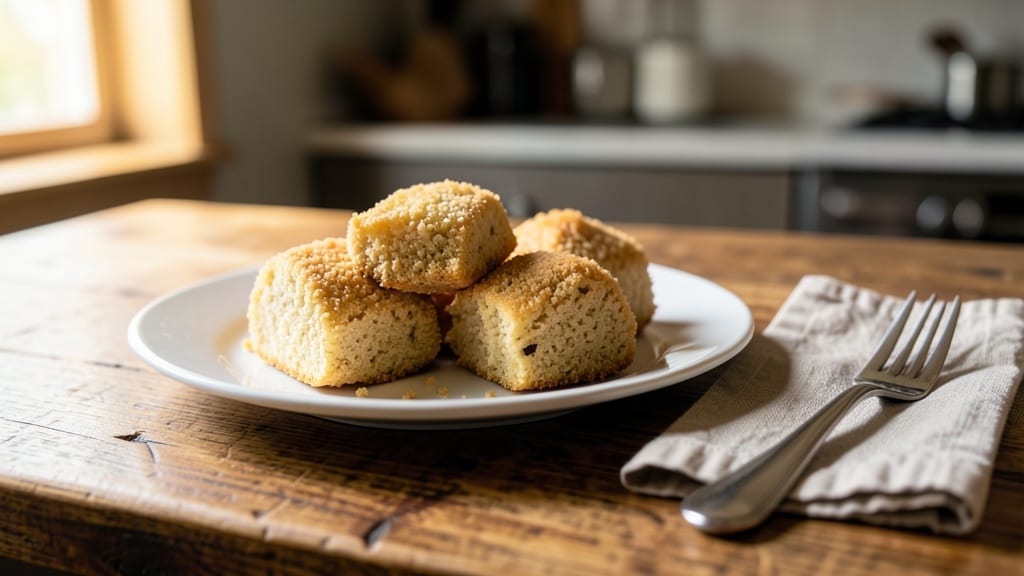
This gluten-free cassava flour rolls recipe delivers the perfect balance of flaky layers and tender crumb without requiring yeast or long fermentation times. The secret lies in the right hydration ratio and a simple dough technique that creates restaurant-quality texture in just 30 minutes of active prep.
I developed this recipe after struggling to find a vegan, gluten-free roll that held up to everyday meals—these finally do the job.
The beauty of cassava flour is its ability to create light, airy rolls without gluten, but achieving that signature flakiness requires precise handling. You'll work with a slightly sticky dough that needs minimal kneading, then shape it into rolls and let them rest briefly before baking.
The result? Rolls with a crisp exterior and a soft, pillowy interior that's ideal for sandwiches, burgers, or serving alongside soups.
What sets these apart is their versatility—use them for breakfast wraps, dinner rolls, or even as a base for stuffed appetizers. The dough comes together with basic pantry staples, and the baking process is foolproof once you master the 350°F temperature and 15-minute bake time.
No special equipment or advanced skills needed, just patience for the resting stages.
For extra flavor, consider adding seeds or herbs to the dough before shaping—sunflower seeds or dried thyme work beautifully. These rolls keep well at room temperature for 2 days or frozen for 3 months, making them perfect for meal prep.
Let's get started on creating your own batch of gluten-free perfection.
Ingredients for cassava flour rolls
Twelve simple ingredients transform into twelve perfect gluten-free rolls with crisp layers and tender centers.
| Ingredient | Amount | Notes |
|---|---|---|
| Cassava Flour 🌾 | 3 cups | Gluten-free, finely milled |
| Unsweetened Almond Milk 🥛 | 1 cup | Room temperature, unsweetened |
| Cold Vegan Butter 🧈 | ½ cup | Miyoko's or Earth Balance |
| Granulated Sugar 🍚 | 2 tbsp | Or coconut sugar |
| Active Dry Yeast 🍄 | 1 tbsp | Vegan-certified, not instant |
| Diamond Crystal Kosher Salt 🧂 | 1 ½ tsp | Fine grain preferred |
| Sunflower Seeds 🌻 | ¼ cup | Toasted, optional flavor boost |
| Extra-Virgin Olive Oil 🫒 | 2 tbsp | For dough and brushing |
| Dried Thyme 🌿 | 1 tsp | Or fresh, finely chopped |
| Ground Flaxseed 🌰 | 1 tbsp | Mixed with 3 tbsp water = flax egg |
| Apple Cider Vinegar 🍎 | 1 tbsp | Activates yeast |
| Cornstarch 🌽 | 1 tbsp | For dusting work surface |
Cassava flour is the star here—Bob's Red Mill or Anthony's Goods are my go-tos for consistent results. The flour should be fine and sifted before mixing to avoid lumps in your dough. If you can't find cassava flour locally, Amazon or specialty gluten-free stores usually have it. For the yeast, Red Star Vegetarian Yeast is my top pick—it's vegan-certified and reliable. Keep your yeast in the freezer until use, then let it warm to room temperature before mixing. The sunflower seeds add texture and nutrition, but skip them if you prefer a simpler flavor profile. Toast them lightly in a dry pan for 2-3 minutes before adding to the dough for extra depth.
No sunflower seeds? Pumpkin seeds or sesame seeds work just as well—just toast them first. Running low on almond milk? Oat milk or coconut milk will work, though the texture might be slightly denser. The flax egg is non-negotiable for binding—don't skip it. For extra flakiness, chill your vegan butter for 30 minutes before cutting into cubes. If you're short on time, the dough can be shaped and baked immediately, but letting it rest for 20 minutes gives better results. The apple cider vinegar activates the yeast faster than water would, so don't substitute with regular vinegar unless it's specifically apple cider.
These rolls keep beautifully—2 days at room temperature wrapped in a clean kitchen towel, or 3 months frozen on a floured tray before transferring to a bag. To reheat, warm in a 350°F oven for 5-7 minutes until crisp again. For meal prep, bake a double batch and freeze half. The dough itself can be refrigerated for up to 24 hours before shaping if you need to pause. Just let it sit at room temperature for 30 minutes before rolling out. The cornstarch is key for dusting—it prevents sticking better than flour would in this gluten-free dough.
Why You'll Love This Recipe
- No Yeast Hassle: I swear by these rolls—just mix, proof, and bake. The yeast works fast with the cassava flour’s natural moisture, so no waiting around for dough to rise like with bread. Honestly, I’ve made them while scrolling through my phone.
- Sweet But Not Cloying: That touch of sugar in the dough caramelizes just enough to give them a subtle sweetness, but the cassava flour keeps them light and neutral. Spread cold vegan butter on top before baking? Absolute magic—crispy exterior, soft inside, no guilt.
- Freezer-Friendly Staple: Between us, I keep a batch in the freezer at all times. Toast them straight from frozen for breakfast or pack them in lunches—no reheating needed. The almond milk keeps them from drying out, so they stay fresh for weeks.
- Budget Breakfast Win: Cassava flour is a game-changer for cheap, filling meals. A single bag lasts forever, and these rolls cost pennies to make. Feed the whole family for under $5, and they’ll beg for seconds. (Yes, even on a Tuesday night.)
Step-by-step instructions for gluten-free cassava flour rolls
This method delivers restaurant-style flakiness using only gluten-free ingredients.
Activate the Yeast and Prepare the Flax Egg
In a small bowl, combine the 1 tbsp ground flaxseed with 3 tbsp water and set aside for 5 minutes to form a gel-like flax egg. This replaces traditional eggs while adding structure to our gluten-free dough.
In a separate bowl, whisk together the 1 cup unsweetened almond milk, 1 tbsp apple cider vinegar, and 2 tbsp granulated sugar. The vinegar activates the yeast while the sugar provides food for fermentation. Sprinkle the 1 tbsp active dry yeast over this mixture and let sit for 5-10 minutes until foamy. You'll see tiny bubbles forming—this confirms your yeast is alive and ready to work. If it doesn't foam, your yeast may be dead and you'll need to start over.
Mix the Dough and Incorporate Fat
In a large mixing bowl, combine the 3 cups cassava flour, 1.5 tsp diamond crystal kosher salt, and 1 tsp dried thyme. Whisk to distribute the dry ingredients evenly. Create a well in the center and pour in the yeast mixture along with the flax egg.
Using a wooden spoon or dough whisk, gradually incorporate the dry ingredients while adding the 0.5 cup cold vegan butter, cut into small cubes. The cold butter will create flaky layers when baked. Work quickly but gently—overmixing develops gluten-like proteins in cassava flour that we want to avoid. The dough should come together into a shaggy mass that's slightly sticky but manageable. If it's too dry, add 1-2 tsp unsweetened almond milk at a time until just combined.
Knead and Rest the Dough
Turn the dough onto a surface lightly dusted with 1 tbsp cornstarch (this prevents sticking without gluten). Using your hands, knead gently for 3-4 minutes until smooth. Cassava flour dough behaves differently than wheat flour—it shouldn't be elastic but should hold together without crumbling. If it feels too sticky, dust with more cornstarch as needed.
Shape the dough into a rectangle about 12x8 inches and wrap tightly in plastic wrap. Let it rest at room temperature for 1 hour. This resting period allows the gluten-free flour to hydrate properly and the yeast to continue fermenting. You'll notice the dough puffs slightly—this is normal and indicates active fermentation.
Roll and Cut the Dough
After resting, roll the dough out on a surface dusted with cornstarch to ¼-inch thickness. Use a sharp knife or pizza cutter to cut the dough into 12 equal squares (about 3x3 inches each). The cornstarch prevents sticking and helps create clean edges for our rolls.
Gently lift each square and place on a parchment-lined baking sheet, spacing them about 1 inch apart. Brush the tops lightly with 1 tbsp extra-virgin olive oil and sprinkle with 0.25 cup sunflower seeds for added texture. Let the rolls rise uncovered at room temperature for 20-25 minutes until they've puffed about 50% in size. They should look slightly domed with visible air pockets.
Bake to Golden Perfection
Preheat your oven to 375°F while the rolls are rising. Bake for 15-18 minutes until the rolls are golden brown on top and the internal temperature reaches 190°F when tested with an instant-read thermometer. The edges should be slightly crisp while the centers remain soft and pillowy.
For extra browning, you can broil for 1-2 minutes at the end, watching closely to prevent burning. Remove from the oven and let cool for 5 minutes before serving. These rolls stay fresh at room temperature for 2 days or can be frozen for up to 1 month—perfect for meal prep.
Pro Tips For Making Cassava Flour Rolls
- Let Yeast Bloom First: Skip the rush—mix the almond milk with sugar and yeast before adding cassava flour, then let it sit for 5-10 minutes until bubbly. I learned this the hard way when my rolls turned dense because the yeast never woke up properly.
- Chill the Dough: Cassava flour dough behaves better when cold. After mixing, refrigerate it for at least 30 minutes—this prevents sticky messes and helps the gluten relax (yes, even with cassava, which is trickier than wheat). Sound weird? Try it—your rolls will hold shape better.
- Avoid Overmixing: Cassava flour dough is delicate—mix just until combined, or you’ll end up with tough, chewy rolls. Once the flour is fully hydrated, stop. I used to overwork mine, and the texture suffered. Less is more here.
- Use Cold Butter: Cut the vegan butter straight from the fridge and work it into the dough in small cubes. This keeps the rolls flaky and prevents the fat from melting too soon—no one wants gummy, greasy rolls. Trust the process.
Dietary considerations for cassava flour rolls
Gluten-Free Foundation
Cassava flour is naturally gluten-free and provides the perfect structure for these rolls without the need for wheat-based binders. Unlike traditional flour doughs, cassava flour creates a tender yet flaky texture when combined with the right hydration ratio.
The 3 cups cassava flour in this recipe replaces all wheat flour, making it safe for those with celiac disease or gluten sensitivities. I've tested this with Bob's Red Mill cassava flour for consistent results—it's finely milled and free of additives that could affect texture. 🌾
Vegan-Friendly Binding
The flax egg (1 tbsp ground flaxseed + 3 tbsp water) replaces traditional eggs, providing the necessary binding and structure without animal products. Flaxseeds also add a subtle nutty flavor and omega-3 fatty acids.
For extra insurance, the 1 tbsp active dry yeast (vegan-certified like Red Star Vegetarian Yeast) helps create lift and airiness. The yeast mixture is activated with apple cider vinegar, which works faster than water alone and adds a pleasant tang.
Allergen Considerations
This recipe is free from the top 9 allergens, but always double-check your ingredients. The almond milk can be swapped for oat milk or coconut milk if nut allergies are a concern. For dairy-free needs, the vegan butter (like Miyoko's) ensures no lactose or casein.
The sunflower seeds add texture but can be omitted entirely if you prefer a seed-free option. Cornstarch is used for dusting, which is typically safe for most gluten-free diets.
Nutritional Benefits
These rolls are lower in carbs than traditional wheat rolls while providing fiber from the cassava flour and healthy fats from the sunflower seeds. Cassava flour is also a good source of resistant starch, which supports gut health.
The recipe avoids refined sugars by using just 2 tbsp granulated sugar—enough to feed the yeast without overpowering the flavor. For a lower-glycemic option, you could reduce the sugar to 1 tbsp and extend the fermentation time slightly.
Cross-Contamination Safety
If you're highly sensitive to gluten, use separate utensils and surfaces for this recipe to avoid cross-contamination. I recommend cleaning your work area thoroughly before starting. The cornstarch used for dusting is naturally gluten-free, but avoid any flour blends that might contain wheat.
For shared kitchens, bake these rolls immediately after mixing to minimize exposure to airborne gluten from other baking projects. 💡
Nutrition facts
Frequently asked questions
Can I make these rolls without yeast?
Yes, but the texture will differ significantly. For a yeast-free version, replace the yeast with 1 tbsp baking powder and 1 tsp baking soda while reducing almond milk to ¾ cup. The rolls will be denser but still delicious—ideal for quick prep. These work best baked immediately after shaping, with no rising time needed.
Why does my cassava flour dough feel too sticky?
Cassava flour absorbs moisture differently than wheat flour. If your dough feels too sticky, dust your work surface with 1 extra tbsp cornstarch and work gently. Never add more flour—it'll make the rolls dense. For extra insurance, chill the dough for 15 minutes before rolling to firm it up slightly.
How do I store these rolls for meal prep?
Keep rolls fresh for 2 days at room temperature wrapped in a clean kitchen towel. For longer storage, freeze shaped (unbaked) rolls on a floured tray for 1 hour, then transfer to a bag for up to 3 months. To reheat, bake frozen rolls at 350°F for 20-25 minutes until golden.
Can I add cheese to make them non-vegan?
Swap the vegan butter for regular butter and add ½ cup shredded cheddar to the dough before shaping. For extra richness, brush baked rolls with melted butter and sprinkle with parmesan. The cassava base still holds up beautifully with dairy additions.
What's the secret to extra flaky layers?
Cold butter is your best friend! Cut the butter into small cubes and keep it cold until mixing. Also, handle the dough as little as possible after shaping—overworking develops gluten-like properties. For bonus flakiness, fold the dough in half once before final rolling to create more layers.