
Main Courses
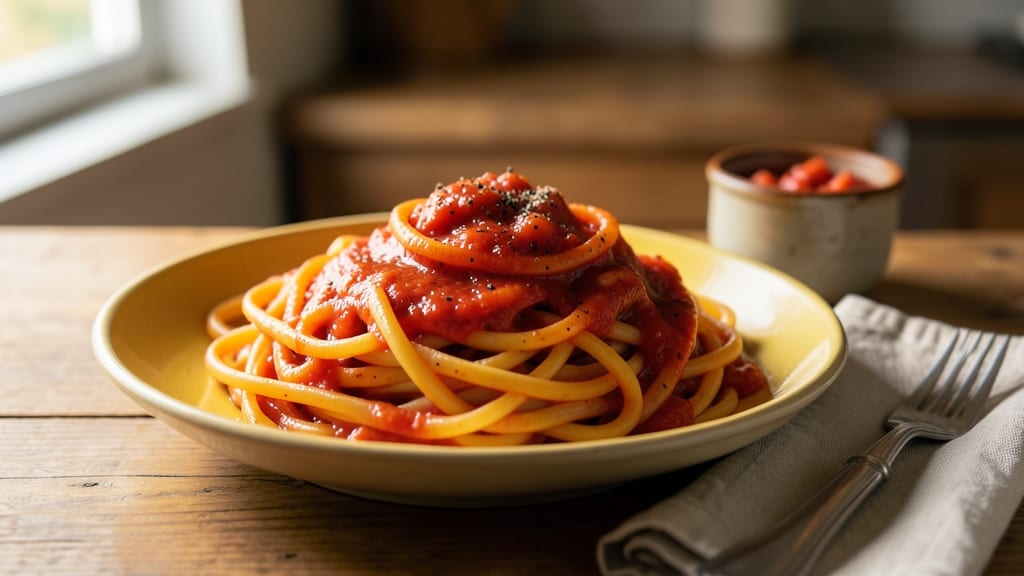
Mastering a chef's pasta recipe starts with two essential elements: perfectly al dente pasta and a rich, homemade sauce that elevates every bite. This recipe combines precise techniques—like timing pasta to the second and reducing sauce to a velvety consistency—with simple ingredients to create a restaurant-quality dish at home.
The secret lies in balancing texture and flavor, ensuring each component works in harmony.
What sets this recipe apart is the attention to detail in both the pasta and sauce preparation. You'll learn how to achieve the ideal al dente texture by testing pasta at the right moment, and how to build a sauce from scratch that's deeply flavorful without being overly complex.
The result is a dish that feels professional yet approachable, perfect for weeknight dinners or special occasions.
By the end, you'll have a plate of perfectly cooked pasta tossed in a sauce that clings beautifully, with a finish that includes fresh herbs and a sprinkle of cheese for that final touch of sophistication.
This isn't just another pasta recipe—it's a lesson in how small techniques can transform a simple dish into something extraordinary.
The beauty of this recipe is its versatility. You can adapt the sauce to your favorite ingredients, whether it's a classic tomato-based version or a creamy garlic-infused one.
Pair it with a simple side salad or crusty bread, and you've got a complete, satisfying meal that's sure to impress anyone at the table.
Ingredients for chef pasta
Twelve essential ingredients transform simple pasta into a chef-worthy masterpiece.
| Ingredient | Amount | Notes |
|---|---|---|
| Pasta (Spaghetti or Linguine) 🍝 | 12 oz | High-quality, dried preferred |
| Extra-Virgin Olive Oil 🫒 | ½ cup | High quality, fruity flavor |
| San Marzano Crushed Tomatoes 🍅 | 28 oz | Canned, no salt added |
| Garlic Cloves 🧄 | 4 cloves | Fresh, peeled and minced |
| Fresh Basil Leaves 🌿 | ½ cup | Packed, stems removed |
| Unsalted Butter 🧈 | 4 tbsp | Full-fat for richness |
| Parmesan Cheese 🧀 | ½ cup | Freshly grated from block |
| Heavy Cream 🥛 | ¼ cup | Full-fat for creaminess |
| Sea Salt 🧂 | 1 ½ tsp | Fine grain preferred |
| Ground Black Pepper 🌶️ | ½ tsp | Freshly ground preferred |
| Red Pepper Flakes 🌶️ | ¼ tsp | Adjust for heat preference |
| Freshly Ground Nutmeg 🌿 | ¼ tsp | Freshly grated for aroma |
| White Wine (Optional) 🍷 | ¼ cup | Dry, full-bodied preferred |
The quality of your tomatoes and cheese sets the foundation. San Marzano crushed tomatoes from Italy deliver that authentic sweetness and depth—look for the 28 oz can at specialty stores like Whole Foods or Eataly. For Parmesan, avoid pre-shredded; a wedge from Costco or a local deli grates fresh with maximum flavor. Fresh basil is non-negotiable here—Italian market basil has the most vibrant flavor. If you're using wine, Chianti or Sangiovese work perfectly, but any dry white will do in a pinch. The olive oil should be extra-virgin, with a peppery finish—California or Italian brands are ideal.
No San Marzano tomatoes? Whole peeled tomatoes crushed by hand work just as well. Short on basil? Dried basil at one-third the amount gets you close, but fresh is ideal. Substituting wine? White grape juice or chicken broth adds acidity without alcohol. For a richer sauce, swap heavy cream for whole milk, though it'll be slightly lighter. The pasta matters too—bronze-die spaghetti holds sauce better than smooth pasta. If you can't find it, any high-quality dried pasta will work. Always taste as you go; adjust salt and pepper to preference—this sauce should be bold but balanced.
Pasta sauce freezes beautifully—portion into ice cube trays for single servings. Keeps for up to 3 months in the freezer or 1 week in the fridge. For best texture, reheat gently on low heat with a splash of water or pasta water. Fresh basil wilts quickly; store it stem-down in a glass with water like flowers. The sauce improves overnight—make extra for leftovers that taste even better the next day. Always grate your own Parmesan; pre-shredded loses flavor fast.
Why You'll Love This Recipe
- No-Chop Needed: I swear by this—just crush the garlic, tear the basil, and toss it in. The San Marzano tomatoes do all the work for you, sweet and rich without a single seed to fish out.
- Garlic-Basil Magic: That first bite of al dente pasta with the tomatoes caramelizing into the olive oil? It’s like a hug in sauce form—bright, savory, and just salty enough to make you reach for more.
- Leftover Hero: Make a big batch Sunday, and you’ve got lunch Monday through Wednesday. The flavors only deepen overnight, and it reheats like a dream—no soggy pasta in sight.
- Pantry Staple Power: Five ingredients, zero fancy substitutions. If you’ve got olive oil and tomatoes, you’ve got dinner. Honestly, this is my “I forgot to grocery shop” go-to.
Step-by-step instructions for chef's pasta recipe
Here's the method for restaurant-quality pasta with a velvety tomato-basil sauce that clings perfectly.
Cook the Pasta to Al Dente Perfection
Bring a large pot of water to a rolling boil and add the 1.5 teaspoons sea salt. You want the water to taste like the ocean—this ensures properly seasoned pasta. Add the 12 oz pasta (spaghetti or linguine) and cook according to package directions, but remove it 1 minute before it reaches al dente. The pasta will finish cooking in the sauce, and this prevents it from becoming mushy.
Reserve 1 cup of pasta water before draining. This starchy liquid is essential for creating a silky sauce later. I always keep a measuring cup nearby so I don't forget this critical step. Drain the pasta but don't rinse it—the surface starch helps the sauce cling to each strand.
Build the Tomato-Basil Sauce Base
In a large skillet, heat 0.5 cup extra-virgin olive oil over medium heat. Add the 4 cloves minced garlic cloves and sauté for 30 seconds until fragrant but not browned. Here's where it gets important—garlic burns quickly, so keep an eye on it.
Pour in the 28 oz San Marzano crushed tomatoes and stir to combine. Add 0.25 teaspoon red pepper flakes and 0.25 teaspoon freshly ground nutmeg, then bring to a gentle simmer. Let the sauce cook uncovered for 10 minutes to allow the flavors to meld and the acidity to mellow slightly. You'll see the sauce reduce slightly and develop a deeper color.
Finish with Butter, Cream, and Parmesan
Reduce the heat to low and stir in the 4 tablespoons unsalted butter and 0.25 cup heavy cream. Let the mixture simmer gently for 3-4 minutes until the butter melts completely and the sauce becomes velvety smooth. The cream should create a luxurious texture without making the sauce too heavy.
Add the 0.5 cup freshly grated Parmesan cheese and 0.5 cup fresh basil leaves, stirring constantly until the cheese melts and the basil is wilted. If using the 0.25 cup white wine, pour it in now and simmer for 1 additional minute to allow the alcohol to cook off. Season with 0.5 teaspoon ground black pepper to taste.
Combine Pasta and Sauce
Add the drained pasta to the skillet and toss gently to coat evenly with the sauce. If the sauce seems too thick, add 2-3 tablespoons of reserved pasta water at a time until it reaches your desired consistency—it should cling lightly to the pasta without being watery. The sauce should coat the back of a spoon smoothly.
Let the pasta sit in the sauce for 1-2 minutes off the heat to allow the flavors to meld completely. This resting period ensures every bite is packed with rich, cohesive flavor. Serve immediately with additional freshly grated Parmesan cheese and fresh basil leaves on top for a touch of brightness.
Pro Tips For Making Chef Pasta
- CRUSH GARLIC FIRST: Mince those cloves before heating the oil—raw garlic burns faster than you’d think. I learned this the hard way after my kitchen smelled like a charred crime scene; now I keep a small bowl of minced garlic ready to go.
- SALT WATER LIKE THE SEA: Toss in pasta before the water boils, then crank the heat—you want a rolling boil and properly salted water (about 2 tablespoons per pound). Unsalted water tastes bland, and no one wants sad, mushy linguine.
- TOAST TOMATOES LOW: Simmer crushed tomatoes on low heat after garlic—high heat makes them bitter. My grandmother swore by this, and she was right: let them mellow for 10-15 minutes, stirring occasionally, until they thicken just enough to coat the back of a spoon.
- STIR IN BASIL LAST: Tear basil leaves (don’t chop—it turns to sludge) and fold them in after the pasta’s done. Heat kills flavor, and you don’t want that bright, fresh punch drowned in a sauce pot. Toss it in when the pan’s off the heat—trust me, it makes a real difference.
Pro cooking tips for perfect results
Pasta Timing Secrets
Cooking pasta 1 minute before al dente ensures it finishes perfectly in the sauce. I always taste-test by biting a strand—it should have a slight bite but still be tender.
The 1 cup reserved pasta water is your secret weapon for adjusting sauce consistency later. Never rinse pasta—surface starch is what makes the sauce cling beautifully. 🍝
Sauce Reduction Mastery
Simmer the tomato base uncovered for 10 minutes to reduce acidity and concentrate flavors. This is where the magic happens—let the sauce bubble gently until it thickens slightly.
I use a 10-inch cast iron skillet for even heat distribution. If the sauce gets too thick, add 1-2 tablespoons pasta water to loosen it.
Garlic Timing Matters
Sauté 4 cloves minced garlic for exactly 30 seconds over medium heat—any longer and it burns, turning bitter. I keep a timer handy to avoid overcooking. The garlic should smell fragrant but remain pale gold. This foundational step carries through the entire dish, so don't rush it. 🧄
Butter-Cream Finish
Adding 4 tbsp butter and ¼ cup heavy cream at low heat creates an ultra-silky texture. The butter should melt completely before adding cheese. I stir constantly to prevent curdling. For extra richness, add 1 tbsp cold butter at the very end for a luxurious sheen.
This is where home cooks often make mistakes—rushing this step ruins the sauce's velvety quality.
Parmesan Technique
Use only freshly grated Parmesan—pre-shredded contains anti-caking agents that make the sauce grainy. I grate ½ cup directly over the sauce while stirring constantly. The cheese should melt completely before combining with pasta. For extra flavor, add ½ tsp lemon zest along with the Parmesan. 🧀
Final Resting Stage
Let the pasta sit in the sauce off heat for 1-2 minutes before serving. This resting period allows flavors to meld completely. I always plate immediately after this step to maintain perfect texture.
For extra presentation, garnish with fresh basil leaves and a sprinkle of flaky sea salt. The sauce should coat the back of a spoon smoothly—this is your quality check. ✨
Nutrition facts
Frequently asked questions
Why does my homemade pasta sauce separate from the noodles?
This usually happens when you rinse the pasta or don't reserve enough starchy pasta water. The surface starch acts as a glue—always drain without rinsing and keep 1 cup pasta water handy to loosen thick sauces. For extra cling, toss the pasta with 1 tablespoon butter before adding sauce.
Can I make this sauce ahead of time?
The sauce actually improves overnight. Let it cool completely, then store in an airtight container in the fridge for up to 3 days or freeze for 3 months. Reheat gently on low heat with a splash of water or pasta water to restore silky texture. The flavors meld beautifully during storage.
What's the best pasta shape for this sauce?
While spaghetti and linguine work perfectly, try fettuccine or pappardelle for wider surface area to catch the sauce. For heartier options, rigatoni or penne hold sauce well in their crevices. Just reduce cooking time by 1 minute since they finish in the sauce too.
How do I fix overcooked pasta?
If your pasta is mushy, don't panic! Toss it with 1 tablespoon butter and 2 tablespoons heavy cream while hot to create a creamy texture. Add ½ cup grated Parmesan and 2 tablespoons reserved pasta water to make a quick alfredo-style sauce. The richness will mask the overcooked texture.
Can I substitute the wine in this recipe?
Yes! For equal acidity, use ¼ cup white grape juice or ¼ cup chicken broth. If you prefer no alcohol at all, add 1 teaspoon lemon juice along with the wine ingredients. The key is balancing acidity—this prevents the sauce from tasting flat.