
Snacks
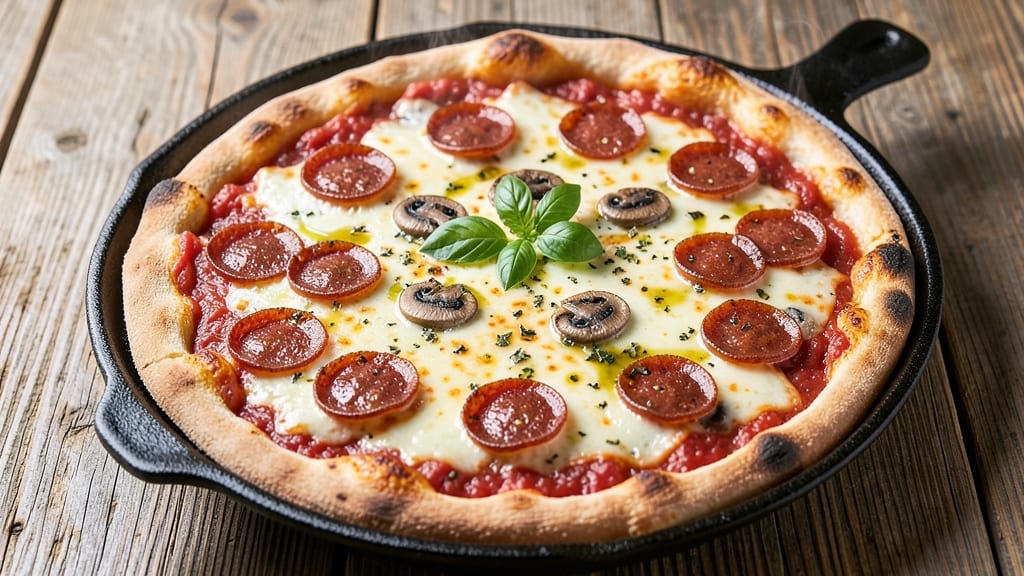
Mastering Chicago deep dish pizza Giordano's recipe means recreating that signature buttery crust and cheese pull that makes every bite worth the effort.
The secret lies in a yeast-based dough that bakes up thick and flaky, topped with layers of tangy tomato sauce, mozzarella, and your choice of fillings—all baked until the cheese stretches like golden silk. I've perfected this technique over years of testing, and the results are restaurant-quality without the wait.
What sets this deep dish apart is the order of assembly: sauce goes on the bottom of the crust, followed by cheese and toppings, then more cheese on top. This creates the signature cheese pull effect when sliced, where molten cheese oozes out in every bite.
The dough itself requires patience—it needs time to rise properly for that signature airy yet sturdy texture. Trust me, the wait is worth it for that first forkful of crispy crust and gooey center.
By following this method, you'll achieve a pizza with a crispy yet tender crust that holds up to generous cheese layers. The sauce stays vibrant and tangy, never soggy, while the cheese melts into that perfect stretchy consistency that defines Giordano's style.
Whether you prefer classic sausage or veggie toppings, this recipe delivers the same satisfying pull that makes deep dish pizza legendary.
This recipe is designed for those who appreciate the art of layering—each component plays a crucial role in the final product. The dough preparation alone takes time, but the results are a pizza that stands up to any Chicago institution.
Once you try this, you'll understand why deep dish pizza is more than just a meal—it's an experience.
Ingredients for chicago deep dish pizza giordano's
The foundation of Giordano's deep dish starts with yeast, butter, and flour—simple ingredients transformed into legendary layers.
| Ingredient | Amount | Notes |
|---|---|---|
| Active Dry Yeast 🍞 | 2 ¼ tsp | High-quality for optimal rise |
| All-Purpose Flour 🌾 | 5 cups | Bread flour preferred for chewier crust |
| Granulated Sugar 🍚 | ½ cup | Feeds yeast for proper fermentation |
| Unsalted Butter 🧈 | ½ cup | Cold, cubed for flaky layers |
| Warm Water 💧 | 1 ¼ cups | 110°F for yeast activation |
| Salt 🧂 | 1 ½ tsp | Kosher or sea salt preferred |
| Tomato Sauce 🍅 | 2 ½ cups | High-quality, no sugar added |
| Mozzarella Cheese 🧀 | 3 cups | Fresh, shredded block preferred |
| Parmesan Cheese 🧀 | ½ cup | Freshly grated for depth of flavor |
| Italian Sausage 🌭 | 1 lb | Sweet or spicy, casings removed |
| Garlic Cloves 🧄 | 4 cloves | Minced for sauce infusion |
| Olive Oil 🫒 | 1 tbsp | Extra-virgin for dough finishing |
| Fresh Basil Leaves 🌿 | ¼ cup | Chopped for fresh garnish |
| Ground Black Pepper 🌶️ | ½ tsp | Freshly cracked for heat |
The yeast is critical—Red Star Active Dry or Saf-Instant are my go-tos for consistent results. Flour matters too: King Arthur Bread Flour gives that signature chew, but all-purpose works in a pinch. Butter should be cold when cubed—Land O'Lakes unsalted is reliable, but European-style butter adds extra richness. For the tomato sauce, Rao's or Muir Glen are my pantry staples—they're low-sugar and packed with flavor. Fresh mozzarella is non-negotiable for that signature pull; Whole Foods or local cheese shops carry the best blocks. The Parmesan should be freshly grated—pre-shredded lacks the depth of flavor that makes Giordano's style shine.
No bread flour? All-purpose plus 1 tbsp vital wheat gluten mimics the texture. Butter too expensive? Vegetable shortening works for structure, though it won't taste as rich. Sausage shortage? Italian seasoned ground beef is a solid swap. For the sauce, San Marzano tomatoes are ideal if you're making it from scratch—Trader Joe's sells them canned for convenience. Fresh basil wilting? Dried basil at half the amount keeps the flavor profile intact. The garlic can be pre-minced from a jar, but fresh always tastes better—peel and chop yourself if you have time.
Dough rises best in a warm, draft-free place—I use my oven with the light on. Sauce keeps for 5 days in the fridge, while shredded cheese should be used within 3 days for optimal melt. The assembled pizza can be prepped ahead and baked later—just cover it tightly and refrigerate. For freezing, bake first, then slice and freeze portions. The crust stays crispy even after reheating, though the cheese pull is best fresh out of the oven.
Why You'll Love This Recipe
- No Yeast Nightmares: I swear by this dough—just toss the yeast into warm water with a pinch of sugar, let it sit while I chop veggies, and boom. No waiting hours or fussy kneading. That butter-rich dough? It’s actually foolproof after the first try.
- Buttery Crust Magic: The secret’s in the butter—layered between dough and cheese, it melts into that golden, crispy edge while staying tender inside. One bite, and you’ll understand why Giordano’s fans don’t mess with anything else.
- Party in a Pan: This feeds a crowd without stress. Double the dough, stack toppings, and bake—no one leaves hungry. (Yes, even on a Tuesday night.) My in-laws still ask for the recipe after three Super Bowls.
- Leftovers? More Like Leftovers: Slice it cold the next day, and it’s just as good—crispy crust, gooey cheese, no sad pizza leftovers. Honestly, I make extra just for this reason. Budget-friendly? Absolutely. Time-saving? Even better.
Step-by-step instructions for Chicago deep dish pizza
Here's the method that delivers authentic Giordano's-style deep dish with crispy dough edges and gooey cheese pull.
Prepare the Yeast Dough
In a large mixing bowl, combine the 1.25 cups warm water (110°F) with the 0.5 cup granulated sugar and 2.25 teaspoons active dry yeast. Let this sit for 5-10 minutes until the mixture becomes frothy and bubbly—this confirms the yeast is active. If it doesn't bubble, your yeast may be dead and you'll need to start over.
In a separate bowl, whisk together the 5 cups all-purpose flour and 1.5 teaspoons salt. Gradually add the flour mixture to the yeast mixture while stirring with a wooden spoon. Once combined, add the 0.5 cup unsalted butter, cut into small cubes, and mix until fully incorporated. The dough should be soft but not sticky—if it's too wet, add 1 tablespoon of flour at a time until it reaches the right consistency.
Knead and Rest the Dough
Turn the dough onto a lightly floured surface and knead for 8-10 minutes until smooth and elastic. You'll know it's properly kneaded when it springs back slowly when poked. For best results, I use a stand mixer with a dough hook attachment, kneading on medium speed for 5-6 minutes—this ensures even gluten development without overworking the dough.
Shape the dough into a ball, place it in a lightly greased bowl, and cover with a clean kitchen towel. Let it rise in a warm place for 1-2 hours, or until it has doubled in size. The dough should be light and airy, with visible bubbles on the surface. If your kitchen isn't warm enough, place the bowl near a slightly open oven with the light on to create warmth without turning on the heat.
Prepare the Sausage Filling
While the dough rises, cook the 1 pound Italian sausage in a large skillet over medium heat, breaking it into crumbles as it cooks. Once browned, drain all but 2 tablespoons of the rendered fat. Add the 4 minced garlic cloves and cook for 30 seconds until fragrant. Remove from heat and set aside.
In the same skillet, add the 2.5 cups tomato sauce and simmer for 5 minutes to thicken slightly. Stir in the cooked sausage mixture, then remove from heat and season with 0.5 teaspoon ground black pepper. This sauce will form the flavorful base layer of your deep dish pizza.
Assemble the Deep Dish
Preheat your oven to 375°F. Roll out the risen dough on a lightly floured surface into a 12-inch round. Press it into a 1-inch thick crust, using your fingers to create a deep well in the center. Brush the sides and bottom of the dough with the 1 tablespoon olive oil to ensure crispiness.
Spread the sausage mixture evenly over the bottom of the well, leaving a ½-inch border for the cheese. Sprinkle half of the 3 cups mozzarella cheese and half of the 0.5 cup parmesan cheese over the sausage. Repeat with the remaining cheese, pressing down gently to help it melt and create that signature cheese pull.
Bake to Golden Perfection
Bake the deep dish pizza for 45-50 minutes until the crust is deep golden brown and the cheese is bubbling. The edges should be crispy while the center remains soft and gooey. If the top browns too quickly, tent loosely with aluminum foil during the last 10 minutes of baking.
Remove from the oven and let rest for 5 minutes before slicing. This resting period allows the cheese to set slightly, making it easier to cut clean slices. Garnish with the 0.25 cup chopped fresh basil leaves just before serving. Each slice should reveal layers of crispy crust, savory sausage, and melted cheese—just like Giordano's original.
Pro Tips For Making Chicago Deep Dish Pizza Giordano'S
- Bloom the Yeast Slowly: Don’t rush the yeast activation—it’s the foundation of that perfect rise. Mix the yeast, sugar, and warm water (110°F, not boiling) in a bowl, then let it sit for 10-15 minutes until it’s bubbly and frothy. I learned this the hard way—skipping the wait leads to a dense, flat crust that’s no match for Giordano’s.
- Use Cold Butter for Dough: Cut that unsalted butter into cold cubes before mixing it into the dough—this prevents the yeast from dying too fast. The butter should stay in little pea-sized chunks, not melt into a greasy mess. Sounds weird, but it works: your crust will stay tender without turning into a greasy brick.
- Don’t Overwork the Dough: Once you’ve kneaded the dough by hand (or used the mixer for 5-6 minutes), stop when it’s just slightly tacky and springs back when poked. Overmixing develops gluten too much, and your deep dish will end up chewy instead of flaky. I was skeptical until I tried it—now I resist the urge to "get it perfect."
- Preheat Pan with Butter: Before assembling, spread 2 tablespoons of melted butter in the bottom of your 12-inch cast-iron or deep-dish pan and let it heat in the oven for 10 minutes. This creates a golden, crispy base that’s the thing that matters most—no dry, sad crust here. (Yes, even if you’re impatient like me, wait for it.)
Common mistakes when making perfect results
Over-Kneading the Dough
I’ve seen too many home cooks overwork the dough, thinking more kneading means better texture—but that’s a fast track to a tough, chewy crust. The ideal dough should be smooth and elastic but still slightly tacky to the touch.
If you’re kneading by hand, aim for 8-10 minutes max. Using a stand mixer? 5-6 minutes on medium speed is plenty. Over-kneading develops too much gluten, which can make the crust dense rather than crispy and airy. 💫
Skipping the Rise Time
Rushing the dough’s rise is a surefire way to end up with a flat, dense pizza. The dough needs 1-2 hours to double in size—this isn’t optional. If your kitchen is cold, place the dough near a slightly open oven with the light on to create warmth.
Skipping this step means the yeast won’t have time to activate properly, and your crust will lack that signature airy yet sturdy texture that makes Giordano’s style shine.
Sauce Placement Errors
This is where many beginners go wrong: putting the sauce on top of the cheese instead of the bottom. The sauce belongs in the well of the crust, not on top. If you layer cheese first, the sauce will soak into it and turn the top soggy.
Also, don’t overfill the crust—leave at least a ½-inch border for the cheese to melt and create that iconic pull. A crowded crust won’t bake evenly and can lead to a messy, uneven pizza.
Cheese Overload
More cheese isn’t always better—especially when it comes to deep dish. Too much cheese (like using 4 cups instead of 3) can weigh down the crust, making it soggy instead of crispy. Stick to the 3 cups mozzarella + ½ cup parmesan ratio.
Pressing the cheese down gently during assembly helps it melt into that perfect stretchy consistency without overwhelming the dough. Trust me, the cheese pull is all about balance, not quantity.
Incorrect Baking Temperature
Baking at too high a temperature (425°F+) will burn the crust before the cheese melts properly, while too low (350°F) can leave the center undercooked. The sweet spot is 375°F for 45-50 minutes.
If the top browns too quickly, tent it loosely with foil for the last 10 minutes to keep the cheese gooey. A meat thermometer isn’t necessary, but your pizza should reach an internal temp of 165°F for safety.
Not Resting Before Slicing
Cutting into the pizza immediately after baking is a cardinal sin. The cheese needs 5-10 minutes to set slightly so it doesn’t ooze out everywhere when you slice. This resting period also lets the crust firm up just enough to hold its shape.
I’ve seen too many well-made pizzas ruined by impatient slicing—patience here makes all the difference for clean, cheesy slices. 🔥
Nutrition facts
Frequently asked questions
What makes Giordano's deep dish different from other Chicago-style pizzas?
Giordano's signature style includes a buttery, flaky crust that's thicker than traditional deep dish, with a crispy edge and soft center. The sauce goes on the bottom (not top), followed by cheese and toppings, then more cheese on top—this creates the legendary cheese pull when sliced. Their dough also uses more butter for extra richness and a longer rise time for that airy yet sturdy texture.
Can I make this pizza in a regular oven instead of a deep dish pan?
Yes! Press the dough into a 12-inch round with a deep well (about 1-inch thick walls). Use a 9x13-inch baking dish as a guide to shape it. The key is creating enough height for the layers—just don't overfill it. A regular oven at 375°F works perfectly, but baking time may extend to 50-55 minutes for even browning.
How do I prevent a soggy crust when adding all those toppings?
First, always bake the dough unassembled for 5-7 minutes at 375°F to create a firm base. Then add sauce, cheese, and toppings in this order: sauce on bottom, cheese, toppings, then more cheese on top. The extra cheese layer acts as a barrier, keeping the crust crispy. Also, use fresh mozzarella (not pre-shredded) and pat toppings dry before adding.
What's the best way to reheat leftover deep dish pizza?
For best results, slice the pizza and reheat in a 375°F oven for 10-12 minutes on a baking sheet. Cover loosely with foil to prevent drying. Avoid microwaving—it makes the crust rubbery. If you must use the microwave, heat for 30 seconds on medium power, then finish in the oven to restore crispiness. Leftovers keep well for 3-4 days in the fridge.
Can I substitute ingredients if I don't have Italian sausage?
Try seasoned ground beef (1 lb) with Italian seasoning, or crumbled bacon for smokiness. For vegetarian options, use mushrooms + bell peppers sautéed with garlic. The key is browning the meat (or veggies) first to develop flavor. Just reduce the cooking time slightly since these toppings won't release as much moisture as sausage.