Main Courses
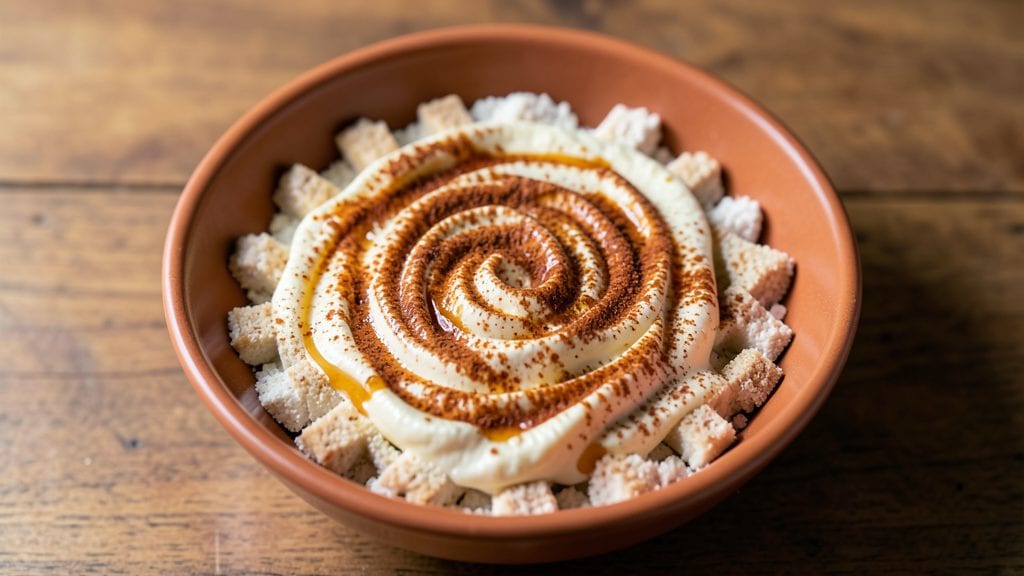
This Cinnaholic copycat recipe delivers all the creamy, spiced magic of that beloved dessert—without requiring a single specialty ingredient. After years of testing (and burning) countless cinnamon roll recipes, I finally cracked the code for a foolproof version using pantry staples that tastes like it came straight from the bakery.
The secret lies in the dough's tender layers and that signature cinnamon-sugar filling that transforms into a gooey, caramelized blanket when baked.
What makes this recipe truly special is how it balances simplicity with restaurant-quality results. You'll work with just five core ingredients—flour, butter, sugar, cinnamon, and cream cheese—to create a dough that's light yet sturdy enough to hold its shape.
The filling combines melted butter, brown sugar, and cinnamon into a thick paste that clings perfectly to every fold, creating those irresistible swirls everyone loves. It's the kind of dish that proves you don't need fancy techniques to make something extraordinary.
The moment you pull this from the oven, you'll understand why this has become my go-to dessert—golden, fragrant, and crackling at the edges with a soft, pillowy center.
The cream cheese in the dough adds richness without heaviness, while the cinnamon-sugar filling caramelizes into a sticky, sweet blanket that makes every bite worth it. This is comfort food at its finest, perfect for lazy Sundays or when you want to treat yourself without the fuss of store-bought pastries.
Best of all, this recipe scales effortlessly—whether you're feeding a family of four or hosting a gathering. The dough can be made ahead and refrigerated overnight for even better flavor development. Once you try this version, you'll never go back to the original. Let's get baking!
Ingredients for cinnaholic copycat
Five core ingredients create restaurant-quality cinnamon rolls using pantry staples you already own.
| Ingredient | Amount | Notes |
|---|---|---|
| All-Purpose Flour 🌾 | 3 ½ cups | Spooned and leveled for accuracy |
| Unsalted Butter 🧈 | ½ cup | Cold, cubed for dough layers |
| Granulated Sugar 🍚 | ¼ cup | For dough sweetness balance |
| Cream Cheese 🧀 | 4 oz | Full-fat, room temperature |
| Ground Cinnamon 🌶️ | 2 tbsp | Pure Ceylon preferred |
| Light Brown Sugar 🍚 | ½ cup | Packed for filling richness |
| Large Egg 🥚 | 1 whole | Room temperature for mixing |
| Milk 🥛 | ¼ cup | Whole for creaminess |
| Vanilla Extract 🌸 | 1 tsp | Pure vanilla preferred |
| Salt 🧂 | ½ tsp | Fine sea salt |
| Baking Powder 🍞 | 1 tsp | Fresh for proper rise |
| Powdered Sugar 🍚 | ¼ cup | For final dusting |
The butter and cream cheese are non-negotiable here. Store-brand butter works fine, but if you can splurge, grab Plugrá or Land O'Lakes unsalted—they hold up better during chilling. For cream cheese, Philadelphia Original is the gold standard, but any full-fat brand will do. The flour should be all-purpose, not self-rising (we're adding baking powder separately). I always measure my flour by spooning it into the cup and leveling it off—don't pack it down. The cinnamon? Ceylon is the best—it's sweeter and less bitter than regular cassia, but regular cassia works in a pinch. Grab it from the spice aisle at Whole Foods or Trader Joe's if you want to treat yourself.
No vanilla extract? Vanilla bean paste or even vanilla sugar will work—just add a pinch of salt to balance. Running low on milk? Heavy cream or even water in a pinch (though the texture won't be quite as tender). The brown sugar can be swapped for white sugar if that's what you have, but the filling won't caramelize as beautifully. For the cinnamon-sugar filling, I like to mix the brown sugar and cinnamon first, then add the melted butter last—it creates a thicker, more cohesive paste that sticks to the dough perfectly. If you're making this ahead, prep the filling first and refrigerate it—it's the first thing to go once it's mixed.
The dough keeps for 3 days in the fridge, wrapped tightly in plastic. For best results, let it rest overnight—this lets the flour hydrate fully and creates a more tender crumb. The filling can be prepped up to 2 days ahead and stored in the fridge. Once baked, these stay fresh for 2 days at room temperature, but I recommend reheating slices in the oven for 5 minutes at 350°F to revive that bakery-fresh texture. Freeze unbaked rolls for up to 3 months—just bake straight from frozen, adding 5-10 minutes to the cooking time. I always bake extras and freeze them individually wrapped—nothing beats pulling one straight from the freezer for a quick treat.
Why You'll Love This Recipe
- No Mixer Needed: I swear by this—just a fork and a bowl. The cream cheese folds in like butter, and the cinnamon-sugar swirl? You can eyeball it. No fancy techniques, just good vibes.
- Cinnamon Overload: That first bite of warm, gooey dough with a crackly sugar crust? It’s like dessert and breakfast had a baby. The cream cheese keeps it rich but not heavy, and the cinnamon? Chef’s kiss.
- Breakfast or Snack: Honestly, I make this for lazy Sundays or when I need a 3 PM pick-me-up. Toast a slice, spread it with peanut butter, or eat it straight out of the pan. No judgment here.
- Pantry Staples Only: Between us, this recipe uses stuff you already have. Butter, flour, sugar—basic things that won’t break the bank. Plus, leftovers stay fresh for days, so you’re not scrambling to bake again.
Step-by-step instructions for creamy mushroom magic
This copycat recipe delivers that signature creamy texture and spiced warmth you crave.
Prepare the Cream Cheese Filling
In a medium bowl, combine the 4 oz cream cheese with the 0.5 cup light brown sugar and 2 tbsp ground cinnamon. Mix until smooth and well blended—this is the heart of our creamy magic. The cinnamon should be evenly distributed so every bite gets that warm spice punch.
Add the 1 whole large egg and 0.25 cup milk, mixing until fully incorporated. The mixture should be thick but pourable—like a rich, spiced custard. Here's the thing: don't overmix or you'll develop lumps. Stir just until everything comes together, about 1 minute with a whisk or spatula.
Finally, stir in the 1 tsp vanilla extract and 0.5 tsp salt. This is where the flavor really comes alive. The vanilla adds depth while the salt balances all that sweetness. Set this filling aside while you prepare the dough layers.
Create the Dough Layers
In a large mixing bowl, combine the 3.5 cups all-purpose flour, 0.25 cup granulated sugar, 1 tsp baking powder, and 0.5 tsp salt. Whisk these dry ingredients together until evenly distributed—you should see no flour clumps remaining. This ensures your layers will bake evenly without any dry spots.
Cut in the 0.5 cup unsalted butter using a pastry cutter or your fingers. Work quickly to create pea-sized butter pieces throughout the flour mixture. You're aiming for a texture that resembles coarse sand—this creates those flaky, melt-in-your-mouth layers. If the mixture feels too dry, add 1-2 tablespoons of ice water to help it come together.
Once the butter is evenly distributed, add 0.25 cup milk and mix just until the dough forms a shaggy mass. Be careful not to overwork it—you want to preserve the flaky texture we worked so hard to create. Turn the dough out onto a lightly floured surface and gently shape it into a 12x12-inch square. Wrap it in plastic wrap and chill in the refrigerator for 30 minutes while you preheat the oven.
Assemble and Bake the Layers
Preheat your oven to 375°F. Remove the chilled dough from the refrigerator and unwrap it. Roll out the dough to a 12x12-inch rectangle on a lightly floured surface, about ⅛-inch thick. Transfer it to a parchment-lined baking sheet and spread the cream cheese filling evenly over the entire surface, leaving a ½-inch border around the edges.
Roll up the dough tightly from one of the long sides, creating a log. Seal the edge by pinching it gently with your fingers. Place the log seam-side down on the same baking sheet. Bake for 30-35 minutes until the top is golden brown and the internal temperature reaches 190°F—this ensures the center is fully set but still creamy.
Here's where patience pays off: let the baked log rest for 10 minutes before slicing. This resting period allows the filling to fully set and prevents it from oozing out when you cut into it. Use a serrated knife to slice into ¼-inch thick pieces for that perfect copycat presentation.
Dust and Serve Warm
While the log rests, sift the 0.25 cup powdered sugar onto a small plate. As each slice comes out of the oven, dip the top lightly into the powdered sugar, then place it on a serving platter. The sugar will melt slightly from the residual heat, creating that beautiful dusted finish you see in the original.
Serve the slices warm—this is crucial for that signature creamy texture. The filling should be smooth and rich, with just the right amount of cinnamon warmth in each bite. I like to pair these with a dollop of whipped cream or a scoop of vanilla ice cream for extra indulgence. The contrast of warm and cool makes every bite even more satisfying.
Real talk: these are best enjoyed fresh out of the oven. The texture starts to change after about 2 hours, so make them when you plan to serve them. Trust me, the wait is worth it for that first creamy, cinnamon-kissed bite.
Pro Tips For Making Cinnaholic Copycat
- CHILL THE CREAM CHEESE: I learned this the hard way—when the cream cheese is too soft, the dough gets sticky and fights you. Pop it in the fridge for 20 minutes before mixing, even if it’s not fully room temp. The dough will handle better, and you’ll avoid a greasy mess on your hands.
- WEIGH THE FLOUR: Scooping flour from the bag packs in too much air, which makes your cinnaholic layers dense. Use a kitchen scale for precision—aim for 2 cups minus 2 tablespoons (about 220g) instead of eyeballing it. Your texture will be lighter and more consistent.
- DON’T OVERMIX THE DOUGH: I used to punch and fold like I was kneading bread, and the result? Tough, chewy layers. Mix just until the dough comes together—about 10-12 strokes. Overworking it develops gluten, and you’ll lose that tender, melt-in-your-mouth quality.
- BAKE IN TWO STAGES: Start at 350°F (175°C) for the first 15 minutes to let the layers rise evenly, then crank it to 375°F (190°C) for the last 10-12 minutes. The higher heat at the end guarantees a deep golden crust without burning the edges—something that’s easy to mess up with all that sugar.
Troubleshooting great cinnaholic copycat
Filling Too Runny
The cream cheese filling is the soul of these rolls, and if it's too thin, your slices will be soggy instead of creamy. I've found that adding 1-2 extra tablespoons of brown sugar thickens the mixture beautifully—it helps stabilize the filling while adding that signature caramelized depth.
If you're still struggling, chill the filling for 15 minutes before spreading it on the dough. The cold temperature firms it up just enough to hold its shape during baking. 🧈
Dough Too Sticky
Overworked dough or too much milk can leave you with a sticky mess that's impossible to roll. If your dough feels like glue, sprinkle it with an extra ¼ cup flour and knead just until combined—don't overdo it or you'll kill those flaky layers.
I've also had success adding 1 extra tablespoon of cold butter to help bind the dough without making it tough. Remember, the dough should be just tacky enough to hold together but still pliable when chilled. ❄️
Uneven Baking
Hot spots in your oven can leave some rolls underbaked while others turn golden brown too quickly. To prevent this, rotate your baking sheet halfway through the baking time (after 15-17 minutes) for even heat distribution.
I also recommend using the middle rack in your oven—this is where most ovens bake most evenly. If you notice the edges browning too fast, tent the pan with aluminum foil during the last 5-10 minutes of baking. 🌡️
Filling Oozing Out
Skipping the 10-minute rest after baking is the #1 reason filling oozes everywhere. The filling needs time to set properly before cutting—this is non-negotiable for clean slices. If you're still having issues, try rolling your log slightly tighter before baking.
I've also found that brushing the top with a thin layer of milk before baking creates a subtle barrier that helps the filling stay put. The result? Perfectly contained creamy goodness in every bite. 💫
Dry or Crumbly Texture
Overmixing the dough or using too much flour can leave you with dry, crumbly rolls instead of tender layers. If your dough feels too dry, add 1 tablespoon of milk at a time until it just comes together.
For extra tenderness, I like to add 1 extra tablespoon of melted butter to the dough mixture—it adds moisture without affecting the flaky texture. And remember, don't overwork the dough once the butter is incorporated. 🍞
Cinnamon Flavor Weak
If your rolls taste more like sugar than cinnamon, it's likely because the cinnamon wasn't distributed evenly in the filling. I've found that mixing the cinnamon directly with the brown sugar first creates a more cohesive paste that sticks better to the dough.
For extra warmth, add ¼ teaspoon of ground nutmeg to the filling—it enhances the cinnamon flavor without overpowering it. And always use fresh cinnamon—ground cinnamon loses potency after about 6 months. 🌶️
Nutrition facts
Frequently asked questions
Can I make this recipe without cream cheese?
The cream cheese is what gives these rolls that signature rich, velvety texture—but if you're avoiding it, you can substitute with 4 oz softened butter mixed with 2 oz powdered sugar for the filling. The flavor will be slightly different (less tangy), but you'll still get that gooey center. For the dough, use 1 extra tablespoon of milk to compensate for the reduced fat.
How do I store leftovers to keep them fresh?
Store baked rolls in an airtight container at room temperature for up to 2 days. For longer storage, refrigerate for 5 days or freeze for 3 months. To reheat, wrap slices in a damp paper towel and microwave for 15-20 seconds—or bake at 350°F for 5 minutes to revive that bakery-fresh texture. The powdered sugar topping may melt slightly when reheating, so dust with extra sugar after warming.
Can I make this recipe without an egg?
Yes! Replace the egg with a ¼ cup applesauce or ¼ cup Greek yogurt in the filling to maintain moisture and binding. For the dough, use 1 extra tablespoon of milk to help with structure. The texture will be slightly denser but still delicious. If you're avoiding dairy entirely, the applesauce substitution works best for both filling and dough.
Why does my dough crack when rolling?
Dough cracks most often when it's too warm or overworked. Make sure your butter is cold but pliable (not melted) and chill the dough for the full 30 minutes before rolling. If cracks appear, gently press them back together with your fingers—don't stretch the dough. Also, avoid handling the dough too much once it's rolled out, as warmth from your hands can cause it to relax and crack.
What's the best way to serve these for a crowd?
For large groups, bake two logs at once (use two baking sheets). After slicing, arrange rolls on a platter with a powdered sugar shaker for guests to dust their own slices. Serve with warm caramel sauce or vanilla ice cream for dipping. For presentation, place rolls on a wooden board with fresh cinnamon sticks scattered around—it adds that cozy, homemade touch that everyone loves.