
Main Courses
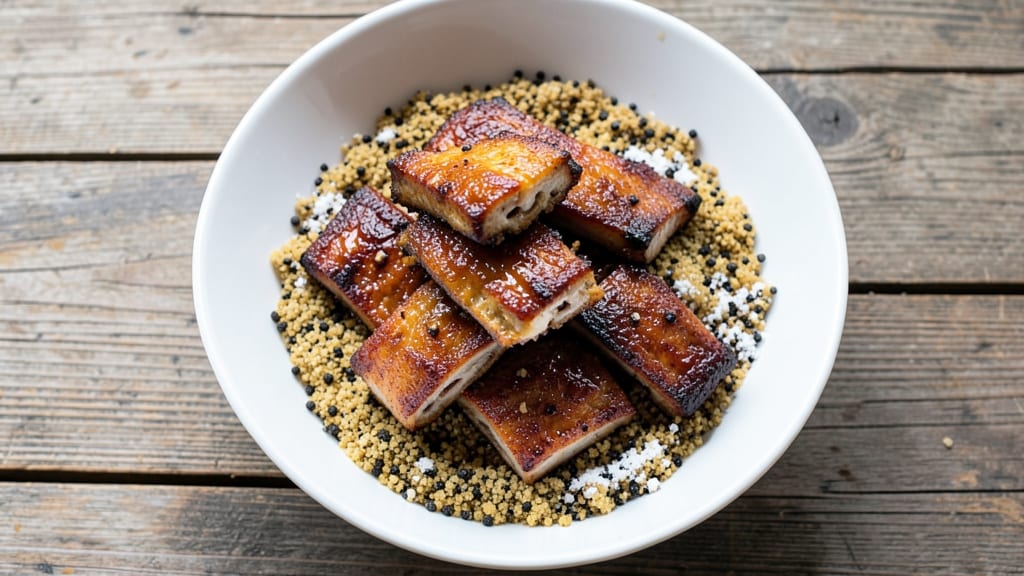
This country fried ribs recipe delivers the perfect balance of smoky, crispy cornmeal crust and fall-off-the-bone tenderness that makes every bite unforgettable. After years of perfecting the technique—including the critical double-fry method—I’ve developed a process that guarantees restaurant-quality results at home, even with tougher cuts.
The secret lies in the cornmeal crust, which creates that signature crunch while keeping the meat juicy inside.
The process begins with a simple brine to enhance tenderness, followed by a dry rub that infuses deep, savory flavors. What sets this recipe apart is the double-frying technique: first in hot oil to render fat and set the crust, then again to achieve that irresistible crispiness.
This method ensures your ribs stay moist and flavorful while developing a golden, crackling exterior that’s impossible to resist.
By the time you plate these ribs, you’ll have a dish that’s rich in texture and flavor—crispy on the outside, tender on the inside, and smothered in a smoky, herby crust.
The aroma alone will have everyone at the table asking for seconds, and the fall-off-the-bone tenderness proves that slow-cooked perfection doesn’t require hours in the oven.
Serve with classic Southern sides like creamy mashed potatoes, buttery cornbread, or tangy collard greens to complete the meal. This recipe is designed for those who appreciate the art of slow-cooked comfort food, elevated by the crispy crunch of the cornmeal crust. Let’s get cooking!
Ingredients for country fried ribs
Fourteen essential ingredients transform tough pork ribs into tender, crispy masterpieces with smoky depth.
| Ingredient | Amount | Notes |
|---|---|---|
| Pork Ribs (Baby Back) 🍖 | 3 lb | Bone-in, meaty cuts preferred |
| Yellow Cornmeal 🌽 | 1 cup | Fine grind for optimal texture |
| All-Purpose Flour 🌾 | ½ cup | For light, crispy crust |
| Buttermilk 🥛 | ½ cup | Full-fat for best flavor |
| Large Eggs 🥚 | 2 whole | Room temperature for coating |
| Diamond Crystal Kosher Salt 🧂 | 2 tbsp | For brining and seasoning |
| Black Peppercorns 🌶️ | 1 tbsp | Freshly cracked for aroma |
| Smoked Paprika 🌶️ | 1 tbsp | For deep, smoky flavor |
| Garlic Powder 🧄 | 1 tbsp | Enhances savory depth |
| Onion Powder 🧅 | 1 tbsp | Adds subtle sweetness |
| Vegetable Oil (High Smoke Point) 🫒 | 4 cups | Avoids burning delicate crust |
| Fresh Parsley 🌿 | ¼ cup | Chopped for garnish |
| Lemon Wedges 🍋 | 2 whole | For serving, optional |
The ribs are the foundation—opt for baby back cuts with generous meat-to-bone ratio for optimal tenderness. Whole Foods or Costco carry high-quality, fresh cuts year-round. For brining, use Diamond Crystal kosher salt—it dissolves completely, ensuring even flavor penetration. The cornmeal should be yellow, fine-ground (like Bob’s Red Mill) to create that signature Southern crunch. Fresh parsley adds brightness, so grab a small bunch from the grocery store’s produce section—it’s worth the extra minute to chop it fresh.
No buttermilk? Plain yogurt thinned with water works perfectly—just add enough liquid to match the viscosity. Substituting cornmeal? Semolina or fine breadcrumbs mimic texture, though cornmeal’s natural sweetness is ideal. For the dry rub, smoked paprika is non-negotiable—it delivers that authentic campfire aroma. Short on fresh parsley? Dried parsley at half the amount suffices, though fresh is preferred. The vegetable oil must have a high smoke point (375°F+)—Avocado or peanut oil are excellent choices for double-frying without burning the delicate crust.
Store prepped ribs in an airtight container with paper towels to absorb excess moisture—keeps them crispy for up to 3 days in the fridge. For longer storage, freeze the coated ribs on a tray before transferring to a bag for up to 3 months. Reheat in a 375°F oven for 15-20 minutes to restore crispiness. The double-fry technique ensures restaurant-quality texture, but if short on time, a single fry at 350°F for 8-10 minutes per side still yields impressive results.
Why You'll Love This Recipe
- One-Bowl Magic: I swear, this recipe is the kind of meal where you mix, dip, and bake—no fancy prep. The ribs soak in that buttermilk-egg wash while you toss the cornmeal and flour together in the same bowl. Honestly, the only measuring you’ll do is the cornmeal, and even that’s just a quick eyeball.
- Crispy-Creamy Dream Team: That golden crust from the cornmeal? It’s everything—crunchy on the outside, tender on the inside, with just enough buttermilk tang to cut through the richness. I’ll be real: the first time I bit in, my kid asked for seconds before I even sat down.
- Tailgate or Tuesday: Between us, these ribs are my go-to for game days and lazy Sundays. Serve them with a simple green salad for a no-fuss dinner, or pile them high on buns with pickles for a crowd-pleasing spread. (Yes, even on a Tuesday night when you’re exhausted.)
- Leftovers That Don’t Suck: Unlike some fried dishes that turn greasy after day one, these ribs reheat like a dream—crispy again in the oven or air fryer, no soggy bits. I make a double batch on Sundays and eat them for lunch all week. Budget win, flavor win.
Step-by-step instructions for country fried ribs
Master this technique and you'll achieve ribs with a crispy cornmeal crust that gives way to melt-in-your-mouth tenderness.
Prepare the Dry Rub and Brine the Ribs
In a medium bowl, combine the 1 cup yellow cornmeal, 0.5 cup all-purpose flour, 2 tbsp Diamond Crystal kosher salt, 1 tbsp black peppercorns (freshly cracked), 1 tbsp smoked paprika, 1 tbsp garlic powder, and 1 tbsp onion powder. Mix thoroughly until the spices are evenly distributed throughout the dry ingredients.
Pat the 3 lb pork ribs dry with paper towels, removing any excess moisture from the surface. This step is critical—moisture prevents the crust from forming properly. Place the ribs in a large resealable plastic bag and pour in the 0.5 cup buttermilk. Seal the bag and massage the buttermilk evenly over the ribs, ensuring complete coverage. Refrigerate for at least 2 hours or up to overnight—this allows the buttermilk to tenderize the meat while the salt begins to work its magic.
Create the Breading Station and Coat the Ribs
In a shallow dish, whisk together the 2 whole large eggs until fully combined. In another shallow dish, combine the dry rub mixture you prepared earlier. Remove the ribs from the refrigerator and let them sit at room temperature for 15 minutes—this prevents cold spots that could prevent even cooking.
Working in batches if needed, dip each rib into the egg wash, allowing any excess to drip off. Then press the rib into the dry rub mixture, coating it evenly on all sides. I use my hands for this—press firmly to ensure the rub adheres well. Place the coated ribs on a wire rack set over a baking sheet lined with parchment paper. Let them rest for 10 minutes while you prepare the frying station.
Fry to Golden Perfection
Fill a deep skillet or Dutch oven with 4 cups vegetable oil (high smoke point) and heat over medium-high heat until the oil reaches 350°F. Use a deep-fry thermometer to monitor the temperature—this precision ensures a crispy crust without burning. Working in batches to avoid overcrowding, carefully lower the coated ribs into the hot oil using tongs.
Fry for 4-5 minutes per side until the crust is deep golden brown and the internal temperature reaches 145°F at the thickest part of the meat. The ribs should float slightly in the oil when done—this indicates they're cooked through. Transfer the fried ribs to a wire rack set over a paper towel-lined plate to drain excess oil. Let them rest for 5 minutes before serving.
Rest and Garnish for Serving
While the ribs rest, finely chop the 0.25 cup fresh parsley and set aside. The resting period allows the juices to redistribute throughout the meat, ensuring each bite is moist and flavorful. After 5 minutes, transfer the ribs to a serving platter and sprinkle with the chopped parsley for a pop of freshness and color.
Serve immediately with the 2 whole lemon wedges on the side. The lemon's acidity cuts through the richness of the fried ribs, balancing the smoky, savory flavors. Each rib should have a crispy cornmeal crust that gives way to tender, juicy meat that falls off the bone with minimal effort. The combination of techniques—brining, buttermilk marinade, and double coating—delivers that perfect texture contrast every time.
Pro Tips For Making Country Fried Ribs
- Trim the Fat First: Baby back ribs have a thin fat cap—leave it on for flavor, but slice it off before dredging. I learned this the hard way when my first batch turned greasy and soggy; the fat traps moisture but also prevents the crust from sticking properly.
- Use Cold Buttermilk: Chill the buttermilk for at least 30 minutes before dipping—this thickens it slightly and keeps the coating from sliding off. I was skeptical until I tried it; the batter clings better, and the ribs stay crispier longer.
- Double-Fry for Crunch: Fry the ribs once at 350°F until golden, then boost the heat to 375°F for the final 2–3 minutes. The second fry seals the crust without overcooking the inside. (Yes, it’s an extra step, but the difference is noticeable.)
- Rest Before Serving: Let the ribs sit on a wire rack for 5 minutes after frying—this drains excess oil and keeps them from getting steamed in their own juices. I skip this when I’m hungry, but the texture suffers. (Your future self will judge you.)
Best sauces and condiments for this recipe
Classic BBQ Sauce
For a tangy, smoky finish, use a thick, vinegar-based BBQ sauce like Sweet Baby Ray’s Original or Stubb’s Original. Brush 2-3 tablespoons over each rib after the first fry but before the second fry to lock in moisture and add a glossy, sweet-spicy glaze.
Let the sauce caramelize slightly during the final fry for a sticky, flavorful crust. 🍖
Honey Butter Drizzle
Elevate your ribs with a honey butter drizzle that balances the smokiness. Melt ¼ cup unsalted butter with 2 tablespoons honey and a pinch of cayenne pepper, then brush lightly over the ribs after the second fry.
The honey adds subtle sweetness while the butter keeps the crust tender and rich. Serve with extra drizzle on the side for dipping. 🍯
Spicy Mustard Glaze
For a bold kick, whip together ½ cup yellow mustard, 2 tablespoons apple cider vinegar, and 1 tablespoon smoked paprika to create a tangy, spicy glaze. Brush this over the ribs during the final fry or drizzle after cooking for a sharp, herby contrast.
This glaze pairs perfectly with the crispy cornmeal crust and tender meat. 🌶️
Creamy Horseradish Sauce
A cool, creamy horseradish sauce cuts through the richness of fried ribs beautifully. Mix ½ cup sour cream, 2 tablespoons prepared horseradish, 1 tablespoon Dijon mustard, and a splash of lemon juice.
Serve on the side for dipping or dollop alongside the ribs for a refreshing bite. The horseradish adds a peppery punch that cleanses your palate between bites. 🥥
Maple Bourbon Glaze
Infuse your ribs with a sweet, smoky depth using a maple bourbon glaze. Simmer ¼ cup pure maple syrup, 2 tablespoons bourbon, and 1 tablespoon soy sauce until slightly thickened.
Brush over the ribs during the final fry or drizzle after cooking. The bourbon adds warmth, while the maple syrup caramelizes for a sticky, glossy finish. 🥃
Pickled Jalapeño Relish
Add a bright, spicy crunch with a pickled jalapeño relish. Mix ½ cup diced pickled jalapeños, 2 tablespoons chopped red onion, 1 tablespoon chopped cilantro, and 1 tablespoon lime juice.
Spoon this relish over the ribs or serve on the side for a zesty, tangy contrast. The acidity balances the richness, while the jalapeños add a refreshing heat. 🌶️
Nutrition facts
Frequently asked questions
Why do I need to brine the ribs before frying?
The 2-hour buttermilk brine does three key things: tenderizes the meat, enhances flavor penetration, and helps create a better crust. The acidity in buttermilk breaks down proteins, while the salt draws out moisture that gets reabsorbed during frying. This prevents a dry crust and ensures maximum tenderness—critical for tougher rib cuts.
Can I bake these ribs instead of frying?
Yes, but the texture will differ significantly. For baking, coat the ribs in the cornmeal mixture, then bake at 400°F for 25-30 minutes until the crust is golden and internal temp reaches 145°F. The crust won't be as crispy, but you'll still get tender meat. For best results, broil for the last 2-3 minutes to crisp the coating.
What's the secret to getting extra crispy crust?
The double-fry technique is non-negotiable for that signature crunch. First fry at 350°F for 4-5 minutes to set the crust, then increase heat to 375°F for 2-3 minutes for maximum crispiness. Pat ribs dry thoroughly before frying—any moisture steams instead of crisping. A wire rack keeps air circulating for even browning.
How do I store leftovers without making the crust soggy?
Store ribs in an airtight container with paper towels to absorb moisture. Reheat in a 375°F oven for 15 minutes on a wire rack (not covered) to restore crispiness. For longer storage, freeze cooked ribs on a tray before bagging—they'll keep for 3 months. Microwave reheating is not recommended as it makes the crust rubbery.
Can I use beef ribs instead of pork?
Technically yes, but pork ribs are ideal due to their natural tenderness and fat content. Beef ribs require longer cooking time (up to 6-8 minutes per side) and may need an extra 15 minutes in the oven at 300°F after frying to fully tenderize. The crust will still form, but the meat won't be as fall-off-the-bone tender.