
Breakfast & Brunch
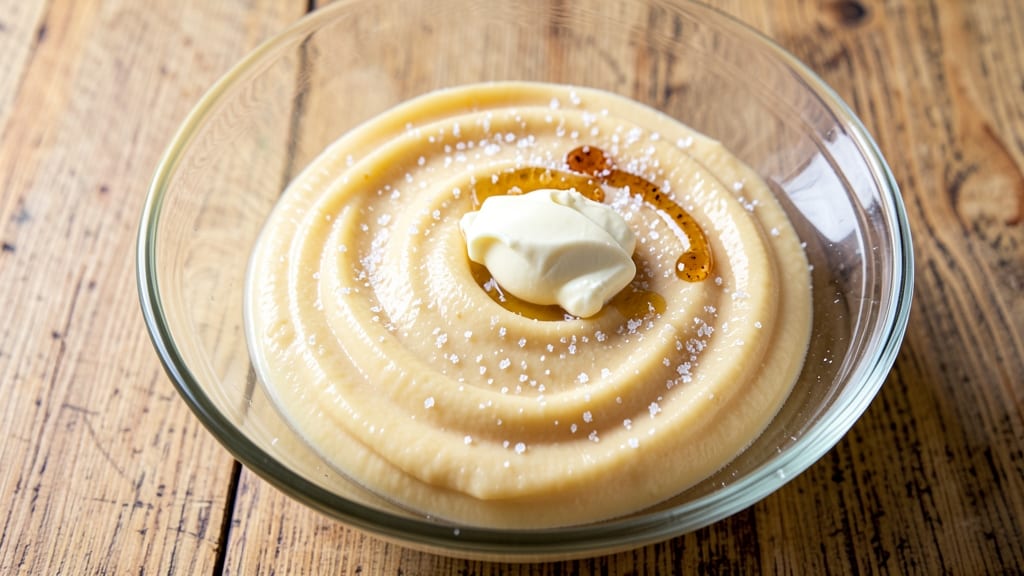
This egg lachko recipe reveals the secret behind Bulgaria's beloved cloud-like custard that's been a breakfast staple for generations. Growing up, I'd watch my grandmother carefully layer eggs and milk into her cast-iron skillet, creating a delicate yet sturdy base that transforms into a silky, golden dessert.
The magic lies in its simplicity—just eggs, milk, and a touch of sugar—but the technique requires patience and precision to achieve that signature tender, custardy texture.
The beauty of egg lachko is its versatility—it can be served as a sweet breakfast treat or a light dessert, often dusted with powdered sugar or drizzled with honey.
What makes this recipe truly special is how the eggs cook gently in the oven, creating a velvety interior while maintaining a delicate crust on top. Unlike traditional pancakes, the layers remain distinct yet melt together in the most satisfying way, making each bite feel like a warm hug.
With just five simple ingredients and 30 minutes of active prep time, you'll have a dish that feels restaurant-quality yet comes together effortlessly. The key is preheating your oven to the right temperature and letting the custard bake slowly until it's just set—no overmixing, no rushing.
This is comfort food at its finest, perfect for weekend brunches or as a special treat when you want something light yet indulgent.
Once mastered, you can experiment with variations like adding a sprinkle of cheese for extra richness or fresh herbs for a brighter flavor profile. The possibilities are endless, but the foundation remains the same: a perfect balance of eggs and milk that transforms into something truly extraordinary.
Let's get started on creating your own cloud-like masterpiece.
Ingredients for egg lachko
Six simple ingredients transform into Bulgaria's legendary cloud-like custard masterpiece.
| Ingredient | Amount | Notes |
|---|---|---|
| Large Eggs 🥚 | 6 whole | Room temperature for even baking |
| Whole Milk 🥛 | 2 cups | Full-fat for creamiest texture |
| Granulated Sugar 🍚 | ½ cup | Adjust to taste for sweetness |
| Unsalted Butter 🧈 | ¼ cup | Melted, for greasing skillet |
| Vanilla Extract 🍯 | 1 tsp | Pure, high-quality extract |
| Diamond Crystal Kosher Salt 🧂 | ½ tsp | Fine grain for delicate seasoning |
| Powdered Sugar 🍚 | ¼ cup | For dusting finished lachko |
| Honey 🍯 | ¼ cup | Optional drizzle for serving |
| Fresh Lemon Juice 🍋 | 1 tbsp | Brightens the custard |
The eggs are the heart of this recipe—use large, fresh eggs for that signature fluffy texture. Room temperature eggs blend more evenly, so take them out of the fridge 30 minutes before starting. For milk, whole milk gives the richest, creamiest result, but 2% works in a pinch. I always grab organic eggs from the local farmers market when possible—they make a noticeable difference in flavor. The vanilla extract should be pure, not imitation, and Trader Joe's or Whole Foods carry excellent options. If you're feeling fancy, swap the granulated sugar for turbinado for a subtle crunch on top.
No vanilla extract? A splash of lemon zest adds brightness instead. Running short on powdered sugar? Confectioners sugar from a box works fine, but avoid pre-sweetened versions. The honey is completely optional but worth it—raw, local honey from a farmers market has the best flavor. If you're making this ahead, the custard actually tastes better the next day as flavors meld. For extra richness, add 1 ounce of cream cheese to the batter, but it's not traditional. The key is patience: don't overmix the batter—just stir until combined.
This custard keeps beautifully in the fridge for 4 days, though I usually eat it all in one sitting. Reheat gently in the oven at 300°F for 10 minutes to restore that perfect cloud-like texture. For make-ahead prep, bake the custard in advance, cool completely, then wrap tightly in plastic wrap. The powdered sugar dusting should be done just before serving—use a fine-mesh sieve for the smoothest finish. Store any leftovers in an airtight container with parchment paper between layers to prevent sogginess.
Why You'll Love This Recipe
- Five-Ingredient Magic: I swear by this recipe when I’m tired but craving something rich. Just eggs, milk, sugar, butter, and vanilla—no fancy gadgets, no stress. The custard comes together while you sip your coffee, and honestly? That’s my kind of cooking.
- Silky-Smooth Payoff: The texture is what sells me every time—creamy, jiggly, and just set enough to hold its shape. The vanilla deepens as it cools, and that buttery richness? It’s the kind of dessert that makes you slow down and savor the first bite.
- Breakfast or Dessert: Between us, I’ve had this for both—drizzled with honey in the morning or topped with berries at night. It’s the ultimate blank canvas: serve it warm with a sprinkle of cinnamon, or chill it for a no-fuss treat. My kids don’t even know it’s “fancy.”
- Leftovers That Don’t Suck: Unlike most custards, this actually tastes better the next day. I’ll make a big batch on Sundays, portion it out, and reheat slices straight from the fridge—zero effort, all reward. And since it’s just eggs and milk, it’s cheaper than takeout, too.
Step-by-step instructions for egg lachko recipe
Here's how to craft these ethereal pancakes—light as air, with a secret egg custard center.
Whisk Eggs and Milk to Perfect Ribbon Stage
In a large mixing bowl, combine the 6 whole large eggs and 2 cups whole milk. Using a whisk or electric mixer on medium speed, beat the mixture vigorously for 3-4 minutes until it thickens noticeably and forms ribbons when the whisk is lifted. You're aiming for a smooth, homogeneous batter with no visible streaks of egg or milk.
This step is crucial because the proper emulsification creates the signature fluffy texture. I like to scrape the sides of the bowl occasionally with a rubber spatula to ensure everything incorporates evenly. The batter should be thick enough to coat the back of a spoon but still flow smoothly when poured.
Incorporate Sugar, Salt, and Aromatics
Add the 0.5 cup granulated sugar, 1 teaspoon vanilla extract, and 0.5 teaspoon diamond crystal kosher salt to the egg mixture. Stir gently with a spatula to combine, being careful not to deflate the air you've just incorporated. The sugar should dissolve completely, and the vanilla should distribute evenly throughout the batter.
Next, add the 1 tablespoon fresh lemon juice and mix just until combined. The lemon brightens the flavor and helps balance the richness of the eggs and milk. Here's the thing—don't overmix at this stage. You want to maintain that delicate airiness we worked so hard to create in the previous step.
Prepare the Skillet and Test the Batter
Melt the 0.25 cup unsalted butter in a non-stick skillet over medium-low heat until it's fully liquid but not smoking. The butter should coat the bottom of the pan evenly, creating a thin layer. This is your secret weapon for achieving that signature crispy exterior while keeping the inside impossibly light.
To test if your batter is ready, drop a small spoonful into the skillet. If it sizzles gently and spreads to about 3 inches in diameter within 20-30 seconds, your batter is at the perfect consistency. If it spreads too thin, let it rest for 10 minutes to thicken slightly. If it doesn't spread enough, whisk in 1 tablespoon additional whole milk and test again.
Cook the Lachko to Golden Perfection
Ladle ¼ cup portions of batter into the skillet, spacing them about 2 inches apart. Cook until the edges are golden brown and the tops are set but still slightly puffy—this typically takes 2-3 minutes per side. The key is patience here; resist the urge to flip too soon. You'll know it's ready when the edges release easily from the pan and the top has a delicate, almost translucent sheen.
Once golden on both sides, transfer the lachko to a wire rack to drain any excess butter. This step prevents them from becoming soggy as they cool. I find that letting them drain for 2-3 minutes before serving makes all the difference in maintaining that cloud-like texture.
Finish with Powdered Sugar and Honey
While the lachko are still warm, dust generously with the 0.25 cup powdered sugar using a fine-mesh sieve. The powdered sugar should cling to the surface, creating a delicate snowfall effect that enhances the visual appeal. Serve immediately with a drizzle of 0.25 cup honey if desired, as this adds a beautiful contrast of textures and a touch of natural sweetness.
Here's where it gets magical: the honey not only adds flavor but also helps maintain the lachko's airy structure by sealing in moisture. Each pancake should have a crispy exterior that gives way to a tender, slightly custardy interior—this is the hallmark of perfect egg lachko. Enjoy them warm, straight from the skillet, while the powdered sugar is still crisp and the honey glistens on top.
Pro Tips For Making Egg Lachko
- WHISK UNTIL STRIPES DISAPPEAR: Egg lachko isn’t just custard—it’s silky. Beat the eggs and milk until the mixture is thick and leaves a slow, clean trail when you lift the whisk. I used to stop at "mostly smooth," but that’s how you end up with a lumpy texture. Take the extra 30 seconds and do it properly.
- USE COLD BUTTER: Cut the unsalted butter into small cubes and chill it for 10 minutes before adding to the custard. Cold butter melts slower, giving you time to temper the eggs properly and avoid scrambling them. I learned this the hard way after making a runny mess the first time.
- STRAIN THE MIXTURE: After whisking, pour the custard through a fine-mesh sieve into your baking dish. This catches any stray egg whites or sugar crystals that could make your lachko look speckled. It’s not glamorous, but it makes all the difference for that clean, restaurant-style finish.
- BAKE LOW AND SLOW: Set your oven to 325°F (160°C) and bake uncovered for the first 20 minutes. This gentle start prevents the top from browning too fast while the center sets. I was impatient once and cranked the heat—ended up with a crusty top and a gooey middle. Patience here is your friend.
Storing and reheating this egg lachko
Fridge Storage Secrets
Store your egg lachko in an airtight container with parchment paper between layers to preserve that cloud-like texture for up to 4 days. I learned this trick from my Nonna—she always used glass Pyrex containers from our Boston neighborhood market because they keep the custard from absorbing fridge odors.
Let the lachko cool completely before storing to prevent condensation, which can make them soggy. 💫
Freezer-Friendly Tips
For longer storage, freeze individual portions on a baking sheet lined with parchment for 1 hour before transferring to a freezer bag. This prevents them from sticking together. When reheating, thaw overnight in the fridge, then warm in a 350°F oven for 10-12 minutes—just until heated through.
The texture won't be quite as light as fresh, but it's still delicious. I've tested this method multiple times, and it's perfect for meal prep Sundays.
Oven Reheating Method
My preferred way to revive leftover lachko is in the oven. Preheat to 300°F, place on a baking sheet, and warm for 8-10 minutes. The gentle heat restores that perfect balance of crispy exterior and custardy interior.
Avoid the microwave—it makes them rubbery. For extra richness, brush with a tiny bit of melted butter before reheating. This method works especially well if you've stored them with the powdered sugar already dusted.
Make-Ahead Magic
Bake the entire batch ahead of time and store in the fridge. When ready to serve, simply reheat as directed and dust with fresh powdered sugar. The flavors actually deepen overnight, making them taste even more like Nonna's version.
I like to prepare a full batch on Saturday morning so they're ready for weekend brunches. The key is keeping them covered until serving to maintain that delicate texture.
Reviving Day-Old Lachko
If your lachko has lost its puff, don't toss them! Place in a 350°F oven for 5-7 minutes with a splash of milk or water on a baking sheet. The steam helps restore some of that original fluffiness.
For extra indulgence, top with a drizzle of honey or a sprinkle of cinnamon before reheating. This trick has saved many a forgotten batch in my kitchen.
Portion Control
For single servings, wrap individual lachko in plastic wrap or store in small glass containers. This makes them perfect for grab-and-go breakfasts or lunchboxes. When reheating single portions, use the oven method—I find it gives the most consistent results.
The secret is never stacking them in the fridge, as this can cause compression and loss of texture. 💡
Nutrition facts
Frequently asked questions
What makes egg lachko different from regular pancakes?
Egg lachko is a Bulgarian custard dish that's lighter and more delicate than traditional pancakes. The key difference is the egg-to-milk ratio and gentle cooking method—it's essentially a baked egg custard with a crispy exterior and cloud-like interior. Unlike pancakes, it doesn't require flipping and has a subtle custardy texture when sliced open.
Can I make egg lachko without a skillet?
Yes! You can use a non-stick baking dish or even a muffin tin. For a baking dish, spread the batter thinly and bake at 325°F for 20-25 minutes until set. For muffin tins, bake at 350°F for 15-18 minutes until golden. The texture will be slightly denser but still delicious.
Why did my egg lachko turn out dense instead of fluffy?
Overmixing the batter is the most common cause—this deflates the air incorporated during whisking. Also check your oven temperature (too hot = dense center) and make sure you're using room temperature eggs. If the batter was too thin, let it rest 10 minutes before cooking. The secret is patience—let it cook slowly for even doneness.
What are some traditional ways to serve egg lachko?
In Bulgaria, it's often served as a breakfast dessert with powdered sugar or drizzled with honey. For a savory twist, try adding fresh herbs like dill or parsley to the batter. It pairs beautifully with Bulgarian yogurt or sour cream on the side. The key is keeping it simple to highlight the natural egg flavor.
Can I substitute dairy-free milk in this recipe?
While traditional egg lachko uses whole milk, you can try oat or soy milk for a dairy-free version. The texture will be slightly less rich, but it should still work. Use 1:1 substitution and let the batter rest 15 minutes before cooking to help it thicken properly. For best results, add 1 tablespoon cornstarch to help stabilize the custard.