
Breakfast & Brunch
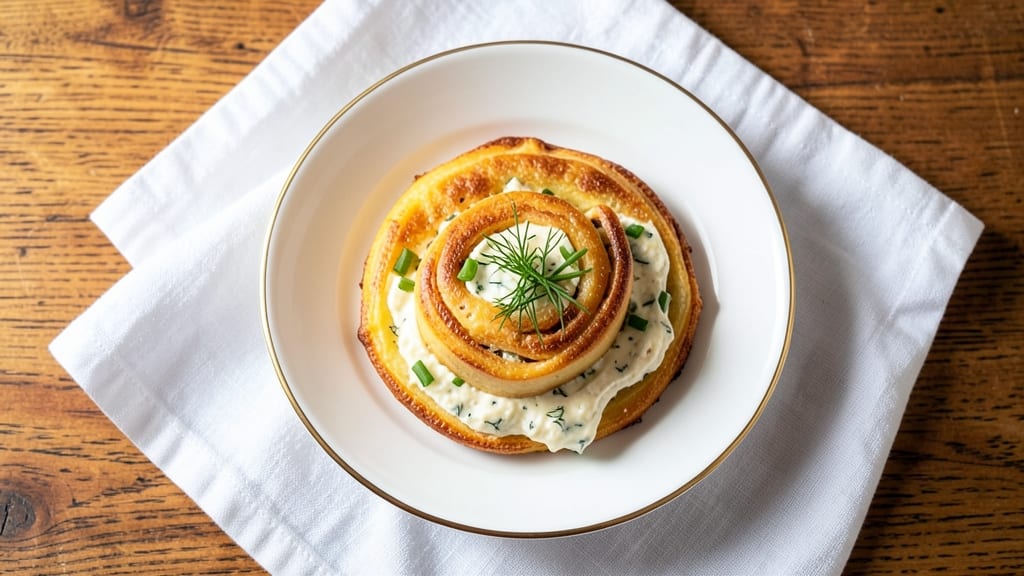
Mastering an egg roulade transforms breakfast into an elegant, restaurant-worthy dish with just a few simple ingredients. This delicate custard roll starts with perfectly cooked egg layers that wrap around a hidden filling of your choice—whether it's savory ham and cheese or fresh herbs and vegetables.
The secret lies in the gentle rolling technique and precise timing to ensure each bite delivers that signature fluffy texture with a surprise filling inside.
What sets this recipe apart is its versatility—you can customize the filling to suit any preference while maintaining the same foolproof method. The egg mixture requires only basic ingredients like eggs, milk, and a touch of salt, making it accessible for any skill level.
Once rolled and baked, the result is a golden, tender roulade that's as impressive to serve as it is delicious to eat.
Imagine slicing into a perfectly rolled egg roulade, revealing layers of creamy custard and your chosen filling—each bite offering a harmonious blend of textures and flavors. This dish is ideal for brunch gatherings, special occasions, or even a weekend treat that feels luxurious without the complexity.
The technique is simple, but the outcome is undeniably professional.
Whether you prefer a classic savory version or a lighter herb-infused twist, this recipe adapts effortlessly. Serve it with a fresh salad, crusty bread, or a side of roasted vegetables to complete the meal.
Let’s get started on creating this elegant yet approachable dish that will impress everyone at the table.
Ingredients for egg roulade
Eight eggs, two herbs, and a touch of butter transform into restaurant-worthy roulades with hidden surprises.
| Ingredient | Amount | Notes |
|---|---|---|
| Large Eggs 🥚 | 8 whole | Room temperature for even cooking |
| Whole Milk 🥛 | ½ cup | Full-fat for optimal custard texture |
| Unsalted Butter 🧈 | 2 tbsp | Cold, cubed for even melting |
| Diamond Crystal Kosher Salt 🧂 | ¼ tsp | Fine grain preferred for balance |
| Fresh Chives 🌿 | ¼ cup | Finely chopped for herb filling |
| Fresh Dill 🌿 | ¼ cup | Chopped, stems removed for filling |
| Sour Cream 🥛 | ¼ cup | Full-fat for creamy filling texture |
| Extra-Virgin Olive Oil 🫒 | 1 tbsp | Light drizzle for pan coating |
| All-Purpose Flour 🌾 | 1 tbsp | For dusting rolling surface |
| Black Pepper 🌶️ | ⅛ tsp | Freshly cracked for subtle heat |
| Lemon Zest 🍋 | 1 tsp | Brightens custard flavor |
| Parmesan Cheese 🧀 | ¼ cup | Freshly grated for savory filling |
The eggs are the foundation—use room-temperature large eggs for even cooking. Organic or pasture-raised from Whole Foods or local farms adds subtle richness. For the herb filling, fresh chives and dill from the grocery store's refrigerated section work best—avoid wilted stems. The sour cream should be full-fat (none of that non-fat nonsense) for that velvety texture. If you're making a savory version, swap the herbs for finely chopped ham and Gruyère cheese—just as elegant. The lemon zest needs to be freshly grated; bottled zest tastes like disappointment.
No fresh herbs? Dried chives at one-third the amount will do in a pinch, but the flavor won't be as vibrant. Substitute the sour cream with Greek yogurt for a tangier twist, though it may be slightly thinner. Running short on Parmesan? Pecorino Romano works beautifully and adds a sharper bite. For the egg mixture, if you're concerned about overcooking, reduce the milk to 0.375 cup for a firmer custard. The butter should be cold and cubed—melting it first can create greasy layers. And if you're feeling fancy, add a pinch of nutmeg to the custard for depth.
Eggs keep best in their original carton in the fridge for up to 3 weeks. The herbs should be wrapped in damp paper towels and stored in a sealed container for 5-7 days. Once mixed, the custard filling can be prepped ahead and refrigerated for 24 hours—just bring it to room temperature before rolling. The finished roulades reheat beautifully; wrap tightly in foil and bake at 350°F for 10 minutes to restore that golden crust. For make-ahead entertaining, assemble the roulades, wrap in parchment, and freeze for up to 1 month—thaw overnight in the fridge before baking.
Why You'll Love This Recipe
- No Fuss, Big Payoff: I swear by this for lazy mornings—just whisk eggs, milk, and butter in one bowl, then roll them into golden perfection. No fancy gadgets, no stress, just a pan and a spatula. That’s it.
- Creamy Edge, Crispy Heart: The secret’s in the butter—melting into the edges while keeping the center silky-smooth. Toss in fresh chives at the end, and suddenly, you’ve got a dish that tastes like a fancy brunch spot.
- Lunchbox Hero: Between us, this is my go-to for meal prep. Slice it up, pack it cold, and it stays fresh for days. My kids (and my husband) devour it—no complaints, no leftovers in the bottom of their bags.
- Budget Breakthrough: Eggs, milk, butter—these are pantry staples that won’t break the bank. I make a whole batch for under five bucks, and it feeds four. That’s a win for my wallet and my taste buds.
Step-by-step instructions for egg roulade recipe
Mastering this delicate technique creates elegant custard rolls with a surprise herb filling.
Prepare the Herb Filling
In a small bowl, combine the 0.25 cup fresh chives and 0.25 cup fresh dill with the 0.25 cup sour cream, 0.25 cup parmesan cheese, and 0.125 tsp black pepper. Mix gently until evenly distributed—you want a smooth, creamy paste that will distribute perfectly between the custard layers. The herbs should be finely chopped to prevent texture issues when rolled.
Here's the thing—this filling needs to be room temperature for optimal layering. If you've kept the herbs refrigerated, let the mixture sit at room temperature for 10 minutes before proceeding. Cold filling can cause the custard to crack when rolled, ruining that elegant presentation you're working toward.
Whisk the Custard Base
In a medium bowl, whisk together the 8 whole large eggs, 0.5 cup whole milk, 1 tsp lemon zest, and 0.25 tsp diamond crystal kosher salt until completely homogeneous. The mixture should be pale yellow with no visible streaks of egg white—this ensures even cooking and a smooth texture. I use a fine-mesh whisk for this step to incorporate air gently without creating bubbles.
Gradually whisk in the 2 tbsp unsalted butter, cut into small cubes, until fully melted and incorporated. The butter should disappear completely, creating a velvety custard base. This is where the richness comes from—don't skip this step or your roulade will lack that luxurious mouthfeel. The mixture should now be thick enough to coat the back of a spoon but still flow freely.
Cook the Custard Layer
Heat a nonstick skillet over medium-low heat and lightly coat with 1 tbsp extra-virgin olive oil. Pour in about one-third of the custard mixture, swirling immediately to create an even, thin layer. You're aiming for a pancake-like consistency—about 1/8-inch thick. The pan should be hot enough to set the edges in about 2 minutes without browning.
Cook until the edges lift easily and the center still appears slightly translucent—this takes approximately 2 to 3 minutes. Immediately transfer to a wire rack and dust lightly with the 1 tbsp all-purpose flour. This prevents sticking when you roll and adds a subtle texture contrast. Repeat with remaining custard, stacking the cooked layers on a clean kitchen towel to maintain heat.
Assemble and Roll the Roulades
Working quickly, spread 1 to 2 tablespoons of the herb filling along one short edge of each custard layer, leaving a 1-inch border. The filling should be centered—this creates balanced rolls that won't tear when sliced. Roll each layer tightly into a log, using the kitchen towel to help with grip and prevent sticking.
Place the rolled custards seam-side down on a parchment-lined baking sheet. Here's where precision matters: the rolls should be snug but not compressed. If they feel too loose, gently press them with your hands to maintain shape. The goal is to create uniform cylinders that slice neatly—this makes all the difference when plating.
Finish and Serve
Preheat your oven to 350°F. Bake the roulades for 12 to 15 minutes until the edges are golden and the centers remain slightly custardy—this ensures they hold their shape when sliced. The internal temperature should reach 160°F at the thickest point, indicating perfect doneness without overcooking.
Let the roulades rest for 5 minutes before slicing into ½-inch rounds. This resting period allows the filling to set slightly, preventing leaks when you cut. Serve immediately with a dollop of additional sour cream or a sprinkle of fresh dill for presentation. The contrast of creamy custard, herby filling, and crisp edges makes this dish truly special.
Pro Tips For Making Egg Roulade
- Whisk Until Ribbon Stage: The batter should coat the whisk like thick paint—no streaks, no lumps. I learned this the hard way when my first roulade turned out dense and sad. Use a clean, dry whisk and go slow; rushing here means a gummy center later.
- Salt the Milk First: Dissolve the kosher salt directly in the warm milk before mixing with eggs—it blends smoother and seasons the whole dish evenly. Skipping this step leaves you guessing if the flavor’s balanced, and you’ll end up adding more later anyway.
- Roll Over Cold Butter: Spread the butter on the still-warm roulade while it’s in the pan, then immediately roll it up. Cold butter slides off; warm butter melts just enough to stick. This isn’t the prettiest method, but it’s the only way to get that creamy, cohesive layer.
- Chill Before Slicing: Let the roulade rest 5 minutes off the heat before cutting—yes, even if you’re starving. Hot roulades fall apart like wet paper; waiting guarantees clean slices that hold their shape. (Your future self will thank you.)
Make-ahead tips for this egg roulade
Prep Ahead Strategy
Assemble the herb filling up to 24 hours in advance and store it in an airtight container in the fridge. This gives flavors time to meld while keeping the texture creamy. Bring it to room temperature before rolling—cold filling causes cracks in your delicate custard layers.
I always prep this step the night before so I can focus on rolling fresh the next morning. 💡
Freezer-Friendly Assembly
Roll the completed roulades, wrap them individually in plastic wrap, then place in a single layer in a freezer bag. This prevents sticking and maintains shape. Freeze for up to 1 month—when ready to serve, thaw overnight in the fridge before baking at 350°F for 15 minutes.
The texture remains perfect with this method, though the crust may need a quick broil to restore crispness.
Make-Ahead Baking
Bake the roulades completely, then cool to room temperature. Wrap tightly in foil and store in the fridge for 3 days or freeze for 1 month. To reheat, bake at 325°F for 10 minutes covered with foil, then uncovered for 5 minutes to crisp the edges.
This works beautifully for brunch parties—just slice and serve straight from the oven.
Filling Variations
Prep alternative fillings ahead of time using the same room-temperature rule. For spinach and feta, sauté 1 cup chopped spinach with ½ cup crumbled feta and 1 tbsp lemon juice, then cool completely before using.
For smoked salmon, mix ½ cup cream cheese with 4 oz smoked salmon and 1 tbsp capers—this keeps beautifully for 2 days refrigerated.
Equipment Prep
Set up your workspace the night before: measure all ingredients, preheat your oven, and have your nonstick skillet ready. Dust your rolling surface with flour and keep a damp towel handy—this prevents sticking and makes rolling smoother.
I also pre-measure the ½-inch slices onto parchment paper before baking to ensure even portions.
Serving Prep
Arrange garnishes in small bowls before serving: fresh dill sprigs, extra sour cream, and a sprinkle of toasted sesame seeds (for Asian-inspired versions). Pre-plate your roulade slices on a chilled platter to keep them warm longer.
For a restaurant touch, drizzle with white truffle oil just before serving—this elevates the dish without extra effort. ✨
Nutrition facts
Frequently asked questions
What makes egg roulade different from regular omelettes?
Egg roulade creates a rolled, layered effect with a hidden filling inside, unlike traditional omelettes which are folded or rolled with fillings on top. The custard layers are thin and delicate, baked to perfection, then sliced into rounds to reveal the surprise filling—this makes it visually stunning and texturally unique. Think of it as a cross between a crepe and a quiche, but with a restaurant-worthy presentation.
Can I make egg roulade without herbs? What other fillings work?
The herb filling is just one option—try smoked salmon and cream cheese, spinach and feta, or ham and Gruyère for a savory twist. For sweet versions, use lemon curd and berries or ricotta and honey. Just ensure your filling is room temperature and spread evenly to prevent cracking. The key is keeping the filling cohesive and creamy.
Why did my egg roulade crack when rolling?
Cracking usually happens when the filling is too cold or the custard layers aren't fully set. Always bring your filling to room temperature and cook the custard until edges lift easily before rolling. If cracks appear, gently press them closed with your fingers or use a bit of extra flour to seal them before baking. Patience is key—don't rush the process!
How do I reheat leftover egg roulade?
Wrap slices in foil and reheat at 325°F for 8-10 minutes to restore warmth without drying out. For extra crispiness, broil for 1-2 minutes at the end. Avoid microwaving—it makes the custard rubbery. Store leftovers in the fridge for 3 days or freeze for 1 month for future meals.
Can I make egg roulade in a toaster oven?
Yes! Preheat your toaster oven to 350°F and bake for 12-15 minutes, checking frequently to prevent overcooking. The smaller space may require closer monitoring, but the results are just as delicious. Just ensure your baking sheet fits comfortably to avoid uneven heat distribution. Perfect for small batches or single servings!