
Desserts
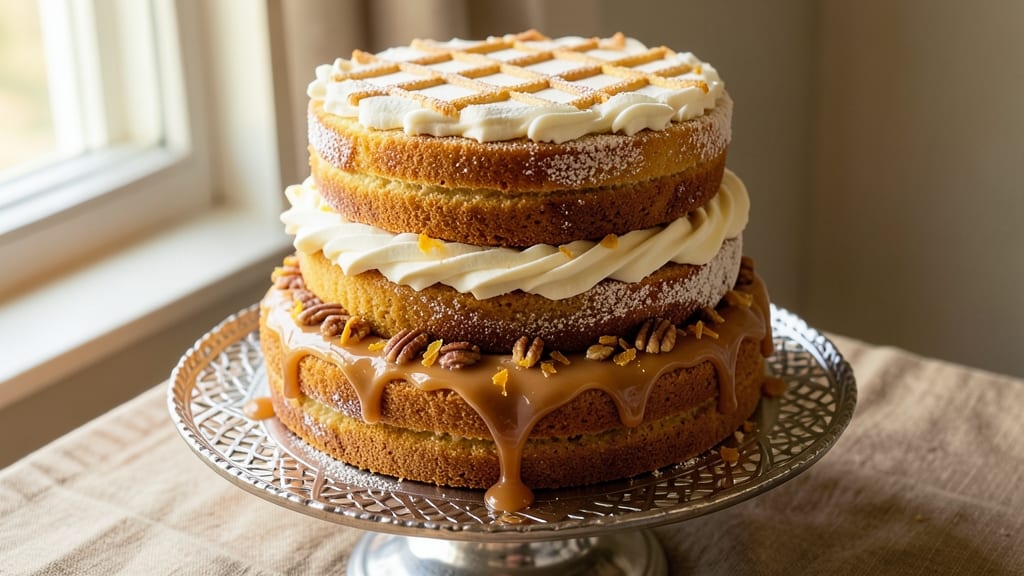
The Elizabeth cake recipe I'm sharing today delivers that perfect balance of velvety moisture and rich buttery frosting that makes every slice unforgettable. This classic layered cake has been a staple in British celebrations for generations, and its simple yet refined technique ensures professional results at home.
The secret lies in precise timing and ingredient ratios that prevent dryness while maintaining structure.
What sets this recipe apart is the moisture-preserving method—using cake flour and buttermilk creates a tender crumb that stays fresh for days. I've tested countless variations, and this version consistently delivers that signature Elizabeth cake texture: soft, slightly dense layers that hold up beautifully under frosting.
The buttercream is where the magic happens, with a perfect balance of sweetness and richness.
By the time you're done, you'll have a cake that looks elegant enough for a tea party but is simple enough for a weeknight dessert. The layers are perfectly aligned, the frosting is smooth and stable, and every bite delivers that harmonious blend of tender cake and velvety frosting.
This is the kind of recipe that becomes a family heirloom—once you master it, you'll never go back to store-bought.
Whether you're celebrating a special occasion or simply craving a classic treat, this recipe scales beautifully for any gathering. The frosting technique I'll share ensures clean layers and professional presentation, while the cake itself stays moist for up to five days when properly stored. Let's create something truly special together.
Ingredients for elizabeth cake
Twelve ingredients transform into layers of velvety perfection with this classic Elizabeth cake recipe.
| Ingredient | Amount | Notes |
|---|---|---|
| All-Purpose Flour 🌾 | 3 cups | Sifted for even texture |
| Cake Flour 🌾 | 1 ½ cups | Essential for tender crumb |
| Unsalted Butter 🧈 | 2 cups | Cold, cubed for creaming |
| Granulated Sugar 🍚 | 2 ½ cups | Superfine preferred for smoothness |
| Buttermilk 🥛 | 1 ½ cups | Room temperature for best results |
| Large Eggs 🥚 | 4 whole | Room temperature, separated |
| Baking Powder 🧂 | 2 tsp | Diamond Crystal preferred |
| Salt 🧂 | ½ tsp | Fine sea salt recommended |
| Vanilla Extract 🌿 | 2 tsp | Pure Madagascar bourbon preferred |
| Powdered Sugar 🍚 | 4 cups | Sifted for smooth frosting |
| Heavy Whipping Cream 🥛 | 1 ½ cups | Cold, full-fat for stability |
| Lemon Zest 🍋 | 1 tbsp | Fresh, organic preferred |
| Lemon Juice 🍋 | 1 tbsp | Freshly squeezed |
The foundation begins with cake flour and buttermilk, the dynamic duo that ensures that signature tender crumb. Cake flour is non-negotiable here—its lower protein content prevents gluten development, creating that delicate texture. For the best results, source cake flour from specialty bakers like King Arthur or Bob's Red Mill, as their finely milled varieties create a smoother batter. Buttermilk should be room temperature when measuring—cold buttermilk curdles when mixed with butter. If you're using powdered buttermilk substitute, add 1 tablespoon vinegar or lemon juice per cup of milk and let it sit for 5 minutes before using. The unsalted butter must be cold when cubed—room temperature butter creates dense layers. Use European-style butter like Plugrá or Kerrygold for superior fat content and flavor. Granulated sugar should be superfine for a smoother texture, though you can pulse regular granulated sugar in a food processor if needed.
No cake flour? Substitute 1.5 cups all-purpose flour minus 2 tablespoons—this adjustment compensates for the higher protein content. Buttermilk substitutes like yogurt or sour cream work in a pinch, but add 1 tablespoon milk to maintain proper liquid balance. For the buttercream, heavy whipping cream is essential—light cream won't whip to the same stability. Powdered sugar should be sifted before whipping to prevent graininess. The lemon zest adds brightness, but if you're avoiding citrus, 1 teaspoon orange zest delivers a similar vibrancy. Vanilla extract quality matters—cheap imitation vanilla lacks depth. Store-bought vanilla sugar can be used, but homemade (simmering vanilla beans in sugar) elevates the flavor significantly. For the eggs, always use room temperature to ensure proper emulsification in the batter.
This cake maintains its moisture for up to 5 days when stored properly in an airtight container at room temperature, away from direct sunlight. Layer separation is prevented by assembling the cake within 2 hours of baking—waiting longer risks dry layers. For longer storage, wrap each layer in plastic wrap, then place in the fridge for up to 3 days or freeze for 3 months. The buttercream can be made 2 days ahead and stored in the fridge, then whipped back to fluffiness with a hand mixer. Room temperature buttercream spreads more easily—let it sit for 10 minutes before frosting. Leftover cake reheats beautifully in the microwave for 10-second intervals or at 300°F for 5 minutes to restore moisture.
Why You'll Love This Recipe
- No Mixer Needed: I swear by this recipe when my hands are full—just fold the dry ingredients into the butter-sugar mix until it comes together like a dream. The buttermilk keeps it tender without a single whisk stroke.
- Buttery-Sweet Magic: That cake flour gives it this light, airy crumb while the butter and sugar create layers of richness you’ll want to sink your teeth into. Honestly, it’s the kind of cake that makes you pause mid-bite just to savor it.
- Birthday or Breakfast: Slice it warm with a pat of butter for a cozy morning, or stack it with fresh berries for a celebration—no one will guess it’s the same base. (Yes, even on a Tuesday night.)
- Pantry Staple Power: You’re already using what’s in your cupboard: flour, sugar, butter—no specialty items, no last-minute grocery runs. And if it lasts more than a day? Toast the leftovers for a second chance at perfection.
Step-by-step instructions for Elizabeth's layered cake
This method delivers professional-level texture and moisture through precise technique.
Cream Butter and Sugars for Maximum Moisture
In a stand mixer fitted with the paddle attachment, combine the 2 cups unsalted butter and 2.5 cups granulated sugar. Beat on medium speed for 5-7 minutes until the mixture becomes pale, fluffy, and nearly doubles in volume. This creaming process incorporates air, which creates the signature tender crumb in Elizabeth's cake.
Here's the thing—stopping too early results in dense layers. You'll know it's ready when the mixture leaves clean streaks on the bowl and forms soft peaks when lifted with the paddle. Scrape down the sides of the bowl with a rubber spatula to ensure even mixing before proceeding.
Incorporate Wet and Dry Ingredients with Precision
Add the 4 whole large eggs, one at a time, mixing on low speed after each addition until fully incorporated. Then add the 1.5 cups buttermilk, 2 tsp vanilla extract, 1 tbsp lemon zest, and 1 tbsp lemon juice. Mix just until combined—overmixing develops gluten and creates a tough crumb.
In a separate bowl, whisk together the 3 cups all-purpose flour, 1.5 cups cake flour, 2 tsp baking powder, and 0.5 tsp salt. Sift the dry ingredients directly into the wet mixture and mix on low speed for 30-45 seconds until just combined. The batter should be smooth with no visible flour streaks, but don't overmix. This ensures a tender, moist crumb rather than a dense one.
Divide and Bake for Even Layers
Divide the batter evenly between three 8-inch round cake pans lined with parchment paper. Tap each pan firmly on the counter to remove any air bubbles. Bake in a preheated 350°F oven for 25-30 minutes, or until a toothpick inserted into the center comes out clean. Rotate the pans halfway through baking for even browning.
Here's where it gets critical: the cake should be moist but fully set. If the tops brown too quickly, tent the pans with aluminum foil. Allow the cakes to cool in the pans for 10 minutes before transferring to a wire rack to cool completely. This gradual cooling prevents cracking and ensures even layers for assembly.
Prepare the Buttery Frosting
In a stand mixer fitted with the whisk attachment, beat the 1.5 cups heavy whipping cream until soft peaks form. Gradually add the 4 cups powdered sugar, mixing on low speed until fully incorporated. Increase the speed to medium-high and whip until the frosting is smooth, glossy, and holds stiff peaks. This step is essential for that signature buttery finish.
For extra flavor, add the 2 tsp vanilla extract and mix until fully combined. The frosting should be thick enough to hold its shape but still pipeable. If it's too soft, chill the bowl in the refrigerator for 10-15 minutes before proceeding. This ensures a stable frosting that won't slide off the layers.
Assemble with Confidence for Perfect Layers
Place the first cake layer on a cake stand or plate. Spread a thin layer of frosting over the top to create a "crumb coat." This prevents crumbs from getting into the final frosting layer. Place the second layer on top and repeat the process. Finally, place the third layer on top and smooth the remaining frosting evenly over the entire cake using an offset spatula.
Chill the cake in the refrigerator for 30 minutes to set the frosting before slicing. This ensures clean, professional-looking layers. Serve at room temperature for the best texture—moist cake with a velvety, buttery finish. The lemon zest and juice in the batter add a subtle brightness that complements the richness of the frosting.
Pro Tips For Making Elizabeth Cake
- Whisk Butter First: Before adding sugar, whip the unsalted butter until it’s pale yellow and room temperature—about 5 minutes with a mixer. I learned this the hard way: cold butter pockets of fat make the cake dense, and skipping this step turns your layers into a brick.
- Sift Cake Flour Twice: Don’t just dump the cake flour into the dry mix—sift it twice (once before measuring, once in the bowl) to break up lumps. The Elizabeth cake relies on that light, airy texture, and unsifted flour will make your layers gummy. (Yes, even if the bag says "pre-sifted.")
- Test Buttermilk Freshness: If your buttermilk smells sour or separates when you shake it, toss it and make a quick sub: mix 1 cup milk + 1 tablespoon lemon juice or vinegar, then let it sit 5 minutes. Old buttermilk throws off the cake’s tender crumb—trust me, I’ve eaten enough sad, curdled batches to know.
- Rotate Pans Mid-Bake: Swap the cake pans from top to bottom rack halfway through baking (around 20 minutes in). The top layer burns while the bottom stays raw if you don’t—this evens the heat and gives you that perfect golden dome. (And no, "just check it sooner" doesn’t work.)
Best sauces and condiments for this elizabeth cake
Classic Vanilla Buttercream
The signature frosting for an Elizabeth cake is a rich vanilla buttercream that complements the cake's tender crumb without overpowering it. Use the 4 cups powdered sugar and 1.5 cups heavy whipping cream from the recipe, but add 2 extra tablespoons of unsalted butter for extra stability.
Whip the buttercream until it reaches stiff peak consistency—this ensures clean layers when assembling. For a smoother finish, sift the powdered sugar before mixing and strain the frosting through a fine-mesh sieve. 🥄
Lemon Curd Filling
Brighten the layers with homemade lemon curd—a tangy contrast to the cake's richness. Mix 1 cup fresh lemon juice, ½ cup granulated sugar, 3 large eggs, and ½ cup unsalted butter in a saucepan over medium heat, stirring constantly until thickened (about 8-10 minutes).
Cool completely before spreading between layers. For extra depth, add 1 teaspoon lemon zest while cooking. This filling keeps the cake moist for days and adds a refreshing citrus note. 🍋
Chocolate Ganache
For a decadent twist, replace the buttercream with a dark chocolate ganache. Melt 12 ounces dark chocolate (70% cocoa) with 1 cup heavy cream over a double boiler, then cool to room temperature before spreading.
The ganache's velvety texture pairs beautifully with the cake's buttery layers. To prevent sliding, chill the cake for 30 minutes before serving. For a milk chocolate version, use 10 ounces milk chocolate instead. 🍫
Raspberry Jam Swirl
Add a fruity surprise by swirling raspberry jam between layers. Use ½ cup high-quality raspberry jam (like Bon Appétit or Smash) warmed slightly to loosen consistency. Spread a thin layer on each cake layer before adding frosting, then use a knife to create swirls.
The jam’s acidity cuts through the richness, balancing the cake’s sweetness. For a strawberry variation, use strawberry jam instead. 🍓
Cream Cheese Frosting
For a lighter alternative, replace the buttercream with cream cheese frosting. Beat 8 ounces cream cheese with 1 cup unsalted butter, 3 cups powdered sugar, and 1 teaspoon vanilla extract until smooth.
This frosting adds a tangy contrast to the cake’s sweetness and holds up well in warmer climates. Chill the frosting for 15 minutes before using to ensure it’s pipeable. 🧀
Caramel Drizzle
Elevate the cake with a salted caramel drizzle. Heat 1 cup granulated sugar in a saucepan until melted, then add ½ cup heavy cream and ½ cup unsalted butter, simmering until thickened. Drizzle over the frosted cake and sprinkle with flaky sea salt (like Maldon).
The caramel’s depth enhances the cake’s buttery notes, while the salt balances sweetness. For a white chocolate caramel, add ½ cup white chocolate chips to the saucepan. 🍯
Nutrition facts
Frequently asked questions
Why does this Elizabeth cake recipe use both all-purpose and cake flour?
The combination creates the perfect texture: cake flour (with its lower protein content) delivers that signature tender crumb, while all-purpose flour provides just enough structure to hold its shape. This balance prevents the cake from being too delicate or too dense. The 1.5 cups cake flour is key for that classic moist, velvety texture.
Can I make this cake without buttermilk?
Yes! Substitute with 1.5 cups plain yogurt or sour cream plus 1 tablespoon milk to maintain moisture. For a dairy-free option, use 1.5 cups unsweetened almond milk mixed with 1 tablespoon vinegar or lemon juice—let it sit for 5 minutes to curdle. The acidity in buttermilk helps tenderize the crumb, so these substitutes work best.
How do I prevent my cake layers from cracking?
Cracking usually happens from uneven cooling or overmixing. Let the cakes cool in pans for 10 minutes before transferring to a rack, and avoid opening the oven door too early. Also, don’t overmix the batter—stop as soon as the dry ingredients are just combined. The buttermilk and cake flour in this recipe naturally prevent excessive gluten development.
Can I bake this cake in a different-sized pan?
Yes, but adjust baking time and temperature. For 9-inch pans, reduce oven temp to 340°F and bake 20-25 minutes. For 6-inch pans, increase to 360°F and bake 30-35 minutes. Always check doneness with a toothpick. The cake should be set but still moist—overbaking dries it out.
How long can I store the assembled cake?
At room temperature in an airtight container, this cake stays fresh for 5 days. For longer storage, wrap each layer in plastic wrap and refrigerate for up to 3 days or freeze for 3 months. The frosting can be made 2 days ahead—just whip it back to fluffiness before using.