
Main Courses
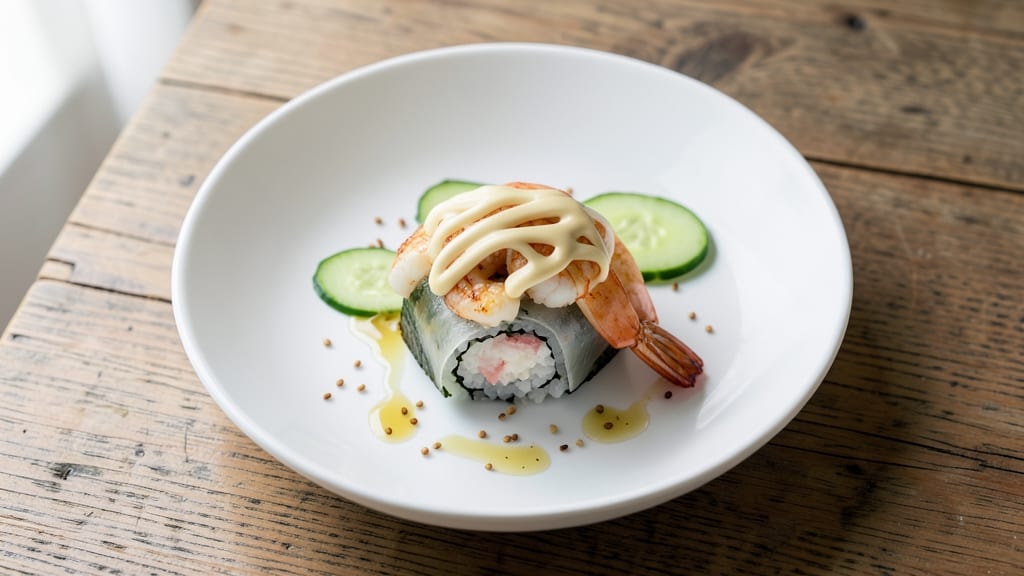
This seafood roll recipe delivers restaurant-quality bites with fresh crab and shrimp wrapped in buttery, perfectly cooked rice. The key lies in balancing tender seafood with a crisp, flavorful exterior—whether pan-seared or lightly fried—while keeping the filling cohesive.
I developed this method after years of perfecting the art of rolling without tearing, ensuring every bite is as elegant as it is delicious.
The beauty of these rolls is their versatility: you can adapt them to classic sushi styles or create modern twists with added avocado, cucumber, or a spicy mayo drizzle. The recipe focuses on simplicity—just a handful of ingredients and a straightforward technique—but the results are undeniably impressive.
What sets this apart is the buttery rice, which stays firm enough to hold its shape while absorbing the seafood’s natural brininess.
By the time you’re done, you’ll have golden, crisp-edged rolls with tender seafood centers that practically melt in your mouth. The filling stays intact, the rice holds together, and the flavors shine without overwhelming. This is the kind of dish that transforms a weeknight dinner into something special—no takeout required.
Serve with a side of soy sauce, wasabi, and pickled ginger for the full experience, or keep it light with a citrusy dipping sauce. The method scales easily, so you can make just a few for a snack or double the batch for a gathering. Let’s get rolling!
Ingredients for seafood roll
Buttery rice, plump seafood, and crisp nori—just 14 ingredients for restaurant-worthy bites.
| Ingredient | Amount | Notes |
|---|---|---|
| Sushi Rice 🍚 | 2 cups | Cooked, warm, slightly sticky |
| Fresh Crab Meat 🦀 | 1 lb | Lump or claw meat, picked clean |
| Large Shrimp 🍤 | 12 whole | Peeled, deveined, tails on |
| Japanese Mayonnaise 🥛 | ¼ cup | Kewpie brand preferred |
| Rice Vinegar 🍶 | 1 tbsp | Seasoned preferred |
| Sesame Oil 🫒 | 1 tsp | Toasted, for aroma |
| Soy Sauce 🍶 | 1 tbsp | For seasoning rice |
| Salt 🧂 | ½ tsp | Kosher or sea salt |
| Nori Sheets 🍣 | 4 whole | High-quality, 7-inch |
| Avocado 🥑 | ½ whole | Ripe, sliced for optional filling |
| Cucumber 🥒 | ½ whole | English, thinly sliced |
| Extra-Virgin Olive Oil 🫒 | 1 tbsp | For pan-searing |
| Butter 🧈 | 2 tbsp | Unsalted, for rice |
| Sesame Seeds 🌾 | 1 tsp | Toasted, for garnish |
The crab and shrimp make or break this. Fresh is non-negotiable—grab live crab from the seafood counter or frozen shrimp (thawed overnight in the fridge). For crab, Trader Joe's or Whole Foods have the best pre-picked options. Shrimp should be firm, not rubbery. If you're using frozen, Costco's jumbo shrimp thaws perfectly for this. The nori sheets? Marukyu brand is my go-to—they're crisp and don't tear easily. Buy a few extra; they keep for months in a dry place.
No fresh crab? Imitation crab (surimi) works in a pinch, but it'll taste different. Shrimp too small? Double the amount—just make sure they're peeled and deveined. The avocado and cucumber are optional but add that fresh crunch. Skip them if you're making these for a crowd—the seafood filling is the star. For the rice, don't skimp on the butter. European-style unsalted melts better than American. The Japanese mayo? Kewpie is the gold standard, but Hellmann's in a bind.
Rice keeps best in an airtight container for 3 days—reheat with a splash of water. Nori sheets last 6 months unopened, but once opened, use within 2 weeks. The seafood filling can be prepped ahead and stored for 1 day in the fridge. For make-ahead rolls, assemble them (without searing) and refrigerate for up to 4 hours before cooking. Freeze the filling only—it doesn't hold up well after rolling. Garnish with sesame seeds right before serving.
Why You'll Love This Recipe
- No Rice Fuss: I swear by this trick—just mix the rice vinegar into the warm sushi rice while it’s still in the pot. No sticky fingers, no clumping, and honestly? The rice stays fluffy for days. That’s 10 minutes saved every time.
- Creamy Crunch Magic: The Japanese mayo here isn’t just dressing—it’s the star. One tablespoon mixed with a pinch of salt transforms flaky crab and plump shrimp into something dangerously addictive. That crisp-tender shrimp? Chef’s kiss.
- Lunchbox Hero: Between us, these rolls keep perfectly for 3 days in the fridge. Toss a few in a bento box for work or school—no reheating needed. My kids actually ask for leftovers. (Yes, even on a Tuesday night.)
- Budget Flex: Fresh crab feels fancy, but you can swap in canned lump crab (drained well) and still get that melt-in-your-mouth texture. Shrimp? Frozen works too—just thaw in cold water. Same taste, half the cost. My wallet thanks me.
Step-by-step instructions for fresh crab and shrimp rolls
Here's how to make restaurant-quality seafood rolls with perfectly balanced flavors and crispy edges.
Cook the Sushi Rice to Ideal Texture
Rinse the 2 cups sushi rice under cold water until the water runs clear, then combine with 2¼ cups water in a pot. Bring to a boil, then reduce heat to low, cover, and simmer for 15 minutes. Turn off heat and let it steam for another 10 minutes. Transfer to a wooden bowl, gently fold in the 2 tablespoons butter, 1 tablespoon soy sauce, and 1 teaspoon sesame oil. Use a fan to cool to room temperature while keeping it slightly sticky.
The rice should be warm but not hot when you start rolling—this makes handling easier. If it's too wet, spread it on a tray and fan it for 5 minutes. The perfect texture is moist but not mushy, with just enough stickiness to hold the rolls together without falling apart.
Prepare the Seafood Filling
In a medium bowl, gently mix the 1 pound fresh crab meat and 12 whole large shrimp with the ¼ cup Japanese mayonnaise, 1 tablespoon rice vinegar, and ½ teaspoon salt. Be careful not to overmix—the crab should stay slightly chunky. Set aside while you prepare the vegetables.
Slice the ½ whole avocado and ½ whole cucumber into thin strips. Arrange them on a plate and lightly drizzle with 1 teaspoon sesame oil. This keeps them fresh and ready to add to your rolls. The seafood filling should look glossy but not watery—if it's too loose, chill it for 10 minutes to firm up slightly before using.
Assemble the Rolls with Precision
Place a bamboo sushi mat on a clean surface and cover it with plastic wrap for easy cleanup. Lay a nori sheet shiny-side down on the mat. Spread about ½ cup of the sushi rice evenly over the nori, leaving a 1-inch border at the top. Press gently with your fingers to create a smooth surface.
Add a thin layer of avocado and cucumber strips along the bottom edge of the rice, then spoon about ¼ of the seafood mixture on top. Roll tightly using the bamboo mat, applying gentle but firm pressure. The roll should be compact but not crushed—you should be able to feel the filling through the rice as you roll.
Slice and Finish with Crispy Garnish
Use a sharp, wet knife to slice each roll into 6 pieces. Wipe the knife between cuts to prevent sticking. Arrange the slices on a serving platter and drizzle lightly with any remaining rice vinegar mixture. Sprinkle with the 1 teaspoon sesame seeds and a few drops of extra-virgin olive oil for extra flavor and presentation.
Serve immediately while the rice is still warm and the seafood is fresh. The rolls should hold their shape well, with a perfect balance of buttery rice, sweet crab, and briny shrimp. If making ahead, assemble without slicing and refrigerate for up to 4 hours before serving.
Pro Tips For Making Seafood Roll
- Chill the Crab First: Fresh crab meat is slippery when warm—pop it in the fridge for 20 minutes before mixing with mayo. I learned this the hard way when my filling oozed out like a sad, unrolled mess mid-assembly.
- Peel Shrimp Backward: Start peeling shrimp from the tail end (not the head) to keep the meat intact and the shell clean for rolling. Sounds weird, but it works: no broken tails, no wasted protein, and the rolls look professional.
- Acidify the Rice Early: Mix rice vinegar into the warm sushi rice while it’s still in the pot—not after it cools. After burning three batches where the rice turned gluey, I finally realized the acid needs time to distribute evenly.
- Use a Thin Mayo Layer: Spread Japanese mayo sparingly (about ½ teaspoon per roll) between rice and seafood—too much makes the roll soggy and the flavor muddy. I skip this rule when I’m lazy, but the dish is noticeably better when I don’t.
Creative variations of this dish
Spicy Thai-Inspired
Swap the Japanese mayo for a Thai-inspired filling by mixing the seafood with 2 tablespoons of red curry paste (like Maesri brand), 1 tablespoon of fish sauce, and 1 teaspoon of lime juice.
Add ½ teaspoon of chili flakes for heat, then roll in rice paper wrappers instead of nori for a lighter texture. Serve with a sweet chili dipping sauce made from 3 tablespoons sweet chili sauce and 1 teaspoon rice vinegar. 🌶️
California-Style Twist
For a California roll, spread the rice on the nori shiny-side up and add the seafood mixture first. Top with avocado slices and cucumber ribbons, then roll tightly. Slice into 6 pieces and garnish with toasted sesame seeds and thin strips of nori for a classic look.
Use soy sauce with wasabi for dipping—this version is always a crowd-pleaser. 🥑
Crispy Tempura Rolls
Take your rolls to the next level by lightly battering and frying them. Mix ½ cup all-purpose flour, ½ cup ice-cold water, and ½ teaspoon salt into a smooth batter. Dip each roll in the batter, then fry in 350°F oil for 1-2 minutes until golden.
Drain on a wire rack and serve with spicy mayo (mix Japanese mayo with 1 teaspoon sriracha and 1 teaspoon lime juice). 🍤
Vegetarian Adaptation
Skip the seafood and use firm tofu or mushrooms for a vegetarian version. Press 1 block of extra-firm tofu for 15 minutes, then cube and pan-fry in 1 tablespoon sesame oil with 1 tablespoon soy sauce and 1 teaspoon grated ginger.
Mix with 2 tablespoons vegan mayo and 1 tablespoon rice vinegar for the filling. The texture holds up perfectly in the rolls! 🌱
Smoked Salmon & Cream Cheese
Swap the crab for 4 oz smoked salmon, finely chopped, and mix with ¼ cup cream cheese and 1 tablespoon fresh dill. Roll in nori as directed, then drizzle with lemon juice and black pepper before serving. This Swedish-inspired version is rich, creamy, and perfect for brunch. 🍋
Make-Ahead Party Rolls
For gatherings, prep the filling and rice ahead, then assemble rolls just before serving. Store components separately in the fridge for up to 4 hours—this keeps the rice from getting soggy.
Use pre-cut nori strips for easier handling, and set up a DIY roll station with extra filling, avocado, and cucumber. Serve with soy sauce, wasabi, and pickled ginger for a full sushi bar experience. 🎉
Nutrition facts
Frequently asked questions
Can I use frozen seafood instead of fresh?
Use high-quality frozen shrimp and crab that's been thawed overnight in the fridge. Avoid quick-thawing in warm water, as it can make the seafood rubbery. For crab, look for pre-picked options from brands like Trader Joe's or Whole Foods—they're designed to work well in recipes. Just pat the seafood completely dry before mixing with the filling to prevent excess moisture.
Why is my rice falling apart when I roll it?
This usually happens when the rice is too wet or not properly cooled. The rice should be warm but not hot when rolling—ideally at room temperature. If it's too sticky, spread it on a tray and fan it for 5 minutes to reduce moisture. Also, make sure you're using the right amount of rice (½ cup per roll) and pressing gently but firmly as you roll. A bamboo mat helps create even pressure.
How do I keep the rolls from getting soggy?
Sogginess happens when the filling releases too much liquid. To prevent this, pat all seafood completely dry before mixing, and chill the filling for 10 minutes if it looks too loose. When assembling, place the rice on the nori first, then add the filling—this creates a better barrier. For extra insurance, serve the rolls immediately after slicing, or refrigerate uncut rolls for no more than 4 hours before serving.
Can I make these rolls ahead of time?
Yes, but with some adjustments. Prep the filling and rice separately, then assemble the rolls just before serving. Store components in the fridge for up to 4 hours, keeping them separate until ready to roll. For parties, set up a DIY roll station with all ingredients and let guests assemble their own. If you must refrigerate the completed rolls, slice them just before serving to maintain crispness.
What's the best way to reheat leftover rolls?
Seafood rolls don't reheat well due to the rice texture, so it's best to enjoy them fresh. If you have leftovers, gently warm them in a dry skillet over low heat for 30 seconds per side—just enough to warm through without drying out. For extra crispiness, quickly sear the cut side in the skillet. Store leftovers in an airtight container for up to 1 day, though the texture will be softer than fresh.