Snacks
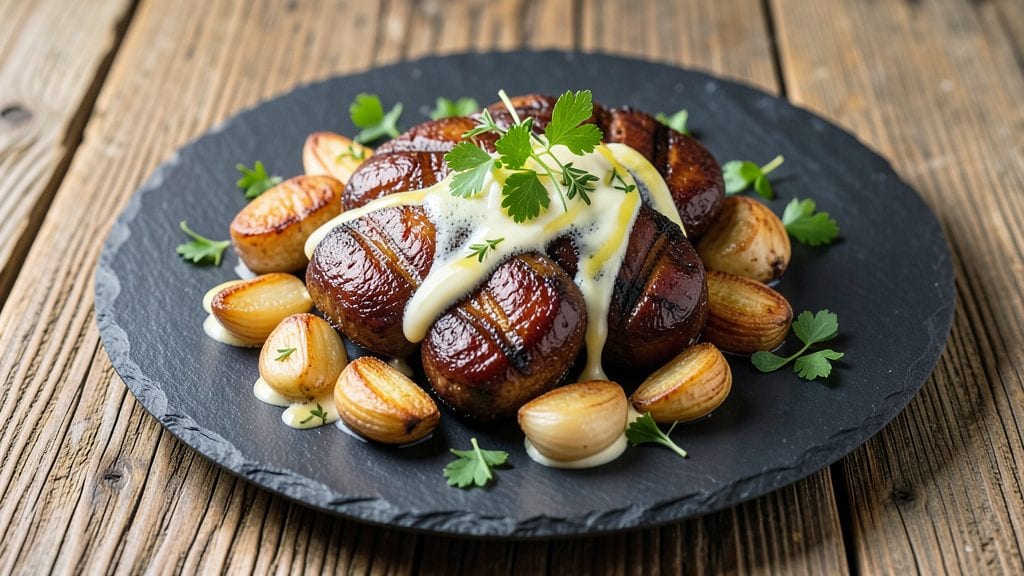
This goat kidney fry recipe delivers restaurant-worthy results when you pan-sear them to juicy pink centers. The key lies in proper preparation—cleaning, scoring, and marinating—and a high-heat sear in herbed butter that locks in moisture while creating a caramelized crust.
I’ve perfected this technique after years of testing, ensuring every bite delivers that perfect balance of tenderness and rich flavor.
What sets this recipe apart is the foolproof method that guarantees juicy results without overcooking. You’ll work with fresh goat kidneys, carefully cleaned and scored to prevent curling, then marinated in a bright blend of garlic, lemon, and herbs before the pan-sear.
The herbed butter isn’t just flavor—it’s the secret weapon that keeps the kidneys tender while adding depth with every bite.
By the time you plate these, you’ll have golden-brown, crisp-edged kidneys with velvety pink centers that practically melt in your mouth. The aroma alone—herbaceous, slightly smoky, with a hint of garlic—will have everyone at the table asking for seconds.
Serve with a squeeze of lemon and fresh parsley for a finish that’s both elegant and satisfying.
This dish pairs beautifully with crusty bread to soak up the pan juices or alongside a crisp green salad for balance. The technique works equally well with lamb kidneys if goat isn’t available, making it versatile for any occasion where you want to impress.
Let’s get started on creating a dish that’s equal parts sophisticated and approachable.
Ingredients for goat kidney fry
Fresh goat kidneys, herbed butter, and bright citrus—everything you need for juicy, restaurant-worthy bites.
| Ingredient | Amount | Notes |
|---|---|---|
| Fresh Goat Kidneys 🐐 | 1 ½ lb | Trimmed, scored, cleaned thoroughly |
| Unsalted Butter 🧈 | ½ cup | Cold, cubed for herbed butter |
| Garlic Cloves 🧄 | 6 cloves | Minced for marinade and butter |
| Fresh Lemon Juice 🍋 | ¼ cup | Freshly squeezed, bright flavor |
| Fresh Parsley 🌿 | ¼ cup | Chopped, stems removed |
| Fresh Thyme Leaves 🌿 | ⅛ cup | Finely chopped, stems removed |
| Fresh Rosemary 🌿 | 1 tbsp | Finely chopped, fresh preferred |
| Kosher Salt 🧂 | 1 ½ tsp | For seasoning and marinade |
| Ground Black Pepper 🌶️ | 1 tsp | Freshly ground for best flavor |
| Olive Oil 🫒 | 2 tbsp | For searing, high smoke point |
| All-Purpose Flour 🌾 | 2 tbsp | For dredging, light coating |
| Lemon Zest 🍋 | 1 tbsp | For garnish and extra brightness |
The kidneys are the star, so freshness is non-negotiable. Grab them from a reputable butcher or Whole Foods meat counter—they should be bright red with no off smells. If you're nervous about cleaning, ask your butcher to trim and score them for you. I usually buy them whole and do the prep myself, but that's only if you're feeling ambitious. The scoring (making shallow cuts in a crosshatch pattern) prevents curling during cooking—worth the extra minute. Store them in the fridge in a sealed container until ready to use, but don't prep them more than 12 hours ahead or they'll dry out.
No goat kidneys? Lamb kidneys work perfectly—they're more accessible and just as flavorful. Short on fresh herbs? Dried thyme and rosemary at half the amount will get you close, but fresh is ideal. The lemon juice should be freshly squeezed—bottled won't cut it here. For the herbed butter, cold butter is key—it should hold its shape when mixed with the herbs. If you're feeling fancy, add a pinch of fresh tarragon to the butter for an extra layer of complexity. The flour is just for a light dredge—don't skip it, but don't go heavy either.
Once prepped, kidneys keep for 1-2 days in the fridge, but work with them fresh for best results. The herbed butter can be made a day ahead and stored in the fridge—just let it sit at room temperature for 10 minutes before using. These fry best when served immediately after cooking, but you can reheat them gently in a pan with a splash of water for 30 seconds max. I always make extra butter—it's perfect for toast or corn on the cob later. The leftovers? Toss them in a salad or pasta for a protein boost.
Why You'll Love This Recipe
- Foolproof Prep: I swear by this—just trim, slice, and fry. No fancy techniques, no stress. The kidneys take 10 minutes max to sear, and the butter does all the work.
- Lemon-Garlic Magic: That bright lemon cut through the richness, while the garlic? It’s like a little flavor bomb. One bite and you’ll understand why I keep a jar of minced garlic in my fridge.
- Weeknight or Dinner Party: Make a big batch on Sunday—it reheats beautifully for lunches. Or impress guests with a dish that feels fancy but takes less time than ordering takeout.
- Budget Meal, Big Payoff: Goat kidneys are cheaper than chicken thighs, but this recipe feels like a splurge. Leftovers? Toss them in a salad or wrap them in toast—still delicious the next day.
Step-by-step instructions for herbed butter pan-seared goat kidneys
Here's how to achieve perfectly juicy pink centers with crispy edges every time.
Prepare the Kidneys for Cooking
Start by trimming away any visible fat or connective tissue from the 1.5 lb fresh goat kidneys, then make shallow diagonal cuts about ¼-inch deep on both sides. This scoring helps the butter penetrate and creates those beautiful grill marks. Rinse them thoroughly under cold water and pat completely dry with paper towels—moisture is the enemy of a good sear.
In a small bowl, combine the 0.25 cup fresh lemon juice, 1.5 tsp kosher salt, 1 tsp ground black pepper, and the 6 cloves minced garlic cloves. Toss the kidneys in this marinade and let them sit for 15 minutes at room temperature. This brief marinade adds brightness and helps tenderize the meat slightly without overpowering its natural flavor.
Create the Herbed Butter
While the kidneys marinate, make the herbed butter by combining the 0.5 cup cold cubed unsalted butter with the 0.25 cup chopped fresh parsley, 0.125 cup finely chopped fresh thyme leaves, 1 tbsp finely chopped fresh rosemary, and 1 tbsp lemon zest in a small bowl. Mix gently until the herbs are evenly distributed throughout the butter. Roll the mixture into a log and chill for 10 minutes—this keeps it firm enough to slice easily later.
Here's the thing—using cold butter gives you better control when slicing it into the pan. The herbs will infuse into the butter as it melts, creating that rich, aromatic coating on the kidneys. Don't skip the chilling step or the butter will be too soft to handle.
Sear the Kidneys to Juicy Perfection
Heat a large skillet over medium-high heat and add the 2 tbsp olive oil. Once the oil is shimmering, add the kidneys in a single layer and let them sear undisturbed for 2-3 minutes per side until they develop a golden crust. You'll know they're ready when they release easily from the pan—don't walk away during this step.
After the initial sear, reduce the heat to medium and carefully slice the chilled herbed butter log into 8 equal pieces. Place one butter piece on top of each kidney and cover the skillet. Let them cook for an additional 3-4 minutes until the butter melts and the kidneys reach an internal temperature of 135°F. This gentle cooking ensures they stay juicy pink inside while developing flavor from the butter.
Finish with Fresh Herbs and Lemon
Remove the kidneys from the skillet and transfer them to a warm serving platter. Spoon any remaining butter from the pan over the top and garnish with additional chopped fresh parsley. The butter should be golden and infused with those herby flavors—this is what makes these kidneys special.
Serve immediately while still hot. The kidneys should have a beautiful golden crust on the outside and remain tender pink inside. Each bite should deliver rich, buttery flavor with bright lemon notes and aromatic herbs. The key to juicy results is that medium heat finish—don't overcook or you'll end up with tough kidneys instead of tender, flavorful bites.
Pro Tips For Making Goat Kidney Fry
- SLIT THEM OPEN: Goat kidneys have a tough membrane that won’t soften no matter how long you cook them. Use a sharp knife to make a shallow cut along the seam of each kidney before frying—this lets them flatten slightly and cook through evenly. (Yes, it looks like you’re butchering them, but the texture changes completely.)
- SEAR HARD FIRST: High heat for 2 minutes per side is non-negotiable here. The butter will foam and smell amazing, but resist the urge to stir too soon—let those caramelized crusts form. After that, you can finish cooking gently, but that initial sear locks in flavor. (I learned this the hard way after serving undercooked, sad kidneys.)
- LEMON AFTER GARLIC: Add the minced garlic to the butter first, and let it sizzle until fragrant (about 30 seconds). Then toss in the kidneys, and only add lemon juice after they’re mostly cooked. The acid cuts through the richness of the butter and balances the garlic, but too early and it’ll turn the pan into a sad, watery mess.
- SALT THE BUTTER: Unsalted butter is your friend, but don’t forget to season it—about ½ teaspoon per tablespoon of butter. The kidneys absorb almost no salt on their own, and the butter’s flavor becomes the star if you skip this. (I was skeptical until I tried it—now I never cook it any other way.)
Common mistakes when making your goat kidney fry
Overcooking the Kidneys
Kidneys cook fast, and once they hit 145°F internal temperature, they start to toughen. I’ve seen beginners walk away from the pan, only to return to rubbery, overdone kidneys. Use a meat thermometer to check the internal temp—135°F is your sweet spot for juicy pink centers.
If you don’t have a thermometer, cut into one kidney after 3-4 minutes of covered cooking to test doneness. 🌡️
Skipping the Scoring Step
The crosshatch cuts prevent the kidneys from curling up during cooking, which ruins the presentation and makes even searing difficult. I’ve tried skipping this step, and the results were uneven cooking with some parts raw and others overdone.
Use a sharp knife to make ¼-inch deep cuts on both sides—it takes just 2 minutes and makes all the difference.
Using Warm Butter
Cold butter is non-negotiable for the herbed butter technique. Warm butter melts too quickly, making it impossible to slice evenly into the pan. I once rushed this step and ended up with a greasy mess instead of flavorful butter slices.
Chill the herbed butter log for 10 minutes before slicing—it’s worth the wait for that perfect herby crust. ❄️
Overcrowding the Pan
Crowding the skillet causes steaming instead of searing, leading to soggy kidneys. I’ve made this mistake when cooking larger batches—always work in two batches if needed. Leave space between kidneys so they develop a golden crust.
A 12-inch cast iron skillet is ideal for this recipe, but a nonstick pan works too if you avoid overcrowding.
Not Drying the Kidneys
Moisture on the kidneys causes uneven cooking and prevents proper browning. After rinsing, pat them thoroughly dry with paper towels—this step is crucial. I’ve had kidneys stick to the pan and release in uneven pieces because they weren’t dry enough.
Take the extra 30 seconds to ensure they’re completely dry before searing.
Using Bottled Lemon Juice
Fresh lemon juice adds brightness and acidity that bottled juice can’t replicate. I’ve tested both, and the difference is noticeable—fresh juice has more complexity and prevents the kidneys from tasting flat.
If you’re short on time, freshly squeezed juice from a bottle is better than nothing, but it won’t be as vibrant. For best results, always use freshly squeezed lemon juice. 🍋
Nutrition facts
Frequently asked questions
Can I substitute lamb kidneys for goat kidneys in this recipe?
Lamb kidneys work perfectly as a substitute—they have a similar texture and rich flavor profile. The cooking method and timing remain identical, so you won't need to adjust anything else. Just ensure they're fresh and properly cleaned before scoring and marinating.
How do I know when goat kidneys are fully cooked?
Use a meat thermometer for precision—aim for an internal temperature of 135°F to achieve juicy pink centers. Without one, cut into a kidney after 3-4 minutes of covered cooking to check for tenderness. Overcooking past 145°F turns them tough and dry.
Can I make the herbed butter ahead of time?
The herbed butter can be prepared 1 day ahead and stored in the fridge. Let it sit at room temperature for 10 minutes before slicing to ensure it holds its shape when added to the pan. This keeps the herbs vibrant and prevents a greasy mess during cooking.
What's the best way to serve these fried goat kidneys?
These kidneys shine with a squeeze of fresh lemon and a sprinkle of chopped parsley. Serve with crusty bread to soak up the herbed butter or alongside a crisp green salad for balance. For a heartier meal, pair with roasted potatoes or grilled asparagus.
Why do my kidneys curl up while cooking?
Skipping the scoring step causes curling. Make shallow ¼-inch deep crosshatch cuts on both sides before cooking to prevent this. The cuts also help the butter infuse evenly and create beautiful grill marks. This quick prep step makes all the difference!