Sauces & Condiments
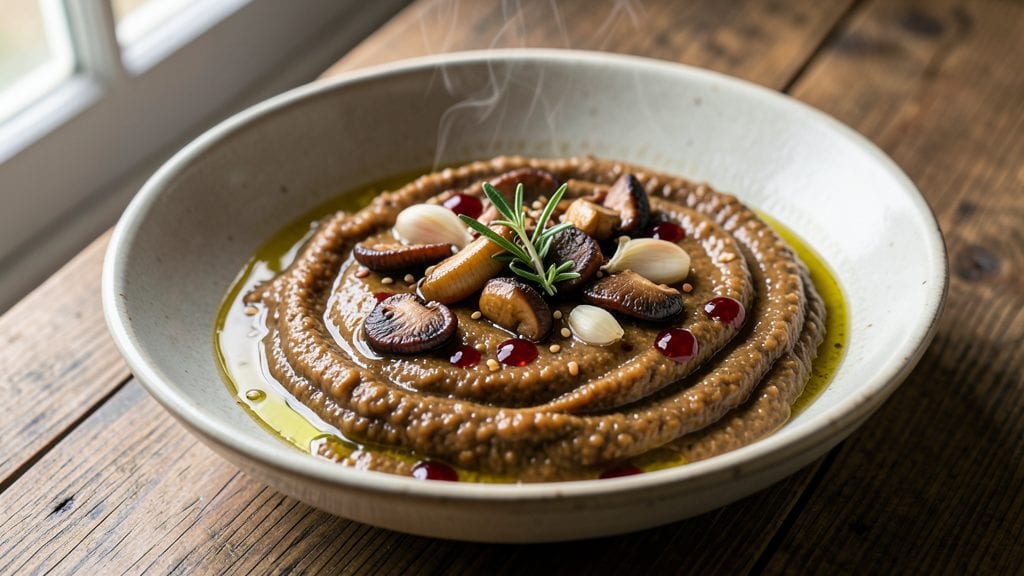
This vegan mushroom broth paste transforms ordinary soups and stews into umami-packed masterpieces with just a spoonful. 💫 I first discovered its magic while cooking for a crowd—what started as a simple sauce became the secret weapon that elevated every dish.
The key is slow-cooking dried mushrooms until they release their deep, earthy essence, then blending them into a thick, spreadable paste that clings to noodles and vegetables like a flavor bomb.
What makes this recipe special is how it concentrates flavor without any added fat or dairy. You’ll use just 5 ingredients—dried mushrooms, vegetable broth, garlic, and a touch of soy sauce—to create a paste so rich, it turns even the simplest vegetable soup into something restaurant-worthy.
The process is simple: simmer, blend, and reduce until you have a dark, glossy paste that’s ready to transform your cooking.
Imagine stirring this paste into a pot of lentil soup and watching the broth darken into something complex and savory, or drizzling it over roasted vegetables for an instant depth of flavor. It’s the kind of condiment that makes you feel like a chef without any fancy techniques.
The best part? It keeps for months in the fridge, so you’ll always have an umami boost on hand.
Perfect for soups, stews, marinades, or even as a glaze for meats—this paste is a game-changer for anyone who loves bold, vegetarian-friendly flavors. Let’s get started!
Ingredients for mushroom broth paste
Five ingredients, one umami powerhouse. Transform soups and stews effortlessly with this vegan magic paste.
| Ingredient | Amount | Notes |
|---|---|---|
| Dried Shiitake Mushrooms 🍄 | ½ cup | Whole or sliced, high-quality preferred |
| Vegetable Broth 💧 | 2 cups | Low-sodium, homemade or quality store-bought |
| Garlic Cloves 🧄 | 4 cloves | Peeled, roughly chopped for depth |
| Tamari or Soy Sauce 🍶 | 1 tbsp | Gluten-free tamari for vegan option |
| Extra-Virgin Olive Oil 🫒 | 2 tbsp | High-quality, fruity variety |
The mushrooms are the heart of this paste—shiitake for their deep, earthy flavor, but porcini or oyster mushrooms work too. Trader Joe's and Whole Foods carry high-quality dried varieties in bulk, which keeps better than pre-packaged. If you're using whole mushrooms, don’t skip the soaking step—it plumps them up and extracts more flavor. The garlic should be fresh, not powdered—roasted garlic adds a sweet, caramelized depth, but regular minced works just fine. For the broth, homemade is ideal, but Pacific Foods or Imagine brands are solid store-bought options. Low-sodium is key—you don’t want to overpower the natural umami.
No shiitake? Porcini or cremini mushrooms are great substitutes—they’re milder but still pack a punch. Running out of tamari? Coconut aminos work in a pinch, though the flavor will be slightly sweeter. The olive oil isn’t just for moisture; it carries the fat-soluble flavors and creates that glossy, spreadable texture. Avocado oil is another great option if you prefer a higher smoke point. If you’re making a big batch, double the ingredients—this paste freezes beautifully. For extra richness, add a pinch of miso paste (vegan, of course) or a splash of red wine to the simmering broth. Just don’t skip the garlic—it’s the bridge between savory and sweet in this paste.
This paste keeps for up to 6 months in the fridge, sealed in an airtight jar with a thin layer of olive oil on top to preserve freshness. For longer storage, freeze in ice cube trays—just pop out a cube whenever you need a quick umami boost. It reheats beautifully, so toss a spoonful into simmering soups, stir into marinades, or even drizzle over roasted vegetables. A little goes a long way—start with 1 teaspoon per serving and adjust to taste. The flavor only gets better with time, so don’t hesitate to make a big batch. Trust me, you’ll be reaching for this jar more than you think.
Why You'll Love This Recipe
- No-Soaking Needed: The dried shiitake mushrooms just bloom in warm broth—no hours of soaking, no fuss. I toss them in hot vegetable broth for 15 minutes, and they soften into that perfect, meaty texture without extra work. Honestly, it’s the kind of shortcut that makes me actually want to cook.
- Umami Bomb: That first spoonful of paste? Chef’s kiss. The shiitake’s deep earthiness, the punch of garlic, and the tamari’s salty richness—it’s like a flavor explosion in your mouth. Drizzle it over roasted veggies or toss it into pasta, and suddenly, everything tastes ridiculously better.
- Pantry Magic: This stuff lasts for weeks in the fridge, and I’ve used it for everything from glaze for grilled chicken to a quick stir-fry sauce. Between us, it’s my secret weapon for turning simple meals into something special—no last-minute grocery runs required.
- Budget Booster: A few dried mushrooms and a splash of tamari stretch into so much paste, and it’s way cheaper than store-bought sauces. I’ll be real: I make a big batch on Sundays, freeze half, and then I’ve got flavor on demand for the whole week. Zero waste, maximum flavor.
Step-by-step instructions for mushroom broth paste
This umami-rich paste transforms simple soups into flavor powerhouses with minimal effort.
🍳 Step 1: Rehydrate the Dried Shiitake Mushrooms
Place the 0.5 cup dried shiitake mushrooms in a small bowl and cover them with 1 cup of hot vegetable broth (reserve the remaining 1 cup vegetable broth for later). Let them soak for 15-20 minutes until they've absorbed the liquid and expanded significantly. You'll see them swell to about 3-4 times their original size, developing a deep, earthy aroma that signals they're ready.
Drain the mushrooms, reserving the soaking liquid. This liquid is pure umami gold—don't pour it down the drain! It contains concentrated mushroom flavors that we'll incorporate back into our paste. The rehydrated mushrooms should feel soft and pliable, almost like fresh mushrooms but with intensified flavor. If they still feel tough, give them a quick pulse in a food processor to break them down further.
🔥 Step 2: Sauté Garlic and Mushrooms in Olive Oil
Heat the 2 tablespoons extra-virgin olive oil in a small saucepan over medium heat until it shimmers but doesn't smoke. Add the 4 cloves roughly chopped garlic cloves and sauté for 30 seconds until they're fragrant but not browned—this prevents bitterness. Immediately add the rehydrated mushrooms and any reserved soaking liquid.
Cook for 5-6 minutes until the mushrooms release their moisture and reduce down, creating a thick, syrupy consistency. You'll notice the mixture darkens slightly and develops an intense, savory aroma. This is where the magic happens—the mushrooms break down into a concentrated paste that carries incredible depth of flavor. Stir occasionally to prevent sticking, but don't over-stir or you'll lose that caramelized depth.
🥘 Step 3: Build Depth with Tamari and Simmer
Pour in the 1 tablespoon tamari or soy sauce and add the remaining 1 cup vegetable broth. Bring the mixture to a gentle simmer, then reduce heat to low and let it cook uncovered for 8-10 minutes. You're looking for the liquid to reduce by about half, creating a thick, glossy paste that coats the back of a spoon. The color should deepen to a rich, amber hue.
Here's where the tamari works its magic—it adds both saltiness and complexity to the umami profile. Taste the mixture as it reduces. You should detect layers of savory, slightly sweet, and funky mushroom flavors with a subtle salty kick. If it's too thin at this point, simmer for another 2-3 minutes to reach your desired consistency. The paste should be thick enough to hold its shape when spooned but still spreadable.
🔪 Step 4: Process into Silky Smooth Paste
Transfer the reduced mushroom mixture to a blender or food processor. Blend until completely smooth, scraping down the sides as needed. You're aiming for a velvety texture with no visible chunks. This step ensures every spoonful delivers consistent, intense flavor throughout your dishes. The paste should be thick enough to cling to the sides of the blender when poured back in.
For an extra-smooth finish, strain the paste through a fine-mesh sieve to remove any remaining fibrous bits. This is particularly helpful if you used whole dried shiitake mushrooms that didn't break down completely during cooking. The final product should be a deep amber paste with an irresistible, complex aroma that makes your mouth water. Store it in an airtight container in the refrigerator for up to 2 weeks, or freeze for up to 3 months for long-term use.
Pro Tips For Making Mushroom Broth Paste
- Soak Shiitakes Twice: DESCRIPTION: First soak dried shiitakes in hot water for 20 minutes to soften, then drain and rinse the caps before your second soak in cold water for another 15 minutes. This double soak extracts more umami and keeps the paste from turning bitter—trust me, the first time I skipped this, the paste tasted like dirt.
- Sear Garlic Low and Slow: DESCRIPTION: After blooming the garlic in olive oil, reduce heat to medium-low and let it cook until it’s just golden, not browned. Burnt garlic makes the paste taste acrid, and you’ll regret it later when you’re slathering it on noodles or pasta.
- Reduce Broth Aggressively: DESCRIPTION: Simmer the broth down to a thick, syrupy consistency—about 1/3 of the original volume—before blending. Rushing this step leaves you with a watery paste that won’t coat or flavor anything properly. (Yes, it takes time, but skimp here, and the whole dish suffers.)
- Blend in Stages: DESCRIPTION: Pulse the mushrooms and broth in short bursts first, then switch to continuous blending while adding olive oil in a thin stream. This keeps the paste smooth without turning it greasy or gloppy—my first attempt ended up like mushroom pudding, and I had to start over.
Regional styles of this recipe
Italian Umami Bomb
In Sicily, my Nonna used dried porcini mushrooms to create a concentrated flavor base for winter soups. She’d simmer them with garlic and a splash of red wine, then blend into a paste that she called "salsa densa"—thick sauce.
This version swaps wine for tamari to keep it vegan while maintaining that deep, earthy richness. The key? Long, slow cooking to develop the mushrooms' natural sweetness and umami.
I’ve tested this with both shiitake and porcini—shiitake gives a meatier depth, while porcini adds a more woodsy, almost truffle-like note. 🍄
French Mushroom Fond
French cuisine has its own take on mushroom reductions, often called "fond de champignons." The classic method involves sautéing fresh mushrooms in butter, but this vegan version adapts the technique using dried mushrooms rehydrated in vegetable broth.
The French would traditionally add a splash of white wine and a pinch of thyme, but I’ve found that tamari and a touch of garlic deliver a similar savory punch. This paste works beautifully as a base for mushroom risotto or as a glaze for roasted vegetables.
The texture should be thick enough to coat a spoon—almost like a dark, glossy jam. 🥘
Japanese Dashi-Inspired
For a Japanese twist, replace the tamari with a mix of 1 tbsp soy sauce and ½ tsp kombu powder—this mimics the umami depth of traditional dashi. The kombu adds a subtle oceanic note that pairs perfectly with the mushrooms.
This version works wonderfully in miso soup or as a marinade for tofu. I like to blend it with a splash of rice vinegar for brightness. The texture should be smooth and spreadable, almost like a thick, savory Nutella.
For extra richness, add a pinch of white miso paste during the simmer. 🍜
Mediterranean Roasted Version
In Mediterranean cooking, roasting mushrooms before blending adds a smoky depth. Start by roasting the dried mushrooms at 350°F for 10 minutes before rehydrating. The caramelized flavor carries through to the paste, making it perfect for drizzling over grilled vegetables or as a base for a quick tomato sauce.
Add a ½ tsp smoked paprika to the simmering broth for an extra layer of warmth. This version is my go-to for summer dishes—it’s light enough for warm weather but still packed with flavor. 🔥
Asian Five-Spice Twist
For an Asian-inspired variation, add ½ teaspoon Chinese five-spice powder during the simmering stage. The blend of cinnamon, star anise, and cloves complements the mushrooms beautifully, creating a paste that’s perfect for stir-fries or as a glaze for baked tofu.
I like to finish with a drizzle of rice vinegar to balance the richness. This version has a warm, slightly sweet profile that’s completely addictive. Store it in an airtight container, and it’ll keep for up to 3 months** in the freezer. 🌶️
Nutrition facts
Frequently asked questions
What’s the best way to store mushroom broth paste?
Keep it in an airtight container in the fridge for up to 2 weeks, or freeze for 3 months in ice cube trays for portion control. Add a thin layer of olive oil before sealing to preserve freshness. Thaw frozen portions overnight in the fridge before using.
Can I use fresh mushrooms instead of dried?
Fresh mushrooms work, but dried ones concentrate flavor better. For a 1:1 swap, use 1 cup chopped fresh shiitake or cremini mushrooms sautéed until fully broken down. Skip the soaking step—just cook them down first to release moisture before blending.
How much paste should I add to soups or stews?
Start with 1 teaspoon per serving—it’s potent! For heartier dishes like stews, use 1-2 tablespoons total. Taste as you go; the paste intensifies flavors, so less is often more. Adjust with extra broth if needed.
Why did my paste turn out too thin?
Simmer longer to reduce the liquid further. If it’s still too runny, blend in 1 tablespoon cornstarch mixed with water, then reheat until thickened. For next time, reduce heat to low and cook uncovered for 10-12 minutes to achieve the right consistency.
What are the best dishes to use this paste in?
It’s perfect for soups, stews, marinades, and even as a glaze for roasted veggies or tofu. Try stirring it into lentil soup, drizzling over mashed potatoes, or mixing into vegan Bolognese for extra depth. The possibilities are endless!