
Main Courses
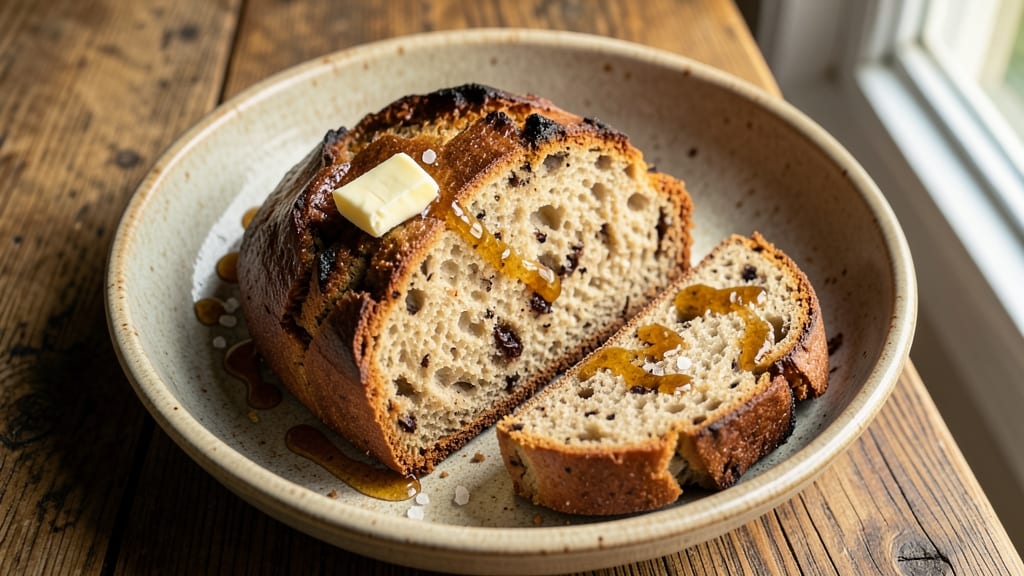
This Guinness Irish soda bread recipe delivers the perfect balance of dark beer richness and a crispy crust—just like Nonna used to make in our Boston kitchen. The secret lies in the Guinness, which adds depth while keeping the bread tender and moist without yeast.
I’ve tested it countless times in my small apartment kitchen, and this version never fails to impress.
The beauty of traditional Irish soda bread is its simplicity: just six ingredients, no yeast, and 30 minutes of hands-on time. The Guinness replaces yeast, creating a slightly dense texture with a golden, crackly crust that’s irresistible.
I’ve added optional raisins or seeds for texture, but the classic version stays true to its roots while being foolproof for modern kitchens.
What you’ll end up with is a loaf that smells like a cozy pub—warm, aromatic, and packed with that malty Guinness flavor. The crust stays crispy even after cooling, while the inside remains tender and slightly crumbly.
It’s the kind of bread that pairs perfectly with soups, stews, or even just butter straight from the oven.
Serve it fresh with Irish butter or save slices for toast the next day. This recipe is designed to work in any kitchen, from my tiny Boston apartment to your home. Let’s get baking!
Ingredients for guinness irish soda bread
Six simple ingredients transform into a loaf with Guinness aroma and crispy crust.
| Ingredient | Amount | Notes |
|---|---|---|
| Guinness Draught 🍺 | 1 ½ cups | Room temperature, full-strength |
| All-Purpose Flour 🌾 | 3 ½ cups | Unbleached, sifted before measuring |
| Baking Soda 🧂 | 1 tbsp | Freshly opened for best rise |
| Salt 🧂 | ½ tsp | Fine sea salt preferred |
| Irish Butter 🧈 | ½ cup | Cold, cubed for texture |
| Buttermilk 🥛 | ½ cup | Fresh or substitute with milk + vinegar |
| Raisins (optional) 🍇 | ½ cup | Plump, soaked in warm water |
| Sesame Seeds (optional) 🌱 | 2 tbsp | For topping, toasted lightly |
The Guinness is the soul of this bread—use the good stuff, not light lagers. Boston Market or Trader Joe's usually stock it cold, but grab it from the beer section at Wegmans if you want the freshest. The flour should be sifted before measuring to avoid dense bread. I always use King Arthur unbleached—it’s my go-to for soda breads. For the butter, Plugrá Irish Butter is ideal, but any cold, cubed butter works. If you can’t find Irish butter, Land O’Lakes in a block is a solid swap.
No buttermilk? Mix 0.5 cup milk with 0.5 tsp vinegar and let sit for 5 minutes. Skipping the raisins? Add 0.5 cup chopped walnuts for crunch. The sesame seeds are optional but give that classic Irish soda bread crunch—toast them lightly in a dry pan first. For extra depth, swap half the flour for whole wheat flour. The baking soda must be fresh—if it’s been sitting in your pantry for years, toss it and grab a new box. This bread rises fast, so don’t overmix the dough.
This bread stays fresh for 2 days at room temperature, wrapped in a towel. For longer storage, freeze slices wrapped in foil for up to 3 months. Reheat in a toaster or oven to restore crispiness. I love toasting slices with extra butter the next morning—game changer. If you make a double batch, freeze half right away. The crust gets even better after reheating, so don’t skip this step.
Why You'll Love This Recipe
- No-Knead Magic: I swear by this—just mix, shape, and bake. No fancy techniques, no waiting for dough to rise. The baking soda does all the work while you sip your own Guinness (because why not?).
- Rich Without Effort: That dark, malty Guinness flavor sneaks in effortlessly, giving you a bread with depth you’d expect from a bakery. Slather it with Irish butter, and it’s like a hug in edible form.
- Weeknight Hero: Toss a few slices in a lunchbox or pair it with soup for dinner. It keeps well for days, so I’m never scrambling to make toast in the morning. Honestly, it’s my go-to for lazy nights.
- Budget-Friendly Luxury: Flour, soda, salt—basic pantry staples. The Guinness is the star, but even a small bottle stretches across multiple loaves. Fancy taste, zero guilt over the grocery bill.
Step-by-step instructions for Guinness Irish soda bread
This method delivers that signature crispy crust and tender crumb you crave—every slice packed with Guinness flavor.
Mix the Wet Ingredients
In a large mixing bowl, combine the 1.5 cups Guinness Draught and 0.5 cup Buttermilk. Stir until fully blended—you'll see the dark beer swirl into the tangy buttermilk. This liquid mixture is the soul of your soda bread, giving it that signature moist texture and rich flavor.
Next, cut the 0.5 cup Irish Butter into small cubes and add them to the wet mixture. Use a fork to gently work the butter into the liquid until it forms a coarse, slightly lumpy texture. The butter should be cold enough to hold its shape but soft enough to incorporate—this creates pockets of fat that will give your bread that tender crumb. If you're using the optional 0.5 cup Raisins, drain them well (if soaked) and fold them in now. The raisins will plump up during baking and add sweet contrast to the beer's bitterness.
Combine Dry Ingredients
In a separate bowl, whisk together the 3.5 cups All-Purpose Flour, 1 tbsp Baking Soda, and 0.5 tsp Salt. Sift the flour first to aerate it—this ensures even distribution of the baking soda and salt, which are critical for that perfect rise and flavor balance. The baking soda reacts with the buttermilk's acidity to create lift, while the salt enhances the beer's depth.
Gradually add the dry mixture to the wet ingredients, mixing with a wooden spoon or your hands until just combined. You'll notice the dough will be sticky—this is normal and expected. Overmixing will develop gluten and make the bread dense, so stop as soon as the flour is incorporated. The dough should hold together when pressed but still feel soft and slightly wet. If it's too dry, add a splash of buttermilk; if too sticky, sprinkle in a little more flour.
Shape and Prepare for Baking
Lightly flour a clean work surface and turn out the dough. Gently shape it into a round loaf, about 8 inches in diameter. Don't worry if it's not perfect—this bread is rustic by design. Place the shaped dough on a parchment-lined baking sheet and use a sharp knife to make a deep cross on top. This isn't just for looks; the cross helps the bread bake evenly and creates those beautiful, crispy edges.
If you're using the optional 2 tbsp Sesame Seeds, sprinkle them evenly over the cross before baking. For extra crispiness, I like to brush the top with a little more Guinness Draught or water using a pastry brush. This creates a glossy, golden crust that's irresistibly crunchy. Let the dough rest for 10 minutes while you preheat your oven to 375°F. This short rest helps the gluten relax slightly, ensuring a tender crumb.
Bake to Golden Perfection
Slide the baking sheet into the preheated oven and bake for 50-55 minutes. You'll know it's done when the top is a deep golden brown and sounds hollow when tapped on the bottom. The crust should be crispy to the touch, almost crackling, while the interior remains tender and slightly dense—this is the hallmark of great soda bread.
I always check for doneness at the 45-minute mark because ovens vary. If the top browns too quickly, tent it loosely with foil to prevent over-browning while the center finishes baking. The internal temperature should reach 190-200°F when measured with an instant-read thermometer. Let the bread cool on a wire rack for at least 20 minutes before slicing—this allows the crumb to set and makes it easier to handle. The longer you wait, the better the texture will be.
Serve Warm for Maximum Crispiness
Slice the bread while it's still warm to enjoy that perfect contrast between the crispy crust and tender interior. The aroma of freshly baked Guinness bread is unbeatable—rich, malty, and slightly sweet with a hint of tang. Serve it with a pat of the Irish Butter or a smear of clotted cream for dipping. Each slice should have a satisfying crunch that gives way to a soft, slightly chewy crumb infused with beer flavor.
For best results, store any leftovers wrapped in a clean kitchen towel to keep the crust crispy. Reheat slices in a 350°F oven for 5-10 minutes to restore that golden crunch. This bread is at its best when enjoyed fresh, but the flavor only deepens over the next day or two as the beer mellows and the crust firms up.
Pro Tips For Making Guinness Irish Soda Bread
- Use Cold Guinness: Pour the Guinness straight from the fridge—warm beer won’t activate the baking soda properly, and you’ll end up with a dense, flat loaf. I learned this the hard way after baking a batch where the beer was room temp, and the bread barely rose.
- Mix Just Until Combined: Overworking the dough after adding the baking soda will turn your bread into a gummy mess. Stir until the flour is just moistened, then stop—no need to make it smooth like pancake batter.
- Skip the Oven Rack: Place the bread pan directly on the middle rack for even heat distribution. I used to worry about the bottom burning, but this method guarantees a crisp crust without a raw center.
- Butter the Pan Early: Grease the baking dish with Irish butter while the oven preheats—it softens faster and coats better. Cold butter leaves patches, and your bread will stick like glue. (Yes, even if you’re impatient like me.)
Flavor customization for this recipe
Spiced Beer Twist
For a warmer, more aromatic loaf, swap half the Guinness for stout spiced with cinnamon and cloves. Simmer 0.75 cup Guinness with ½ tsp ground cinnamon and ¼ tsp whole cloves for 5 minutes before using in the recipe.
The spices mingle beautifully with the beer’s malty notes, adding a subtle warmth that pairs perfectly with Irish stew or chilled butter. I first tried this after a trip to County Cork, where bakeries used spiced stout in their soda breads—it’s now my go-to variation. 🌶️
Sweet Raisin Swap
Skip the raisins and add ½ cup chopped dried figs or ½ cup crystallized ginger for a sophisticated twist. The figs bring a jammy sweetness that contrasts the beer’s bitterness, while the ginger adds a spicy kick.
For extra richness, toss the dried fruit in 1 tbsp melted Irish butter before folding into the dough. This version tastes like a dessert bread but still works as a savory side—trust me, it’s a crowd-pleaser. 🍯
Herb-Infused Crust
Boost the crust’s complexity by mixing 1 tbsp fresh rosemary or 1 tbsp thyme leaves into the dry ingredients. For a stronger flavor, finely chop the herbs first.
Brush the shaped loaf with a mix of 1 tbsp melted butter and 1 tsp lemon juice before baking, then sprinkle with the remaining herbs. The result? A fragrant, golden crust with herbal notes that cut through the beer’s richness.
I love this version with a sharp cheddar cheese platter. 🌿
Whiskey-Enhanced Depth
Add 2 tbsp Irish whiskey (like Jameson or Redbreast) to the wet ingredients for a boozy depth. The alcohol burns off during baking, leaving behind a subtle caramelized note that elevates the beer’s flavor. For a bolder kick, use 1 oz whiskey instead—just be mindful of the dough’s stickiness.
This variation is perfect for serving with smoked salmon or a hearty breakfast. Pro tip: Let the dough rest 15 minutes after adding whiskey to let the alcohol mellow. 🥃
Nutty Crunch Addition
Fold in ½ cup chopped walnuts or ½ cup pecans for texture and a buttery richness. Toast the nuts in a dry pan for 3-4 minutes until fragrant, then chop them coarsely. The nuts add a satisfying crunch that balances the bread’s soft crumb.
I often use this version for holiday gatherings—it’s a hit with both savory and sweet toppings. For extra flair, sprinkle 1 tbsp flaky sea salt over the crust before baking. 🌰
Savory Cheese Twist
Stir in ½ cup grated sharp cheddar or ½ cup crumbled blue cheese for a savory, umami-packed loaf. The cheese melts slightly during baking, creating pockets of tangy flavor. For a milder taste, use mild cheddar or feta crumbles.
This variation is ideal for pairing with charcuterie boards or soups. If using blue cheese, reduce the buttermilk to ¼ cup to keep the dough manageable. 🧀
Nutrition facts
Frequently asked questions
Why does this recipe use Guinness instead of regular beer?
The dark roasted malt in Guinness adds a rich, slightly sweet depth that light beers can't match. It also replaces yeast while keeping the bread tender and moist—no waiting for fermentation! The beer's carbonation helps create that signature crispy crust too.
Can I make this bread without buttermilk?
Mix 0.5 cup milk with 0.5 tsp vinegar and let sit for 5 minutes to curdle. Or use 0.5 cup plain yogurt as a 1:1 substitute. The acidity is key for the baking soda reaction that makes the bread rise.
How do I know when it's fully baked?
Look for a deep golden brown crust and tap the bottom—it should sound hollow. The internal temperature should reach 190-200°F. If the top browns too fast, tent with foil after 25 minutes. Never cut into it early or it'll be gummy inside.
What's the best way to store leftovers?
Wrap cooled slices in a clean kitchen towel to maintain crispiness. Store at room temperature for 2 days or freeze for up to 3 months. To revive, toast in a 350°F oven for 5-10 minutes until golden again. The crust gets even better after reheating!
Can I make this gluten-free?
Yes, but results will differ. Use a 1:1 gluten-free flour blend and add 0.5 tsp xanthan gum to the dry ingredients. Expect a denser crumb—gluten-free breads don't rise as dramatically. For best texture, let the dough rest 15 minutes before shaping.