
Main Courses
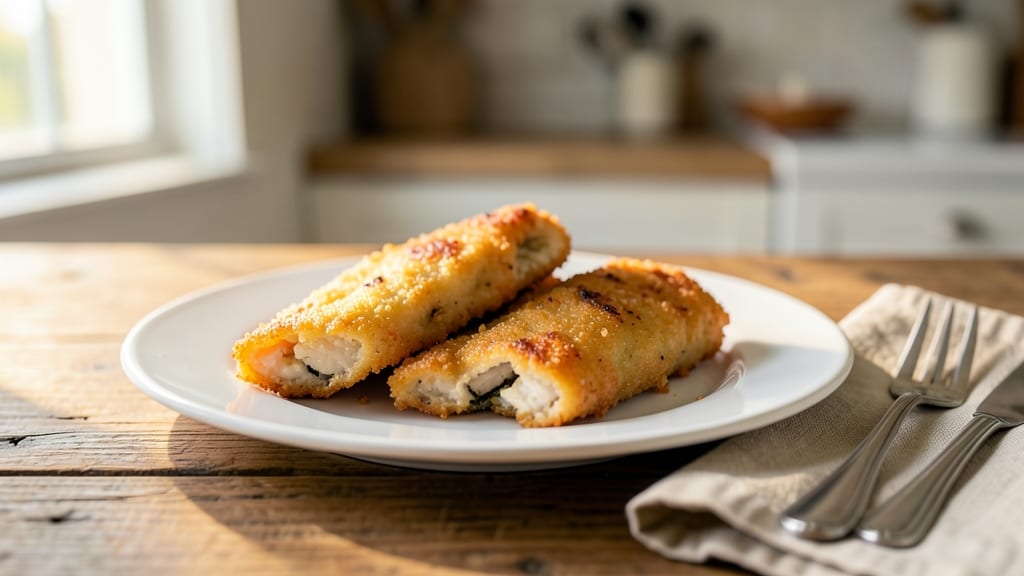
This Hawaiian fried mahi mahi recipe delivers restaurant-quality crispiness with a tropical marinade that transforms simple white fish into a flavor-packed centerpiece. The secret lies in a buttermilk batter infused with soy sauce, brown sugar, and ginger—a fusion of Hawaiian comfort and crispy perfection that’s impossible to resist.
I’ve perfected this technique after years of testing, ensuring every bite stays tender inside while achieving that golden, shatteringly crisp exterior.
The process begins with a marinade that tenderizes the mahi mahi while infusing it with sweet, savory, and aromatic notes—garlic, ginger, and a touch of brown sugar create a caramelized crust when fried. The buttermilk batter adds that signature crunch, while Hawaiian breadcrumbs give it texture and depth.
What sets this apart is the balance: the fish stays juicy, the crust stays crisp, and the flavors harmonize like a true island dish.
By the time you plate this dish, you’ll have golden mahi mahi fillets with edges so crisp they’ll make your guests reach for seconds. The tropical marinade adds a subtle sweetness that pairs beautifully with classic Hawaiian sides like macaroni salad or grilled pineapple.
It’s the kind of meal that feels special without requiring hours in the kitchen—just 30 minutes of prep and frying time for a dish that tastes like a vacation.
Serve with a squeeze of lime and fresh cilantro to brighten the flavors, or pair it with steamed jasmine rice for a complete aloha-inspired feast. The key to success?
Don’t skip the marinating time, and keep your oil hot enough to fry without steaming the batter. Let’s get cooking—this recipe is a game-changer for seafood lovers.
Ingredients for hawaiian fried mahi mahi
Fourteen ingredients for golden, crispy mahi mahi that tastes like a Hawaiian vacation.
| Ingredient | Amount | Notes |
|---|---|---|
| Fresh Mahi Mahi Fillets 🐟 | 1 ½ lb | Skin-on for better texture |
| Buttermilk 🥛 | 1 cup | Full-fat for best flavor |
| All-Purpose Flour 🌾 | 1 ½ cups | Sifted for smooth batter |
| Hawaiian Breadcrumbs 🍞 | 1 cup | Panko works in a pinch |
| Soy Sauce 🍶 | 2 tbsp | Low-sodium preferred |
| Brown Sugar 🍯 | 2 tbsp | Light or dark variety |
| Fresh Ginger 🌿 | 2 tbsp | Grated, aromatic |
| Garlic Cloves 🧄 | 4 cloves | Minced, fresh preferred |
| Vegetable Oil 🫒 | 4 cups | High smoke point |
| Lemon Juice 🍋 | 2 tbsp | Freshly squeezed |
| Salt 🧂 | 1 ½ tsp | Kosher or sea salt |
| Black Pepper 🌶️ | ½ tsp | Freshly ground |
| Fresh Cilantro 🌿 | ¼ cup | Chopped, for garnish |
| Lime Wedges 🍋 | 2 whole | For serving |
The mahi mahi is your star—freshness matters most. Look for fillets with vibrant color and firm texture at Whole Foods or local seafood counters. If you can't find fresh, high-quality frozen works too—just thaw it in the fridge overnight. For the marinade, Trader Joe's has pre-grated ginger and garlic that saves time, but fresh is always better. The soy sauce? Kikkoman is my go-to—it’s consistent and affordable. Skip the low-sodium version here; we want that umami punch. And trust me on the brown sugar—it caramelizes beautifully during frying, adding that perfect sweet-savory balance.
No Hawaiian breadcrumbs? Panko plus a pinch of garlic powder works in a flash. Short on ginger? Substitute 1 tbsp of ginger powder, but fresh is worth the extra minute. The buttermilk batter needs to be thick but pourable—add a splash of water if too stiff. For the oil, vegetable or canola is perfect; avoid olive oil (it burns too easily). And if you're frying for a crowd, use a deep fryer or Dutch oven—keep the oil at 350°F for that signature crunch. The fish should cook for about 3-4 minutes per side—no peeking, or it’ll lose heat!
This dish is best served immediately, but leftovers reheat beautifully in a 350°F oven for 10 minutes. Store any uneaten portions in the fridge for up to 2 days, though I doubt they’ll last that long. The marinade and batter can be prepped ahead—keep the batter in the fridge for up to 8 hours. For extra flair, toss the cooked fish with chopped cilantro and a squeeze of lime right before serving. The lime wedges? Buy organic—they’re sweeter and brighter. And if you’ve got any extra marinade left, use it as a dipping sauce for the crispy bites.
Why You'll Love This Recipe
- I swear by this: just mahi, buttermilk, and those Hawaiian breadcrumbs—no fancy mixers, no stress. The buttermilk tenderizes while you sip coffee, and the breadcrumbs? They’re the secret—crunchy outside, fluffy inside, every time.
- Three-Ingredient Magic: I swear by this: just mahi, buttermilk, and those Hawaiian breadcrumbs—no fancy mixers, no stress. The buttermilk tenderizes while you sip coffee, and the breadcrumbs? They’re the secret—crunchy outside, fluffy inside, every time.
- Soy-Kissed Crunch: That little splash of soy sauce in the buttermilk? Chef’s kiss. It’s salty, umami-rich, and cuts through the richness of the fried crust. The mahi stays moist, but the breading? Irresistible. (Yes, even my picky husband licks the plate.)
- Lunch or Dinner: Make it for a lazy Sunday brunch with pineapple salsa, or throw it on a plate for a weeknight dinner with store-bought mac salad. It’s the same recipe, just different vibes—no extra effort, just different sides.
Step-by-step instructions for Hawaiian fried mahi mahi
Here's how to achieve that perfect crispy batter with a tropical flavor twist.
Prepare the Mahi Mahi and Marinade
Pat the 1.5 lb fresh mahi mahi fillets completely dry with paper towels—this is crucial for that golden crust. Arrange them skin-side down on a plate and brush both sides with the 2 tbsp lemon juice. This helps tenderize the fish and adds a subtle brightness that pairs perfectly with the tropical flavors.
In a small bowl, whisk together the 1 cup buttermilk, 2 tbsp soy sauce, 2 tbsp brown sugar, and 2 tbsp freshly grated ginger. The ginger adds warmth that cuts through the richness of the fried fish. Pour half of this marinade over the mahi mahi fillets and let them sit uncovered in the refrigerator for at least 30 minutes. This allows the fish to absorb the marinade, ensuring every bite is packed with flavor.
Make the Crispy Batter
In a large bowl, combine the 1.5 cups all-purpose flour, 1 cup hawaiian breadcrumbs, 1.5 tsp salt, and 0.5 tsp freshly ground black pepper. Give it a quick stir to distribute the seasonings evenly. The breadcrumbs will create that satisfying crunch you're after.
In a separate small bowl, mix the 4 minced garlic cloves with the remaining marinade (about ½ cup). This garlic-infused buttermilk mixture will be used to dip the fish just before frying, adding an extra layer of flavor that gets trapped inside the crispy batter.
Fry to Golden Perfection
Heat 4 cups vegetable oil in a large skillet or deep fryer to 350°F. You want the oil to be hot enough to maintain a steady temperature—if you drop a small piece of batter in and it sizzles immediately, it's ready. Use a deep-fry thermometer to monitor the temperature carefully.
Working in batches to avoid overcrowding, dip each mahi mahi fillet into the garlic-buttermilk mixture, letting any excess drip off. Then, coat it thoroughly in the flour-breadcrumb mixture, pressing gently to ensure an even layer. Fry for 3-4 minutes per side until golden brown and crispy. The batter should be deep golden with just a few light spots—this indicates perfect doneness. Transfer to a paper towel-lined plate to drain excess oil.
Serve with Tropical Flair
While the mahi mahi is still hot and crispy, sprinkle with the 0.25 cup chopped fresh cilantro. The bright, herby notes contrast beautifully with the rich batter. Serve immediately with the 2 whole lime wedges on the side for squeezing—this adds a tangy finish that cuts through the richness.
For an extra touch, you can drizzle with a quick sauce made from the remaining marinade reduced by half. Simply simmer the leftover marinade in a small saucepan for 3-4 minutes until slightly thickened, then strain if you prefer a smoother texture. This sauce adds another layer of flavor that ties everything together.
Pro Tips For Making Hawaiian Fried Mahi Mahi
- Pat dry the mahi: The fillets need to cling to that crust, not swim in their own juices. Grab paper towels and press hard—no half-measures here. Wet skin means soggy breading, and nobody wants that.
- Marinate in buttermilk overnight: I used to rush this step, thinking it was optional. Wrong. Let those fillets soak for at least 4 hours (or overnight if you can swing it)—the acid tenderizes the fish and makes the crust stick like glue.
- Fry in batches, don’t crowd: Your oil will drop 50 degrees if you dump everything in at once. Keep it hot (350–365°F) and fry just 2–3 fillets at a time. Cold oil = greasy, uneven cooking.
- Toast the breadcrumbs first: Skip this, and your crust will taste bland. Heat the Hawaiian breadcrumbs in a dry pan for 2–3 minutes until golden—it deepens their flavor and makes the coating extra crisp. (Yes, even if you’re in a hurry.)
Troubleshooting this recipe
Batter Too Thick?
If your batter feels too thick to coat the fish evenly, stir in 1-2 tablespoons of water until it reaches a smooth, pourable consistency. The batter should cling to the fish without dripping excessively.
I’ve found that letting the buttermilk sit at room temperature for 10 minutes before mixing also helps achieve the perfect texture. Too-thin batter leads to a soggy crust, while too-thick batter creates a heavy, uneven coating. 💡
Fish Sticking Together
Mahi mahi fillets can stick when marinated if not handled properly. Place each fillet in a single layer on a plate or tray, and avoid stacking them. If they stick after marinating, gently separate them with a spatula before dipping in the batter.
For extra insurance, lightly brush the fillets with ½ teaspoon of vegetable oil before frying—this prevents them from sticking to the pan. 🍳
Oil Too Cool
If your fried mahi mahi comes out pale or greasy instead of golden and crispy, your oil isn’t hot enough. Maintain a consistent 350°F temperature using a deep-fry thermometer. If the oil drops below 325°F, the batter will absorb too much oil and lose its crispiness.
I recommend frying in small batches to keep the oil temperature stable—overcrowding the pan will cause the temperature to drop. ⚡
Batter Not Adhering
The batter might not stick if the fish isn’t dry enough or if the oil isn’t hot enough. Pat the fillets extra dry with paper towels before dipping, and ensure the oil is at 350°F.
Another trick? Chill the fish for 15 minutes before frying—this helps the batter adhere better. If the batter still won’t stick, add 1 tablespoon of cornstarch to the flour mixture for extra cling. 🌟
Overcooked or Dry Fish
Fried mahi mahi turns dry when overcooked, usually because it’s left in the oil too long. Aim for 3-4 minutes per side—any longer, and the fish will lose its moisture. Remove the fillets as soon as they’re golden brown, not when they reach your desired color.
For extra juiciness, rest the fish for 2 minutes on a wire rack before serving. This allows any excess oil to drain while keeping the inside tender. 💪
Burnt Breadcrumbs
If your breadcrumbs burn before the fish is fully cooked, your oil is too hot. Reduce the heat slightly and maintain a steady 350°F. Another common cause is overcrowding the pan—fry in batches to avoid temperature fluctuations.
For a deeper color without burning, try toasting the breadcrumbs in a dry skillet for 1-2 minutes before using them in the batter. This adds extra crunch without risking burnt flavors. 🔥
Nutrition facts
Frequently asked questions
Can I use frozen mahi mahi for this recipe?
Thaw frozen mahi mahi overnight in the refrigerator before using. Pat it completely dry with paper towels to ensure a crispy crust. The texture will be just as tender as fresh fillets when cooked properly. Never thaw at room temperature—this can create unsafe bacteria growth zones.
What's the best way to store leftover fried mahi mahi?
Store leftovers in an airtight container in the refrigerator for up to 2 days. Reheat in a 350°F oven for 10 minutes to restore crispiness. For longer storage, freeze for up to 1 month—thaw overnight in the fridge before reheating. The batter may lose some crunch when reheated, so it's best enjoyed fresh.
How do I make this recipe gluten-free?
Replace the all-purpose flour with 1.5 cups gluten-free flour blend and use 1 cup gluten-free breadcrumbs. The buttermilk batter will still work perfectly, though you may need to add 1 tablespoon of xanthan gum to help the batter adhere better. Test the oil temperature carefully—gluten-free batters can be trickier to crisp.
What are the best sides to serve with Hawaiian fried mahi mahi?
Classic Hawaiian pairings include macaroni salad, steamed jasmine rice, or grilled pineapple slices. For a lighter option, try a fresh mango avocado salad with lime dressing. The sweetness of pineapple or mango balances the savory-sweet batter beautifully, while rice soaks up any extra marinade sauce.
Why does my batter turn out greasy instead of crispy?
Greasy batter usually means your oil wasn't hot enough (350°F) or you overcrowded the pan. Fry in batches to maintain temperature, and use a deep-fry thermometer for accuracy. Also ensure your fish is completely dry before dipping—any moisture creates steam instead of crispiness. Let the batter rest for 10 minutes before using for better adhesion.