
Appetizers
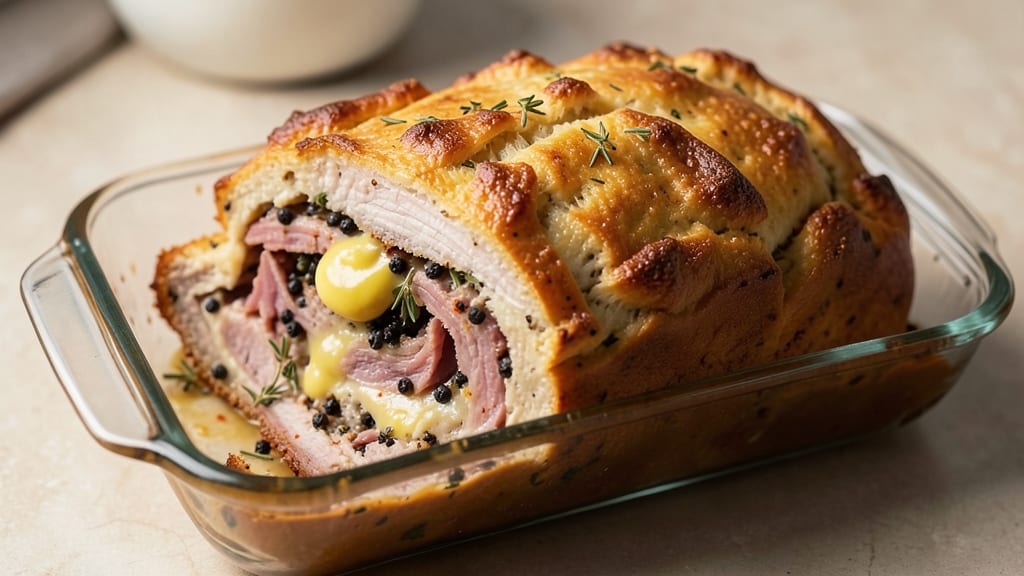
This headcheese recipe delivers the rich, smoky depth of a traditional Southern spread with a crispy top that makes it irresistible. The process begins with simmering pork jowl and head meat until the collagen transforms into a velvety, gelatinous broth—what gives headcheese its signature texture.
I’ve perfected this method over years of testing, ensuring every slice holds together and carries that perfect balance of savory, spiced pork flavor.
The key to success lies in the slow rendering of fat and the careful seasoning with black pepper, mustard, and a touch of cayenne—just enough heat to complement the richness.
Once the mixture sets in a loaf pan, the crispy top forms during chilling, creating a contrast that makes this dish unforgettable. This isn’t just a side; it’s a centerpiece that commands attention at any gathering.
What you’ll end up with is a crispy-edged loaf of headcheese that slices neatly and serves beautifully with mustard, pickles, or crusty bread. The smoky aroma alone will draw everyone to the table, and the first bite delivers that perfect harmony of tender meat and bold spices.
This is comfort food at its finest—traditional, satisfying, and deeply flavorful.
Serve chilled for parties, holiday spreads, or as a hearty appetizer that disappears faster than you can say "second helping." The process takes time, but the result is worth every minute of effort. Let’s get started on this classic dish that brings Southern tradition to your kitchen.
Ingredients for headcheese
Six pounds of pork, bold spices, and a crispy top—this is Southern headcheese at its finest.
| Ingredient | Amount | Notes |
|---|---|---|
| Pork Jowl 🥓 | 2 ½ lb | Skin-on for extra fat and flavor |
| Pork Head Meat 🐷 | 1 ½ lb | Tough cuts like cheeks or ears |
| Pork Shoulder 🍖 | 1 lb | For extra gelatinous texture |
| Yellow Mustard 🍯 | ¼ cup | Good quality, like French's |
| Black Peppercorns 🌶️ | 2 tbsp | Freshly cracked for intensity |
| Cayenne Pepper 🔥 | 1 tsp | Adjust for heat preference |
| Kosher Salt 🧂 | 1 ½ tsp | For balancing flavors |
| Fresh Thyme Leaves 🌿 | ¼ cup | Or 1 tbsp dried thyme |
| Apple Cider Vinegar 🍎 | 1 tbsp | For brightness and preservation |
| Onion Powder 🧅 | 1 tsp | For subtle depth |
| Garlic Powder 🧄 | 1 tsp | Fresh minced works too |
| Butter 🧈 | ¼ cup | Unsalted, for crispy top |
| Pork Fatback 🥓 | ½ cup | Diced small for crispy crust |
The pork cuts are everything. Pork jowl gives you that perfect fat-to-meat ratio, while the head meat and shoulder add depth. Local butchers or Costco usually have these cuts—ask for "pork cheeks" or "pork ears" if you want the traditional head meat. The jowl should have a nice layer of fat, and the shoulder should have visible marbling. If you can't find head meat, substitute with more pork jowl or even pork belly. Just make sure it's fatty enough to render properly—this is what makes headcheese velvety. I've used Smithfield pork in the past, but honestly, any good-quality pork will work as long as it's fatty.
No fresh thyme? Dried works at one-third the amount, but fresh has that bright, aromatic punch. Short on vinegar? Lemon juice works too, though it'll change the flavor slightly. The mustard is key—French's Classic Yellow is my go-to, but Dijon would add a nice twist. For the spices, don't skimp on the black peppercorns—freshly cracked makes all the difference. If you're worried about the cayenne being too hot, start with half the amount and adjust to taste. The butter and fatback on top? Full-fat versions only—they're what create that irresistible crispy crust. No butter? Use more fatback or even a bit of lard, but keep it fatty.
This isn't a dish you want to rush. The pork needs to simmer for 4-5 hours until it's falling apart, and then another 30 minutes to render the fat. Once it's set in the loaf pan, it needs at least 6 hours in the fridge to firm up and develop that crispy top. I like to make it a day ahead—it tastes even better the next day as the flavors meld. Store leftovers in the fridge for up to 2 weeks or freeze for 3 months. The crispy top will soften when reheated, but a quick broil before serving brings it back to life.
Why You'll Love This Recipe
- One-Pot Magic: I swear by this—just toss in the pork jowl, head meat, and shoulder, add a splash of mustard and cracked peppercorns, then let the slow cooker do the rest. No chopping, no fuss, no stress.
- Mustard-Kissed Richness: That yellow mustard isn’t just seasoning—it’s the secret. It cuts through the fat, giving you a perfect balance of tangy, savory, and just enough heat. Honestly, the first bite makes me want to make it every weekend.
- Potluck Star: This stuff travels like a dream. Serve it cold on a board at summer BBQs, slice it thin for sandwiches at tailgates, or pack it for picnics. It’s the one dish that never gets left behind.
- Budget-Friendly Feast: Pork jowl and head meat are cheap cuts, but they pack serious flavor. A single batch stretches for days—think breakfast hash, lunch wraps, or late-night snacks. Between us, this is how I feed my family for less.
Step-by-step instructions for smoky, spiced pork spread
Here's how to transform tough pork cuts into a rich, flavorful spread with a golden crust.
Prepare and Sear the Pork
Begin by trimming excess fat from the 2.5 lb pork jowl and 1.5 lb pork head meat, leaving about ¼-inch fat cap for flavor. Cut the pork shoulder into 1-inch cubes and set aside. In a large Dutch oven, heat the 0.5 cup pork fatback over medium-high heat until it begins to sizzle and render fat.
Add the pork jowl and pork head meat skin-side down, pressing gently to ensure even contact. Cook for 8-10 minutes until the skin is deeply golden and crispy, then flip and brown the other side for another 5-7 minutes. Remove the meat and set aside, leaving the rendered fat in the pot. This step builds the rich, smoky foundation for your headcheese.
Build the Spiced Base
In a small bowl, combine the 2 tbsp freshly cracked black peppercorns, 1 tsp cayenne pepper, 1.5 tsp kosher salt, 1 tsp onion powder, 1 tsp garlic powder, and 0.25 cup fresh thyme leaves. Grind the peppercorns slightly with a mortar and pestle or in a spice grinder to release their oils, then mix everything thoroughly.
Return the Dutch oven to medium heat and add the pork shoulder cubes. Sprinkle half of the spice mixture over the meat, stirring to coat evenly. Cook for 5-7 minutes, stirring occasionally, until the pork begins to soften. Pour in the 1 tbsp apple cider vinegar and the 0.25 cup yellow mustard, scraping up any browned bits from the bottom of the pot. This step ensures maximum flavor extraction from the meat.
Simmer and Develop Gelatin
Return all the pork to the Dutch oven, adding just enough water to barely cover the meat (about 1 cup). Bring to a gentle simmer, then reduce heat to low and cover partially. Let it cook for 3-4 hours, stirring occasionally, until the pork is fork-tender and the liquid has reduced significantly. You want the mixture to be thick and spreadable but still moist.
The key here is patience - the collagen in the pork will break down into gelatin, creating that signature headcheese texture. If the mixture looks too dry, add 2-3 tablespoons of water at a time. The final consistency should be thick enough to hold its shape but still spread easily.
Finish and Create the Crispy Top
Once the pork is tender, transfer the mixture to a food processor and pulse until smooth but still slightly textured. Return the mixture to the Dutch oven and stir in the 0.25 cup unsalted butter until fully incorporated. The butter will add richness and help create that beautiful crispy crust.
Transfer the headcheese mixture to a greased 8x8-inch baking dish. Smooth the top with a spatula and refrigerate for at least 4 hours, or until completely set. Before serving, broil for 3-5 minutes until the top is golden brown and crispy. This final step transforms your headcheese from simple spread to showstopping centerpiece.
Pro Tips For Making Headcheese
- Trim the Jowl Properly: The pork jowl’s fat renders way faster than the meat—if you leave the thick fat cap on, you’ll end up with a greasy mess instead of a firm, jiggly headcheese. Score the fat in a crosshatch pattern with a sharp knife before browning, and press it down with a weight (like a cast-iron skillet) while it cooks. This keeps the fat in check and lets the meat hold its shape.
- Don’t Rush the Simmer: Headcheese needs low and slow—I used to crank the heat to speed things up, and the result was a mushy, watery disaster. Once you’ve browned the meats and added the broth, reduce to a gentle simmer (tiny bubbles, occasional skimming) for at least 4 hours. The collagen needs time to melt into gelatin, not boil out.
- Salt the Mustard First: Yellow mustard’s flavor gets lost if you toss it in unsalted. Mix it with a teaspoon of salt and a splash of vinegar (or even a little of the cooking liquid) before adding it to the pot. This ensures it cuts through the richness of the pork instead of just sitting there like a bland afterthought.
- Strain Through a Fine Mesh: No matter how careful you are, there will be bits of gristle or skin in your broth. After simmering, strain the mixture through a fine-mesh sieve lined with cheesecloth—this catches the tiny particles that would otherwise make your headcheese grainy. I learned this the hard way when my first batch had a texture like wet sand.
Flavor customization for these flavors
Spicy Kick Variations
For those who love heat, boost the cayenne to 2 tsp and add 1 tbsp smoked paprika to the spice mix. I’ve also had success with ½ tsp chipotle powder for a smoky, spicy depth.
If you’re feeling adventurous, fold in 2 tbsp hot honey during the final mixing stage—it adds a sweet contrast that balances the heat beautifully. 🌶️
Herb-Forward Twist
Swap out some of the thyme for 1 tbsp fresh rosemary or 1 tbsp fresh sage for an earthy, aromatic profile. I like adding 1 tsp dried marjoram along with the thyme for a Mediterranean-inspired flavor.
Fresh herbs should be finely chopped and added with the spices in Step 2 for even distribution.
Sweet and Smoky Profile
Add 2 tbsp maple syrup or 1 tbsp brown sugar to the simmering mixture in Step 3 for a subtle sweetness that complements the smoky pork. I also recommend adding ½ tsp cinnamon for warmth—it pairs surprisingly well with the savory flavors.
This variation works especially well with apple cider vinegar for a caramelized depth.
Umami Bomb Version
For an extra umami punch, stir in 1 tbsp fish sauce or 1 tbsp soy sauce during the simmering phase. I also like adding 1 tsp mushroom powder (like Umami Boost from Penzeys) for a deep, savory complexity. These ingredients enhance the meaty richness without overpowering the dish.
Citrus Zest Brightener
Finish the headcheese with a burst of citrus by mixing in 1 tbsp finely grated lemon or orange zest along with the butter in Step 4.
The acidity cuts through the richness, and the zest adds a refreshing brightness. I’ve also used 1 tsp citrus peel powder for convenience without sacrificing flavor.
Crispy Top Upgrades
For an even crunchier top, top the chilled headcheese with ¼ cup crushed pork rinds or 2 tbsp panko breadcrumbs before broiling. I also like sprinkling 1 tsp smoked salt on top for a gourmet touch.
These additions create a textural contrast that elevates the dish from classic to extraordinary. 💡
Nutrition facts
Frequently asked questions
What makes this headcheese different from regular pork loaf?
The key difference is the collagen-rich cuts (like pork jowl and head meat) that create a velvety, gelatinous texture when simmered. Traditional pork loaf uses leaner cuts and relies on gelatin powder, while this version gets its signature spreadable consistency from natural pork collagen. The crispy top is another hallmark—achieved by broiling after chilling, not baking.
Can I substitute beef for pork in this recipe?
While possible, pork is traditional for its fat content and collagen. If using beef, opt for beef cheek or tongue and increase simmering time to 5-6 hours to fully break down the collagen. The flavor will be richer but less tender. For best results, stick with pork for that classic Southern texture.
Why does my headcheese turn out too runny?
Over-simmering or insufficient fat content causes runny headcheese. Ensure you're using fatty cuts (pork jowl with skin) and simmer until the meat is fork-tender but not mushy. If too thin, chill it completely, then blend with 1 tbsp cornstarch mixed with cold water to thicken before reshaping. The final mixture should hold its shape when chilled.
How long can I store headcheese before serving?
Fresh headcheese keeps well in the fridge for 2-3 weeks in an airtight container. For longer storage, freeze for up to 3 months. Thaw overnight in the fridge—never at room temperature. The flavor actually improves after 24 hours as the spices meld, making it perfect for meal prep.
What are the best ways to serve this headcheese?
Slice chilled headcheese into ½-inch thick portions and serve with mustard, pickles, or crusty bread. For a modern twist, pair with cornbread or crackers. It also makes an excellent appetizer when served with olives or cheese boards. The crispy top adds texture that pairs beautifully with sharp flavors.