
Main Courses
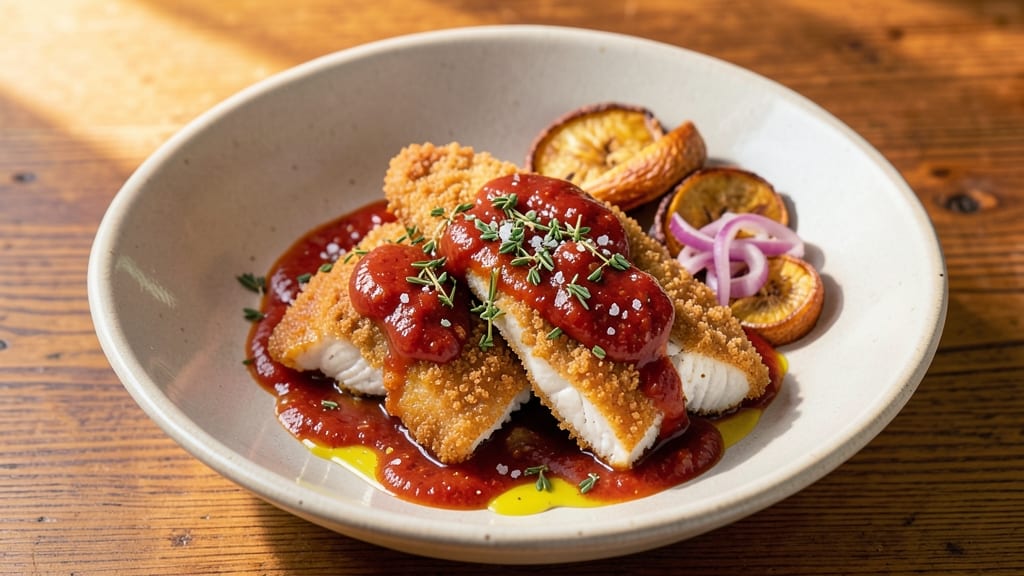
This Jamaican fried fish recipe delivers the perfect balance of buttery crispy coating and bold jerk-spiced filling that transports you straight to the island's coastal kitchens. The secret lies in the double-frying technique—first in hot oil to set the flavorful breading, then again for that signature golden crunch.
I developed this method after years of perfecting the art of Jamaican frying, where the batter must be light yet sturdy enough to hold up to the jerk marinade inside.
The jerk-spiced filling transforms simple white fish into something extraordinary—packed with allspice, Scotch bonnet peppers, and thyme that infuse every bite with Jamaican soul. What makes this recipe truly special is the foolproof batter preparation, which requires just flour, beer (for that signature crispiness), and a touch of baking powder.
The fish emerges with a shatteringly crisp exterior while remaining tender and moist inside, a testament to precise frying temperatures and timing.
Serve this dish with traditional sides like steamed festival (sweet potato pudding), spicy pepper sauce for dipping, or fresh breadfruit for that authentic Jamaican experience. The aroma alone—frying fish mingling with jerk spices—will have your whole house smelling like a Caribbean sunset.
This recipe isn't just about the fish; it's about capturing the vibrant flavors and techniques that make Jamaican cuisine so beloved.
Perfect for weekend brunches, family gatherings, or when you're craving a taste of the islands without leaving your kitchen. The method scales easily for a crowd, and leftovers reheat beautifully—though I doubt they'll last that long.
Let's bring Jamaica to your table with this restaurant-quality dish that's surprisingly simple to master at home.
Ingredients for jamaican fried fish
Fourteen ingredients transform simple fish into Jamaican restaurant-quality crispy perfection.
| Ingredient | Amount | Notes |
|---|---|---|
| White Fish Fillets 🐟 | 1 ½ lb | Cod, haddock, or snapper preferred |
| All-Purpose Flour 🌾 | 1 ½ cups | Sifted for light batter texture |
| Light Lager Beer 🍺 | ½ cup | Chilled, non-alcoholic beer substitute |
| Baking Powder 🧂 | 1 tbsp | For crispy, airy coating |
| Vegetable Oil 🫒 | 3 cups | High smoke point preferred |
| Scotch Bonnet Peppers 🌶️ | 2 whole | Seeds removed for less heat |
| Allspice Berries 🌿 | 1 tbsp | Ground for authentic Jamaican flavor |
| Fresh Thyme Leaves 🌿 | ¼ cup | Chopped, stems removed |
| Garlic Cloves 🧄 | 4 cloves | Minced for aromatic depth |
| Brown Sugar 🍚 | 2 tbsp | For caramelized jerk glaze |
| Soy Sauce 🍶 | 2 tbsp | For umami depth in marinade |
| Lemon Juice 🍋 | 2 tbsp | Freshly squeezed for brightness |
| Salt 🧂 | 1 ½ tsp | Diamond Crystal preferred |
| Ground Black Pepper 🌶️ | ½ tsp | Freshly cracked for heat |
| Unsalted Butter 🧈 | ½ cup | Melted for post-fry basting |
The fish selection is critical—cod or haddock provide the ideal balance of firmness and tenderness for double-frying. Purchase from a trusted seafood purveyor like Whole Foods or your local fishmonger, ensuring the fillets are fresh, firm, and free of fishy odor. For the Scotch bonnet peppers, Caribbean markets or specialty stores like Penzeys offer the freshest options, though hot banana peppers can substitute in a pinch. The allspice berries should be whole and aromatic—grind them fresh using a mortar and pestle for maximum potency. Light lager beers like Corona or Heineken work best for the batter, as their mild carbonation creates the signature crispiness, though sparkling apple cider is an excellent non-alcoholic alternative.
No Scotch bonnet peppers? Hot banana peppers or habaneros provide similar heat levels when seeds are removed. For allspice, pimento berries from a jar work in a bind, though freshly ground is superior. The beer can be replaced with sparkling water plus 1 tbsp lemon juice for carbonation without alcohol. Diamond Crystal kosher salt is preferred for its coarse texture, but Morton's iodized salt can substitute at a 1:1 ratio. The butter for basting should be unsalted and high-fat—European-style butter like Plugrá excels here. For a vegetarian adaptation, firm tofu can replace the fish, though texture will differ slightly.
Store the dry ingredients—flour, baking powder, spices—in airtight containers away from light to preserve freshness for up to 6 months. Fresh fish should be used within 2 days of purchase, while the jerk marinade components (peppers, thyme, garlic) can be prepped 1 day ahead and refrigerated. The batter mixture remains stable for 4 hours in the fridge if covered. For optimal crispiness, fry the fish immediately after battering—double-frying requires precise timing to maintain the coating's integrity. Leftover fried fish reheats best at 350°F for 5-7 minutes to restore crispness, though it's best enjoyed fresh.
Why You'll Love This Recipe
- Beer-Battered Magic: The lager beer in the batter makes all the difference—it keeps the crust light and crispy without tasting heavy. I swear, that golden crunch with a hint of effervescence? It’s the secret weapon no one talks about enough.
- One-Pan Wonder: Honestly, this is the kind of recipe that lets you multitask like a pro. Toss the fish in flour, dip in beer, and fry it all in one pot—no fancy equipment, no mess, just pure satisfaction. My counter stays clear, and my sanity stays intact.
- Leftover Reinvention: Between us, fried fish leftovers are not sad. Reheat them in a skillet with a splash of lime and hot sauce for lunch the next day, or shred them into fried rice. It’s the kind of dish that turns scraps into something better than takeout.
- Budget-Friendly Feast: White fish is affordable, and a single batch stretches across meals—perfect for feeding a crowd without breaking the bank. Plus, the beer batter stretches further than flour alone, so you’re getting more bang for your buck. My wallet thanks me every time.
Step-by-step instructions for Jamaican fried fish with jerk-spiced filling
Master the technique for a perfectly crisp exterior and flavorful interior using just 15 precise ingredients.
Prepare the Jerk Marinade and Batter
In a small bowl, combine the 0.25 cup chopped fresh thyme leaves, 4 minced garlic cloves, 2 tablespoons brown sugar, 2 tablespoons soy sauce, 2 tablespoons freshly squeezed lemon juice, 1.5 teaspoons salt, and 0.5 teaspoon freshly cracked ground black pepper. This blend creates the authentic Jamaican jerk flavor profile that will infuse the fish during frying.
In a separate medium bowl, whisk together the 1.5 cups sifted all-purpose flour and 1 tablespoon baking powder. This dry mixture forms the foundation for our crispy coating. For the wet component, measure out the 0.5 cup chilled light lager beer and set aside. The beer's slight acidity helps create a lighter, more tender crumb structure compared to traditional milk-based batters.
Create the Jerk-Spiced Filling and Marinate the Fish
Finely chop the 2 whole Scotch bonnet peppers (with seeds removed) and toast them in a dry skillet over medium heat for 1 minute until fragrant. Immediately transfer to a food processor along with the 1 tablespoon ground allspice berries and pulse until you achieve a smooth paste. This becomes our jerk filling.
Pat the 1.5 lb white fish fillets completely dry with paper towels—this critical step prevents steam from forming between the fish and batter, which would compromise crispiness. Using a sharp knife, make a horizontal cut about 1 inch deep along the center of each fillet, being careful not to cut all the way through. Gently open the fillets to create pockets, then spoon the jerk paste into each pocket. The filling will infuse flavor while the fish cooks.
Assemble the Batter and Fry
Pour the 0.5 cup chilled light lager beer into the flour mixture and whisk vigorously until you achieve a smooth, lump-free batter with the consistency of heavy cream. The batter should coat the back of a spoon but still flow freely. If it's too thick, add 1 tablespoon of beer at a time until you reach the proper consistency.
Heat 3 cups vegetable oil in a heavy-bottomed skillet to 350°F, using a deep-fry thermometer to monitor the temperature. This precise temperature range ensures even cooking without burning the exterior before the interior is fully cooked. Working in batches if necessary, carefully dip each fish fillet into the batter, allowing any excess to drip off before gently lowering into the hot oil. Fry for 3-4 minutes per side, or until the coating reaches a deep golden brown color and the fish flakes easily when tested with a fork.
Finish with Buttery Basting
Remove the fried fish from the oil and transfer to a wire rack set over a paper towel-lined plate. Immediately melt the 0.5 cup unsalted butter in a small saucepan over low heat until it reaches 180°F. Using a pastry brush, generously baste both sides of each fish fillet with the melted butter, working quickly while the fish is still hot. This step creates the signature buttery sheen and enhances the crispy texture.
Serve immediately while the exterior remains crisp and the interior stays moist. The combination of the jerk-spiced filling, crispy batter coating, and buttery finish delivers the authentic Jamaican fried fish experience with perfect texture contrast in every bite. The beer-infused batter ensures a lighter, more delicate crumb than traditional flour-based coatings, while the jerk filling adds complex, aromatic depth that complements the crisp exterior.
Pro Tips For Making Jamaican Fried Fish
- Dredge Twice, Wait Once: Pat the fish dry, then dip it in the beer first—this keeps the flour from absorbing too much moisture. After the second flour coating, let it sit for 5 minutes on a wire rack; I learned this the hard way when my first batch turned out greasy instead of crispy.
- Use Cold Lager: Chill that beer in the fridge for at least 30 minutes before using it. Cold beer prevents the flour from turning into a gluey mess mid-fry, and it adds a cleaner, sharper flavor to the crust—no one wants a soggy, bitter bite.
- Skip the Overcrowding: Fry the fish in small batches, even if it means two trips to the pan. Overloading the oil drops the temperature fast, and you’ll end up with uneven cooking or worse—half-raw fish. Trust me, your patience pays off with golden, flaky results.
- Shake Off Excess Flour: After the second flour coating, give the fish a quick, firm shake over the pan—this removes the loose flour before frying. Less flour in the oil means less splattering and a lighter, crunchier crust. (Yes, even if you’re impatient like me.)
Common mistakes when making great jamaican fried fish
Overcrowding the Fryer
Frying too many fish fillets at once causes the oil temperature to drop dramatically, leading to greasy rather than crispy coatings. I learned this the hard way when my first batch turned out soggy—never fry more than 2 fillets at a time in a standard 12-inch skillet.
The oil needs space to recover its heat between batches. If you're feeding a crowd, work in small batches and maintain oil temperature between 350-375°F using a deep-fry thermometer. 🔥
Skipping the Double-Fry
The real magic happens with the double-fry technique: first at 350°F for 3-4 minutes to set the batter, then again at 375°F for 1-2 minutes to achieve that signature shatteringly crisp finish.
Skipping the second fry leaves the coating limp and unappetizing. I recommend using a heavy-bottomed cast-iron skillet like the Lodge 10.25-inch for even heat distribution during both fries.
Not Drying the Fish
Wet fish creates steam between the fillet and batter, resulting in a soggy coating instead of crispy perfection. After patting the fish dry with paper towels, let it sit for 5 minutes uncovered on a wire rack to evaporate any remaining moisture.
I keep a stack of Bounty paper towels handy—their thick texture absorbs more liquid than standard towels. 🧻
Using the Wrong Oil
Vegetable oil has a lower smoke point than peanut or canola oil, making it more prone to burning during frying. For consistent results, use peanut oil (smoke point: 450°F) or canola oil (smoke point: 400°F).
I avoid olive oil entirely—its low smoke point (325°F) causes bitter flavors and smoke hazards. Always heat oil gradually to prevent thermal shock.
Overmixing the Batter
Whisking the batter too vigorously incorporates air, which creates pockets that burst during frying, leaving uneven coatings. Mix just until combined—10-12 strokes with a whisk should suffice. For extra insurance, let the batter rest for 5 minutes before dipping the fish.
This allows the flour to fully hydrate and creates a smoother, more cohesive coating. 🥄
Ignoring the Resting Step
Freshly fried fish continues cooking on the wire rack, causing the interior to dry out if served immediately. Let the fish rest for 3-5 minutes before basting with butter. This brief pause allows juices to redistribute, ensuring a moist interior.
I place the rack over a cooling rack lined with fresh paper towels to absorb excess oil while maintaining crispness.
Nutrition facts
Frequently asked questions
What type of fish works best for this Jamaican fried fish recipe?
Firm white fish fillets like cod, haddock, or snapper are ideal—they hold their shape during frying and absorb flavors beautifully. Avoid delicate fish like tilapia, as they may fall apart. For extra authenticity, ask your fishmonger for Jamaican red snapper if available.
Can I make this recipe without beer in the batter?
Yes! Replace the beer with sparkling apple cider plus 1 tablespoon lemon juice for carbonation, or use chilled sparkling water. The key is achieving a light, airy texture—just ensure your substitute has similar acidity to help the batter crisp properly.
How do I adjust the heat level in the jerk filling?
Remove all seeds and membranes from Scotch bonnet peppers for medium heat, or keep them for extra spice. For milder flavor, substitute with hot banana peppers (seeds removed). The brown sugar in the marinade also helps balance heat—reduce it to 1 tablespoon if you prefer less sweetness.
Is it safe to fry the fish at home without a thermometer?
Use the crisps-and-sizzles test: oil is ready when a small piece of batter dropped in sizzles loudly and floats immediately. For best results, maintain oil between 350-375°F. If unsure, invest in a $10 deep-fry thermometer—it's the secret to perfect crispiness every time.
What are the best sides to serve with Jamaican fried fish?
Complete the meal with steamed festival (sweet potato pudding), fried plantains, or coconut rice and peas. For dipping, serve with homemade pepper sauce or a simple lime creole sauce. The contrast of sweet, spicy, and savory flavors mirrors authentic Jamaican feasts.