
Soups & Stews
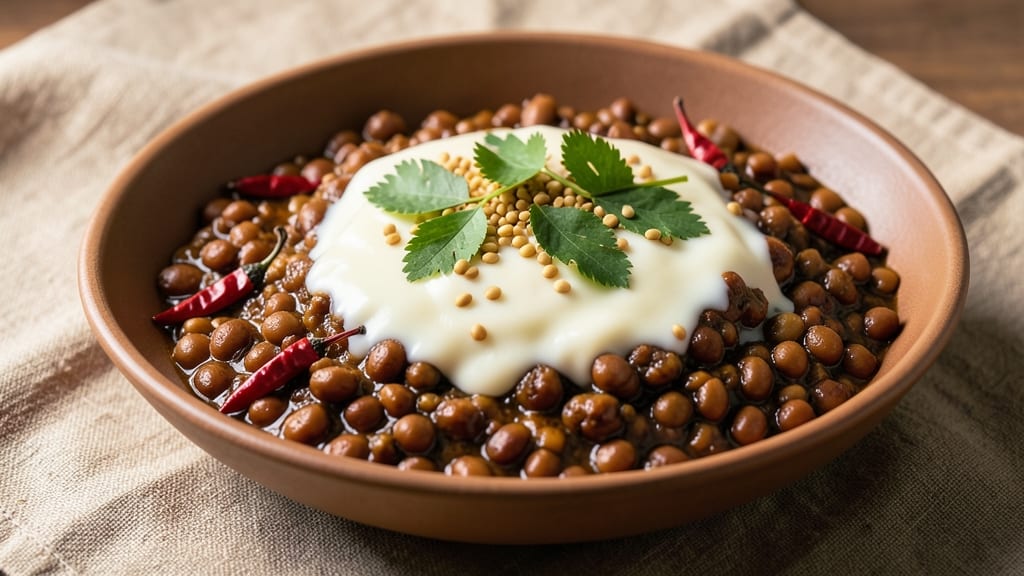
This Kerala jareesh recipe transforms humble lentils into a rich, fragrant stew that tastes like a hug from my grandmother's kitchen. 💛 The secret lies in slow-cooked coconut milk, tangy tamarind, and a symphony of spices that build flavor as they simmer.
I first tasted this dish during a family visit to Kerala, where it was served with steamed rice and crispy papadums—still my favorite meal from that trip.
The magic happens in layers: toasting whole spices until fragrant, cooking lentils until tender but not mushy, and balancing sweet tamarind with coconut milk's creaminess. Unlike many curries that rely on heavy cream, this version gets its richness from coconut while keeping the dish light and digestible.
The curry leaves and mustard seeds add that unmistakable South Indian aroma that makes every bite irresistible.
What you'll end up with is a velvety lentil stew with just the right balance of tangy, spicy, and creamy—perfect for serving over steamed basmati rice. The texture is smooth yet hearty, and the flavors only deepen as it sits, making it even better the next day.
This is comfort food at its finest, with just enough complexity to feel special.
Whether you add chicken, lamb, or keep it vegetarian, this jareesh delivers restaurant-quality results with minimal effort. Let's get cooking—your taste buds will thank you!
Ingredients for jareesh
Humble lentils meet fragrant spices and coconut milk for Kerala's most comforting lentil stew.
| Ingredient | Amount | Notes |
|---|---|---|
| Red Lentils 🍲 | 1 ½ cups | Rinsed before cooking |
| Coconut Milk 🥥 | 1 can (13.5 oz) | Full-fat for creaminess |
| Tamarind Paste 🍯 | 2 tbsp | Adjust for tanginess |
| Curry Leaves 🌿 | ¼ cup | Fresh, lightly crushed |
| Mustard Seeds 🌱 | 1 tsp | Lightly toasted first |
| Dry Red Chili 🌶️ | 2 whole | Split lengthwise |
| Cumin Seeds 🌿 | ½ tsp | Toasted until fragrant |
| Ginger 🧄 | 1 tbsp | Fresh, grated |
| Garlic Cloves 🧄 | 4 cloves | Minced finely |
| Green Chili 🌶️ | 2 whole | Slit lengthwise |
| Turmeric Powder 🧂 | ½ tsp | Freshly ground preferred |
| Salt 🧂 | 1 tsp | Adjust to taste |
| Asafoetida 🌿 | ⅛ tsp | Pinch for aroma |
| Fresh Cilantro 🌿 | ¼ cup | Chopped for garnish |
| Steamed Basmati Rice 🍚 | 2 cups | Cooked separately |
The coconut milk is non-negotiable—full-fat canned is best, but don't skimp on quality. I grab Thai Kitchen or Goya brands when I'm in a hurry, but the local Indian grocery store always has better options. Tamarind paste can be tricky to find outside Indian markets, but Trader Joe's carries it now. For curry leaves, frozen works in a pinch, but fresh is ideal. The mustard seeds and cumin? Toast them in the pot first—that aroma is everything. If you can't find asafoetida (hing), a pinch of garlic powder works, though it won't be quite the same.
No tamarind? Lemon juice plus a pinch of sugar gets you close, but you'll lose that unique depth. Fresh ginger and garlic are best, but powdered works at half the amount. The green chilies can be swapped for red chili powder if you prefer milder heat. For extra richness, add a splash of coconut cream at the end. The lentils should break down but stay tender—don't overcook, or they'll turn to mush. And if you're feeling fancy, stir in a spoonful of yogurt at the very end for tangy balance.
This tastes even better the next day—make extra. Keeps for 4 days in the fridge, or freeze for 3 months. I always portion it into containers with rice so lunches are sorted for the week. The flavors deepen as it sits, so leftovers are a must. Garnish with fresh cilantro right before serving—it brightens everything up. For serving, I like to crack a few papadums on the side too, just like my grandmother used to.
Why You'll Love This Recipe
- One-Pot Magic: I swear by this—just toss everything in one pot, stir, and walk away. No chopping, no fussing, just red lentils softening into a velvety hug with coconut milk and those tiny mustard seeds popping like fireworks.
- Tamarind Tang Kick: That tamarind paste? It’s the secret weapon—sour, sweet, and just enough to make your taste buds do a happy dance. The curry leaves add this earthy whisper that turns a simple lentil dish into something unforgettable.
- Leftover Hero: Make a big batch on Sunday, and you’ve got lunch sorted for the week. Reheat it, drizzle with coconut milk, and it’s still rich and satisfying—no sad, dry leftovers here.
- Budget Feast: Red lentils and coconut milk stretch into a hearty meal for next to nothing. Honestly, it’s the kind of dish that makes you feel like you’re feeding a crowd without breaking the bank. My wallet thanks me every time.
Step-by-step instructions for jareesh: Kerala's spiced lentil stew
Here's how to craft this fragrant, tangy-sweet stew that's pure comfort in a bowl.
🍳 Step 1: Toast the Spices and Aromatics
Heat a heavy-bottomed pot over medium-low heat and add the 1 tsp mustard seeds and 0.5 tsp cumin seeds. Let them sizzle for 30-45 seconds until they pop and release their nutty aroma. This is where the magic begins—the spices should smell warm and toasty, not burnt.
Add the 2 whole dry red chili (split lengthwise) and 2 whole green chili (slit lengthwise). Let them toast for another 20 seconds until fragrant. Then add the 0.25 cup curry leaves and 0.125 tsp asafoetida. The curry leaves will darken slightly—this is normal and adds depth of flavor. Watch closely so they don't burn.
🍳 Step 2: Cook the Ginger and Garlic Base
Immediately add the 1 tbsp grated ginger and 4 cloves minced garlic to the pot. Stir continuously for 1-2 minutes until the ginger turns golden and the garlic becomes fragrant. You'll see the oil separate slightly—this is perfect. If the ginger starts to brown too quickly, reduce the heat slightly.
Here's the thing—don't rush this step. The ginger needs to cook down enough to lose its raw bite, and the garlic should be fully incorporated. You'll know it's ready when the mixture smells like a warm Kerala spice market—earthy, slightly sweet, with a hint of spice.
🍳 Step 3: Build the Flavor Foundation
Add the 1.5 cups red lentils (rinsed) and stir to coat them in the spice oil. Then pour in 1 cup water and bring to a gentle boil. Once boiling, reduce heat to medium-low and let it simmer uncovered for 5 minutes, stirring occasionally to prevent sticking.
After 5 minutes, add the 0.5 tsp turmeric powder and 1 tsp salt, stirring well to distribute. The lentils should begin to soften slightly but shouldn't be mushy yet. This is where the foundation for your stew's rich flavor develops—don't skip this simmering time.
🥘 Step 4: Add Tamarind and Coconut Milk
Stir in the 2 tbsp tamarind paste and let it dissolve completely into the lentils. The mixture will look slightly stringy at first, but keep stirring until it smooths out. This is the secret to that perfect balance of tangy and sweet that defines jareesh.
Pour in the 1 can (13.5 oz) full-fat coconut milk and stir gently. The coconut milk will immediately mellow out the tamarind's acidity while adding creamy richness. Bring the mixture to a gentle simmer again, then reduce heat to low and let it cook uncovered for 20-25 minutes, stirring occasionally.
⏰ Step 5: Finish and Serve
After 20-25 minutes, the lentils should be tender but still hold their shape. Taste and adjust seasoning—you might need a bit more salt or tamarind paste to balance the flavors. Stir in the 0.25 cup chopped fresh cilantro just before serving to brighten the dish with freshness.
Serve the jareesh hot over 2 cups steamed basmati rice. The rice will soak up the rich, spiced lentil stew beautifully. Each spoonful should deliver that perfect harmony of coconut creaminess, tamarind tang, and aromatic spices—pure Kerala comfort food in every bite.
Pro Tips For Making Jareesh
- SOAK THE LENTILS: Skip the rinse—just soak red lentils for 15 minutes in warm water instead. They’ll soften faster and split less while cooking, giving you that perfect creamy texture without gummy bits. (Yes, even if you’re impatient like me.)
- TEMPER CURRY LEAVES: Dry-toast curry leaves in oil for 30 seconds until they darken slightly before adding them to the pot. This deepens their flavor and prevents them from turning bitter—trust me, your jareesh will taste brighter.
- CONTROL THE TAMARIND: Dilute tamarind paste with twice its volume in warm water before adding it to the lentils. Undiluted paste clumps like glue and never fully dissolves, leaving your dish with weird, grainy pockets of sourness.
- LOW-SIMMER THE COCONUT: Add coconut milk after the lentils have softened and the tamarind has melded in. Stirring it in too early can cause the milk to curdle from the heat—wait until the base is smooth, then let it simmer gently for 5 minutes.
Regional styles of this dish
Kerala's Classic Jareesh
This is the most traditional version, where lentils simmer in a fragrant coconut-tamarind gravy until they're tender yet hold their shape. The key here is patience—Kerala cooks believe the longer the lentils simmer, the deeper the flavors.
I remember my grandmother always saying, "Good jareesh is never rushed." 🌿 For this version, use red lentils (masoor dal) and let the coconut milk reduce slightly for a thicker, more luxurious texture.
Coconut and Tamarind Balance
The magic lies in balancing the tangy tamarind with the creamy coconut milk. Too much tamarind makes it sour, while too little coconut milk leaves it flat. I start with 2 tbsp tamarind paste and adjust to taste—sometimes I need 1 extra tbsp for that perfect tang.
For coconut milk, I always use full-fat canned (like Goya or Thai Kitchen) because the richness is non-negotiable.
Spice Toasting Ritual
Kerala cooks take spice toasting seriously—this step builds the foundation. Toast mustard seeds and cumin seeds until they pop, then add curry leaves and asafoetida (hing) for that unmistakable aroma. I once skipped toasting the seeds and ended up with a bland stew.
Trust me, 30 seconds of toasting makes all the difference. The spices should smell warm and nutty, not burnt. 🔥
Vegetarian Adaptation
This version skips meat entirely and relies on the lentils' earthiness paired with grated coconut and cashews for extra richness. Add ¼ cup grated coconut and 2 tbsp chopped cashews at the end for a nutty crunch.
I also boost the tamarind slightly to 2.5 tbsp to cut through the coconut's sweetness. Serve with steamed rice and papadums for the full Kerala experience.
Protein Variations
For a meaty version, add 1 lb chicken thighs or lamb after toasting the spices but before adding the lentils. Cook the meat until lightly browned, then remove and set aside. The meat will absorb the flavors as the stew simmers.
For fish lovers, firm white fish like cod works beautifully—add it in the last 10 minutes of cooking to avoid overcooking. I once made this with shrimp and added them at the very end for a seafood twist.
Modern Twist with Yogurt
For a contemporary take, stir in ¼ cup plain yogurt at the end to add a cooling contrast to the rich coconut and spicy chilies. This balances the heat and adds a silky texture.
I also like to garnish with toasted coconut flakes and fresh mint for a fresh, modern touch. This version is perfect for those who love bold flavors with a creamy finish. 💫
Nutrition facts
Frequently asked questions about jareesh
What makes jareesh different from other Kerala lentil dishes?
Jareesh stands out because of its coconut-tamarind gravy and the way lentils are cooked until tender yet firm. Unlike dal curries that use yogurt or tomatoes, jareesh relies on toasted spices and coconut milk for richness, creating a uniquely fragrant, slightly sweet-sour profile. The tamarind adds that signature tang that sets it apart from other South Indian lentil dishes.
Can I substitute tamarind paste if I can't find it?
Yes! Mix 2 tbsp lemon juice with 1 tsp sugar as a substitute, but you'll lose some of the dish's authentic depth. For better results, try 1 tbsp amchur (dry mango powder) dissolved in 1 tbsp warm water—it provides a similar tartness. Remember, tamarind's unique complexity is hard to replicate, but these options work in a pinch.
How do I prevent the jareesh from becoming too watery?
Simmer the lentils uncovered for 20-25 minutes to reduce the liquid naturally. If it's still too thin, remove from heat and let it sit for 10 minutes to thicken. For extra thickness, mash 1-2 cooked lentils with a spoon to release starch. Avoid adding extra coconut milk—it's the tamarind and spices that create the right balance.
What's the best way to store and reheat jareesh?
Store in an airtight container in the fridge for up to 4 days or freeze for 3 months. Reheat gently on the stove with 1-2 tbsp water to prevent drying. For best texture, reheat only until warm—jareesh tastes even better the next day as flavors meld. Never microwave directly from the fridge, as it can make the lentils mushy.
Can I make jareesh in a pressure cooker or Instant Pot?
Yes! For an Instant Pot, sauté spices normally, then add lentils, water, and tamarind. Cook on high pressure for 6 minutes, then natural release. Add coconut milk afterward and simmer for 5 minutes. For pressure cookers, cook lentils with water for 4-5 whistles, then proceed with the coconut milk step. The key is to avoid overcooking the lentils—check for doneness early.