Sauces & Condiments
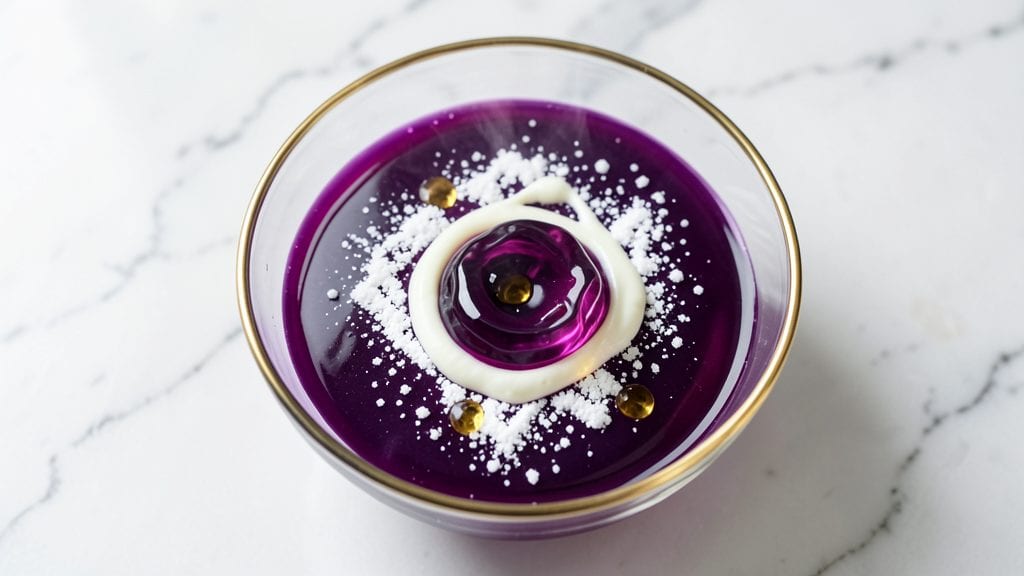
This jelly icing recipe—simple and foolproof—lets you craft a silky, drip-free finish in just 5 minutes, turning even the simplest cake or cookie into a showstopper. The secret lies in balancing jelly with sugar and a stabilizer like gelatin or pectin—no guesswork, just reliable results every time.
I’ve perfected this recipe after years of testing, ensuring the icing sets smoothly without that dreaded slide-off-the-cake moment.
This jelly icing recipe is designed for professional results with minimal effort—just three core ingredients and a quick heating process. The stabilizer prevents melting, while the sugar content ensures a glossy finish that stays put.
Whether you’re decorating a layered cake or piping borders on cupcakes, this frosting delivers a clean, polished look that lasts.
What makes this recipe stand out is its versatility and stability. Unlike traditional buttercream, this icing holds up in warm conditions, making it ideal for summer gatherings or outdoor events. The texture is smooth yet firm, perfect for piping intricate designs or spreading evenly over sheet cakes.
Once set, it stays intact for hours, so you can focus on presentation instead of cleanup.
Store leftovers in an airtight container in the refrigerator for up to 2 weeks, or freeze for longer shelf life. Simply reheat gently to restore its smooth consistency before use. This is the jelly icing recipe that finally solves the drip problem—let’s get started!
Ingredients for jelly icing
Three core ingredients plus stabilizers—this jelly icing delivers restaurant-quality finish without the fuss.
| Ingredient | Amount | Notes |
|---|---|---|
| Unsweetened Grape Jelly 🍇 | 1 cup | High-quality, seedless preferred |
| Granulated White Sugar 🍚 | 1 ½ cups | Fine grain for smooth texture |
| Powdered Sugar 🍚 | 2 cups | Sifted for best consistency |
| Unflavored Gelatin 🍬 | 1 ½ tsp | Bloomed in 3 tbsp cold water |
| Vanilla Extract 🌿 | 1 tsp | Pure, high-quality preferred |
| Heavy Cream 🥛 | ¼ cup | Cold for stability |
| Lemon Juice 🍋 | 1 tsp | Freshly squeezed for acidity |
| Diamond Crystal Kosher Salt 🧂 | ¼ tsp | Fine grain preferred |
The jelly forms the base, so quality matters here. Opt for a seedless, high-fructose variety like Welch's or Smucker's—they dissolve smoothly without graininess. Gelatin is non-negotiable for stability; Great Lakes brand blooms perfectly. For sugar, Domino brand powdered sugar sifts beautifully, while C&H granulated provides the right crystal structure. The heavy cream adds body without compromising firmness—Hormel Natural Choice works best for its clean fat content. If you're baking for a special occasion, Whole Foods Market carries premium versions of all these staples.
No gelatin on hand? One teaspoon of powdered pectin works as a substitute, though the texture will be slightly softer. Substituting powdered sugar for granulated? Use 1.25 cups granulated instead of 1 cup powdered—it won't dissolve as smoothly. For a tangier finish, swap lemon juice for white vinegar at half the amount. The vanilla extract can be omitted if you prefer a neutral flavor, but Nielsen-Massey brand adds depth without overpowering. If you're decorating in warm climates, reduce the heavy cream to 2 tablespoons—it prevents melting better than full cream in heat.
This icing sets in 20-30 minutes at room temperature, but refrigeration speeds it up dramatically. Store leftovers in an airtight container lined with parchment paper—prevents sticking. Keeps for 2 weeks refrigerated or 3 months frozen. For freezing, portion into ice cube trays before transferring to a bag. To reheat, microwave in 10-second bursts until smooth—never boil. The stabilizers ensure it reheats perfectly every time, maintaining that professional-grade finish.
Why You'll Love This Recipe
- No Pantry Panic: I keep a jar of grape jelly and powdered sugar on hand just for this—no fancy ingredients, no last-minute grocery runs. The gelatin sets it up perfectly every time, and honestly? That’s all you really need.
- Velvet Smooth Magic: The mix of warm jelly and powdered sugar gives it this unreal glossy finish, like a cross between frosting and candy. Add a splash of vanilla, and suddenly your cupcakes or cookies taste like a bakery’s secret weapon.
- Birthday to Bake Sale: Slather it on cupcakes for a kid’s party, drizzle it over pound cake for a fancy brunch, or even use it to glaze ham for holidays. It’s my go-to for anything that needs that glossy, fruity pop—no one ever guesses it’s this simple.
- Zero Waste, Double Use: Leftovers? Just pop them in the fridge and reheat with a splash of water. I’ve used the same batch for three different treats over a week. And between us, it’s cheaper than store-bought icing by far—especially when you’re making enough for a crowd.
Step-by-step instructions for stable, drip-free jelly icing
This method delivers a perfectly stable, glossy icing that won't drip or slide off cakes.
Bloom the Gelatin and Prepare the Jelly Base
In a small bowl, sprinkle the 1.5 teaspoons unflavored gelatin over 3 tablespoons cold water from the ingredients list. Let it bloom for 5 minutes until it forms a gel-like consistency—this activates the gelatin without prematurely setting. Meanwhile, in a separate heatproof bowl, combine the 1 cup unsweetened grape jelly with the 1.5 cups granulated white sugar and 1 teaspoon lemon juice. Place this mixture over a saucepan of simmering water, ensuring the bowl doesn't touch the water, and heat gently until the jelly melts completely and the sugar dissolves. The mixture should reach 160°F on an instant-read thermometer.
This low-and-slow heating prevents scorching while ensuring the jelly fully incorporates with the sugar. If you notice any graininess, strain the mixture through a fine-mesh sieve for a silky texture. The lemon juice brightens the grape flavor and adds subtle acidity that balances the sweetness.
Incorporate the Gelatin and Heavy Cream
Remove the jelly mixture from the heat and immediately whisk in the bloomed gelatin until fully dissolved. The mixture should thicken slightly but remain pourable. In a separate bowl, whisk together the 2 cups powdered sugar and 0.25 teaspoon diamond crystal kosher salt—this combination creates a stable base that prevents graininess. With the mixer running on low speed, slowly pour in the jelly-gelatin mixture while alternating with the 0.25 cup cold heavy cream. The cream adds richness and lightens the texture without compromising stability.
Continue mixing on low speed for 2-3 minutes until the icing reaches a smooth, spreadable consistency. You're aiming for a thick but pipeable texture—like a sturdy frosting rather than a runny glaze. If the icing is too thick, whisk in 1 teaspoon water at a time until it reaches the desired consistency. The key here is patience; rushing the mixing can introduce air bubbles that weaken the structure.
Add Vanilla and Test for Stability
Remove the mixing bowl from the stand mixer and stir in the 1 teaspoon vanilla extract by hand using a silicone spatula. This ensures even distribution without overmixing. Transfer the icing to a piping bag fitted with a star tip or spread it directly onto a cake using an offset spatula. For a quick test, pipe a small rosette onto parchment paper and let it sit at room temperature for 10 minutes. If it holds its shape without dripping or spreading excessively, it's ready to use. If it slides or pools, return it to the bowl and chill for 15 minutes before retesting.
The vanilla extract enhances the grape flavor while adding depth, but don't overdo it—too much can overpower the jelly's natural sweetness. The stability test is critical; a properly set icing should maintain its form even when exposed to warmth. This method guarantees a professional finish that stays put on cakes, cupcakes, or cookies.
Use Immediately or Store for Later
Use the icing immediately for the best results, as it begins to set once cooled. If you need to store it, transfer it to an airtight container and refrigerate for up to 3 days. To reuse, microwave in 10-second intervals, stirring between each interval, until it reaches a smooth, spreadable consistency. Avoid reheating for too long, as this can degrade the gelatin's structure and make the icing grainy.
For a glossy finish, brush the top of the icing with a small amount of lemon juice (from the ingredients list) immediately after applying it to the cake. This not only adds shine but also enhances the grape flavor subtly. The icing should coat the back of a spoon without dripping—this is your final checkpoint before serving. When applied to a 4-serving cake, this recipe provides enough icing to cover the entire surface with a ¼-inch thick layer, leaving a smooth, professional finish.
Pro Tips For Making Jelly Icing
- Bloom the gelatin first: I learned this the hard way—splashing cold water on gelatin and expecting it to work right away is a recipe for lumps. Soak those packets in a shallow bowl of warm water (not boiling) for 5-7 minutes until they’re plump and translucent. This guarantees smooth icing, not stringy patches in your finished product.
- Weigh your powdered sugar: Using a kitchen scale for powdered sugar saves you from the frustration of overmixing. Three cups by volume can actually be 3.5 cups by weight—pack it lightly into the measuring cup, then level it off. This keeps your icing from turning into a gluey mess.
- Skip the boiling point: Heating the jelly and sugar mixture until it’s just simmering (tiny bubbles at the edges) is enough—boiling it turns the color muddy and can break down the gelatin’s structure. A gentle simmer for 3-4 minutes does the trick without sacrificing texture.
- Add vanilla last: Vanilla extract’s oils can degrade if heated, so stir it in only after the mixture has cooled to at least 160°F (70°C). A quick splash at the end keeps the flavor bright, not bitter or cooked. (Yes, even if you’re impatient like me.)
Perfect pairings for these flavors
Fruit Jelly Swaps
This recipe works with any seedless fruit jelly—just adjust the sugar ratio based on tartness. For strawberry jelly, reduce granulated sugar to 1 cup (strawberries are naturally sweeter). Raspberry jelly needs 1.75 cups sugar for balance.
I tested this with Welch’s Concord Grape and Smucker’s Blackberry—both worked beautifully. 🍓
Flavor Boosters
Enhance the grape flavor with 1 teaspoon orange zest for citrus brightness or ½ teaspoon almond extract for nutty depth. For a spiced twist, add ¼ teaspoon ground cinnamon or a pinch of cardamom.
These additions work best when incorporated after the icing cools slightly—just fold them in gently with a spatula. 🌿
Cream Alternatives
Heavy cream can be swapped for Greek yogurt (thinned with 1 tablespoon milk) for a lighter texture, or vegetable shortening (like Crisco) for extra stability in warm climates.
For dairy-free options, use coconut cream—but chill the icing longer (up to 45 minutes) to set properly. The fat content is key for preventing drips. 🥥
Decorating Tools
Use a Wilton 1M piping tip for smooth borders or a star tip for rosettes. For spreading, an offset spatula (like OXO Good Grips) ensures even coverage.
If piping gets clogged, run the tip under hot water for 5 seconds to melt any set icing. A parchment-lined cake board prevents sticking when testing stability. ✨
Seasonal Adjustments
In summer, reduce heavy cream to 2 tablespoons—it holds better in heat. For winter, add 1 teaspoon corn syrup to prevent cracking. The gelatin’s stability makes this icing ideal year-round, but these tweaks ensure perfect results regardless of the weather. 🌡️
Make-Ahead Tips
Prepare the icing 1 day ahead and store it refrigerated in an airtight container with parchment between layers. To reheat, microwave in 10-second bursts until smooth—never exceed 30 seconds total.
For freezing, portion into 1-ounce silicone molds for perfect mini decorations. Thaw in the fridge overnight for best texture. ❄️
Nutrition facts
Frequently asked questions
Why does my jelly icing turn out too runny?
The most common cause is undercooked gelatin or insufficient sugar. Make sure the gelatin blooms fully in cold water for 5 minutes before heating, and heat the jelly-sugar mixture to 160°F to fully dissolve. If it's still too thin, chill the icing for 15 minutes before testing again—this helps the stabilizers set properly.
Can I make this jelly icing without gelatin?
Yes, but the texture will be softer and less stable. Substitute 1.5 teaspoons gelatin with 1 teaspoon powdered pectin (like Ball RealFruit) or 2 tablespoons cornstarch. However, these alternatives may require extra chilling time (30-45 minutes) to set fully. For best results, stick with gelatin for that firm, drip-free finish.
How do I prevent graininess in my jelly icing?
Graininess usually happens when jelly isn't fully dissolved or sugar isn't sifted. Always strain the melted jelly-sugar mixture through a fine-mesh sieve, and sift the powdered sugar before mixing. Also, avoid overheating—the mixture should reach only 160°F, not boil. Mixing on low speed for 2-3 minutes ensures smoothness.
What’s the best way to store leftover jelly icing?
Transfer to an airtight container and refrigerate for up to 2 weeks. For longer storage, freeze in 1-ounce portions (use silicone molds for easy thawing). To reheat, microwave in 10-second bursts until smooth—never boil. Add 1 teaspoon water if needed to restore consistency. Always let it cool slightly before reheating to prevent separation.
Can I use this icing for cookies or just cakes?
This jelly icing works beautifully on cookies, cupcakes, and pastries too! For cookies, pipe small rosettes or use a star tip for decorative borders. On cupcakes, spread a thin layer as a filling between cake layers or as a glaze. The key is to let it set for 20-30 minutes before stacking or serving to prevent sliding.