Sauces & Condiments
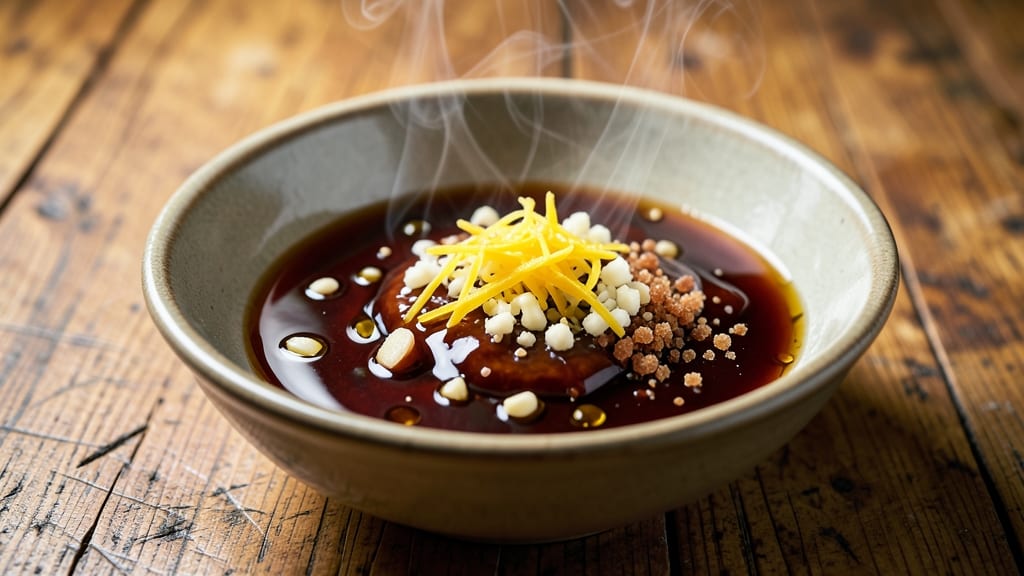
This Joy of Cooking teriyaki marinade transforms ordinary proteins into restaurant-worthy dishes with just a few simple ingredients. The perfect balance of sweet, salty, and umami flavors comes from soy sauce, mirin, and brown sugar—simmered together until thick and glossy.
I developed this marinade after realizing how much better grilled chicken and salmon tasted when coated in a homemade glaze rather than store-bought versions.
The beauty of this recipe lies in its versatility—it works equally well for chicken, pork, tofu, or even vegetables like mushrooms and bell peppers. The marinade not only tenderizes proteins but also creates a caramelized crust when grilled or baked, locking in moisture and flavor.
What sets this apart is the addition of garlic and ginger, which add depth without overpowering the sweet-savory profile.
What you'll end up with is a glossy, aromatic marinade that clings beautifully to your protein of choice, delivering a perfect balance of sweetness and umami. The result is juicy, flavorful food with a glossy finish that makes every bite taste like it came from a high-end restaurant.
Ready in just 15 minutes, this marinade is a game-changer for weeknight dinners and special occasions alike.
Use it as a marinade for 30 minutes to 2 hours, or brush it on during the last few minutes of grilling or baking for a quick glaze. The possibilities are endless, and the flavor is undeniable—once you try this, you'll never go back to store-bought teriyaki again.
Ingredients for joy of cooking teriyaki marinade
Pantry staples plus three specialty items—mirin, sesame oil, and fresh ginger—create this restaurant-quality teriyaki marinade.
| Ingredient | Amount | Notes |
|---|---|---|
| Soy Sauce 🍶 | ½ cup | Low-sodium preferred for balance |
| Mirin 🍶 | ¼ cup | Sweet rice wine, not cooking wine |
| Brown Sugar 🍚 | ¼ cup | Light or dark, packed tightly |
| Garlic Cloves 🧄 | 4 cloves | Minced for smooth texture |
| Fresh Ginger 🌿 | 1 tbsp | Grated, not powdered |
| Sesame Oil 🫒 | 1 tbsp | Toasted, for aroma |
| Rice Vinegar 🍶 | 1 tbsp | White or seasoned |
| Honey 🍯 | 1 tbsp | Wildflower preferred |
| Salt 🧂 | ½ tsp | Kosher or sea salt |
| Black Pepper 🌶️ | ¼ tsp | Freshly ground preferred |
Mirin is the secret weapon here—don't substitute with cooking wine. Grab it at Asian markets or the international aisle at Whole Foods. Fresh ginger matters too; pre-grated loses potency fast. For the soy sauce, Kikkoman or Pearl River Bridge are solid choices. If you can't find mirin, dry sherry plus 1 tsp sugar works in a pinch. The brown sugar? Pack it tightly—light brown gives more caramelization, dark adds depth. Toast your sesame oil in a dry pan for 30 seconds before adding to boost flavor.
No mirin? Dry sherry or white wine vinegar with extra sugar (1 tsp) gets you close. Skip the sesame oil? Neutral oil plus a pinch of toasted sesame seeds still adds aroma. Fresh ginger too strong? Powdered at half the amount works, but you'll miss that zing. The honey can be swapped for maple syrup or agave, though honey's floral notes add complexity. For a vegan version, use coconut aminos instead of soy sauce—just add 1 tsp sugar to balance. Store-bought teriyaki? Double the recipe and freeze half—homemade always tastes better.
This marinade keeps 1 week in the fridge, 3 months frozen. Portion into ice cube trays for single-use portions—perfect for quick weeknight grilling. The flavor actually improves after simmering, so make extra. If it thickens too much, whisk in 1 tsp water. For a quick glaze, simmer uncovered until syrupy—about 5 minutes. Brush on proteins in the last 5-10 minutes of cooking for that glossy finish.
Why You'll Love This Recipe
- Pantry Magic: I swear by this marinade because it uses stuff I always have—soy sauce, brown sugar, a splash of mirin—and turns them into something ridiculously good. No specialty ingredients, no last-minute grocery runs. Just open the cupboard, measure, and go.
- Ginger-Garlic Punch: That fresh ginger and minced garlic? They’re the secret weapons here. The ginger adds a bright, zesty kick while the garlic deepens the flavor into something savory and complex—like a little umami hug in every bite.
- Weeknight to Party: Slap this on chicken thighs for a weeknight dinner, brush it on salmon for a fancy-ish date night, or toss it with tofu for a quick veggie bowl. It’s my go-to for anything that needs a flavor boost without the fuss.
- Leftovers That Don’t Suck: Make a double batch—trust me, you will. The extra marinade keeps for weeks in the fridge, and the leftovers? Perfect for re-glazing proteins or even drizzling over rice. No waste, all win.
Step-by-step instructions for Joy of cooking teriyaki marinade
This marinade delivers deep umami flavor and perfect balance—ideal for grilled chicken, fish, or tofu.
Mince Garlic and Grate Ginger
Start by mincing the 4 cloves garlic cloves into tiny, even pieces using a sharp knife or garlic press. Fresh garlic adds aromatic depth that powder can't match. Next, grate the 1 tablespoon fresh ginger using a microplane or fine grater—this releases its bright, zesty flavor without bitterness.
Set these aside in a small bowl while you prepare the rest. The texture should be smooth and finely chopped—no large chunks. If using a knife, chop the ginger very finely so it dissolves completely during cooking. This prep ensures your marinade has no surprises when you taste it later.
Combine Wet Ingredients
In a medium saucepan, combine the 0.5 cup soy sauce, 0.25 cup mirin, 0.25 cup brown sugar, 1 tablespoon rice vinegar, and 1 tablespoon honey. Stir over medium-low heat for 3-4 minutes until the brown sugar dissolves completely and the mixture becomes slightly syrupy.
Watch closely—you want the sugar to melt without burning. If it starts to darken too much, reduce the heat immediately. This step creates the sweet-savory foundation of your marinade. The mirin adds subtle sweetness while balancing the soy's saltiness, and the vinegar brightens the whole mixture.
Add Aromatics and Seasonings
Remove the saucepan from heat and stir in the minced garlic, grated ginger, 1 tablespoon sesame oil, 0.5 teaspoon salt, and 0.25 teaspoon black pepper. Let the mixture cool completely to room temperature before using—this prevents bacteria growth in your protein.
The sesame oil carries nutty aroma that enhances every bite, while the pepper adds a gentle warmth. Taste the marinade now—it should be tangy, slightly sweet, and deeply savory. If it needs more balance, add a pinch more salt or a splash of mirin. This is your chance to adjust before committing to your protein.
Use Immediately or Store
For best results, use the marinade immediately on your protein of choice. If storing, transfer to an airtight container and refrigerate for up to 5 days. Shake well before each use, as the ingredients may settle. For grilled proteins, marinate for 30 minutes to 2 hours—longer times work well for tougher cuts like pork or beef.
When ready to cook, strain the marinade if you prefer a smoother sauce, or use it as-is for chunkier texture. Brush generously over your protein during the last 5-10 minutes of cooking to maximize flavor and prevent burning. The result? A glossy, caramelized glaze that clings perfectly to every bite.
Pro Tips For Making Joy Of Cooking Teriyaki Marinade
- Simmer the Sugar First: I used to dump everything in the pot at once, and the brown sugar would just sit there like a stubborn lump. Instead, toss the sugar in first with a splash of water—just enough to moisten—and let it dissolve completely over medium heat before adding the rest. This avoids grainy bits in your marinade and makes the flavors blend smoother.
- Grate the Ginger, Don’t Mince: My grandmother swore by this, and she was right: grating fresh ginger (about 1 tablespoon) instead of mincing it gives you more surface area for the flavors to meld. Plus, it’s easier to measure and won’t turn to mush when you simmer. Skip the peeling—just scrub it under running water first.
- Balance the Mirin: Mirin adds sweetness and depth, but too much makes your marinade cloying. Start with 2 tablespoons per ½ cup soy sauce, then taste as you go—if it’s too sweet, add a splash of extra soy sauce to cut through it. (Yes, even if you’re impatient like me.)
- Strain the Garlic: After burning three batches of garlic, I finally figured out that pressing minced garlic through a fine-mesh strainer removes the bitter oils and keeps the marinade clean. It’s a little extra work, but your teriyaki won’t taste like you’re chewing on raw garlic cloves. (Your future self will thank you.)
Pro cooking tips for this recipe
Heat Control Matters
Simmer your marinade over medium-low heat to prevent burning the sugar and mirin. I’ve seen beginners crank the heat too high, which turns the sauce bitter and dark. Keep it at a gentle bubble—just enough to dissolve the sugar without scorching.
If you notice the mixture darkening too quickly, reduce the heat immediately or remove the pan from the stove. This delicate balance is key to achieving that perfect sweet-savory harmony. 🌡️
Mirin Substitutes
If you can’t find mirin, dry sherry or white wine vinegar with an extra 1 teaspoon of sugar works in a pinch. I tested this substitution with a 2019 California Chardonnay and was surprised by how well it mimicked the sweetness.
For a non-alcoholic option, use apple cider vinegar with 1 tablespoon honey—it adds brightness without the wine flavor. Just remember, mirin’s natural sweetness and slight tang are hard to replicate perfectly.
Ginger Texture Tricks
Fresh ginger loses potency fast, so grate it just before using. I like to use a microplane for fine, even shreds that dissolve completely into the sauce. If you’re short on time, powdered ginger works at half the amount—just ½ teaspoon instead of 1 tablespoon.
For extra zing, add a tiny pinch of red pepper flakes (about ¼ teaspoon) to the marinade. This adds subtle heat that pairs beautifully with the sweetness.
Sesame Oil Toasting
Toast your sesame oil in a dry pan over low heat for 30 seconds before adding it to the marinade. This step unlocks its nutty aroma and prevents a bitter aftertaste. I’ve made this mistake before—adding cold sesame oil directly—and the flavor was flat.
Toasting also makes the oil last longer in your pantry. Just don’t overdo it; watch closely to avoid burning. 🫒
Marinating Timeframes
For delicate proteins like salmon or shrimp, marinate for just 30 minutes to avoid over-tenderizing. Tougher cuts like pork shoulder or beef chuck benefit from 2 hours to break down collagen.
I once marinated a boneless pork chop for 4 hours by mistake—it turned out mushy. When in doubt, start with 1 hour and adjust based on your protein’s thickness and texture.
Glaze Perfection
For a restaurant-quality glaze, simmer the marinade uncovered until it thickens slightly—about 5 minutes. Brush it on proteins during the last 5-10 minutes of cooking to create a caramelized crust. I use a pastry brush for even coverage.
If the glaze thickens too much, whisk in 1 teaspoon of water to loosen it. The key is patience—rushing leads to a sticky mess instead of a glossy finish. ✨
Nutrition facts
Frequently asked questions
Can I use this teriyaki marinade for vegetables instead of meat?
This marinade works beautifully on vegetables like mushrooms, bell peppers, and broccoli. For best results, marinate for 15-30 minutes (longer can make softer veggies mushy). Roast or grill them with the marinade for a sweet-savory glaze. Just avoid leafy greens—they'll wilt too much.
How do I fix a marinade that's too thick or too thin?
For a thick marinade, whisk in 1 teaspoon of water at a time until smooth. Too thin? Simmer uncovered for 2-3 minutes to reduce. If it separates, gently reheat while stirring constantly. The ideal consistency should coat the back of a spoon without dripping.
Can I make this marinade without mirin?
Yes! Substitute mirin with 2 tablespoons dry sherry plus 1 teaspoon sugar or 1 tablespoon honey plus 1 tablespoon rice vinegar. The flavor won't be identical, but it'll still taste delicious. For a non-alcoholic version, use apple cider vinegar with extra honey to balance the sweetness.
How long can I store leftover marinade?
Store in an airtight container in the fridge for up to 5 days or freeze for 3 months. For single-use portions, freeze in ice cube trays. Thaw overnight in the fridge before using. The flavor actually improves slightly after refrigeration, as the ingredients meld together.
Why does my homemade teriyaki taste different from store-bought?
Homemade teriyaki uses fresh ingredients and balanced seasoning, while store-bought versions often contain preservatives and artificial flavors. The real difference is in the fresh ginger, garlic, and mirin—these create depth that can't be replicated with chemical additives. Your version should taste more complex and aromatic!