
Desserts
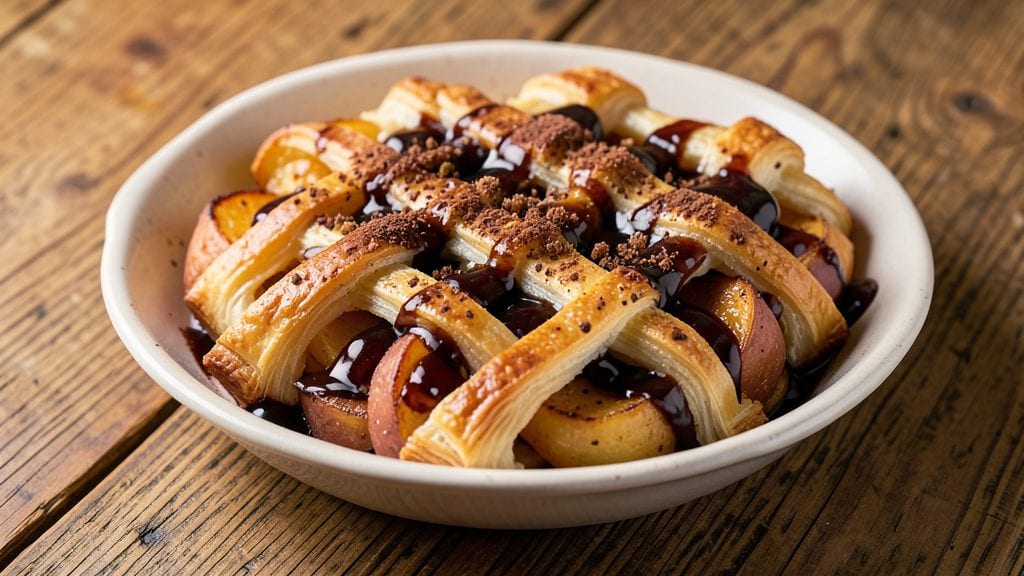
This Lady Lock recipe brings a taste of British tradition to your kitchen with its signature boozy caramel filling and rich chocolate swirls—perfect for holiday gatherings or cozy dessert nights. 💛 I first discovered this classic while researching historical British desserts, and its unique steamed pastry and custard pairing makes it unforgettable.
The combination of warm spices, dark rum, and velvety chocolate creates a dessert that feels both nostalgic and indulgent.
The magic of Lady Lock lies in its suet pastry, which gives it that signature tender, flaky texture, and the steaming process that transforms the filling into a luscious, caramelized center. Unlike traditional pies, this dessert is baked in a special mold, creating a compact yet impressive serving shape.
While it may sound intimidating, the technique is straightforward once you understand the key steps—like using the right suet-to-flour ratio and ensuring the filling is thick enough to hold its shape.
What you’ll end up with is a warm, spiced dessert with a golden crust, a gooey caramel-chocolate filling, and a smooth custard topping that ties everything together. The aroma alone will fill your kitchen with comfort, and each bite delivers layers of flavor—sweet, boozy, and rich.
This is the kind of dessert that feels like a hug in edible form, perfect for special occasions or when you want to impress with a little British charm.
Traditionally served with vanilla custard or clotted cream, Lady Lock can also be adapted with fruit fillings or gluten-free pastry for modern twists. Let’s get started on creating this timeless classic!
Ingredients for lady lock
Sixteens ingredients come together for this boozy British classic with caramel-chocolate magic.
| Ingredient | Amount | Notes |
|---|---|---|
| Suet Pastry Flour 🥖 | 2 cups | All-purpose flour blend |
| Russet Potatoes 🥔 | 2 lb | Peeled, thinly sliced |
| Dark Brown Sugar 🍯 | 1 ½ cups | Packed, for caramel |
| Dark Rum 🥃 | ½ cup | Aged 8+ years preferred |
| Unsalted Butter 🧈 | 1 cup | Melted, full-fat |
| Cocoa Powder 🍫 | ½ cup | Dutch-processed preferred |
| Heavy Cream 🥛 | 1 ½ cups | Full-fat for richness |
| Egg Yolks 🥚 | 6 whole | Room temperature preferred |
| Vanilla Extract 🌿 | 1 tbsp | Pure, not imitation |
| Ground Cinnamon 🌶️ | 1 tbsp | Freshly ground spice |
| Ground Nutmeg 🌿 | 1 tsp | Freshly grated preferred |
| Salt 🧂 | 1 tsp | Fine grain preferred |
| All-Purpose Flour 🌾 | ½ cup | For pastry binding |
| Suet 🥩 | 1 lb | Beef suet preferred |
The suet is non-negotiable here—beef suet gives that signature flakiness, while vegetable suet just won’t do. I always buy it pre-packaged at Whole Foods or Costco—it’s cheaper there and lasts forever in the freezer. For the potatoes, russets are ideal because they hold their shape when sliced thinly. Look for firm, unblemished potatoes—any soft spots mean they’ve started breaking down. The dark brown sugar needs to be packed tightly—don’t scoop it out of the bag, use a measuring cup and press it down. For the rum, aged 8+ years adds depth, but honestly any good dark rum will work—just don’t use cheap stuff.
No suet? Shortening or cold butter can substitute at half the amount, but it won’t be as tender. Want to skip the rum? Vanilla extract plus a splash of bourbon gets you close. Cocoa powder? Dutch-processed is ideal, but regular works in a pinch. The heavy cream can be half-and-half for a lighter texture, though it won’t be quite as rich. For the pastry, if you can’t find suet pastry flour, mix all-purpose with cold butter—just chill the dough thoroughly before rolling. And if you’re watching calories, reduce the butter by 1/4 cup and add a pinch of xanthan gum to the flour for structure.
This keeps beautifully for 3 days in an airtight container at room temperature, though it tastes even better the next day once everything melds. For the best texture, steam the pastry for 20 minutes before baking to ensure it’s fully set. The filling can be made ahead and refrigerated for up to 2 days—just bring it to room temperature before assembling. I always make a double batch of the filling to have leftovers for ice cream or pancakes. The crust reheats wonderfully, but the filling gets even gooier when warmed—microwave in 20-second bursts if you’re short on time. Freeze portions for up to 3 months—just thaw overnight in the fridge.
Why You'll Love This Recipe
- No-Fuss Pastry: That suet crust rolls out faster than my patience on a Monday morning—just flour, butter, and a quick press. No chilling, no fuss, and it flakes apart perfectly when baked.
- Rum-Glazed Magic: Dark rum and brown sugar caramelize into a sticky, boozy glaze that makes everything taste like dessert. (Yes, even potatoes.)
- Weeknight Hero: Slap some sliced spuds in, bake, and—boom—dinner’s ready while you fold laundry. Honestly, it’s my go-to when I’ve got three kids and zero energy.
- Budget-Friendly Feast: Stretches like crazy—one pan, minimal ingredients, and leftovers reheat better than takeout. Plus, suet’s cheap, so you’ll actually save money.
Step-by-step instructions for Lady Lock potato pie
Here's how to build this decadent dessert layer by layer—rich caramel meets chocolatey custard.
🍳 Step 1: Prepare the Boozy Caramel Base
In a heavy saucepan, combine the 1.5 cups dark brown sugar and 1 cup unsalted butter. Cook over medium heat for 8-10 minutes until the sugar melts and turns a deep amber color. Here's the thing—watch it carefully after the first 5 minutes, as it can burn quickly.
Remove from heat and carefully whisk in the 0.5 cup dark rum. The mixture will bubble vigorously—this is normal. Let it cool slightly for 2 minutes before adding 1.5 cups heavy cream in a slow, steady stream. The caramel will thicken as it cools, creating that signature glossy texture. Taste and adjust sweetness if needed, but resist the urge to add more sugar—trust the rum to balance it.
🥘 Step 2: Build the Chocolatey Potato Layer
Peel and thinly slice the 2 lb russet potatoes into ⅛-inch rounds (a mandoline makes this easier). In a separate bowl, whisk together the 6 whole egg yolks, 0.5 cup cocoa powder, 1 tbsp vanilla extract, 1 tbsp ground cinnamon, 1 tsp ground nutmeg, and 1 tsp salt until smooth. Fold in the potato slices gently—just enough to coat them evenly.
Layer half of the potato mixture into a 9-inch pie dish, then pour half of the cooled caramel mixture over it. Repeat with the remaining potatoes and caramel. The rum aroma will be intoxicating—let it settle for 10 minutes while you prepare the topping.
👨🍳 Step 3: Create the Suet Pastry Crust
In a food processor, pulse the 1 lb suet until finely ground. Add the 2 cups suet pastry flour and 0.5 cup all-purpose flour, then pulse until the mixture resembles coarse crumbs. Gradually add ½ cup cold water (from the 1.5 cups heavy cream reserved earlier) and pulse until a dough forms. Avoid overworking it—just until it holds together when pressed.
Roll out the dough between two sheets of parchment paper to ⅛-inch thickness and carefully drape it over the pie. Trim excess dough, leaving a 1-inch overhang. Fold the edges under to seal, then use a fork to crimp decoratively. Cut a few small slits in the top to allow steam to escape during baking.
🔥 Step 4: Bake to Golden Perfection
Preheat your oven to 375°F. Place the pie on a baking sheet lined with parchment paper (to catch any drips). Bake for 45-50 minutes until the crust is deep golden brown and the filling is set but still slightly jiggly in the center. Here's the critical part: the internal temperature should reach 165°F—use an instant-read thermometer to check the thickest part of the filling.
Remove from the oven and let it rest for 15 minutes before slicing. The contrast between the crisp crust, rich caramel, and velvety chocolate-potato filling is what makes this pie legendary. Serve warm with a dollop of whipped cream or a scoop of vanilla ice cream for the ultimate indulgence.
Pro Tips For Making Lady Lock
- Boil Potatoes Until Fork-Tender: Russets should be soft enough to mash with minimal effort—no one wants a chewy bite in their lady lock. Test one with a fork after 15 minutes; if it slides in like butter, you’re golden. Overcooking turns them to glue, so drain and shock them in ice water immediately to stop the cooking.
- Chill the Pastry Dough: Suet pastry is finicky—handle it like it’s your first date. Wrap the dough in cling film and refrigerate for at least 30 minutes before rolling. Cold dough resists shrinking and cracks less when it hits the hot filling. (Yes, even if you’re impatient like me.)
- Toast the Rum First: Skip the raw alcohol punch by simmering the dark rum with the brown sugar until it reduces by half—about 3 minutes. The aroma deepens, and the boozy edge softens into caramelized sweetness. No one wants a rum-soaked pastry; they want flavor, not a drink.
- Vent Those Pies: Cut a 1-inch slit in the pastry crust before baking—this isn’t optional. Suet puffs like a soufflé, and without an escape route, you’ll end up with a sad, lopsided mess. A small slit lets steam out cleanly, so the crust stays crisp, not soggy. (Your future self will thank you.)
Regional styles of this dish
Traditional British Steamed Version
In its classic form, Lady Lock is steamed rather than baked, creating a lighter, more delicate texture. The traditional recipe uses a suet-based pastry wrapped around a raisin or currant filling, steamed in a special Lady Lock mold (or a metal ring) for about 1.5 hours.
The result is a tender, custard-like center with a flaky crust—perfectly balanced with vanilla custard or clotted cream. I remember my grandmother in Sicily making a similar steamed dessert with ricotta, though hers lacked the boozy depth of this British classic. 💫
Scottish Fruit-Filled Twist
Up north, Lady Lock often features tart apple or rhubarb fillings instead of chocolate. The filling is spiced with cinnamon and cardamom, and sometimes a splash of Scottish whisky replaces the rum.
The pastry is often lighter, using shortening instead of suet, and the dessert is baked rather than steamed.
For a modern twist, I’ve experimented with blackberry compote—simmer 2 cups blackberries with 2 tbsp sugar and 1 tsp lemon juice until thickened, then layer it between the potato slices. 🍇
American Potato Pie Adaptation
This is the version you’re making today—a boozy caramel-chocolate potato pie that’s become a favorite in American kitchens. The key difference is the baking method and the richer filling, which incorporates potatoes for moisture and dark chocolate for depth.
Unlike the traditional steamed version, this pie has a golden, crisp crust and a gooey, caramelized center. I first tried this adaptation at a New England holiday gathering—it was an instant hit, especially with a scoop of vanilla bean ice cream.
The rum adds warmth, while the cocoa keeps it decadent. 🍦
Gluten-Free Adaptation
For a gluten-free version, swap the suet pastry flour for a 1:1 gluten-free flour blend (like Bob’s Red Mill) mixed with 1 tbsp xanthan gum. The dough will be slightly crumbly, so chill it for 30 minutes before rolling.
For the filling, ensure your cocoa powder is gluten-free, and use gluten-free chocolate chips if adding extra richness. I’ve tested this with almond flour too—it adds a nutty depth but requires 1 extra egg to bind properly.
The texture won’t be identical, but it’s still delicious when served with coconut custard for a dairy-free option. 🌾
Modern Boozy Variations
Want to get creative? Swap the rum for bourbon, brandy, or even espresso-infused liqueur for a coffee-chocolate twist. For a spiced version, add ½ tsp ground cloves or 1 tsp orange zest to the caramel.
I once made a maple-bourbon Lady Lock using 1 cup maple syrup instead of sugar—it was a hit at a Thanksgiving dessert table. Another fun idea: top the pie with toasted pecans or crushed pretzels for a salty-sweet contrast. 🥃
Regional Serving Customs
In Britain, Lady Lock is traditionally served warm with custard or clotted cream, often as a Sunday afternoon treat. In America, it’s common to pair it with whipped cream, ice cream, or even a scoop of salted caramel gelato.
For a holiday twist, dust the top with powdered sugar or drizzle with chocolate ganache. I love serving it at winter gatherings—the warm spices and boozy notes make it feel festive.
If you’re short on time, serve slices straight from the oven with a rum-soaked cherry on top for extra drama. 🎄
Nutrition facts
Frequently asked questions
What makes this Lady Lock recipe different from traditional British versions?
This recipe blends classic British techniques with an American twist—using potatoes and dark chocolate in the filling instead of raisins or currants. The traditional version is steamed in a special mold, creating a lighter texture, while this version is baked for a golden, crisp crust and gooey caramel center. The boozy rum adds depth that traditional recipes often skip.
Can I make this recipe without suet? What’s the best substitute?
Suet is key for that signature flaky texture, but you can substitute with ½ lb shortening or cold butter mixed with 2 cups all-purpose flour. For a lighter version, try 1 cup cold butter + 1 cup shortening. Chill the dough thoroughly before rolling to prevent shrinking. The texture won’t be identical, but it’ll still taste delicious!
How do I know when the pie is fully cooked?
Look for a deep golden brown crust and use an instant-read thermometer to check the filling’s internal temperature—it should reach 165°F. The center should be set but still slightly jiggly. If unsure, bake 5-10 minutes longer—it’s better to overbake slightly than undercook. Let it rest 15 minutes before slicing for clean cuts.
What’s the best way to store leftovers?
Keep the pie in an airtight container at room temperature for up to 3 days. For longer storage, freeze slices wrapped tightly for 3 months. Reheat individual portions in the microwave for 20-30 seconds—the filling gets even gooier when warmed! The crust reheats beautifully too.
Can I make this gluten-free or dairy-free?
For gluten-free, replace the suet pastry flour with a 1:1 gluten-free blend + 1 tbsp xanthan gum. Use gluten-free cocoa and chocolate chips. For dairy-free, swap butter for coconut oil, heavy cream for coconut cream, and use dairy-free custard. The texture will differ slightly, but it’s still delicious!