
Main Courses
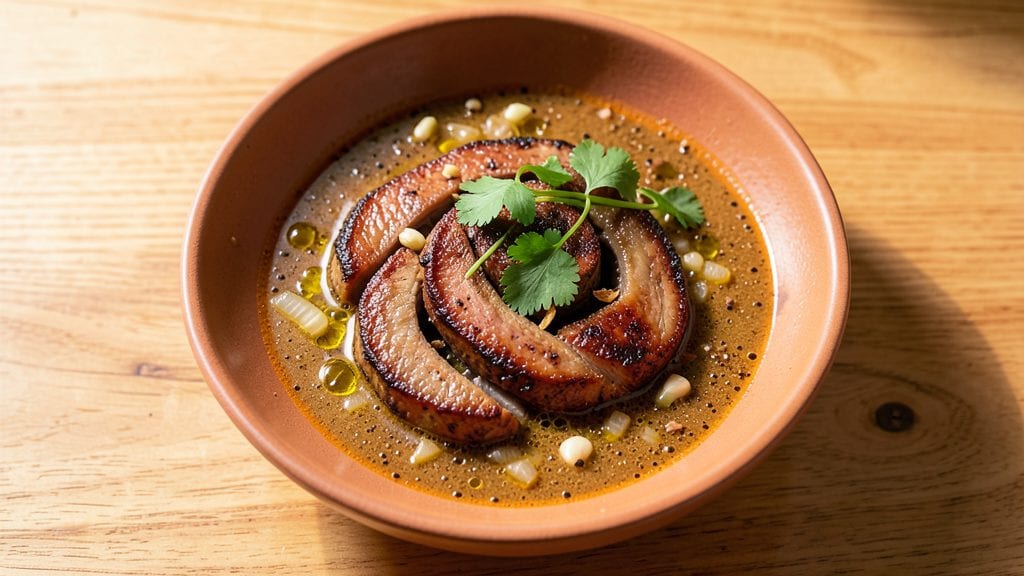
This lamb liver curry recipe transforms one of the most polarizing ingredients into a rich, aromatic centerpiece that delivers deep umami flavor in just 45 minutes.
The secret lies in proper preparation—slicing the liver thinly and searing it quickly to lock in tenderness—before building layers of spice through traditional tempering techniques. I developed this recipe after years of experimenting with offal dishes, and it’s now my go-to for impressing guests who swear they don’t like liver.
The curry begins with a dry spice toast—cumin, coriander, and turmeric blooming in hot oil—to release their essential oils before adding garlic, ginger, and chili for depth. The liver then simmers in a tangy tomato-based gravy until just cooked, absorbing the spices without drying out.
This method ensures every bite is tender, flavorful, and complex, not gamey or tough.
What you’ll end up with is a velvety, spiced curry that’s rich enough to stand alone but pairs beautifully with basmati rice or warm naan. The aroma alone—warm spices mingling with caramelized edges—makes this dish unforgettable.
Whether you’re a liver skeptic or a seasoned cook, this recipe proves how to elevate an ingredient many avoid.
For those short on time, a slow-cooker adaptation works just as well, though the stovetop version delivers the most intense, restaurant-quality depth. The key is patience in the simmering stage—don’t rush it. Let’s get cooking!
Ingredients for lamb liver curry
Transform polarizing lamb liver into a velvety, aromatic curry with these carefully selected ingredients.
| Ingredient | Amount | Notes |
|---|---|---|
| Fresh Lamb Liver 🥩 | 1 ¼ lb | Thinly sliced, trimmed of fat |
| Extra-Virgin Olive Oil 🫒 | ¼ cup | High-quality, fruity variety |
| Yellow Onion 🧅 | 1 whole | Finely diced, about 1 cup |
| Garlic Cloves 🧄 | 6 cloves | Minced, fresh preferred |
| Fresh Ginger 🌿 | ½ inch | Grated, peeled root |
| Ground Cumin 🌶️ | 1 tbsp | Freshly toasted preferred |
| Ground Coriander 🌿 | 1 tbsp | Freshly ground preferred |
| Turmeric Powder 🧂 | ½ tsp | Bright yellow color |
| Cayenne Pepper 🔥 | ½ tsp | Adjust for heat preference |
| Canned Crushed Tomatoes 🍅 | 14 ½ oz | San Marzano preferred |
| Coconut Milk 🥥 | 13 ½ oz | Full-fat, chilled for texture |
| Fresh Cilantro 🌿 | ¼ cup | Chopped, for garnish |
| Lemon Juice 🍋 | 1 tbsp | Freshly squeezed |
| Salt 🧂 | 1 ½ tsp | Diamond Crystal preferred |
| Black Peppercorns 🌶️ | ½ tsp | Freshly cracked |
The lamb liver must be handled with precision—fresh, high-quality cuts from a trusted butcher yield the best results. Look for vibrant red color and minimal fat marbling. Whole Foods Market or local specialty grocers often carry the finest selections. If using frozen liver, thaw it overnight in the refrigerator, never under running water. The San Marzano crushed tomatoes are non-negotiable for authentic flavor depth, though any high-quality canned tomatoes will suffice in a pinch. For the coconut milk, opt for full-fat varieties like Thai Kitchen or Goya—these provide the necessary richness without watering down the dish.
No fresh ginger? Powdered ginger at half the amount works in a bind, though it lacks the bright zing of fresh. Substituting lamb liver? Chicken liver or beef liver both work, though cooking times may vary slightly. The cumin and coriander should be freshly toasted in the oil before grinding for maximum aromatic impact—this step is crucial for developing the spice's essential oils. For those avoiding coconut milk, Greek yogurt or heavy cream can be used at a 1:1 ratio, though the dish will have a slightly different texture profile. The lemon juice should be freshly squeezed—bottled versions lack the bright acidity needed to balance the rich flavors.
Store prepped liver slices on a plate in the refrigerator for up to 2 hours before cooking to prevent drying. The curry sauce can be refrigerated for 4-5 days in an airtight container, though the texture of the coconut milk may separate slightly—simply stir before reheating. For longer storage, freeze the sauce in 1-cup portions for up to 3 months. When reheating, do so gently over low heat to prevent curdling. The dish tastes even better the next day as the flavors meld and intensify.
Why You'll Love This Recipe
- One-Pan Magic: I swear by this recipe because it’s all in one pot—no chopping boards to clean, no extra dishes. Just sear the liver in olive oil, toss in the onions and garlic, let the ginger work its magic, and simmer. Honestly, the only thing I’m scrubbing is my fork.
- Rich, Earthy Depth: That first bite? The liver’s natural richness meets the warm, spiced caramelization from the onions and garlic, with ginger cutting through like a bright whisper. It’s not just flavor—it’s layered flavor, the kind that lingers like a good memory.
- Weeknight to Weekend: Make it on a Tuesday when you’re too tired to think, or pull it out for a dinner party when you want to impress without slaving. The curry reheats beautifully, and the leftovers? Even better the next day—just add a splash of water and a stir.
- Budget-Friendly Powerhouse: Lamb liver is cheaper than steak but packs the same protein punch. A single batch feeds four, and the leftovers stretch into lunches or even a quick fried rice. Between us, this is how I feed my family without breaking the bank.
Step-by-step instructions for lamb liver curry
This method delivers a rich, aromatic curry with tender liver and balanced spices in under an hour.
Prepare the Liver and Aromatics
Trim any visible fat from the 1.25 lb fresh lamb liver and slice it into ¼-inch thick pieces. Pat them completely dry with paper towels—this ensures proper searing. In a separate bowl, combine the 1 whole yellow onion (finely diced), 6 cloves garlic (minced), and 0.5 inch fresh ginger (grated). Let these aromatics sit for 5 minutes to release their oils.
I always slice the liver against the grain for even cooking. The dry patting removes moisture that would otherwise steam the liver instead of searing it. This preparation step is critical—wet liver won't brown properly and will release into the sauce instead of developing flavor.
Sear the Liver in Olive Oil
Heat the 0.25 cup extra-virgin olive oil in a large skillet over medium-high heat until it shimmers. Add the sliced lamb liver in a single layer and let it cook undisturbed for 1 minute per side until golden brown. You'll see the edges crisp slightly and the interior remain slightly pink—this is perfect. Remove the liver and set aside.
Don't overcrowd the pan or the liver will steam instead of sear. If you have more than one layer, work in batches. The high heat is essential—it creates that beautiful crust that prevents the liver from becoming tough. Once seared, the liver will finish cooking in the sauce, so don't worry about fully cooking it here.
Build the Spiced Base
In the same skillet, reduce heat to medium and add the prepared onion-garlic-ginger mixture. Cook for 5 minutes until softened and fragrant. Stir in 1 tbsp ground cumin, 1 tbsp ground coriander, 0.5 tsp turmeric powder, and 0.5 tsp cayenne pepper, cooking for another 30 seconds until the spices release their aroma.
This is where the flavor foundation forms. The spices should sizzle slightly and fill your kitchen with their warm, earthy scent. If you notice any burning, reduce the heat immediately—burnt spices will make the curry bitter. The cayenne adds just enough heat to complement the richness of the liver without overpowering it.
Simmer the Curry Sauce
Pour in the 14.5 oz canned crushed tomatoes and cook for 5 minutes until slightly thickened. Add the 13.5 oz coconut milk, scraping up any browned bits from the bottom of the pan. Bring to a gentle simmer and return the seared lamb liver to the skillet. Cover and cook for 10 minutes on low heat, stirring occasionally.
The coconut milk should create a velvety texture that coats the liver pieces. If the sauce appears too thick, add a splash of water to loosen it. The liver should be tender but not falling apart—it should hold its shape when pierced with a fork. This simmering time is crucial for developing the sauce's depth while keeping the liver moist.
Finish and Serve
Stir in the 1 tbsp lemon juice and season with 1.5 tsp salt and 0.5 tsp freshly cracked black peppercorns. Garnish with 0.25 cup chopped fresh cilantro. Serve immediately with basmati rice or crusty bread to soak up the rich sauce.
The lemon juice brightens the dish, cutting through the richness of the coconut milk and liver. The cilantro adds a fresh finish that balances the spices. This curry should have a perfect harmony of textures—tender liver, creamy sauce, and aromatic spices. For best results, serve while hot, as the flavors meld beautifully with the heat.
Pro Tips For Making Lamb Liver Curry
- Sear the Liver First: High heat for 2-3 minutes per side in olive oil until deeply browned—this locks in flavor and prevents the curry from tasting raw. I used to skip this, thinking the slow simmer would handle it, but the texture and taste suffer without that initial crust.
- Slice Liver Thin: Cut pieces no thicker than ½ cm; thicker slices stay chewy no matter how long you cook them. Use a sharp knife and work quickly—liver oxidizes fast, and you’ll regret waiting if the edges turn gray before you start.
- Deglaze with Ginger-Garlic Paste: After browning the onions, hit the pan with a paste of minced garlic and ginger (no chopping needed) instead of whole cloves. It dissolves instantly, building flavor faster and preventing burnt bits that ruin the curry’s smooth base.
- Finish with a Splash of Water: Right before serving, add 2 tablespoons of water to the curry and let it simmer 30 seconds—this steams the liver slightly, making it tender without turning mushy. Sounds counterintuitive, but it works every time.
Flavor customization for this recipe
Spice Level Control
Adjust the cayenne pepper to suit your heat tolerance—start with ½ tsp for mild, 1 tsp for medium, or 1.5 tsp for bold heat. For a smoky depth, swap ½ tsp of the cayenne with ½ tsp smoked paprika.
I’ve found that adding ¼ tsp of ground fenugreek (common in Indian curries) enhances sweetness and balances heat beautifully. 🌶️
Creamy Variations
For a richer texture, replace ½ of the coconut milk with Greek yogurt or cashew cream (blend ½ cup soaked cashews with ½ cup water). This creates a tangier, lighter sauce that pairs perfectly with the liver’s richness. If you prefer dairy-free, use coconut yogurt for a similar effect.
Sweet-Tangy Balance
Brighten the curry with 1 tbsp honey or maple syrup to counterbalance the spices—add it with the lemon juice at the end. For a Middle Eastern twist, stir in 1 tsp rose water or orange blossom water (available at Penzeys Spices) for floral complexity.
This works especially well with lamb liver’s natural sweetness.
Herb Infusions
Swap cilantro for fresh mint or cilantro-mint blend for a refreshing Middle Eastern touch. For a North African variation, add 1 tbsp chopped fresh parsley and ½ tsp ground cumin to the spice mix. The herbs should be added fresh at the very end to preserve their bright flavors.
Protein Swaps
Use chicken liver (reduce simmering time to 8 minutes) or beef liver (simmer for 12 minutes) for a slightly gameier profile.
For a vegetarian option, replace the liver with extra-firm tofu (pressed and cubed) or mushrooms (like portobello or king oyster), though the dish will lose its umami depth.
Slow-Cooker Adaptation
Combine all ingredients except lemon juice and cilantro in a 6-quart slow cooker on LOW for 4 hours or HIGH for 2 hours. Stir in the lemon juice and herbs just before serving.
The slow cooker method yields a more tender liver but may dilute the sauce slightly—adjust coconut milk to 1 can (13.5 oz) for creamier results. 💫
Nutrition facts
Frequently asked questions
Why do I need to pat the lamb liver completely dry before cooking?
Patting the liver dry is critical to prevent it from steaming instead of searing. Moisture creates steam, which can make the liver tough rather than developing that perfect golden crust. The dry surface ensures a proper 1-minute sear per side at medium-high heat, locking in tenderness and flavor.
Can I use frozen lamb liver for this recipe?
Yes, but thaw it overnight in the refrigerator—never under running water. Frozen liver releases excess moisture when thawed quickly, which can dilute the sauce. Pat the thawed liver extra dry before searing to compensate. For best results, use fresh liver if possible.
How do I know when the lamb liver is fully cooked?
The liver should be tender but still hold its shape when pierced with a fork. The center should reach an internal temperature of 145°F—it will continue cooking slightly while resting in the sauce. Overcooking turns liver tough and dry, so remove it from heat just before it looks fully done.
What if my curry sauce becomes too thick?
Simply add 2-3 tablespoons of water or coconut milk while simmering to loosen the sauce. Stir well and let it cook for 2-3 minutes to blend the textures. The sauce should coat the back of a spoon but still be pourable. For extra richness, reduce the sauce longer next time.
Can I make this curry ahead of time?
The curry tastes even better the next day as flavors meld! Store it in an airtight container in the fridge for up to 4-5 days. Reheat gently on low heat, stirring occasionally, and add a splash of water if needed. The liver will firm up slightly but stays tender when reheated properly.