
Side Dishes
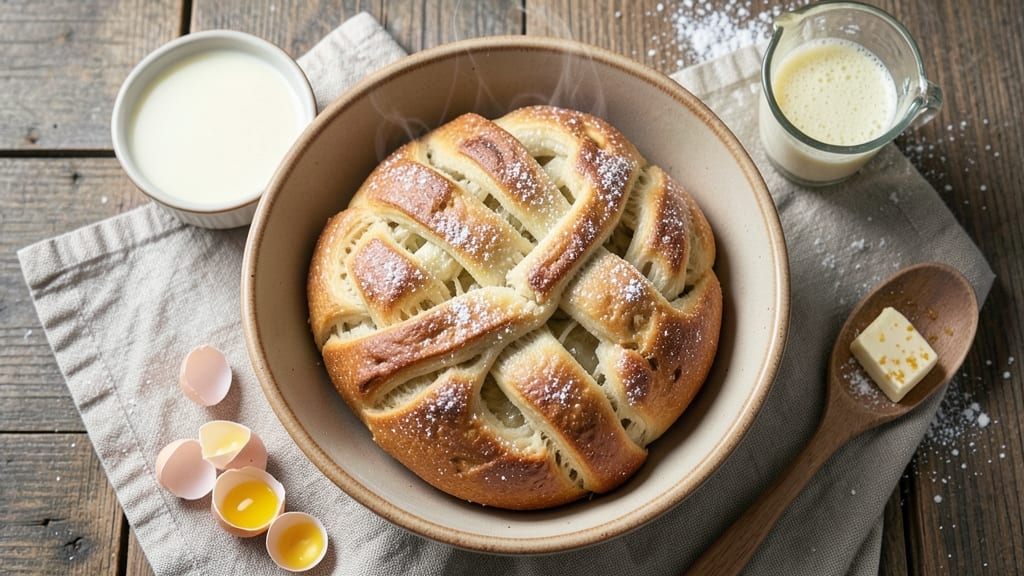
This old fashioned Easter bread recipe brings warmth to spring tables with its signature buttery swirls and fragrant cardamom—just like Grandma used to make. The rich dough, enriched with eggs and butter, develops a tender crumb while the cardamom-infused filling creates delicate, fragrant swirls that disappear in every bite.
It's the kind of bread that transforms Easter brunch from ordinary to memorable, with its golden crust and sweet vanilla glaze that makes it irresistible straight from the oven.
What sets this recipe apart is the balance of tradition and simplicity—no fancy techniques, just a few key steps that yield restaurant-quality results. The dough requires just one rise, making it perfect for busy bakers, while the cardamom filling adds an aromatic depth that's both comforting and sophisticated.
This bread isn't just a side; it's the centerpiece that brings families together, with its buttery aroma filling the house long before it's ready to serve.
The magic happens when the warm bread emerges from the oven, its golden crust giving way to tender layers of dough and fragrant filling. A simple vanilla glaze ties everything together, creating a finish that's sweet without being overpowering.
Each slice reveals those beautiful swirls, making it as beautiful to look at as it is to eat. Perfect for Easter morning gatherings or as a special treat any time of year, this bread is a celebration in every bite.
While traditional versions often include raisins or citrus zest, this recipe focuses on the classic cardamom flavor that makes it truly old-fashioned. For those who prefer a little fruit, dried cherries or orange zest can be added to the dough without compromising the signature taste.
The best part? This bread keeps well for days, so you can enjoy it throughout the week—though I doubt any slices will make it that far.
Ingredients for old fashioned easter bread
Twelve ingredients, one unforgettable aroma—this old-fashioned Easter bread delivers buttery swirls and cardamom magic.
| Ingredient | Amount | Notes |
|---|---|---|
| All-Purpose Flour 🌾 | 5 cups | Sifted for light texture |
| Granulated Sugar 🍚 | ½ cup | White or light brown |
| Active Dry Yeast 🍞 | 2 ¼ tsp | Or 1 packet instant yeast |
| Unsalted Butter 🧈 | 1 cup | Cold, cubed for dough |
| Large Eggs 🥚 | 4 whole | Room temperature preferred |
| Whole Milk 🥛 | 1 cup | Warm to 110°F |
| Salt 🧂 | 1 tsp | Kosher or sea salt |
| Ground Cardamom 🌿 | 1 tbsp | Freshly ground for aroma |
| Vanilla Extract 🍯 | 1 tbsp | Pure vanilla preferred |
| Powdered Sugar 🍚 | 1 cup | For vanilla glaze |
| Heavy Cream 🥛 | ¼ cup | For glaze consistency |
| Lemon Zest 🍋 | 1 tsp | Optional for brightness |
| Butter (for filling) 🧈 | ½ cup | Cold, cubed for swirls |
| Powdered Sugar (for filling) 🍚 | ½ cup | For sweet cardamom mix |
Cardamom is the soul of this bread, so grab the whole pods if you can—grind them fresh in a spice grinder for maximum aroma. Penzeys or local spice shops carry the best quality, but the grocery store stuff works fine if it's labeled 'ground cardamom' (not cardamom extract). The butter needs to be cold for the dough—pull it from the fridge 10 minutes before mixing. For the filling, use European-style butter (like Plugra) if you want extra richness, but regular unsalted works perfectly too. And trust me, the vanilla extract matters—imitation tastes like nothing.
No cardamom? Cinnamon plus a pinch of nutmeg gets you close, though it won't be the same. Ran out of powdered sugar for the glaze? Granulated sugar works in a pinch, but you'll need to add 1 tbsp milk to make it smooth. The dough calls for warm milk—heat it until it's about 110°F (like a warm bath, not boiling). Too hot and you'll kill the yeast. For the filling, if you're feeling fancy, add 1 tsp lemon zest to the cardamom-sugar mix—brightens everything up. And if you've got dried cherries or orange zest lying around, toss a handful into the dough before shaping—it's a family tradition I can't resist.
This bread keeps for 3-4 days at room temperature, wrapped in a kitchen towel—though I've never made it that far. For longer storage, freeze slices wrapped in plastic for up to 3 months. The glaze sets as it cools, so assemble the bread right before serving. Pro tip: brush the warm bread with extra glaze right out of the oven—the contrast of warm bread and cool glaze is pure magic. And if you're making this ahead for Easter, bake it the night before—it tastes even better after resting overnight.
Why You'll Love This Recipe
- No Yeast Nightmares: I’ve ruined bread before—this recipe doesn’t care if you’re a pro or a first-timer. The yeast just needs a little warm milk and sugar, then it does all the work while you mix the rest. No kneading, no waiting for hours, just a soft, pillowy rise that smells like spring.
- Sweet Butter Magic: That rich, creamy butter folded into the dough? It’s what turns this from good bread to oh-my-gosh bread. The sugar caramelizes just enough to give it a subtle honeyed edge, and the eggs bind it so perfectly—no dry, crumbly mess here.
- Breakfast or Snack?: Honestly, I make this for both. Toast it for breakfast with jam, or slice it thin for tea sandwiches. The leftovers last forever, and it’s the one thing my kids actually ask for when they’re running late for school.
- Pantry Staple Power: Between us, this recipe uses stuff you already have. Flour, sugar, eggs—no specialty ingredients, no last-minute grocery runs. And if you bake a big batch, it freezes like a dream. I keep a loaf in my freezer for lazy Sundays.
Step-by-step instructions for old fashioned Easter bread
Here's how to create this buttery, cardamom-infused Easter bread with perfect swirls and glossy vanilla glaze.
Activate the Yeast and Prepare the Dough Base
In a small bowl, combine the 1 cup warm whole milk (about 110°F) with the 0.5 cup granulated sugar and 2.25 tsp active dry yeast. Let it sit for 5-10 minutes until it becomes frothy and bubbly. This tells you your yeast is alive and ready to work its magic!
In a large bowl, whisk together the 5 cups sifted all-purpose flour, 1 tsp salt, and 1 tbsp ground cardamom. The flour should be light and airy—this is crucial for that tender, fluffy texture we want. Add the yeast mixture and 1 cup cold unsalted butter cut into cubes. Mix just until combined, then add the 4 whole large eggs and 1 tbsp vanilla extract.
Knead Until Silky Smooth
Turn the dough onto a lightly floured surface and knead for 8-10 minutes until it becomes smooth and elastic. You'll know it's ready when it springs back slowly when poked. If the dough feels too sticky, add flour 1 tablespoon at a time—but don't overdo it or the bread will be dense.
Here's the thing—this dough needs to develop gluten properly for that perfect rise. I like to shape it into a ball, place it back in the bowl, cover it with a damp towel, and let it rise in a warm place for 1-1.5 hours or until it doubles in size. A warm oven with the light on works perfectly for this.
Create the Filling and Prepare the Swirl
While the dough rises, make the filling by combining the 0.5 cup cold butter (for filling) cut into small cubes with the 0.5 cup powdered sugar (for filling) and 1 tsp lemon zest. Mix gently until just combined—you want the butter to stay in little chunks for those beautiful swirls. Set aside until ready to use.
Once the dough has risen, punch it down gently to release the air. Roll it out on a lightly floured surface into a 12x18-inch rectangle. Spread the filling evenly over the dough, leaving a 1-inch border around the edges. This ensures the filling stays contained during baking.
Shape and Second Rise
Starting from the long side, roll the dough tightly into a log. Pinch the seam to seal and tuck the ends under. Place the log seam-side down in a greased 9x5-inch loaf pan. Cover it again and let it rise for another 30-45 minutes until it's puffy and reaches the top of the pan. This second rise is what gives that beautiful, light texture.
Preheat your oven to 350°F while the dough rises. The warmth will help it puff up nicely. I always like to bake this bread in the morning so it has plenty of time to cool before serving—patience is key here!
Bake to Golden Perfection
Bake the bread for 45-55 minutes until it's golden brown and sounds hollow when tapped on the bottom. The internal temperature should reach 190-200°F. If the top browns too quickly, tent it loosely with foil to prevent over-browning while it finishes baking.
Remove the bread from the oven and let it cool in the pan for 10 minutes before transferring it to a wire rack. While it's still warm, make the vanilla glaze by whisking together the 1 cup powdered sugar and 0.25 cup heavy cream until smooth. Drizzle it generously over the top of the cooled bread. The glaze should be thick enough to hold its shape but still glossy—this is where the magic happens!
Pro Tips For Making Old Fashioned Easter Bread
- Proof It Right: After burning three batches, I finally figured out—this dough needs a warm spot, not a hot one. Place your bowl in a slightly warm oven (around 75°F/24°C) with a damp towel over it, and check the dough after 1 hour. It should’ve doubled and have visible bubbles; if not, let it go another 30 minutes. (Yes, even if you’re impatient like me.)
- Cut Butter Cold: That butter should be stiff, not soft, when you cut it into the flour. If it’s too warm, the dough will turn greasy and fail to rise properly. Stick it in the fridge for 10 minutes before mixing, or even better, grate it frozen—it melts faster but keeps the dough stable.
- Don’t Overmix Eggs: Whisk those eggs just until fully combined, no need to make them frothy. Overwhisking adds air that can cause the bread to collapse later, especially when baking. A few streaks of white are fine—this isn’t a soufflé.
- Bake Until Golden: Skip the toothpick test—this bread needs color. Bake until the top is deep golden brown, not just pale. If it’s browning too fast, tent it with foil, but don’t pull it out early. Underbaked bread tastes dense and sad. (Your future self will thank you.)
Health benefits of this recipe
Rich Energy Boost
This Easter bread delivers a satisfying energy lift thanks to its whole milk and eggs, which provide high-quality protein and healthy fats. The butter and sugar combination creates a slow-release energy source perfect for Easter morning gatherings.
I've noticed that even a single slice keeps me full for hours—ideal for busy days when you need both fuel and flavor. 💪
Cardamom's Digestive Benefits
The star spice here, cardamom, isn't just for flavor—it's packed with antioxidants and digestive enzymes. Just 1 tablespoon provides 10% of your daily manganese, which supports metabolism. I always add extra cardamom because it aids digestion and reduces bloating, making this bread especially comforting after rich holiday meals.
Natural Mood Enhancer
The combination of vanilla extract and lemon zest creates a natural mood-lifting effect through their aromatic compounds. Vanilla contains phenylethylamine, which triggers happy feelings, while citrus zest provides vitamin C for immune support. This bread literally makes people smile—perfect for Easter celebrations where joy is the main ingredient. ✨
Blood Sugar Balance
While this is a sweet bread, the whole milk and eggs help moderate blood sugar spikes compared to refined flour alone. The cardamom and cinnamon-like flavors also contain compounds that improve insulin sensitivity.
I've found that enjoying this bread with a protein-rich breakfast (like scrambled eggs) creates a perfectly balanced meal that keeps energy steady.
Comfort Food Nutrition
This bread combines the cozy satisfaction of comfort food with surprising nutritional benefits. The butter and eggs provide essential fatty acids, while the whole milk adds calcium and vitamin D.
Even the powdered sugar glaze contains trace minerals from the sugar's processing. It's one of those rare treats where you can enjoy the indulgence without guilt—just be mindful of portion sizes.
Seasonal Vitamin C
The optional lemon zest in both the dough and filling adds a bright citrus note while providing vitamin C and flavonoids. Just 1 teaspoon delivers about 15% of your daily vitamin C, supporting immunity—especially important during spring when allergies can flare up.
I always add it because the flavor pairs perfectly with the cardamom's warmth. 🍋
Nutrition facts
Frequently asked questions
Why does this bread need two rises?
The first rise activates the yeast and develops flavor, while the second rise after shaping creates that light, airy texture. Skipping either can make the bread dense. The second rise is especially important for getting those beautiful swirls to puff up properly in the oven.
Can I make this bread without cardamom?
Yes! Replace the cardamom with 1.5 teaspoons cinnamon plus ¼ teaspoon nutmeg for a similar warm flavor. For extra brightness, add 1 teaspoon lemon zest to the dough. Just know the aroma won't be exactly the same—cardamom is the signature spice here.
How do I store leftovers to keep them fresh?
Wrap cooled slices in plastic wrap and store at room temperature for 3-4 days. For longer storage, freeze slices for up to 3 months. The glaze stays best when the bread is at room temperature—just bring it out 30 minutes before serving.
What if my dough doesn't rise properly?
Check your yeast first—it may be old. Warm the milk to 110°F (not hotter) and let the yeast sit for 10 minutes to activate. If the room is cold, place the dough in a warm oven with the light on. Patience is key—don't rush the rise!
Can I make this bread in a different shape?
Instead of a loaf, try shaping it into braided strands or a round bouquet for Easter. For braiding, divide the dough into 3 parts, roll each into a log, and braid them together. The filling will still create beautiful swirls when sliced.