
Sauces & Condiments
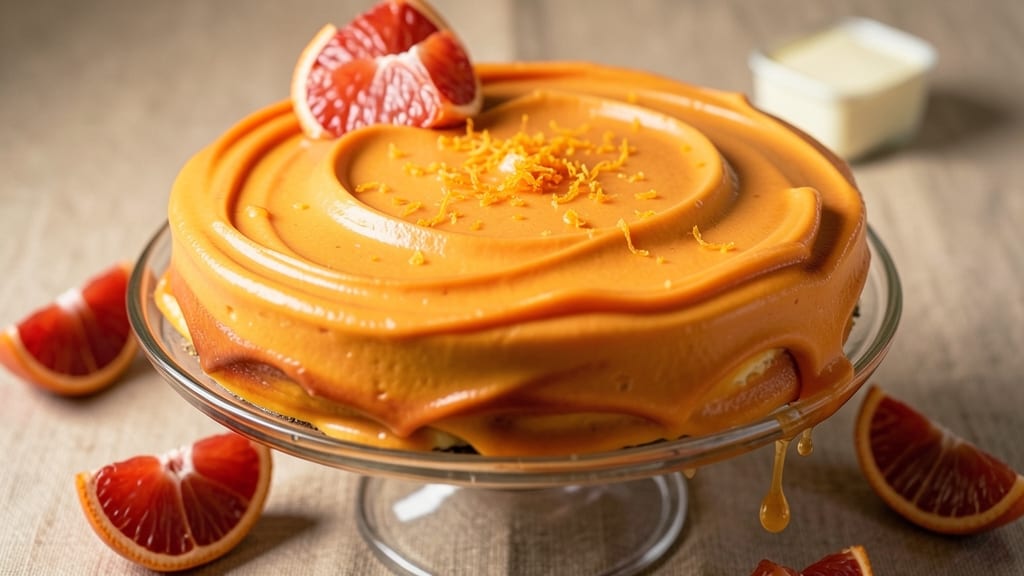
This orange buttercream icing recipe transforms simple ingredients into a velvety, zesty frosting that brightens cakes and cupcakes without a hint of graininess. The secret lies in precise ratios of butter, powdered sugar, and fresh citrus—no artificial extracts needed.
After years of perfecting textures, I’ve cracked the code for a buttercream that’s smooth enough to pipe roses yet sturdy enough to hold its shape.
The foundation starts with room-temperature butter and powdered sugar whipped to a pale, fluffy state before citrus enters the mix. A splash of orange juice and a teaspoon of zest infuse vibrant flavor without overpowering the sweetness.
For extra stability, I incorporate a small amount of meringue powder, which eliminates the need for eggs while maintaining professional-level consistency.
What you’ll end up with is a buttercream that’s creamy, spreadable, and bursting with citrus notes—perfect for frosting layer cakes, filling donuts, or piping decorative borders. The color is naturally vibrant, and the flavor balances sweetness with a refreshing tang that pairs beautifully with vanilla, carrot, or even chocolate desserts.
Whether you’re decorating a birthday cake or adding a citrusy finish to your favorite pastries, this recipe delivers restaurant-quality results with minimal effort. Let’s get started on creating your perfect orange buttercream.
Ingredients for orange buttercream icing
Eight ingredients, one perfect citrusy buttercream that pipes like a dream.
| Ingredient | Amount | Notes |
|---|---|---|
| Unsalted Butter 🧈 | 1 cup | Room temperature for smooth whipping |
| Powdered Sugar 🍚 | 3 ½ cups | Sifted for fluffiness, no lumps |
| Fresh Orange Juice 🍊 | ¼ cup | Cold-pressed preferred for intensity |
| Orange Zest 🍊 | 1 tbsp | Fine, from organic oranges |
| Meringue Powder 🍰 | 2 tsp | For stability without eggs |
| Vanilla Extract 🌿 | 1 tsp | Pure Madagascar bourbon |
| Heavy Cream 🥛 | ¼ cup | Cold, for extra gloss |
| Diamond Crystal Kosher Salt 🧂 | ¼ tsp | Fine grain for balance |
The butter is non-negotiable—room temperature is key. Plugrá or Land O’Lakes work best for consistent results. Powdered sugar? Domino or C&H brands sift beautifully, but check for lumps first. Fresh orange juice makes all the difference—Florida cold-pressed has the brightest flavor, but any good-quality juice works. The zest should be finely grated (a microplane is your friend) and from organic oranges if possible—their skins are thicker and more aromatic. Meringue powder is the secret weapon here; Rumford is my go-to brand, and it eliminates the need for eggs while keeping the texture professional-grade.
No fresh orange juice? Bottled 100% orange juice works in a pinch, but add an extra pinch of zest to compensate. Powdered sugar too clumpy? Sift it through a fine-mesh sieve before measuring. Want more depth? Swap half the vanilla for orange extract, but use sparingly—it’s potent. The heavy cream adds shine and stability; if you’re avoiding dairy, coconut cream works but alters the texture slightly. For a tangier finish, add a splash of lemon juice (start with 1 tsp). The salt is crucial—it balances sweetness and enhances flavor, so don’t skip it.
This buttercream keeps beautifully—3-4 days in the fridge in an airtight container. For longer storage, freeze in 1-tbsp portions (great for piping bags). To use, let it sit at room temperature for 10-15 minutes, then re-whip briefly with a hand mixer. It reheats perfectly—just microwave for 10-15 seconds and give it a quick mix. Pro tip: If it gets too soft, chill for 20 minutes before piping. The color stays vibrant for days, and the flavor actually improves as the citrus mellows.
Why You'll Love This Recipe
- No-Fuss Whip-Up: I swear by this—just softened butter, powdered sugar, and a splash of fresh orange juice. No stand mixer required; my hand mixer does the job in five minutes flat. Honestly, the hardest part is waiting for the butter to soften.
- Zesty Magic: That bright citrus punch from the orange zest and juice? It transforms basic buttercream into something ridiculously good. The meringue powder gives it just the right lift, so it’s light but still rich—like a hug for your taste buds.
- Party in a Bowl: This icing is my go-to for birthdays, cupcakes, or even a last-minute cake. Between us, it’s the secret weapon that makes my holiday cookies look like they came from a bakery. (Yes, even on a Tuesday night.)
- Leftovers? No Problem: The recipe scales perfectly, and any extra keeps for days in the fridge. I’ve used it to frost a cake three times before it’s gone—because it’s that good. Plus, the meringue powder means no weird graininess, even after sitting.
Step-by-step instructions for orange buttercream icing
Here's how to create a silky, vibrant orange buttercream that's light enough to pipe without graininess.
Whip the Butter to Room Temperature
Begin by placing the 1 cup unsalted butter in a stand mixer fitted with the paddle attachment. Let it sit at room temperature for 15-20 minutes until it's soft enough to press gently with your finger, leaving a slight indentation. This ensures smooth whipping and prevents lumps in your final icing.
Whip the butter on medium-high speed for 3-4 minutes until it's pale and fluffy, nearly doubling in volume. You'll notice it transform from a solid to a creamy, spreadable consistency. This step is crucial—cold butter won't incorporate properly with the powdered sugar, leading to a gritty texture. If it feels too soft, chill the bowl for 5 minutes before proceeding.
Gradually Add Powdered Sugar and Stabilizers
With the mixer running on low speed, slowly add the 3.5 cups powdered sugar in a slow, steady stream. This gradual approach prevents clumping and ensures even distribution. Sift the powdered sugar first if it contains any lumps—this guarantees a smoother, lighter texture in your final icing.
Once all the powdered sugar is incorporated, add the 2 teaspoons meringue powder and 0.25 teaspoon diamond crystal kosher salt. These ingredients work together to stabilize the buttercream without eggs, creating a structure that holds its shape when piped. Mix on medium speed for 2-3 minutes until the mixture is completely smooth and homogeneous. Here's where it gets fun—the mixture should look like a pale yellow, velvety frosting.
Incorporate Citrus Flavors and Liquids
Reduce the mixer speed to low and add the 0.25 cup fresh orange juice and 1 tablespoon orange zest. The zest adds bright, aromatic notes while the juice keeps the icing moist and spreadable. Mix for 1 minute to fully integrate the citrus flavors. You'll notice the mixture become slightly darker and more fragrant—this is your signal that the orange essence is melding beautifully.
Next, add the 1 teaspoon vanilla extract and 0.25 cup heavy cream. The vanilla deepens the flavor profile, while the cold cream adds a luxurious sheen and lightens the texture. Mix on medium speed for 2 minutes until the icing is glossy and completely smooth. If it appears too thick, add 1 teaspoon water at a time until it reaches a pipeable consistency. The icing should hold its shape when piped but still be fluid enough to spread easily.
Test and Adjust Consistency
Transfer a small amount of the icing to a plate and let it sit for 5 minutes to observe its behavior. The buttercream should be stable enough to hold peaks when piped but still soft enough to spread. If it's too stiff, add 1 teaspoon orange juice at a time and mix until smooth. If it's too thin, chill the bowl for 10 minutes and re-whip on medium speed for 1 minute to restore structure.
Taste the icing and adjust the sweetness if needed. You can add more powdered sugar for a sweeter flavor or a splash of orange juice to balance the sweetness with more citrus acidity. The final icing should have a perfect harmony of sweet, tangy, and creamy notes. Once you're satisfied with the flavor and texture, transfer the icing to a piping bag fitted with a star tip for decorating, or use it immediately for spreading.
Pro Tips For Making Orange Buttercream Icing
- Whip Butter Cold: Take your butter straight from the fridge—no softening needed. Cold butter blends smoother into powdered sugar and won’t turn your icing greasy, which is especially important when you’re adding citrus. I used to rush this, and the result was a soupy mess every time.
- Strain the Juice: Fresh orange juice has pulp, and that pulp will clog your piping bag if you’re decorating. Strain it through a fine-mesh sieve before mixing—yes, it’s an extra step, but your piping will thank you. (And if you’re lazy, at least blend it first.)
- Zest First, Juice Later: Add the orange zest to the butter before the juice—it dissolves better and gives a brighter, more consistent flavor. If you mix the juice in first, you’ll end up with floating zest bits that look messy and taste uneven.
- Use Meringue Powder Right: Meringue powder isn’t just a stabilizer—it’s the reason your icing holds its shape. Measure it carefully (usually 2-3 teaspoons per recipe) and sift it into the butter first. Skipping this step means your buttercream will collapse faster, especially in humidity. (I learned this after piping a cake that wept like a sad cloud.)
Troubleshooting your orange buttercream icing
Grainy Texture Fix
If your buttercream turns grainy, it’s usually from cold butter or powdered sugar lumps. First, ensure your butter is room temperature—press it gently; it should leave a slight indentation. Sift the powdered sugar before adding it to eliminate any clumps.
If graininess appears after mixing, whip the icing again on high speed for 2-3 minutes—this often smooths it out. For stubborn graininess, strain the icing through a fine-mesh sieve before using. 💡
Too Thick or Stiff
A stiff buttercream can happen if the butter was too cold or if you overmixed. To fix it, add 1 teaspoon orange juice at a time while mixing on low speed until it reaches a smooth, spreadable consistency.
If it’s still too thick, let it sit at room temperature for 10 minutes and re-whip briefly. For a quicker fix, microwave the icing in 10-second bursts, stirring between each, until it softens. Avoid adding too much liquid—this can make it runny.
Too Thin or Runny
If your buttercream is too thin, it’s likely because the butter was too soft or you added too much liquid. Chill the bowl in the freezer for 10-15 minutes to firm it up, then re-whip on medium speed for 1-2 minutes.
For a more permanent fix, add 1 tablespoon powdered sugar at a time until it thickens. If the issue persists, replace the heavy cream with 1 tablespoon meringue powder mixed with 1 tablespoon water—this adds stability without altering the flavor.
Separation Issues
Buttercream can separate if the butter melts during mixing or if liquids are added too quickly. To fix separation, place the bowl in the freezer for 5 minutes to firm up the butter, then re-whip on low speed until smooth.
If the butter has completely melted, chill the bowl longer (up to 20 minutes) and re-whip. For future prevention, add liquids gradually and avoid high speeds when incorporating them. A splash of cold heavy cream can also help re-emulsify the mixture.
Flavor Imbalance
If the orange flavor is too overpowering or not bright enough, adjust it with small tweaks. For a stronger citrus kick, add ½ teaspoon more zest or 1 extra tablespoon orange juice.
To mellow the flavor, stir in ½ teaspoon vanilla extract or a pinch of salt to balance the sweetness. If the icing tastes flat, a pinch of cinnamon or a drop of almond extract can add depth. Always taste as you go—flavor adjustments are easier to control in small batches.
Color Issues
If your buttercream isn’t vibrant enough, the orange juice or zest might not be fresh or potent. For a brighter color, use freshly squeezed orange juice and zest from organic oranges—their skins are thicker and more pigmented.
For an extra boost, add ½ teaspoon turmeric (it’s natural and adds a golden hue). If the color is too dark, lighten it by adding a small amount of white chocolate ganache or more powdered sugar. Avoid artificial food coloring—it can alter the flavor subtly.
Nutrition facts
Frequently asked questions
Can I substitute orange juice with bottled juice?
You can use bottled juice, but fresh cold-pressed is ideal for vibrant flavor. If using bottled, choose 100% orange juice with no added sugars. For extra brightness, add an extra ½ teaspoon zest to compensate for the difference. The texture remains the same, but the citrus depth will be slightly less intense.
Why does my buttercream look pale?
The natural color comes from fresh orange juice and zest. If it appears too pale, use freshly squeezed juice from organic oranges—their skins contain more pigment. For a golden hue, add ½ teaspoon turmeric (it's natural and won't alter the flavor). Avoid artificial dyes, as they can dull the citrus notes.
How long does this buttercream keep?
Store in an airtight container in the fridge for 3-4 days. For longer storage, freeze in 1-tbsp portions—thaw at room temperature for 15 minutes before re-whipping. The texture may soften slightly after freezing, so chill briefly if needed. The flavor actually improves over time as the citrus mellows.
Can I pipe this buttercream for decorations?
This recipe is designed for piping. Use a star tip for borders or a round tip for rosettes. For best results, chill the piping bag for 10 minutes before decorating—this helps the icing hold its shape. If it's too soft, place the entire setup in the freezer for 5 minutes before piping.
What desserts pair well with this icing?
This buttercream shines on vanilla or carrot cakes, orange layer cakes, and citrus-infused pastries. It also works beautifully as a filling for donuts or éclairs. The bright citrus flavor complements chocolate desserts too—try it on a dark chocolate cake for a sophisticated contrast. For a lighter option, spread it on pound cake or angel food cake.