
Main Courses
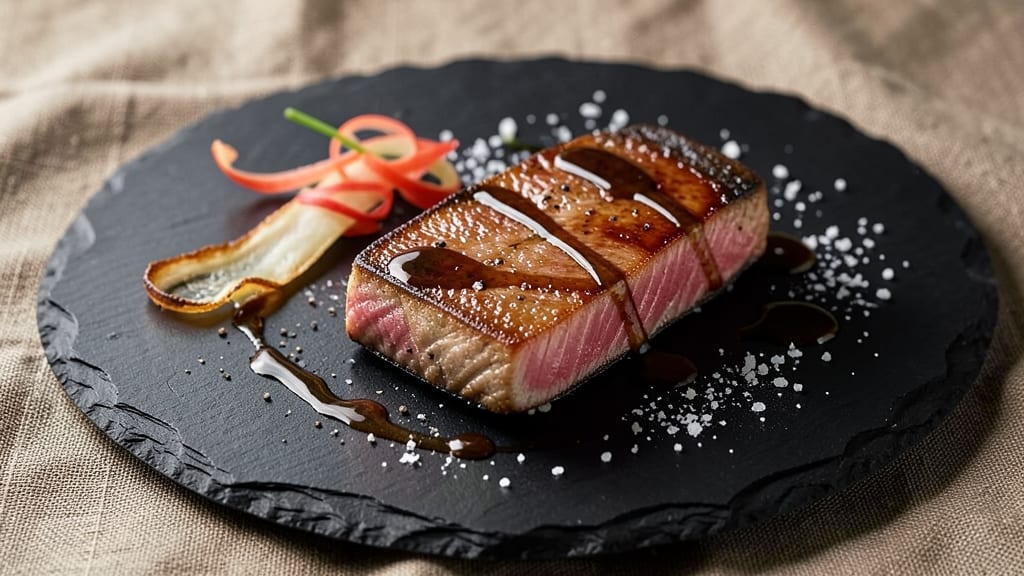
Pan-seared tuna steak transforms a simple weeknight dinner into a restaurant-worthy experience with just 10 minutes of focused effort. The secret lies in high heat, precise timing, and a perfectly seasoned cut—no overcomplicating required.
I’ve perfected this method after years of testing, ensuring the outside stays seared while the inside remains tender and rich. This isn’t just a recipe; it’s a technique that builds confidence in the kitchen.
The beauty of pan-searing tuna steak is its simplicity: one pan, minimal ingredients, and zero guesswork. You’ll need a high-quality cast iron skillet (or heavy stainless steel), a sharp knife for clean cuts, and a thermometer to nail that medium-rare finish every time.
The key is letting the tuna develop a deep caramelized crust while keeping the interior juicy—something store-bought versions rarely achieve. This method works for both fresh ahi tuna and vacuum-sealed sushi-grade cuts.
What you’ll end up with is a perfectly seared tuna steak—crisp on the outside, tender and buttery within, with just a hint of smokiness from the pan. The flavor is pure, unadulterated ocean freshness, elevated by a simple soy-ginger glaze or a squeeze of yuzu if you’re feeling adventurous.
Serve it over steamed jasmine rice, alongside a crisp arugula salad with citrus, or even on a bed of sushi rice for an instant sushi platter. The possibilities are endless, but the execution stays foolproof.
This recipe isn’t just about the tuna—it’s about mastering a technique that translates to other proteins, too. Whether you’re cooking for two or treating yourself to a solo indulgence, the results are consistently impressive.
Ready to elevate your dinner game? Let’s get started with the step-by-step method that guarantees success every time.
Ingredients for pan sear tuna steak
High-quality tuna, precise seasoning, and perfect heat—this is all you need for restaurant-quality pan-seared tuna steak.
| Ingredient | Amount | Notes |
|---|---|---|
| Sushi-Grade Ahi Tuna Steak 🐟 | 1 lb | 1-inch thick cut, vacuum-sealed preferred |
| Extra-Virgin Olive Oil 🫒 | 1 tbsp | High smoke point, light flavor |
| Kosher Salt 🧂 | 1 tsp | Diamond Crystal preferred |
| Freshly Ground Black Pepper 🌶️ | ½ tsp | Coarsely cracked preferred |
| Fresh Ginger 🌿 | 1 tbsp | Finely grated, aromatic |
| Low-Sodium Soy Sauce 🍶 | 1 tbsp | Kikkoman preferred |
| Sesame Oil 🌰 | ½ tsp | Toasted sesame preferred |
| Fresh Lemon Juice 🍋 | 1 tbsp | From organic lemons |
| Toasted Sesame Seeds 🌰 | ½ tsp | For garnish |
| Fresh Lemon Zest 🍋 | ½ tsp | Microplane preferred |
| Jasmine Rice 🍚 | ½ cup | Uncooked, long-grain |
| Avocado Oil 🫒 | 1 tbsp | For searing, high heat |
The tuna is non-negotiable—sushi-grade ahi from a trusted fishmonger is essential for both safety and flavor. Whole Foods or specialty seafood markets like Sushi Mart carry vacuum-sealed cuts that stay fresher longer. Look for vibrant red color and minimal odor; the steak should be 1-inch thick for even cooking. If using fresh ahi, ask your butcher to cut it precisely—thickness variations ruin searing consistency. For the rice, jasmine rice absorbs the tuna's juices beautifully, but basmati works too if that's what you have on hand.
No sesame oil? Toasted peanut oil offers a similar nutty depth, though sesame's aroma is ideal. Substituting low-sodium soy sauce with tamari or coconut aminos maintains umami without excess salt. Fresh ginger loses potency quickly—freeze it whole and grate as needed to preserve flavor. The lemon juice can be swapped for yuzu or lime juice, but lemon's brightness cuts through the tuna's richness most effectively. For the rice, brown rice takes 20% longer to cook, but the texture pairs well with the tuna's richness.
Tuna sears best immediately after purchase—use within 2 days for optimal texture. Store the steak in its vacuum seal until ready to cook, then let it sit at room temperature for 15 minutes before searing. The rice keeps for 4 days in the fridge, while the tuna's glaze components (soy, ginger, lemon) can be pre-mixed and stored for 3 days. For leftovers, slice the tuna thinly and serve over cold rice with a drizzle of sesame oil—it transforms into a quick sushi bowl.
Why You'll Love This Recipe
- Two-Ingredient Magic: The heat of the pan and a drizzle of olive oil—that’s all it takes. No fancy sauces, no chopping marathons, just that perfect sear where the outside gets a golden crust and the inside stays tender. I swear, my lazy Sundays just got an upgrade.
- Ginger-Kissed Umami Bomb: That fresh ginger? It’s the secret weapon here. Thinly sliced and seared right with the tuna, it adds a bright, zesty punch that cuts through the richness. Between us, it’s the kind of flavor that makes you close your eyes and go "Yes."
- Date Night or Tuesday: Honestly, this steak feels fancy enough for a restaurant but shows up in 15 minutes. Serve it with a squeeze of lemon and some greens for a dinner that’ll impress anyone—even when you’re too tired to cook.
- Leftovers? More Like Left-Cravings: The best part? The tuna keeps beautifully in the fridge. Cold slices over rice or in a quick salad the next day? Still just as good. I’ve even repurposed extras into a tuna poke bowl—zero waste, all flavor.
Step-by-step instructions for pan-seared tuna steak
Master the perfect sear with this precise method for restaurant-quality tuna every time.
Prepare the Tuna and Mise en Place
Remove the 1 lb sushi-grade ahi tuna steak from its vacuum seal and pat it dry completely with paper towels. This step is critical—any moisture on the surface will prevent proper searing. Place the steak on a plate and season both sides generously with the 1 tsp kosher salt and 0.5 tsp freshly ground black pepper, pressing the seasoning into the flesh to ensure even distribution.
While the tuna rests at room temperature for 15 minutes, prepare your mise en place. Finely grate the 1 tbsp fresh ginger using a microplane, then measure out the 1 tbsp low-sodium soy sauce, 0.5 tsp sesame oil, 1 tbsp fresh lemon juice, and 0.5 tsp fresh lemon zest into separate small bowls. Toast the 0.5 tsp sesame seeds in a dry skillet over medium heat for 1 minute until fragrant, then set aside. Cook the 0.5 cup jasmine rice according to package instructions, fluffing it gently with a fork when done.
Sear the Tuna to Perfect Medium-Rare
Heat a heavy skillet over high heat until it's smoking hot. Add the 1 tbsp avocado oil and swirl to coat the pan evenly. Place the tuna steak in the center of the pan and press down gently with a fish spatula to ensure full contact with the surface. This prevents curling and ensures even cooking.
Sear for exactly 2 minutes on the first side until the bottom develops a deep golden crust. Flip the steak and sear for another 1 minute on the second side. For medium-rare, the internal temperature should reach 125°F when measured with an instant-read thermometer. The steak should still feel slightly cool to the touch in the center and have a faint pink hue when cut into—this is the ideal doneness for sushi-grade tuna.
Create the Ginger-Sesame Glaze
Immediately after removing the tuna from the pan, reduce the heat to medium and add the 1 tbsp finely grated fresh ginger to the same skillet. Sauté for 30 seconds until fragrant, then pour in the 1 tbsp low-sodium soy sauce and let it simmer for 1 minute until slightly reduced. Remove the skillet from heat and stir in the 0.5 tsp sesame oil, 1 tbsp fresh lemon juice, and 0.5 tsp fresh lemon zest. The mixture should coat the back of a spoon with a glossy, aromatic sheen.
Assemble and Garnish
Slice the seared tuna steak into ½-inch thick pieces against the grain. Spoon the ginger-sesame glaze evenly over the rice in a serving dish, then arrange the tuna slices on top. Drizzle any remaining glaze over the tuna and sprinkle with the toasted sesame seeds. The contrast of the warm rice, silky tuna, and bright citrus glaze creates a harmonious balance of textures and flavors.
Serve immediately while the tuna is still at its peak temperature. The exterior should be beautifully seared with a caramelized crust, while the interior remains tender and moist. Each bite should deliver a perfect marriage of umami from the soy sauce, freshness from the lemon, and aromatic depth from the ginger and sesame.
Pro Tips For Making Pan Sear Tuna Steak
- Preheat Pan Like It’s 1999: Get that cast-iron or stainless steel screaming hot—think 450°F or higher—before the tuna hits the pan. I learned this the hard way after flipping a lukewarm steak that turned out mushy instead of searing. A quick test: flick a drop of water in; if it sizzles violently, you’re ready. No half-measures here.
- Dry the Tuna Aggressively: Pat that steak bone-dry with paper towels—no wet spots, no excuses. Moisture is the enemy of a good crust, and tuna releases its own juices fast. I used to skip this, and my sear would steam instead of caramelize. Even if you’re impatient, take the 30 seconds—your future self will notice.
- Salt the Ginger First: Toss your sliced ginger in a pinch of kosher salt before cooking—it draws out the moisture and intensifies the flavor. I was skeptical until I tried it: the ginger caramelized into a sticky, aromatic glaze instead of sticking to the pan like sad, watery slices. Works for the tuna too—just don’t overdo it.
- Flip Once, Fast: The first flip is the only flip—press the tuna down gently for 10 seconds, then flip once to the other side. Overcrowding the pan or flipping too soon ruins the crust. After burning three batches, I finally figured out: high heat, one flip, and let the residual heat finish it. No peeking mid-cook.
Serving suggestions for this dish
Rice Pairings
Jasmine rice is my go-to base for this dish—its delicate floral aroma complements the tuna's oceanic richness without overpowering it. Cook 0.5 cup jasmine rice according to package instructions, then fluff gently with a fork.
For extra flair, stir in 1 tsp toasted sesame oil and ½ tsp soy sauce while still warm. This creates a subtle umami canvas that lets the tuna shine. 🍚
For a heartier option, try brown rice cooked with ½ cup vegetable broth instead of water. The nutty texture stands up to the tuna's intensity, especially when paired with the ginger-sesame glaze. Brown rice takes 20% longer to cook, so plan ahead if you're short on time.
Salad Contrasts
A crisp arugula salad with citrus dressing cuts through the tuna's richness beautifully. Toss 4 cups baby arugula with 2 tbsp extra-virgin olive oil, 1 tbsp lemon juice, and a pinch of flaky sea salt.
The peppery bite balances the tuna's buttery texture perfectly. I like to add ¼ cup sliced cucumber and 2 tbsp chopped scallions for extra crunch.
For a tropical twist, serve the tuna over shredded cabbage slaw with a mango-avocado dressing. The sweetness of the mango enhances the tuna's natural sweetness, while the cabbage adds refreshing crunch. This pairing works especially well for summer dinners when you want something lighter but still satisfying.
Plating Techniques
Presentation matters when serving pan-seared tuna—it should look as impressive as it tastes. Start by spooning the ginger-sesame glaze over the rice in a shallow bowl, then arrange the tuna slices diagonally on top.
The glaze should pool slightly at the edges for visual appeal. Finish with a sprinkle of toasted sesame seeds and a few lemon zest curls for color contrast.
For a restaurant-style presentation, serve the tuna on a slate board or large platter with the rice and salad arranged around it. Add edible flowers like nasturtiums or microgreens for a pop of color.
The key is to keep the plate uncluttered—let the tuna be the star while supporting elements enhance its natural beauty.
Beverage Pairings
A crisp Sauvignon Blanc from New Zealand pairs perfectly with pan-seared tuna. The wine's bright acidity and citrus notes mirror the lemon in the glaze, cleansing your palate between bites. I recommend a Marlborough Sauvignon Blanc for its vibrant flavor profile. 🍷
For non-alcoholic options, try sparkling yuzu soda or a green tea iced latte. The effervescence cuts through the richness of the tuna, while the tea's earthiness complements the ginger-sesame flavors. Both options refresh the palate beautifully without overpowering the dish.
Leftovers Reinvention
Leftover tuna steak transforms into a quick tuna sushi bowl. Slice the cooled tuna into thin strips and serve over sushi rice> with avocado slices, cucumber, and pickled ginger.
Drizzle with a mix of soy sauce, sesame oil, and sriracha> for a customizable topping. This meal prep hack turns dinner leftovers into tomorrow's lunch in minutes.
For a tuna poke bowl, cube the leftover tuna and toss it with 1 tbsp soy sauce, 1 tsp sesame oil, and 1 tsp rice vinegar. Serve over rice with crushed wasabi peas, edamame, and nori strips>.
The texture contrast makes this a satisfying way to enjoy your tuna a second time without repetition fatigue.
Nutrition facts
Frequently asked questions
What’s the best way to tell if my tuna is cooked to medium-rare?
Use a meat thermometer for precision—125°F internal temperature is perfect for medium-rare. The steak should feel slightly cool to the touch in the center and have a faint pink hue when cut into. If you don’t have a thermometer, press gently with your finger: it should yield slightly like the base of your thumb but still feel firm. Overcooking turns tuna dry and rubbery, so timing is everything!
Can I use frozen tuna for this recipe?
Fresh or vacuum-sealed sushi-grade tuna is ideal, but if you must use frozen, thaw it overnight in the refrigerator first. Never thaw at room temperature—this risks bacteria growth. For best results, buy the freshest tuna possible from a trusted fishmonger. Frozen tuna often loses texture and flavor, which is critical for this delicate dish.
How do I prevent the tuna from sticking to the pan?
Pat the tuna completely dry before seasoning—moisture is the enemy of a good sear. Use a high-heat oil like avocado or grapeseed oil, and ensure your pan is screaming hot before adding the tuna. Press down gently with a fish spatula when placing it in the pan to maximize contact. A well-seasoned cast iron skillet also helps create that perfect nonstick crust.
What if I don’t have sesame oil or fresh ginger?
Sesame oil can be replaced with toasted peanut oil for a similar nutty depth, though the aroma won’t be identical. For ginger, use ½ tsp ground ginger—it’s less potent, so you may want to add a pinch more. Alternatively, a dash of wasabi powder (½ tsp mixed with water) adds heat and complexity. Fresh ginger’s zing is hard to replicate, but these swaps keep the dish flavorful.
Is this recipe safe for pregnant women?
Only if using sushi-grade tuna, which is specially handled and frozen to kill parasites. Pregnant women should avoid raw fish, but properly cooked tuna (internal temp 145°F) is safe. For extra caution, opt for canned tuna (light or albacore) in this recipe—it’s pre-cooked and widely considered safe. Always consult your healthcare provider for personalized advice.