
Side Dishes
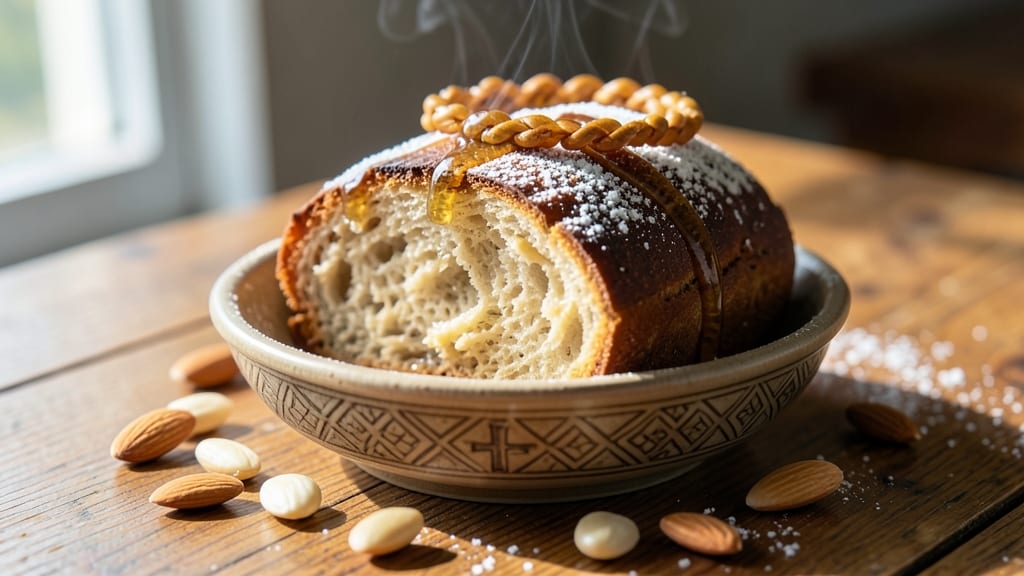
Traditional Paschal bread recipe brings Easter Sunday to life with its golden swirls and rich symbolism, blending centuries-old tradition with buttery sweetness. 🌟 The intricate braided dough, often topped with egg wash and poppy seeds, represents Christ's resurrection and new beginnings—every bite carries meaning while delighting the senses.
This recipe preserves the cultural heart of the dish while making it accessible for home bakers.
What sets this recipe apart is its balance of technique and tradition—rich, slightly sweet dough proofed just right, then shaped into elegant braids or loaves. The secret lies in precise timing: letting the dough rise slowly for maximum flavor while maintaining the right texture.
Whether you're baking for Easter services or family gatherings, this bread becomes the centerpiece of the celebration.
By the time it emerges from the oven, you'll have a tender, slightly crisp crust with a soft interior, all infused with vanilla and citrus notes. The signature swirls create a visual masterpiece that's as beautiful as it is delicious.
This is more than just bread—it's a tradition you can pass down through generations.
For those who prefer savory variations, simply omit the sugar and add herbs or cheese to the dough. The same techniques apply, proving this recipe's versatility. Let's bring the spirit of Easter to your kitchen with this timeless tradition.
Ingredients for paschal bread
Four cups flour, two rises, and a touch of tradition make this Easter centerpiece.
| Ingredient | Amount | Notes |
|---|---|---|
| All-Purpose Flour 🌾 | 4 cups | Sifted for light texture |
| Granulated Sugar 🍚 | ¼ cup | White or light brown |
| Active Dry Yeast 🍞 | 2 ¼ tsp | One packet |
| Warm Whole Milk 🥛 | 1 ¼ cups | 110°F for activation |
| Unsalted Butter 🧈 | ½ cup | Softened, not melted |
| Large Eggs 🥚 | 2 whole | Room temperature |
| Vanilla Extract 🍯 | 1 tsp | Pure vanilla preferred |
| Zest of One Lemon 🍋 | 1 tbsp | Bright, fresh lemon |
| Poppy Seeds 🌱 | ¼ cup | Toasted for extra flavor |
| Diamond Crystal Kosher Salt 🧂 | 1 tsp | Adjust to taste |
| Large Eggs 🥚 | 1 whole | For egg wash |
| Poppy Seeds 🌱 | 2 tbsp | For topping |
The flour is the foundation—opt for King Arthur Bread Flour if you want extra tenderness, but Gold Medal All-Purpose works perfectly fine. Yeast quality matters: Fresh is best, but if using dry, make sure it's dated within the last 6 months. Warm the milk to 110°F—too hot and it kills the yeast, too cold and it won't activate. For the butter, Plugrá or Land O'Lakes are reliable brands, but any unsalted will do. The lemon zest should be bright yellow, not pale or bitter. If you can't find fresh, bottled zest works in a pinch, but it lacks the same vibrancy.
No vanilla extract? Vanilla bean paste adds depth, or almond extract at half the amount gives a similar floral note. Running low on poppy seeds? Sesame seeds offer a different texture but still look beautiful. For the egg wash, duck eggs create a richer color, but chicken eggs are perfectly fine. The dough should be slightly sticky but not wet—add a tablespoon more flour if needed. If your kitchen is cold, cover the dough with a damp towel while rising to maintain warmth. For extra symbolism, some bakers add a small cross cut into the dough before shaping.
This dough keeps well for up to 24 hours in the fridge if you need to shape it ahead. For longer storage, freeze shaped loaves on a tray, then transfer to a bag—thaw overnight in the fridge before baking. The finished bread stays fresh for 3-4 days at room temperature, wrapped in a linen towel. For a savory version, replace the sugar with 1 tbsp honey and add 1 tsp dried rosemary to the dough. The braids should be tight but not strained—think of them like a symbolic embrace of tradition.
Why You'll Love This Recipe
- No Yeast Struggles: I’ve made this bread so many times, and the yeast never lets me down—just toss it in warm milk, let it sit, and it puffs up like magic. No waiting hours or second-guessing if it’s active; this dough rises reliably every time.
- Sweet Butter Magic: That rich, warm milk and butter combo? It’s what turns this from good bread to ridiculously good bread. The crumb stays tender, the crust gets just crisp enough, and honestly? It’s the little luxuries like this that make baking feel special.
- Weekend or Weeknight: Make it fresh for Easter brunch, or bake a batch ahead for sandwiches all week. Between us, I’ve even used the leftovers for French toast—soaked in milk, fried up, and chef’s kiss. Versatile enough for any moment.
- Pantry Staple Power: You’re probably already using these ingredients—flour, sugar, butter—so this isn’t some fancy splurge. A loaf costs me less than takeout, and it keeps well for days. Budget-friendly, foolproof, and always welcome at my table.
Step-by-step instructions for Paschal bread
This traditional Easter loaf combines rich butter swirls with fragrant poppy seeds for a bread that's both symbolic and delicious.
👨🍳 Step 1: Activate the Yeast and Prepare the Dough
In a small bowl, combine the 1.25 cups warm whole milk (should feel like bathwater, around 110°F) with the 2.25 tsp active dry yeast. Let it sit for 5-10 minutes until foamy. This activation step ensures your bread rises properly—you'll know it's ready when bubbles form on top and the mixture smells slightly sweet.
In a large bowl, whisk together the 4 cups all-purpose flour, 0.25 cup granulated sugar, 1 tsp diamond crystal kosher salt, and 1 tbsp zest of one lemon. The lemon zest adds a bright note that balances the richness of the butter. Make a well in the center and pour in the yeast mixture along with the 2 whole large eggs and 1 tsp vanilla extract.
🍳 Step 2: Knead Until Smooth and Elastic
Using a dough hook attachment on your stand mixer, knead on medium speed for 5-7 minutes until the dough pulls away from the sides of the bowl and forms a smooth, elastic ball. You'll see it go from shaggy to silky—this indicates proper gluten development, which gives your bread structure. If the dough feels sticky, add 1 tablespoon flour at a time until it's just slightly tacky to the touch.
Shape the dough into a ball, lightly oil it with the 0.5 cup unsalted butter (softened), and place it in a greased bowl. Cover with a damp towel and let rise in a warm place for 1-1.5 hours or until doubled in size. The dough should spring back slowly when poked—this confirms it's ready for shaping.
🥘 Step 3: Create the Signature Butter Swirls
Punch down the risen dough and divide it into 4 equal portions. Roll each portion into a 12-inch log about 2 inches in diameter. Take one log and flatten it slightly, then place a 1-tablespoon portion of softened butter at one end. Roll it up tightly, then seal the seam by pinching it gently.
Repeat with the remaining dough and butter. Arrange the 4 butter-filled logs side by side in a greased 9x13-inch baking dish, curving them slightly to create a circular pattern. Brush the tops with the 1 whole large egg beaten with a splash of water for the egg wash, then sprinkle evenly with the 0.25 cup toasted poppy seeds. This creates the beautiful crisscross pattern that makes Paschal bread instantly recognizable.
🔥 Step 4: Bake Until Golden and Fragrant
Preheat your oven to 375°F. Bake the bread for 35-40 minutes until the top is deep golden brown and the internal temperature reaches 190°F. The bread should smell rich and buttery, with a hint of vanilla and poppy seeds. If the top browns too quickly, tent loosely with foil to prevent over-browning while the center finishes cooking.
Let the bread cool in the pan for 10 minutes before transferring to a wire rack. The residual heat will help set the crumb structure, preventing a gummy texture. Once completely cooled, slice with a serrated knife for clean, even pieces that reveal those beautiful butter swirls throughout.
Pro Tips For Making Paschal Bread
- Test Your Yeast First: Skip the guesswork—mix 1 packet of yeast with ¼ cup warm milk and 1 tsp sugar, then wait 10 minutes. If it doesn’t bubble, your proofing stage will be a disaster, and you’ll end up with dense, flat bread. Trust me, this 2-minute check saves hours of frustration later.
- Warm Milk Matters: Your milk should feel like bathwater—around 110°F (43°C). Too hot and you kill the yeast; too cold and it won’t activate. I learned this the hard way when my first batch sat there doing nothing. Use a thermometer or dip your finger in—if it’s uncomfortable but not scalding, you’re golden.
- Don’t Over-Knead the Dough: Paschal bread needs structure, but go easy—knead just until the dough pulls away cleanly from the bowl (about 8-10 minutes by hand). Overwork it, and you’ll end up with tough, chewy bread. I used to think more kneading = better rise, but now I stop early and let the dough rest its muscles.
- Shape It Like a Pro: Roll the dough into a log, then pinch the ends to seal before shaping into a round loaf. This keeps air from escaping during proofing, giving you that perfect dome shape. My first attempts looked like deflated balloons—until I realized the ends needed to be tucked tight. Now it rises like a dream.
Troubleshooting this dish
Dough Too Sticky?
If your dough feels excessively sticky after kneading, don’t panic—this just means it needs a little extra flour. Add 1 tablespoon at a time while kneading until the dough is smooth but still slightly tacky.
Overworking it with too much flour can make the bread dense, so stop as soon as it pulls away cleanly from the bowl. A damp towel helps too—cover the dough while rising to maintain moisture without sticking. 🌾
Uneven Rising?
Cold kitchen? That’s often the culprit for uneven rising. Place your dough bowl in a warm oven with the light on (no heat) or near a turned-off space heater to create a consistent 80-85°F environment.
If your dough rises slowly or only on one side, gently stretch and fold it once during the first hour to redistribute the yeast. Never poke it too hard—just press lightly with a finger to check readiness.
Butter Swirls Leaking?
If your butter swirls ooze out during baking, the dough wasn’t chilled enough before shaping. Roll the butter-filled logs in flour before arranging them in the pan, and place the baking dish in the fridge for 15 minutes before baking.
This helps the butter stay contained while the dough sets. For extra insurance, use cold butter (not softened) when rolling the logs—it melts just enough to flavor without escaping. ❄️
Dense or Gummy Texture?
A dense or gummy crumb usually means the dough was overworked or underproofed. Knead only until smooth (5-7 minutes max with a mixer), and let it rise until it doubles in size—no more, no less.
If your oven runs hot, bake at 350°F instead of 375°F and tent with foil early to prevent over-browning. A wire rack for cooling (not the counter) prevents steam from making the bread soggy.
Poppy Seeds Not Sticking?
Toast your poppy seeds in a dry skillet over medium heat for 2-3 minutes until fragrant—this makes them cling better to the egg wash. For extra grip, mix them with 1 teaspoon cornstarch before sprinkling.
If they still won’t stay, brush the dough with a little more egg wash (diluted with 1 teaspoon water) before adding the seeds. A light misting of water from a spray bottle can also help them adhere. 🌱
Bread Collapsed After Baking?
This happens when the dough wasn’t fully proofed or the oven wasn’t hot enough. Next time, preheat your oven for at least 30 minutes and use an oven thermometer—many ovens run 25°F hotter or colder than set.
If the bread still collapses, try baking on the middle rack (not top or bottom) for even heat distribution. For a quick fix, place the baked loaf under a broiler for 1-2 minutes to crisp the top and support its structure.
Nutrition facts
Frequently asked questions
What makes Paschal bread different from regular Easter bread?
Paschal bread stands out with its signature butter swirls and poppy seed topping, symbolizing Christ's resurrection and new life. Unlike simpler Easter breads, it features a rich, slightly sweet dough with a tender crumb and crisp crust, often shaped into intricate braids or loaves. The egg wash gives it that iconic golden glow too!
Can I make Paschal bread without yeast?
Traditional Paschal bread relies on yeast for its light, airy texture, but you can adapt it! For a quick version, use 1.5 cups self-rising flour (no yeast needed) and bake immediately at 375°F for 25-30 minutes. The flavor will be denser, but still delicious. Just reduce the sugar to 0.125 cup to balance the richness.
How do I store leftover Paschal bread?
Wrap cooled slices in parchment paper and store in an airtight container at room temperature for 3-4 days. For longer storage, freeze individual slices between parchment layers in a ziplock bag for up to 3 months. Toast frozen slices directly from the freezer for freshness!
What's the best way to reheat Paschal bread?
Warm slices in a 350°F oven for 5-7 minutes on a baking sheet until golden. For quick reheating, wrap in a damp paper towel and microwave for 15-20 seconds. Avoid the toaster—it can dry out the butter swirls. The oven method keeps the texture tender and the flavors vibrant!
Can I make Paschal bread gluten-free?
Yes! Use a 1:1 gluten-free flour blend (like Bob's Red Mill) and add 1 tsp xanthan gum to improve texture. Reduce yeast to 1.5 tsp and let dough rise 30-45 minutes longer since gluten-free dough rises slower. The bread will be denser but still delicious with the butter swirls!