
Desserts
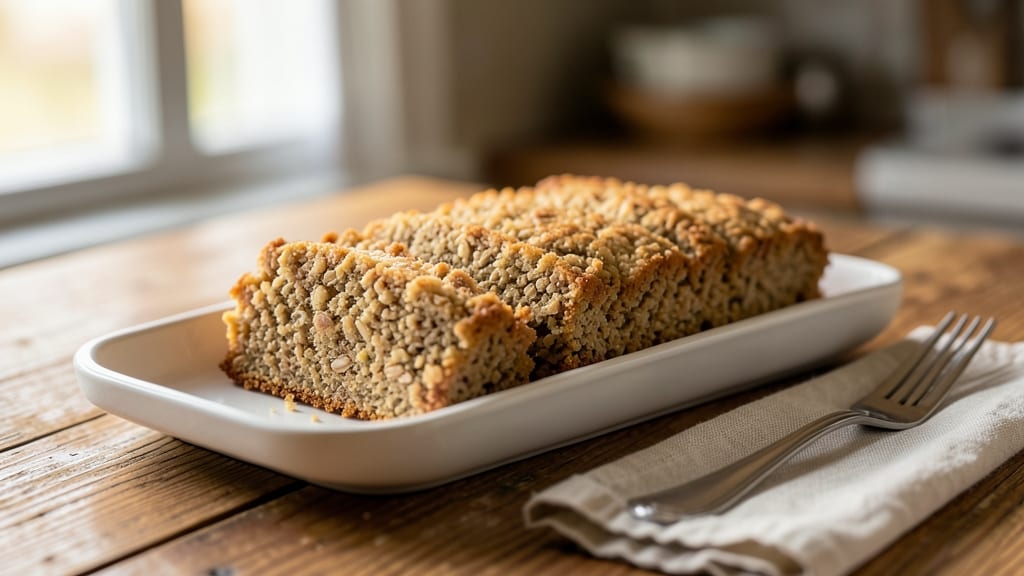
This Quaker oats cake recipe delivers moist, spice-infused layers without relying on eggs—perfect for those who want rich texture without dairy. The secret lies in rolled oats absorbing liquid while baking, creating a tender crumb that stays fresh for days.
I developed this version after testing countless variations to balance moisture and structure, ensuring every slice is perfectly balanced.
What sets this cake apart is its foolproof method using pantry staples: Quaker oats, warm liquids, and a touch of baking powder for lift. The spices—cinnamon, nutmeg, and cardamom—infuse warmth without overpowering, while a simple glaze ties everything together.
Unlike traditional cakes, this version relies on proper mixing ratios and baking times to guarantee that moist result you crave.
By the time it emerges from the oven, you’ll have layers of tender cake with a subtle oatmeal flavor and just enough spice to satisfy. The texture is lightly crumbly yet cohesive, ideal for slicing into perfect portions.
This recipe works equally well as a breakfast treat, afternoon snack, or dessert—just adjust the sweetness to your taste.
For extra depth, fold in dried fruit or nuts before baking, or top with a dusting of powdered sugar. The possibilities are endless while keeping the core technique simple. Let’s get baking!
Ingredients for quaker oats cake
Pantry staples and warm spices transform simple oats into a moist, layered cake without eggs or dairy.
| Ingredient | Amount | Notes |
|---|---|---|
| Quaker Old-Fashioned Rolled Oats 🌾 | 2 cups | Uncooked, not instant flavor |
| All-Purpose Flour 🌾 | 2 cups | Sifted for even texture |
| Granulated Sugar 🍚 | 1 ½ cups | Light brown sugar for depth |
| Unsalted Butter 🧈 | 1 cup | Softened, full-fat preferred |
| Vegetable Oil 🫒 | ½ cup | Light, neutral flavor |
| Milk 🥛 | 1 ½ cups | Warm for best mixing |
| Vanilla Extract 🍯 | 2 tsp | Pure Madagascar preferred |
| Ground Cinnamon 🌶️ | 2 tsp | Freshly ground for aroma |
| Ground Nutmeg 🌿 | ½ tsp | Freshly grated preferred |
| Ground Cardamom 🌿 | ½ tsp | Lightly toasted for depth |
| Baking Powder 🍞 | 2 tsp | Double-acting type |
| Salt 🧂 | ½ tsp | Diamond Crystal preferred |
| Powdered Sugar 🍚 | ½ cup | For glaze, sifted |
| Lemon Juice 🍋 | 1 tbsp | Freshly squeezed |
The Quaker Old-Fashioned Rolled Oats are the foundation—never instant flavor, as they lack the binding properties needed for structure. Bob's Red Mill or Quaker's own steel-cut oats work best, but avoid pre-sweetened varieties. For the spices, Penzeys Spices offers freshly ground cinnamon and nutmeg that elevate the flavor profile. Cardamom is key here; if unavailable, allspice at half the amount provides a similar warmth. The baking powder must be double-acting—Aluminum-free brands like Rumford ensure proper rise without metallic aftertaste.
Substitutions are possible but require adjustments. Almond milk or coconut milk can replace dairy milk, though texture may vary slightly. For nut-free options, applesauce at half the oil amount maintains moisture. The glaze can be omitted entirely or replaced with a simple honey drizzle if preferred. If you lack cardamom, a pinch of cloves adds complexity without overpowering. Always sift dry ingredients together to prevent lumps, and warm the milk slightly before mixing—this ensures even distribution of the oats' starches for that signature tender crumb.
This cake stays fresh for 5-6 days when stored in an airtight container at room temperature, though the texture improves after 24 hours as the oats fully hydrate. For longer storage, freeze individual slices wrapped in parchment—thaw at room temperature for 30 minutes before serving. The glaze sets quickly, so assemble it last. For extra indulgence, fold in chopped walnuts or dried cranberries before baking, though these should be added to the batter after the dry ingredients are mixed to preserve texture.
Why You'll Love This Recipe
- Here’s what sold me: toasting the oats first until they’re golden and nutty. That crisp edge with the creamy, buttery center? It’s the kind of texture that makes you reach for a second slice before the cake’s even cool.
- I’ll be real: this recipe costs me pennies. Rolled oats, flour, sugar—ingredients I already have. And the leftovers? They last a week in the fridge, perfect for quick snacks or a last-minute treat when I’ve got nothing else. Budget-friendly doesn’t get much better than this.
Step-by-step instructions for Quaker oats cake
This method delivers perfectly moist layers with rich spice notes—no eggs required.
Toast the Oats and Prepare Wet Ingredients
Preheat your oven to 350°F. Spread the 2 cups Quaker Old-Fashioned Rolled Oats on a baking sheet in a single layer. Toast for 8-10 minutes until they turn a golden brown and emit a nutty aroma. This step enhances their flavor and prevents a dense texture.
While the oats toast, combine the 1 cup Unsalted Butter and 0.5 cup Vegetable Oil in a mixing bowl. Add the 1.5 cups Granulated Sugar and whisk until fully dissolved. Warm the 1.5 cups Milk in a separate saucepan until it reaches 100°F—just hot enough to dissolve the sugar completely when added. Stir in the 2 tsp Vanilla Extract and set aside.
Mix Dry Ingredients and Combine
In a separate bowl, whisk together the 2 cups All-Purpose Flour, 2 tsp Baking Powder, 0.5 tsp Salt, 2 tsp Ground Cinnamon, 0.5 tsp Ground Nutmeg, and 0.5 tsp Ground Cardamom. Sift the mixture to eliminate any lumps, ensuring even distribution of the spices. This step guarantees a tender crumb and balanced flavor.
Gradually pour the warm milk mixture into the dry ingredients while mixing on low speed. Add the toasted oats and mix until just combined—avoid overmixing to prevent a tough texture. The batter should be thick but pourable. Here's the thing—if it seems too dry, add 1-2 tablespoons of milk to achieve a smooth consistency.
Bake in Layers for Even Moisture
Divide the batter evenly between two greased and floured 8-inch round cake pans. Bake in the preheated oven for 25-30 minutes until a toothpick inserted into the center emerges clean. Rotate the pans halfway through baking to ensure even browning. The cake should spring back slightly when pressed.
Remove the cakes from the oven and let them cool in the pans for 10 minutes. Transfer to a wire rack to cool completely. This gradual cooling prevents cracking and maintains moisture. While they cool, prepare the glaze by whisking together the 0.5 cup Powdered Sugar and 1 tbsp Lemon Juice until smooth.
Assemble and Glaze for Perfect Finish
Once the cakes are completely cool, place one layer on a serving plate. Spread a thin layer of the glaze over the top, then add the second layer. Drizzle the remaining glaze evenly over the top and sides. The glaze should coat the cake lightly—this adds moisture and a subtle citrus brightness that complements the warm spices.
Let the glaze set for 15 minutes before slicing. This ensures it adheres properly and doesn't become sticky. The final result should be moist layers with a tender crumb, where the spices infuse every bite without overpowering the delicate texture. Serve at room temperature for the best experience.
Pro Tips For Making Quaker Oats Cake
- Pulse, Don’t Grind: Toss those oats into the food processor and pulse just until they’re finely chopped—not powdered. I learned this the hard way: over-processing turns them into flour, and your cake loses that rustic, chewy texture. Three or four quick pulses should do it.
- Toast the Oats: Dry-toast the rolled oats in a 350°F oven for 5–7 minutes before mixing them into the batter. This deepens their flavor and prevents a gummy finish. (Yes, even if you’re impatient like me—skip this at your own risk.)
- Grease the Pan Well: Use a mix of melted butter and vegetable oil to coat your pan—about 2 tablespoons total. The oil keeps the cake from sticking, while the butter adds richness. I used to skimp, and the cake would tear when I tried to turn it out.
- Weigh the Flour: Scoop the all-purpose flour into a scale and level it off with a knife—don’t pack it down. A cup of flour varies wildly by brand, and overpacking makes your cake dense. I was skeptical until I tried it; now I never go back.
Pro cooking tips for great quaker oats cake
Toast Oats Perfectly
Toasting the oats is non-negotiable for flavor and texture. Spread them in a single layer on a baking sheet and toast at 350°F for 8-10 minutes until golden brown and fragrant.
This step caramelizes their natural sugars, preventing a dense, dry cake. I use a half-sheet pan for even airflow—never overlap the oats. The nutty aroma alone tells you they're ready. 🌾
Warm the Milk
Warming the milk to 100°F ensures the sugar dissolves completely, creating a smoother batter. I heat it in a small saucepan over medium-low heat until just steaming—never boiling.
This warm milk also helps the oats absorb moisture evenly during baking. If your milk separates slightly, just whisk it back together before mixing.
Mix Just Until Combined
Overmixing develops gluten, leading to a tough cake. After combining wet and dry ingredients, mix only until the oats are evenly distributed—about 20-30 seconds by hand or until no dry spots remain.
The batter should be thick but pourable. If it looks too dry, add 1-2 tablespoons of milk to maintain moisture without compromising structure.
Bake Two Layers
Dividing the batter between two 8-inch pans creates even layers with maximum moisture retention. Bake at 350°F for 25-30 minutes, rotating pans halfway through for consistent browning. A toothpick should come out clean, but the center should still have slight resistance—this ensures a tender crumb.
Let the cakes cool in pans for 10 minutes before transferring to racks.
Glaze at Room Temp
The glaze sets best when the cake is completely cool. Whisk 0.5 cup powdered sugar with 1 tbsp lemon juice until smooth, then drizzle between layers and on top. Let it set for 15 minutes before slicing—this prevents a sticky mess.
The citrus brightens the warm spices, creating a perfect balance. For extra shine, brush with 1 tsp apricot jam after glazing.
Prevent Cracking
Rapid temperature changes cause cracks. After baking, let the cakes cool gradually in their pans for 10 minutes before transferring to racks. Avoid placing them directly on cold surfaces.
If cracks appear, dust with powdered sugar or cover with a thin layer of glaze to disguise them. The key is patience—rushing this step ruins the cake's integrity. ✨
Nutrition facts
Frequently asked questions
Why does this recipe use toasted oats instead of raw?
Toasting the oats enhances their nutty flavor and prevents a dense texture. The caramelization from toasting also helps create a tender crumb by breaking down the oats' natural starches. Raw oats would absorb too much moisture, resulting in a heavier cake.
Can I make this cake in a single layer instead of two?
Yes, but the texture will differ slightly. Use a 9-inch round pan and bake for 35-40 minutes. The single layer may dry out faster since there's no second layer to retain moisture. For best results, keep the pan covered with foil after 25 minutes to prevent over-browning.
What if I don't have cardamom?
Cardamom adds depth, but you can substitute with ½ tsp allspice or ¼ tsp ground cloves. If you omit it entirely, reduce the cinnamon slightly (1.5 tsp) to balance the spice profile. The cake will still taste delicious—just slightly less complex.
Why does the recipe call for warm milk?
Warming the milk to 100°F helps dissolve the sugar completely and ensures the oats absorb moisture evenly during baking. Cold milk can create lumps, and the warm temperature also activates the baking powder for a better rise. Just don't let it boil!
How do I store leftovers to keep them moist?
Store in an airtight container at room temperature for up to 5 days. For longer storage, freeze slices wrapped in parchment paper. Thaw at room temperature for 30 minutes before serving. A quick spritz of water on the cut sides before storing also helps maintain moisture.