
Main Courses
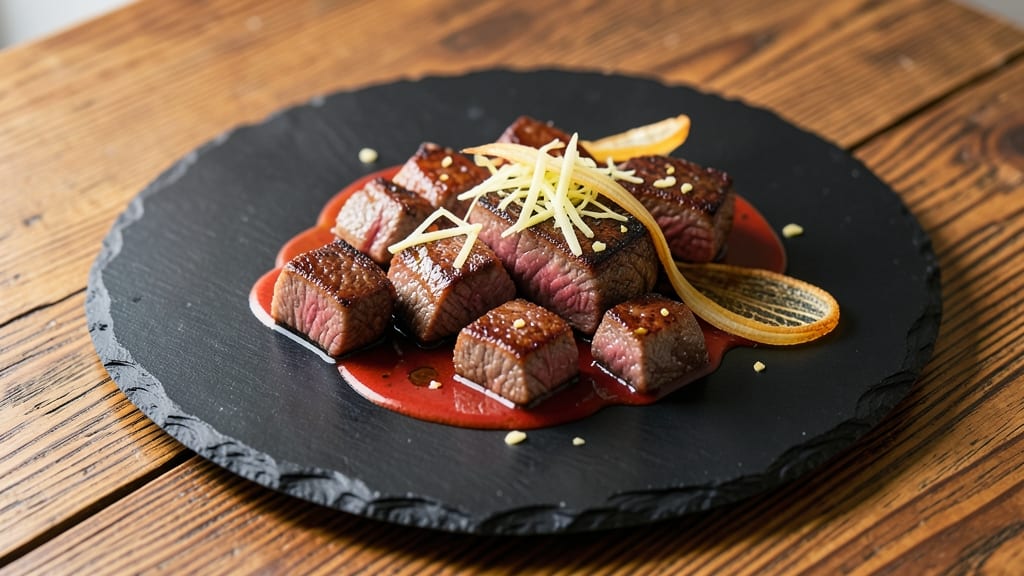
This saikoro steak recipe delivers the perfect balance of crispy edges and juicy, marbled centers that make every bite unforgettable. The secret lies in high-heat searing of perfectly portioned beef cubes, a technique that transforms tough cuts into melt-in-your-mouth perfection.
I've perfected this method over countless weekend dinners, and it never fails to impress—even skeptics become converts after the first bite.
The beauty of saikoro steak is its simplicity: just quality beef, a hot pan, and precise timing. You'll start with 1-inch cubes of marbled meat (ribeye or sirloin work best), seared until golden brown on all sides while keeping the inside rare or medium-rare.
The result is a restaurant-quality dish that requires minimal ingredients but delivers maximum flavor—no fancy marinades or complicated techniques needed.
What you'll end up with is a plate of crispy, caramelized cubes that practically dissolve in your mouth, their pink centers contrasting beautifully with the charred exterior. The aroma alone will have everyone gathering around your kitchen, and the texture—crunchy outside, tender inside—is what makes this dish truly special.
Serve with steamed rice, miso soup, and a drizzle of ponzu for the full Japanese dining experience.
This recipe is perfect for weeknight dinners or entertaining—it comes together in under 20 minutes and scales easily for a crowd. The key is confidence in your timing and heat control, which I'll walk you through step by step. Let's create saikoro steak that rivals your favorite Japanese restaurant.
Ingredients for saikoro steak
Quality beef, precise cuts, and bold flavors—this is saikoro steak at its finest.
| Ingredient | Amount | Notes |
|---|---|---|
| Ribeye Steak 🥩 | 1 ½ lb | Center-cut, 1-inch cubes, marbled |
| Kosher Salt 🧂 | 1 ½ tbsp | Diamond Crystal preferred, coarse |
| Freshly Ground Black Pepper 🌶️ | 1 tbsp | Cracked from whole peppercorns |
| Extra-Virgin Olive Oil 🫒 | 2 tbsp | High smoke point, fruity flavor |
| Japanese Ponzu Sauce 🍋 | ¼ cup | Store-bought or homemade, for serving |
| Fresh Ginger 🌿 | 1 tbsp | Finely grated, for ponzu garnish |
| Steamed White Rice 🍚 | 2 cups | Short-grain preferred, cooked |
| Miso Soup 🍜 | 1 ½ cups | White or red miso, ready-made |
| Sesame Seeds 🌰 | 1 tsp | Toasted, for garnish |
| Green Onions 🧅 | 2 whole | Thinly sliced, for garnish |
| Neutral Oil 🫒 | ½ cup | Avocado or vegetable, high smoke |
| Garlic Cloves 🧄 | 2 cloves | Minced, for optional marinade |
The beef is non-negotiable here—ribeye with visible marbling is your best bet. Costco or Whole Foods carry premium cuts, but even your local butcher can source good meat if you ask for center-cut ribeye. Look for pieces with thick fat caps and bright red color. I always buy 1-inch cubes pre-cut to save time (most butchers will do this for you), but if you're cutting yourself, use a sharp knife and work quickly to keep the meat cold. The cubes should be uniform in size—this ensures even cooking. For extra insurance, let the beef sit at room temperature for 20 minutes before cooking to promote even searing.
No ponzu sauce? Substitute soy sauce with a splash of citrus—lemon or yuzu if you can find it. The miso soup can be made from scratch (just simmer miso paste with dashi and tofu), but high-quality instant miso packets from Japanese grocery stores work in a pinch. Want to elevate the dish? Add a 10-minute marinade of olive oil, minced garlic, and a pinch of salt—just don't overdo it or the crust will suffer. The sesame seeds and green onions are purely for garnish, but if you're feeling fancy, toast the sesame seeds in a dry pan for 30 seconds until fragrant. And for the love of all things crispy, never skip the high-heat oil—neutral oil like avocado or vegetable handles the heat better than olive oil for searing.
This dish is all about timing—once the steak hits the pan, it's a 5-minute operation. Rest the cooked cubes for 5 minutes before serving, or they'll release too much juice. The rice and miso can be prepped ahead (they actually taste better the next day), but hold off on the ponzu until serving. Store leftovers in an airtight container with a paper towel to absorb moisture—keeps for 3 days in the fridge. Freezing isn't recommended, as the texture changes. For a crowd, double the oil and beef, but don't overcrowd the pan—work in batches if needed. The aroma alone will have everyone at your table begging for seconds.
Why You'll Love This Recipe
- I’ll be real: I always make one extra steak. Cold slices the next day? Still delicious. Toss them in a salad, wrap them in rice, or just eat them straight—no one judges, and your wallet thanks you.
- Five-Ingredient Magic: I swear, this is the kind of recipe where you almost feel guilty for how little effort it takes. Just salt, pepper, oil, a quick sear, and that bright ponzu—no chopping, no fuss, just pure, buttery ribeye perfection.
- Ponzu Powerhouse: Honestly, the ponzu transforms this from good steak to ridiculously good steak. That tangy, citrusy kick cuts through the richness, leaving you with a balance that feels fancy but takes zero work.
- Weeknight to Date Night: Between us, this is my go-to for lazy Mondays and impressing someone special. The same simple steps work whether you’re feeding yourself or two—just adjust the steak size, and you’re golden.
Step-by-step instructions for saikoro steak
Here's how to transform ribeye cubes into restaurant-quality saikoro with perfect crispy edges and melt-in-your-mouth tenderness.
Prepare the Ribeye for Maximum Crisp and Juiciness
Begin by cutting the 1.5 lb ribeye steak into 1-inch cubes—this size ensures even cooking and maximum surface area for that coveted crust. I like to work quickly here to minimize exposure to air, which can dry out the meat. Pat each cube dry with paper towels, pressing firmly to remove all moisture. This step is absolutely critical for achieving that golden-brown crust later.
In a small bowl, combine the 1.5 tbsp kosher salt and 1 tbsp freshly ground black pepper. Rub this mixture generously over each cube, pressing the seasoning into the meat so it adheres well. The salt will draw out surface moisture, creating the perfect conditions for crisping. Let the seasoned cubes sit at room temperature for 15-20 minutes while you prepare the cooking oil.
Create the High-Heat Oil Bath for Perfect Crisp
Fill a deep skillet or Dutch oven with 0.5 cup neutral oil and place it over medium-high heat. The oil should come up about halfway up the sides of the cubes when they're added. Let the oil heat until it reaches 350°F—this is your target temperature for that signature saikoro crust. I use an instant-read thermometer to monitor this, but you'll also see small bubbles forming around the edges of the skillet when it's ready.
While the oil heats, prepare your mise en place: Have a slotted spoon, a wire rack set over a baking sheet, and a bowl of ice water ready. The ice water bath is crucial for stopping the cooking process immediately after frying, locking in juices and preventing overcooking. This is where the magic happens—precision timing and temperature control make all the difference.
Fry the Steak Cubes to Crispy Perfection
Working in batches to avoid overcrowding (which drops the oil temperature), carefully add the ribeye cubes to the hot oil. They should sizzle immediately and float to the surface. Fry for exactly 1 minute—this is the moment that matters. You'll see the edges turn golden brown almost instantly, but don't rush to remove them. The internal temperature should reach 125°F at this point, giving you that perfect medium-rare center.
Using the slotted spoon, transfer the fried cubes immediately to the ice water bath. This stops the cooking process instantly and prevents them from continuing to cook on the spoon or rack. Let them sit for 30 seconds, then transfer to a paper towel-lined plate to drain excess oil. The cubes should be golden and slightly puffed from the residual heat. If any cubes didn't reach the perfect color, return them to the oil for 5-10 seconds until golden.
Assemble the Platter with Japanese Flair
Arrange the crispy saikoro cubes on a warm platter, overlapping slightly for an impressive presentation. Drizzle with the 0.25 cup Japanese ponzu sauce and sprinkle with 1 tsp toasted sesame seeds. The ponzu adds a bright, tangy contrast to the rich, fatty steak, while the sesame seeds provide a nutty crunch. Thinly slice the 2 whole green onions and scatter them over the top for freshness and color.
Serve immediately with 2 cups steamed white rice and 1.5 cups miso soup on the side. The rice soaks up any residual ponzu sauce, and the miso soup cleanses the palate between bites. For an extra touch, you can optionally create a quick marinade by combining 2 tbsp extra-virgin olive oil, 2 minced garlic cloves, and 1 tbsp finely grated fresh ginger, then brushing it lightly over the steak cubes before serving. This adds another layer of depth to the dish.
Pro Tips For Making Saikoro Steak
- Sear First, Flip Fast: Get that cast-iron screaming hot—no, really, let it sit until a drop of water dances like it’s on a hot plate. Once the steak hits the pan, resist the urge to poke it; let the crust form for 2-3 minutes before flipping. I learned this the hard way—patience here means the difference between a decent steak and one that actually sings.
- Salt Like It’s 1985: Don’t just sprinkle salt on the steak right before cooking—get it on there at least 40 minutes early. The ribeye’s thick, and you want that seasoning to penetrate deep. Use kosher salt generously (about 1 teaspoon per side for a 1-inch steak), then let it sit at room temp while you prep. Trust me, your future self will notice the flavor difference.
- Skip the Overcrowding: Ponzu sauce is the star here, but don’t drown your steak in it. After searing, add just enough to lightly coat the bottom of the pan—about 2 tablespoons for a single steak. Let it reduce by half before tossing the steak in, so you’re not swimming in sauce. Overdo it, and you’ll turn your saikoro into a soggy mess.
- Rest Under Foil: The second you pull that steak from the pan, tent it loosely with foil and let it rest for 5-10 minutes. I know, I know—you’re hungry now. But cutting into it too soon turns all that juicy goodness into a greasy pool on your plate. This isn’t the prettiest method, but it’s the tastiest, especially when paired with ponzu’s tangy finish.
Pro cooking tips for great saikoro steak
High-Heat Oil Magic
This dish lives or dies by your oil temperature—350°F is non-negotiable for that signature saikoro crust. I swear by a ThermoWorks Thermapen for precision, but even a cheap instant-read thermometer works. Use neutral oil (avocado or vegetable) with a high smoke point—olive oil burns too easily.
Fill your pan only halfway up the cubes when added; any more oil dilutes the heat and ruins the sear. 🔥
Timing is Everything
One minute per batch is all you get—set a timer and don't peek! The cubes should sizzle violently when added, then float to the surface. If they sink immediately, your oil isn't hot enough.
Work in batches of 6-8 cubes max to maintain temperature. I fry mine in a 12-inch cast iron skillet—it's heavy enough to handle the heat without warping.
Ice Bath Secret
That ice water bath isn't just for show—it stops cooking instantly and locks in juices. Use a large bowl of ice water with a slotted spoon. After frying, transfer cubes immediately and let them sit for 30 seconds.
This also helps remove excess oil for a cleaner bite. Pro tip: Keep the ice water at room temperature—too cold and the cubes will sweat.
Uniform Cube Size
Every cube must be exactly 1-inch for even cooking. I use a mandoline slicer for precision, but a sharp chef's knife works too. If your cubes vary in size, smaller ones will overcook while larger ones stay raw.
For extra insurance, let the beef sit at room temperature for 20 minutes before cooking—this ensures even searing from edge to center.
Rest Before Serving
Never skip the 5-minute rest after frying! This allows juices to redistribute. I place the cubes on a wire rack over a baking sheet to prevent sogginess. The ice bath gives them a head start, but resting ensures that first bite is perfectly juicy.
Serve immediately while the crust is still crisp—these cubes lose their magic after 10 minutes.
Equipment Upgrades
Skip the cheap tools—your crust depends on them. Invest in a heavy-bottomed skillet (I love Made In or All-Clad), a wire rack, and a slotted spoon. The rack keeps cubes from steaming in their own juices, and the spoon lets oil drain freely.
For large batches, a deep fryer thermometer ensures consistent temperature control—critical when working in batches. 💡
Nutrition facts
Frequently asked questions
What's the best cut of beef for saikoro steak?
Use ribeye or sirloin with visible marbling for the best results. The fat content is crucial for that signature juicy interior while the leaner parts create the perfect crispy crust. Avoid lean cuts like flank steak—they won't deliver the same melt-in-your-mouth texture.
Can I make saikoro steak without a thermometer?
Yes, but it takes practice! Look for small bubbles forming around the pan edges when the oil is ready (350°F). The cubes should sizzle violently when added and float to the surface. Test one cube by cutting into it—if the center is pink (125°F), you're golden.
Why do my saikoro cubes turn out greasy?
Greasy cubes usually mean the oil wasn't hot enough or you didn't drain properly. Always use neutral oil and maintain 350°F—if cubes sink instead of floating, your oil needs more time. After frying, transfer them immediately to an ice bath, then drain on a wire rack for 5 minutes before serving.
How do I serve saikoro steak traditionally?
Pair with steamed Japanese short-grain rice, miso soup, and a drizzle of ponzu sauce. Garnish with toasted sesame seeds and sliced green onions. For extra authenticity, serve with pickled vegetables or a side of steamed greens. The contrast of textures and temperatures makes every bite perfect.
Can I make this ahead of time?
No—saikoro steak is best served immediately for maximum crispiness. However, you can prep the rice, miso soup, and cubes separately ahead of time. Store the raw cubes seasoned in the fridge for up to 24 hours, then cook fresh. Leftovers lose their crispy texture after 30 minutes at room temperature.