
Main Courses
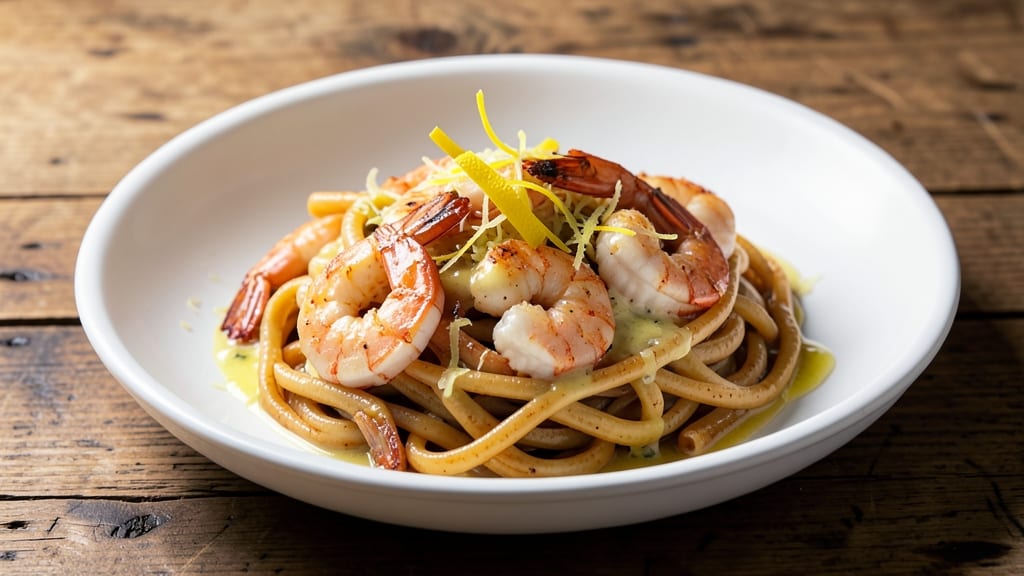
This shrimp bucatini recipe delivers restaurant-quality Italian flavors in just 20 minutes—no shortcuts, just perfectly balanced garlic, lemon, and butter that transforms simple ingredients into a dish worth celebrating.
The secret lies in cooking the shrimp first, then tossing them with al dente bucatini in a rich, aromatic sauce that clings to every strand of pasta.
What sets this recipe apart is the foolproof technique that ensures tender shrimp and perfectly cooked pasta without overcrowding your pan. Fresh garlic, bright lemon zest, and a touch of white wine create a sauce that's both elegant and approachable—ideal for weeknight dinners that feel special.
The dish comes together faster than takeout but delivers a depth of flavor that puts it in a league of its own.
By the time you serve this dish, you'll have golden shrimp with just a hint of pink in the center, wrapped in a velvety lemon-butter sauce that coats each strand of bucatini.
The aroma alone will have everyone at the table anticipating that first bite—crisp yet tender pasta with succulent shrimp and a tangy, garlicky finish that lingers. This is the kind of meal that elevates ordinary Tuesday nights into something memorable.
Serve with a simple arugula salad dressed in lemon vinaigrette or crusty bread to soak up every last drop of that garlicky lemon butter sauce. The recipe scales easily for guests, and leftovers reheat beautifully—though I suspect they won't last that long. Let's get cooking!
Ingredients for shrimp bucatini
Simple ingredients transform into restaurant-worthy shrimp bucatini with garlic, lemon, and butter.
| Ingredient | Amount | Notes |
|---|---|---|
| Large Shrimp 🦐 | 1 ½ lb | Peeled, deveined, tail-on preferred |
| Bucatini Pasta 🍝 | 12 oz | Per person, al dente preferred |
| Unsalted Butter 🧈 | ½ cup | Cold, cut into 1-inch pieces |
| Garlic Cloves 🧄 | 6 cloves | Fresh, thinly sliced |
| Lemon Zest 🍋 | 1 tbsp | Bright yellow, freshly grated |
| Lemon Juice 🍋 | 2 tbsp | Freshly squeezed |
| Dry White Wine 🍷 | ¼ cup | Sauvignon Blanc or Pinot Grigio |
| Kosher Salt 🧂 | 1 ½ tsp | Fine grain, divided use |
| Ground Black Pepper 🌶️ | ½ tsp | Freshly cracked |
| Fresh Parsley 🌿 | ¼ cup | Chopped, for garnish |
| Extra-Virgin Olive Oil 🫒 | 1 tbsp | For pasta cooking |
| Red Pepper Flakes 🌶️ | ¼ tsp | Optional, for heat |
The shrimp is the star—freshness matters most. Look for wild-caught Gulf shrimp at Whole Foods or your local seafood counter, where they're usually pre-peeled and deveined. Size matters too: 16-20 count per pound cooks perfectly in 2-3 minutes. If using frozen, thaw in cold water for 10 minutes—never microwave. The bucatini should be thick and sturdy; De Cecco or Barilla are reliable brands. Avoid pre-cooked or 'instant' varieties—they won't hold up to the sauce.
No white wine? Substitute with extra chicken broth—just add another tablespoon of lemon juice to balance. The butter should be cold and cubed for the sauce to emulsify properly; don't melt it first. Garlic can be roasted ahead (wrap whole cloves in foil, bake at 400°F for 8 minutes) for a sweeter flavor. The parsley is purely decorative but fresh Italian flat-leaf adds a peppery brightness. For extra richness, add 1 tablespoon heavy cream at the end—though purists will argue against it.
This dish reheats beautifully—microwave for 30 seconds with a splash of water to revive the sauce. Store leftovers in an airtight container for up to 2 days, though the shrimp tends to get rubbery after that. The pasta sauce keeps for 3 days separate if you plan to cook shrimp fresh later. For make-ahead prep, par-cook the pasta 1 minute less than package instructions, then finish in the sauce. Garnish with extra lemon zest and red pepper flakes just before serving—flavor peaks immediately.
Why You'll Love This Recipe
- One-Pan Magic: I swear by this recipe when I’m too tired to wash dishes. Toss the shrimp and bucatini in a single skillet with butter and garlic—no extra pots, no fuss. The pasta clings to the shrimp like it’s been best friends forever, and the lemon zest ties it all together with zero effort.
- Garlic Butter Bliss: That first bite of buttery shrimp wrapped around al dente bucatini? It’s the kind of flavor that makes you pause mid-chew. The garlic sizzles just enough to perfume the whole dish, while the lemon zest cuts through the richness—bright, zesty, and impossible to resist.
- Weeknight to Date Night: Honestly, this recipe works for everything. Too lazy to cook? Done in 20 minutes. Fancy dinner? Add a sprinkle of parsley and serve with crusty bread. Even my picky teenager devours it—no complaints, just empty plates.
- Budget-Friendly Feast: Shrimp might seem pricey, but a single pound stretches across two servings with leftovers that reheat like a dream. Bucatini’s cheap, butter’s cheap, and garlic? A pantry staple. You’re getting restaurant-quality flavor without breaking the bank—or your willpower.
Step-by-step instructions for shrimp bucatini
Here's how to create a restaurant-worthy shrimp bucatini in minutes.
Cook the Bucatini Pasta to Al Dente Perfection
Bring a large pot of water to a rolling boil and add 1 tablespoon extra-virgin olive oil and 1 teaspoon kosher salt. Add the 12 oz bucatini pasta and cook according to package directions, but remove it 1 minute before it's fully done—you want it al dente. Bucatini should have a slight bite to it when you test it, as it will continue cooking in the sauce. Reserve 1 cup of pasta water before draining, as this starchy liquid is essential for creating a silky sauce.
While the pasta cooks, prepare the shrimp by patting them dry with paper towels. Season both sides generously with the remaining ½ teaspoon kosher salt and ½ teaspoon ground black pepper. Real talk: don't skip this step—seasoning the shrimp early ensures they absorb flavor before hitting the pan.
Sear the Shrimp in Butter and Garlic
In a large skillet over medium-high heat, melt ½ cup unsalted butter until it foams. Add the 6 cloves thinly sliced garlic cloves and cook for 30 seconds until fragrant—this is the moment that matters: you want the garlic to just barely turn golden, not brown. Add the 1.5 lb large shrimp in a single layer and cook for 1-2 minutes per side until they turn pink and opaque. The shrimp should release easily from the pan when ready.
Remove the shrimp from the skillet and set them aside on a plate. Here's the thing—if the butter starts to brown too quickly, reduce the heat slightly. You want the shrimp to cook through while keeping the butter flavorful, not burnt.
Build the Lemon Butter Sauce
Return the skillet to medium heat and add the 2 tablespoons lemon juice and 1 tablespoon lemon zest. Stir to combine, then pour in the ¼ cup dry white wine and scrape up any browned bits from the bottom of the pan—this deglazing captures all the flavor. Let the mixture simmer for 2-3 minutes until reduced by half. The sauce should be glossy and slightly thickened.
Add the drained 12 oz bucatini pasta to the skillet and toss to coat evenly in the sauce. If the sauce starts to look too thick, add 2-3 tablespoons of the reserved pasta water to loosen it. The goal is a creamy, velvety consistency that clings to every strand of pasta. Stir in the ¼ teaspoon red pepper flakes if you're using them for a subtle kick.
Finish with Shrimp and Fresh Parsley
Return the shrimp to the skillet and toss everything together for 1-2 minutes until the shrimp are heated through and the sauce has fully coated the pasta. The dish should be hot and sizzling, with the shrimp adding a final burst of warmth. Taste and adjust seasoning with additional kosher salt or ground black pepper if needed.
Divide the shrimp bucatini among four plates and garnish each serving with ¼ cup chopped fresh parsley. The parsley adds a bright, fresh contrast to the rich, garlicky lemon butter sauce. Serve immediately while the pasta is hot and the shrimp are still tender—this dish doesn't wait.
Pro Tips For Making Shrimp Bucatini
- Peel Shrimp After Cooking: I learned this the hard way—peeling shrimp raw is a mess, especially large ones. Cook them first in butter and garlic, then peel under running water while they’re still warm. The shells slide off clean, and you won’t lose half your yield to stubborn bits.
- Toast Bucatini Dry: Skip the water pre-cook—toss raw bucatini in a hot, dry pan for 30 seconds first. This prevents mushiness later and gives the pasta that nutty crunch you’d get in a restaurant. (Yes, even if you’re impatient like me.)
- Sear Shrimp in Batches: Crowding the pan = steamed shrimp, not seared. Cook 6-8 shrimp at a time in butter over medium-high heat, giving them space to develop that golden crust. If you’re making a big batch, work in two rounds—your future self will thank you.
- Zest, Don’t Juice: Lemon zest adds brightness without overpowering, while juice can turn the butter greasy. Use a microplane for 1 teaspoon of zest, then toss it into the warm pasta at the very end. (Save the juice for another dish—this isn’t a ceviche.)
Common mistakes when making perfect results
Overcooking Shrimp
Shrimp cook in a flash—just 1-2 minutes per side—so keep a close eye on them. I’ve ruined perfectly good shrimp by walking away for "just a second," only to return to rubbery, grayish pieces.
The moment they turn pink and opaque is your cue to remove them. For extra insurance, use a meat thermometer—they’re done at 145°F internal temperature. 🦐
Skipping the Pasta Water
Never, ever drain that starchy pasta water! It’s the secret weapon for emulsifying your sauce. When I first made this recipe, I ignored it and ended up with a clumpy, dry mess.
Always reserve 1 cup of pasta water before draining—it’s liquid gold for creating a silky sauce. Add it 1 tablespoon at a time until you reach the perfect consistency.
Crowding the Pan
Don’t overload your skillet when cooking the shrimp! I’ve seen people try to fit all 1.5 lbs of shrimp in at once, leading to steaming instead of searing. Cook them in two batches if needed, keeping the first batch warm while you finish the second.
This ensures each shrimp gets that perfect golden crust. A 12-inch cast-iron skillet is ideal for this recipe.
Burning the Garlic
Garlic burns faster than you think—30 seconds is all it takes to go from fragrant to bitter. Keep the heat at medium-high and watch it like a hawk.
If you see the edges browning too quickly, immediately reduce the heat to medium and stir constantly. The goal is golden, not blackened garlic. 🧄
Underseasoning the Pasta
Bucatini absorbs flavors differently than thin spaghetti, so don’t assume the salt in the cooking water is enough. Taste your drained pasta before adding it to the sauce—if it’s bland, toss it with ½ teaspoon kosher salt and a pinch of black pepper.
I’ve made this mistake, and the dish always feels flat without that extra boost of seasoning.
Letting the Dish Sit
This dish is best served immediately, but I’ve caught myself waiting "just a minute" to plate it—big mistake. Shrimp continues to cook off the heat, and the sauce can separate. Serve it right after tossing so every bite has that perfect al dente texture and silky sauce.
If you must hold it, keep the skillet on low heat for no more than 5 minutes.
Nutrition facts
Frequently asked questions
Can I substitute regular spaghetti for bucatini?
While you can use spaghetti, bucatini's thick, hollow strands hold sauce better and give a satisfying texture. If substituting, choose thick spaghetti (like #10) and reduce cooking time by 30 seconds since it's more dense. The sauce will cling differently, but it'll still taste delicious!
How do I keep the shrimp from sticking to the pan?
Pat shrimp completely dry with paper towels before seasoning, and make sure your skillet is properly heated. A 12-inch cast-iron skillet works best. If they stick, don't force them—wait 10 seconds for them to release naturally. A light coating of olive oil before adding butter helps too.
What's the best way to reheat leftovers?
Reheat gently in a skillet over low heat with 1 tablespoon butter and 1 tablespoon water for 2-3 minutes, stirring constantly. Microwaving can make shrimp rubbery. For extra freshness, add a splash of lemon juice and fresh parsley when serving. Leftovers keep for 2 days in an airtight container.
Can I make this dish ahead of time?
Partially! Cook the pasta 1 minute less than package instructions, drain, and store in an airtight container. Cook shrimp separately and refrigerate. When ready to serve, reheat shrimp in butter, toss with pasta in the sauce, and finish with lemon and parsley. The sauce will need to be made fresh for best results.
What white wine works best if I don't have Sauvignon Blanc?
Any dry white wine works—Pinot Grigio, Chardonnay, or even dry Riesling add acidity that brightens the dish. If you're avoiding alcohol, substitute with ¼ cup chicken broth + 1 tbsp lemon juice. The key is acidity to balance the richness of the butter and garlic.