Sauces & Condiments
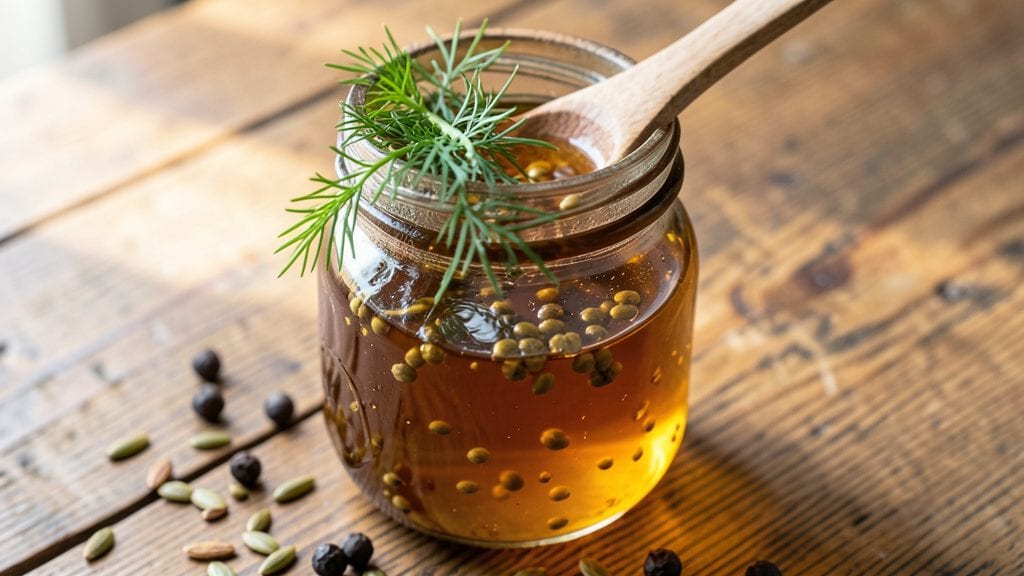
This sweet pickle brine recipe transforms simple pantry ingredients into a tangy, fermented solution perfect for pickling or dipping. The balance of sugar and vinegar creates that signature sweet-and-sour flavor, while spices like mustard seeds and dill add depth.
I developed this after inheriting my grandmother’s recipe journal—her notes warned about "the perfect ratio," and I finally cracked it.
The process is straightforward: boil vinegar, sugar, and spices until dissolved, then cool completely before using. This brine keeps for months in the fridge, making it ideal for preserving vegetables or adding flavor to dishes.
The sugar helps fermentation while preventing mold, and the vinegar ensures safety and tanginess. No special equipment needed—just a pot and patience.
What you’ll end up with is a versatile brine that enhances everything from pickles to grilled meats. The sweetness mellows over time, while the acidity sharpens flavors. Store it in sterilized jars, and you’ll have a pantry staple for years. Ready to make your own? Here’s how to start.
This recipe is foolproof for beginners but refined enough for experienced fermenters. The key is precision—measuring ingredients carefully ensures the right balance. Once you taste the first batch, you’ll never buy store-bought brine again. Let’s get fermenting!
Ingredients for sweet pickle brine
Nine simple ingredients transform into a tangy, fermented brine perfect for pickling or dipping.
| Ingredient | Amount | Notes |
|---|---|---|
| White Vinegar 💧 | 2 cups | Distilled, 5% acidity preferred |
| Granulated Sugar 🍚 | 1 ½ cups | White or light brown |
| Water 💧 | 2 cups | Filtered preferred |
| Mustard Seeds 🌶️ | 1 tbsp | Whole, yellow preferred |
| Dill Seeds 🌿 | 1 tbsp | Or 1 tbsp fresh dill |
| Black Peppercorns 🌶️ | 1 tsp | Crushed lightly |
| Bay Leaves 🌿 | 2 whole | Fresh or dried |
| Garlic Cloves 🧄 | 3 cloves | Smashed lightly |
| Salt 🧂 | 1 ½ tbsp | Diamond Crystal preferred |
| Red Pepper Flakes 🌶️ | ½ tsp | Optional for heat |
The vinegar is the backbone—Heinz or Maier's white vinegar are my go-tos, but any 5% acidity works. Sugar matters too: Domino or C&H granulated dissolves cleanly, while brown adds subtle depth. For spices, Penzeys or bulk bins have the freshest seeds. Mustard seeds should be yellow and plump, not dusty. Dill seeds keep longer than fresh, but if you've got fresh, use it—toss in a handful more. The garlic cloves? Smash them lightly with the side of your knife for flavor without bitterness. Bay leaves add aromatic complexity, but don't overdo it—two is perfect for this batch.
No mustard seeds? Substitute 1 tsp ground mustard, but the texture won't be the same. Short on dill? Tarragon or fennel seeds work in a pinch, but expect a different profile. The red pepper flakes are optional—skip 'em if you're sensitive to heat. For a quicker version, dissolve the sugar in warm water first, then mix with vinegar. The brine thickens as it cools, so don't worry if it looks runny at first. If you're fermenting, use sterilized jars with airlocks. For dipping, a clean mason jar works fine.
This brine keeps for 6-12 months in the fridge, but the flavor peaks after 2-3 weeks. Store in sterilized glass jars with tight lids. For pickling, use within 3 months for best texture. The sugar helps preserve, but always refrigerate. If it crystallizes, warm gently on the stove until smooth. I double this batch—one for pickles, one for grilled chicken marinades. The sweetness mellows over time, while the acidity keeps everything bright.
Why You'll Love This Recipe
- Pantry Magic: I swear by this brine—just five ingredients, no fancy tools. The sugar dissolves fast, the seeds sink right in, and you’re left with a jar of magic that tastes like summer in 10 minutes. Honestly, I’ve made it while waiting for coffee to brew.
- Sweet-Tart Balance: That first sip? Chef’s kiss. The vinegar’s sharpness gets softened by the sugar until it’s smooth, bright, and just sweet enough—like a grown-up version of candy. The mustard and dill seeds add a tiny crunch that makes it irresistible.
- Meal Prep MVP: This brine keeps for months in the fridge, so I batch it when I’m stocking up on pantry staples. Use it for quick pickles, drizzle it over grilled chicken, or toss it into sandwiches—it’s the secret weapon I always have on hand.
- Budget Brightener: White vinegar and sugar? Two dollars’ worth of flavor that outshines store-bought. I make gallons of it for under five bucks, and it turns boring meals into something special—no matter what’s in my fridge. (Yes, even on a Tuesday night.)
Step-by-step instructions for sweet pickle brine
Here's how to craft a perfectly balanced sweet pickle brine that preserves vibrant flavor and crisp texture.
Combine Vinegar, Sugar, and Water
In a medium saucepan, pour in the 2 cups of white vinegar and add the 1.5 cups of granulated sugar. Stir gently with a wooden spoon until the sugar fully dissolves - you'll see it disappear completely into the liquid. This creates the base syrup that will carry all your flavors.
Next, add the 2 cups of water and bring the mixture to a gentle boil over medium heat. Once boiling, reduce the heat to maintain a steady simmer for exactly 5 minutes. This brief cooking time ensures the sugar fully integrates and the liquid reaches the ideal temperature for preserving your pickles. Watch for small bubbles forming at the edges - this indicates the perfect simmer level.
Add Aromatics and Spices
While the liquid simmers, crush the 3 cloves of garlic lightly with the flat side of a knife - just enough to break the skins but leave them whole. Add these to the simmering mixture along with the 2 whole bay leaves, 1 tbsp of mustard seeds, 1 tbsp of dill seeds, and the 1 tsp of black peppercorns.
Let everything simmer together for an additional 3 minutes. You'll notice the bay leaves unfurl slightly and the spices begin to release their aromatic oils into the liquid. The mixture should take on a subtle golden hue and fill your kitchen with warm, earthy fragrances. This is where all the complex flavors develop - don't rush this step.
Incorporate Salt and Red Pepper Flakes
Remove the pan from heat and let the mixture cool slightly for 2 minutes. Using a fine-mesh strainer, carefully pour in the 1.5 tbsp of salt while stirring continuously. The salt will dissolve completely in the warm liquid, creating a perfectly balanced brine solution.
Add the 0.5 tsp of red pepper flakes and stir one final time. The mixture should now have a rich amber color with visible flecks of pepper and seeds. Taste a small amount - you should detect sweetness from the sugar, acidity from the vinegar, and subtle heat from the pepper flakes. If needed, adjust the heat level by adding a pinch more red pepper flakes.
Cool and Prepare for Pickling
Transfer the brine to a clean glass jar or non-reactive container using a fine-mesh strainer to catch any large spices. Let it cool completely at room temperature for at least 30 minutes, stirring occasionally. The brine should reach about 70°F before using - this ensures proper preservation without compromising texture.
Once cooled, your sweet pickle brine is ready to use. Pour it over your prepared vegetables in sterilized jars, ensuring they're completely submerged. Seal tightly and store in a cool, dark place for at least 24 hours before tasting. The longer it sits, the more flavor develops - but most pickles reach perfect tanginess within 3-5 days.
Pro Tips For Making Sweet Pickle Brine
- STIR WHILE HEATING: Boil the vinegar, sugar, and water together—then stir like you mean it. I learned this the hard way when I walked away for "just a minute" and came back to a grainy, lumpy mess. Keep it moving until the sugar fully dissolves, or your brine will taste like you rushed it.
- USE WHOLE SPICES: Skip the pre-ground seeds—mustard and dill seeds pack more flavor when whole. Crush them lightly with a mortar and pestle before adding, so they release their aroma without turning the brine bitter. (Yes, even if you’re impatient like me.)
- COOL BEFORE ADDING PICKLES: Let the brine cool to room temperature before submerging your pickles. Hot brine can soften them too fast, making them mushy instead of crisp. Patience here guarantees better texture—your future self will notice.
- DOUBLE THE DILL: Add twice the dill seeds called for if you want that bright, classic sweet pickle taste. I was skeptical until I tried it—now I never go back to the bare minimum. The extra seeds make all the difference in flavor depth.
Troubleshooting this recipe
Cloudy Brine Fix
If your brine looks cloudy after cooling, it’s likely from undissolved sugar or spices. Strain through a fine-mesh sieve lined with a cheesecloth to catch any particles. For a clearer brine, simmer the ingredients for an extra 2 minutes to fully dissolve everything.
I’ve found that using white vinegar (not apple cider) helps prevent cloudiness, as its higher acidity breaks down sugars more efficiently. 💧
Mold Prevention Tips
Mold can appear if your brine isn’t acidic enough. Ensure your vinegar is at least 5% acidity—check the label. Add 1 extra tbsp of vinegar if you’re unsure. Store brined vegetables in sterilized jars with tight lids, and keep them submerged in the liquid.
I always use Ball Mason jars for fermenting, as their airtight seals prevent contamination. If mold appears, discard the batch immediately—it’s not worth the risk. ⚠️
Overly Sweet or Sour?
If your brine tastes too sweet, add 1 extra tbsp of vinegar and let it sit overnight to balance. For a sourer taste, reduce sugar by ¼ cup** next time. I once made a batch that was way too sweet—my Nonna would’ve scolded me!
The key is tasting as you go. Adjust gradually, as flavors mellow over time. For a quicker fix, add a splash of lemon juice to brighten the acidity. 🍋
Spices Settling Too Fast
If spices sink too quickly, stir the brine gently every 12 hours while cooling. For a smoother texture, blend the cooled brine briefly in a countertop blender (no need to remove spices first). I’ve also seen success using a handheld immersion blender right in the jar.
If you’re fermenting, leave the spices in—they’ll infuse flavor over time. For dipping brines, strain them out for a cleaner finish. 🌿
Brine Too Thin?
A runny brine usually means the sugar didn’t fully dissolve. Simmer the mixture for 5-7 minutes next time to thicken it slightly. If it’s already cooled, reduce it by simmering uncovered for 10 minutes over low heat.
For a thicker brine, add 1 extra tbsp of sugar and stir until dissolved. I’ve used this trick for dipping brines—it clings better to fries or veggies. Just avoid boiling too hard, or the vinegar smell will overpower the sweetness. 🔥
Nutrition facts
Frequently asked questions
Can I use apple cider vinegar instead of white vinegar?
Apple cider vinegar works but may give a slightly milder, fruitier taste. For the classic sweet pickle flavor, stick with white vinegar—its higher acidity ensures better preservation and sharper tanginess. If you prefer apple cider, use it in a 1:1 ratio and add an extra ½ tsp of citric acid to boost preservation.
How long does homemade sweet pickle brine last?
Unopened, it keeps for 6-12 months in the fridge. Once opened, use within 3 months for pickling or 1 month for dipping. The sugar and vinegar combo acts as a natural preservative, but always refrigerate to prevent mold. I double batches—one for fermenting, one for marinades.
Can I adjust the sweetness level?
Reduce sugar by ¼ cup for less sweetness or add ½ cup more for a richer taste. For balance, adjust vinegar too—reduce by 1 tbsp if cutting sugar, or add 1 tbsp vinegar if increasing sugar. Taste as you go! My first batch was way too sweet—Nonna would’ve scolded me.
What can I use this brine for besides pickles?
This versatile brine doubles as a marinade for grilled chicken or tofu, a dip for fries or veggies, or even a glaze for roasted meats. For dipping, strain out spices first. The sweet-tangy flavor pairs perfectly with BBQ ribs, fried fish, or even ice cream sandwiches (trust me!). Store leftovers in the fridge for up to 2 weeks.
Why did my brine separate or get cloudy?
Cloudiness usually means undissolved sugar or spices. Strain through a cheesecloth to clarify it. For next time, simmer the mixture for 7 minutes total to ensure everything dissolves. Avoid apple cider vinegar—its lower acidity can cause cloudiness. If it separates, gently reheat and stir until smooth.