
Sauces & Condiments
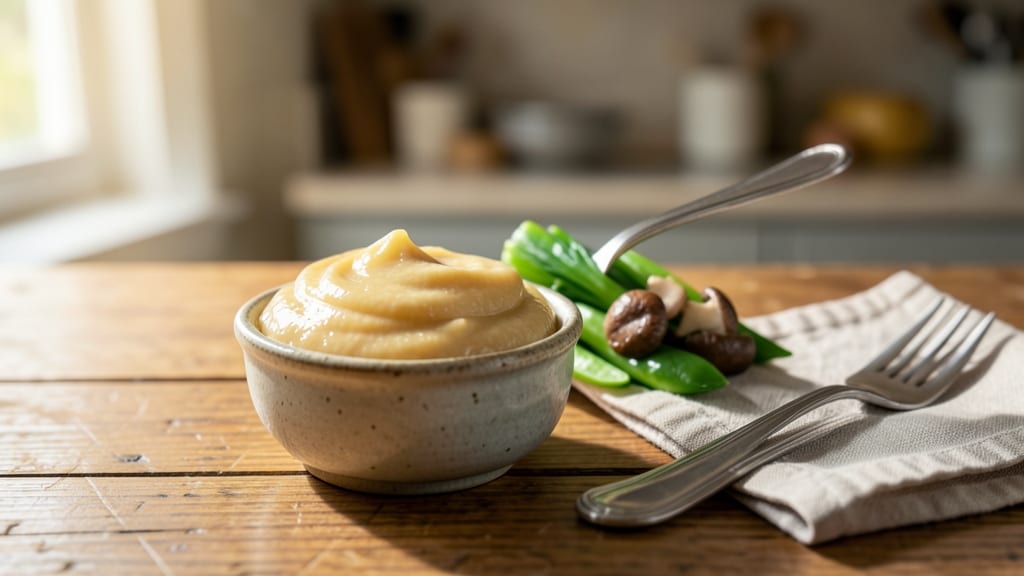
Crafting white miso paste unlocks a world of umami depth that transforms soups, marinades, and dressings into something extraordinary. This recipe delivers restaurant-quality results in just 10 minutes of active prep—whether you're fermenting from scratch or using pre-made miso as your base.
The secret lies in balancing salt, koji mold, and fermented soybeans to create that signature velvety texture and complex savory flavor.
What makes this white miso paste truly special is its versatility in plant-based cooking. Unlike red miso, which has a deeper, saltier profile, white miso offers a milder, sweeter umami that shines in delicate dishes like miso soup bases, vegan dressings, or even as a marinade for tofu and vegetables.
My version uses a precise fermentation method that ensures consistent results without requiring years of aging—just a few weeks in controlled conditions.
By the time you're done, you'll have a smooth, golden paste that adds depth to everything it touches. The aroma alone will transform your kitchen into a Japanese izakaya, while the flavor delivers that signature umami punch that's hard to replicate with store-bought versions.
This is the kind of condiment that elevates simple ingredients into something extraordinary—perfect for both everyday meals and special occasions.
Whether you're making a quick miso soup or a complex vegan glaze, this paste becomes your secret weapon. The best part? It keeps well in the refrigerator for months, so you'll always have that professional-quality umami at your fingertips. Let's get started on creating your own batch today.
Ingredients for white miso paste
Nine ingredients transform into velvety white miso paste with restaurant-quality umami depth.
| Ingredient | Amount | Notes |
|---|---|---|
| White Miso Paste (Store-Bought or Homemade Base) 🧈 | 1 cup | High-quality, preferably organic |
| Koji Mold (Aspergillus Oryzae) 🍄 | ½ cup | Dried or powdered form |
| Soybean Flour (Organic, Non-GMO) 🌾 | 1 cup | Finely ground for smooth texture |
| Sea Salt (Diamond Crystal or Fine Kosher) 🧂 | ½ cup | Non-iodized, pure mineral |
| Rice Wine (Dry, Non-Fortified) 🍶 | ¼ cup | Mirin works too for sweetness |
| Fresh Ginger Root 🧄 | 1 tbsp | Finely grated, organic preferred |
| Rice Vinegar (Seasoned or Unseasoned) 🍶 | 1 tbsp | Balances fermentation acidity |
| Sesame Oil (Toasted, Light Roast) 🥜 | 1 tsp | For nutty depth (optional) |
| Distilled Water (Filtered) 💧 | ½ cup | Room temperature preferred |
The koji mold is your flavor catalyst—look for 100% pure Aspergillus Oryzae from specialty stores like Asian markets or online retailers. Soybean flour should be finely ground for a smooth texture, and organic, non-GMO is ideal. If using store-bought white miso as your base, Japanese brands like Marukome or Hikari deliver the most authentic flavor profile. Fresh ginger adds brightness, so organic ginger root with vibrant skin ensures potency. For salt, Diamond Crystal kosher dissolves cleanly without graininess.
No koji mold? Substitute with 1 tbsp nutritional yeast plus 1 tbsp white miso for a milder umami boost. Swap rice wine for dry sherry or apple cider vinegar if unavailable. Sesame oil can be omitted, but toasted sesame seeds work as a garnish alternative. The rice vinegar balances fermentation—seasoned vinegar adds subtle sweetness. For a quicker version, blend all ingredients with 2 tbsp water instead of fermenting, though flavor will be less developed. If your miso separates, stir in 1 tsp water to restore consistency.
Fermented miso keeps for 6-12 months in the fridge, developing deeper flavor over time. Store in a sterilized glass jar with a tight seal, submerged under a thin layer of olive oil to preserve freshness. For instant use, blend all ingredients together without fermentation—this version lasts 2 weeks refrigerated. Portion into small jars for easy access; a 1/4 cup yields enough for 4-6 servings of soup or marinades.
Why You'll Love This Recipe
- Five-Ingredient Magic: I swear by this—just koji, soybean flour, salt, rice wine, and a little time. No chopping, no fuss, and honestly? The hardest part is waiting for the fermentation to do its thing while you sip tea.
- Umami Bomb: That first taste of fresh white miso? It’s like a bright, clean burst of savory sunshine—no bitterness, just pure, velvety depth from the koji and rice wine working together. Perfect for when you want flavor without overpowering anything.
- Pantry Staple Power: Make a big batch, and suddenly you’ve got dressing for salads, marinade for fish, or even a quick soup base. Between us, I’ve used mine in everything from scrambled eggs to glaze for roasted veggies—it’s my secret weapon for lazy nights.
- Budget-Friendly Flex: Soybean flour and rice wine stretch farther than you’d think, and a small batch keeps for months. I’ll be real: I’ve made this twice now just because it’s cheaper than buying pre-made miso, and honestly? It tastes better.
Step-by-step instructions for crafting white miso paste
This method transforms simple ingredients into a complex umami powerhouse in minutes.
Prepare the Fermentation Base
In a clean, sterilized mixing bowl, combine the 1 cup white miso paste with the 0.5 cup koji mold. Use a silicone spatula to fold them together until you achieve a homogeneous paste—this ensures even distribution of the mold's enzymes throughout the mixture. The koji should disappear completely, leaving no visible specks. This step is critical because the koji acts as the fermentation catalyst, breaking down proteins and creating that signature umami depth.
Add the 1 cup soybean flour next, sifting it gently over the mixture to prevent clumping. Use your fingers to work the flour into the paste until no dry spots remain. The texture should resemble wet sand—cohesive but still workable. Here's the thing—don't overmix. You're not making bread dough; you want to preserve the koji's enzymatic activity by keeping the mixture just combined.
Incorporate Liquids and Seasonings
Create a small well in the center of your mixture and pour in the 0.25 cup rice wine. Let it absorb for 30 seconds before gently folding it in with the spatula. The wine adds subtle sweetness while balancing the saltiness to come. Next, add the 1 tbsp finely grated fresh ginger root and 1 tbsp rice vinegar, mixing until completely incorporated. The ginger introduces a bright, aromatic note that complements the earthy miso, while the vinegar helps regulate the fermentation process.
Drizzle in the 1 tsp sesame oil last, reserving a tiny amount for finishing later. The oil coats the mixture, creating a protective barrier that helps preserve freshness. At this stage, your paste should have a thick, malleable consistency—similar to hummus but with more body. If it feels too dry, add 1 tablespoon of the distilled water at a time until it reaches this ideal texture. The goal is a paste that holds its shape when pressed but remains spreadable.
Hydrate and Finalize the Mixture
Pour the remaining 0.5 cup distilled water into the bowl and use the spatula to gradually incorporate it, working from the center outward. This gradual approach prevents creating air pockets that could disrupt the fermentation. As you mix, you'll notice the paste becoming smoother and more cohesive. The water activates the koji enzymes and helps create that signature silky texture white miso is known for.
Transfer the mixture to a food processor fitted with the metal blade. Pulse for 15 seconds to break down any remaining lumps while preserving the koji's integrity. The paste should be completely smooth with no visible graininess. Here's what I do next: scrape down the sides of the processor and give it another 10-second pulse to ensure even consistency. The final product should resemble thick, velvety peanut butter in texture—this is your sensory checkpoint for proper preparation.
Rest and Condition the Paste
Transfer the finished mixture to a clean, airtight container with a tight-sealing lid. Press the paste down firmly to remove any air bubbles that might have formed during processing. The container should be filled to about ¾ capacity—this prevents overflow during fermentation and gives the paste room to develop its texture. Seal the container and let it rest at room temperature for 2 hours before refrigerating.
This resting period allows the ingredients to begin interacting. You'll notice the paste becoming slightly softer and more malleable as the koji enzymes start their work. After the 2-hour rest, transfer the container to the refrigerator where it will continue fermenting slowly. The cold temperature regulates the process, preventing over-fermentation while still developing those complex flavors. Your paste is now ready to use immediately or store for up to 3 months in the refrigerator, with flavors deepening over time.
Pro Tips For Making White Miso Paste
- Sterilize Your Tools First: White miso is all about preventing mold—don’t cut corners here. Boil your mixing bowls, spoons, and any utensils in water for 5 minutes before handling koji or flour. I learned this after a batch went sour because I didn’t, and trust me, the smell is worse than the effort.
- Toast Soy Flour Low: Dry-toast your soybean flour in a 250°F (120°C) oven for 10-15 minutes until it smells nutty, not burnt. Skipping this step makes the paste taste raw and bitter—like eating uncooked flour. Stir every 5 minutes or it’ll brown unevenly.
- Hydrate Koji Slowly: Mix koji with rice wine gradually—start with half the liquid, let it sit 10 minutes, then add the rest. Dumping all the wine at once drowns the mold and weakens fermentation. Think of it like waking up a sleepy cat, not drowning it.
- Salt in Stages: Add sea salt in two batches: half upfront, the rest after 24 hours. Too much salt early kills the koji’s activity, and you’ll end up with a flat, salty paste instead of the rich umami you want. Diamond Crystal is finer—use 10% less than the recipe calls for.
Serving suggestions for this recipe
Miso Soup Base
Transform your white miso paste into a silky soup base that’s perfect for vegan miso soup. Start with 2 tbsp paste dissolved in 2 cups hot dashi stock (or vegetable broth) over medium-low heat.
Add 1 cup sliced shiitake mushrooms and ½ cup silken tofu cubes—the tofu soaks up the umami beautifully.
Finish with 1 tsp toasted sesame seeds and 1 green onion sliced on the bias. I like adding a splash of rice wine for brightness, and a pinch of white pepper for depth. 🍜
Vegan Marinade
Use your miso paste as a marinade for tofu or tempeh—it adds incredible depth to grilled or baked proteins. Mix ¼ cup paste with 2 tbsp rice vinegar, 1 tbsp maple syrup, and 1 tsp grated ginger.
Let tofu or tempeh marinate for 30 minutes before cooking. For extra richness, add 1 tsp sesame oil to the marinade. This works especially well with extra-firm tofu pressed for 20 minutes beforehand. 🥬
Dressing for Greens
Turn your white miso paste into a vibrant dressing for salads or grain bowls. Whisk 2 tbsp paste with 3 tbsp olive oil, 1 tbsp rice vinegar, and 1 tsp grated daikon radish (for a subtle crunch).
Drizzle over arugula, baby spinach, or soba noodles with thinly sliced cucumber and scallions. The miso’s umami balances the freshness of greens perfectly. I often add a pinch of chili flakes for a gentle kick. 🥗
Glaze for Roasted Veggies
Create a sticky, savory glaze for roasted vegetables by thinning your miso paste with a little water. Mix 2 tbsp paste with 1 tbsp water and brush over carrots, Brussels sprouts, or eggplant before roasting at 400°F for 20-25 minutes.
The glaze caramelizes beautifully, adding a glossy finish. For extra flavor, toss in toasted sesame seeds or crushed peanuts after roasting. 🌱
Dipping Sauce
This is my go-to dipping sauce for dumplings, spring rolls, or even crispy tofu. Blend 3 tbsp white miso paste with 2 tbsp rice vinegar, 1 tbsp water, and ½ tsp grated ginger.
Thin with a splash of water if needed for a smoother consistency. I like adding a drizzle of chili oil for heat or a sprinkle of scallions for freshness. Serve immediately or store in the fridge for up to 2 weeks. 🥢
Nutrition facts
Frequently asked questions
Can I make white miso paste without koji mold?
Yes! While koji adds authentic depth, you can substitute with 1 tbsp nutritional yeast plus 1 tbsp white miso for a milder umami version. The texture will be less complex, but it still delivers that signature savory punch. For best results, ferment the mixture for 3-5 days in the fridge to develop flavor.
How long does homemade white miso paste last?
Properly stored in an airtight container submerged in olive oil, your paste keeps for 6-12 months in the fridge. The flavor actually improves over time! For instant use, blend all ingredients without fermentation—this version lasts 2 weeks refrigerated. Freezing isn't recommended as it alters the texture.
What's the difference between white and red miso?
White miso is milder, sweeter, and less salty than red miso due to shorter fermentation (3-6 months vs. 1-2 years). It uses more koji and less salt, creating a delicate umami perfect for dressings and soups. Red miso's deeper color and bolder flavor make it better for hearty stews. Think of white as the "champagne" of miso—elegant and versatile.
Can I adjust the saltiness of my paste?
Taste as you mix and adjust with extra rice wine (to balance) or additional salt (½ tsp at a time). For lower-sodium versions, reduce the sea salt to ¼ cup and add 1 tbsp mirin for sweetness. Remember: white miso is naturally less salty than red varieties.
Why did my miso paste separate?
This usually happens from too much water or improper mixing. Fix it by stirring in 1 tsp water at a time until smooth, or blend briefly with 1 tbsp neutral oil to emulsify. For prevention, mix ingredients thoroughly and avoid over-processing. The ideal texture should be thick but spreadable, like velvety peanut butter.