
Side Dishes
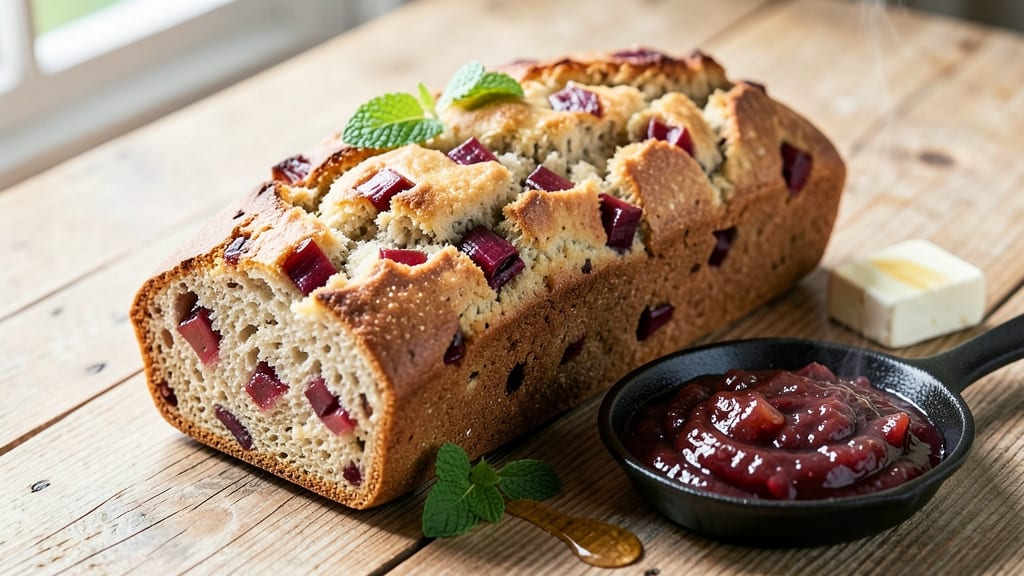
This Amish rhubarb bread recipe delivers the perfect balance of sweet-tart flavor and buttery crust that makes it a beloved staple at family gatherings. The traditional method of swirling fresh rhubarb into a tender loaf creates those signature pockets of tangy fruit that disappear with every bite.
I first made this recipe during a spring harvest when my grandmother shared her secret for achieving the ideal texture—light, fluffy, and just slightly crisp at the edges.
The beauty of this recipe lies in its simplicity, requiring just a handful of ingredients that work together to create something truly special. Fresh rhubarb provides that signature tartness, while a touch of cinnamon and nutmeg adds warmth that complements the fruit perfectly.
The dough rises naturally, developing that signature Amish bread flavor without needing yeast or complicated techniques. What you end up with is a loaf that smells like home baking, with a golden crust that cracks beautifully when sliced.
This bread is incredibly versatile—serve it warm with butter straight from the oven, or pair it with jam for breakfast the next morning. The sweet-tart swirls cut through rich flavors, making it an excellent companion to cheeses, cold cuts, or even as a dessert when drizzled with honey.
The recipe yields two loaves, perfect for sharing or freezing for later.
What sets this apart is the way the rhubarb transforms from a slightly bitter vegetable into a sweet-tart addition that enhances rather than overpowers the bread. The key is using ripe rhubarb and cutting it into small pieces so it distributes evenly throughout the dough.
Once baked, the rhubarb softens just enough to create those irresistible pockets of flavor in every slice.
Ingredients for amish rhubarb bread
A handful of ingredients transform into two fragrant loaves with pockets of sweet-tart rhubarb.
| Ingredient | Amount | Notes |
|---|---|---|
| All-Purpose Flour 🌾 | 6 cups | Unbleached preferred for texture |
| Granulated Sugar 🍚 | ¾ cup | White or light brown |
| Unsalted Butter 🧈 | 1 cup | Cold, cubed for dough |
| Fresh Rhubarb 🍓 | 3 cups | Chopped into small pieces |
| Large Eggs 🥚 | 2 whole | Room temperature |
| Milk 🥛 | 1 cup | Whole milk preferred |
| Ground Cinnamon 🌿 | 2 tsp | Freshly ground preferred |
| Ground Nutmeg 🌿 | ½ tsp | Freshly grated nutmeg |
| Salt 🧂 | 1 tsp | Kosher or sea salt |
| Baking Powder 🍞 | 1 tbsp | Aluminum-free preferred |
| Vanilla Extract 🍯 | 1 tsp | Pure vanilla preferred |
| Turbinado Sugar 🍚 | ¼ cup | For topping, coarse texture |
The rhubarb is non-negotiable—it must be fresh and ripe with vibrant pink or red stalks. Local farmers markets in spring are ideal, but grocery store rhubarb works if it's firm and free of sliminess. Chop it into small, even pieces (about 1/4-inch) so it distributes smoothly through the dough. The flour should be unbleached all-purpose—bread flour makes this too dense. For the butter, European-style (like Plugrá) adds more flavor, but any good-quality unsalted works. The cinnamon and nutmeg should be freshly ground—pre-ground spices lose potency quickly, especially nutmeg, which is crucial for that warm depth.
No fresh rhubarb? Frozen rhubarb works—thaw and drain well before chopping. Swapping sugar? Light brown sugar adds subtle molasses notes, but white is traditional. Running short on vanilla? Almond extract at half the amount gives a similar floral touch. The milk can be any whole-milk dairy—oat or almond milk will alter the texture slightly. For the topping, turbinado sugar gives that classic crunch, but raw sugar works in a pinch. The dough should be soft but not sticky—add 1 tbsp more flour if needed, but don’t overdo it or the bread will dry out. Room-temperature ingredients are key for even mixing.
This dough rises best at room temperature for 1-2 hours before baking—don’t rush it. Once baked, let the loaves cool completely on a wire rack (at least 1 hour) to prevent soggy bottoms. Store wrapped at room temperature for 2 days or freeze for up to 3 months. For reheating, wrap cooled slices in foil and warm at 350°F for 5-10 minutes. The rhubarb swirls soften over time, so bake and serve fresh for the best texture. Leftovers? Toast them—butter and jam make everything better.
Why You'll Love This Recipe
- No Chopping Needed: I’ll be real—this bread only needs you to mash the rhubarb, not dice it into oblivion. That tart, jammy texture comes from a quick pulse in the food processor, and honestly? It’s the kind of prep that makes you want to bake again.
- Sweet-Tart Magic: The rhubarb’s bright acidity cuts through the buttery richness of the bread, like a hug for your taste buds. (Yes, even on a Tuesday night.) The sugar caramelizes just enough to give it that almost cake-like crunch on top—no one will guess it’s basically a loaf of dessert.
- Breakfast or Snack Fix: Slice it thick for a buttery toast with jam, or serve it cold with peanut butter for a picnic-worthy treat. It’s the kind of bread that works as hard as you do—whether you’re feeding a crowd or just craving something simple.
- Lasts All Week: A single loaf keeps beautifully for days, and the flavor actually improves as it stales slightly. Between us, I’ve reheated slices in the oven until golden and called it “artisanal” to my kids—no one’s the wiser. Budget-friendly? More like steal-worthy.
Step-by-step instructions for Amish rhubarb bread
This method delivers a tender crumb with perfect sweet-tart swirls and a golden crust every time.
Prepare the Rhubarb Filling
In a medium saucepan, combine the 3 cups fresh rhubarb with the 0.75 cup granulated sugar. Cook over medium heat for 8-10 minutes until the rhubarb softens and releases its juices, forming a thick, jam-like consistency. You'll know it's ready when the mixture darkens slightly and smells intensely fruity.
Remove from heat and let cool completely. This cooling step prevents steam from developing in your oven, which could make the bread dough soggy. While the filling cools, prepare your mixing bowls and measuring tools to maintain an efficient workflow.
Mix the Dough Ingredients
In a large mixing bowl, cream together the 1 cup unsalted butter (softened) and the remaining 0.75 cup granulated sugar until light and fluffy, about 3-4 minutes using an electric mixer. This step incorporates air, which creates the bread's signature tender crumb.
Add the 2 whole large eggs one at a time, mixing well after each addition. Stir in the 1 cup milk, 1 tsp vanilla extract, 1 tsp salt, and 1 tbsp baking powder. In a separate bowl, whisk together the 6 cups all-purpose flour, 2 tsp ground cinnamon, and 0.5 tsp ground nutmeg. Gradually add the dry ingredients to the wet mixture, mixing just until combined.
Combine and Swirl the Dough
Transfer half of the dough to a lightly greased 9x5-inch loaf pan. Spread the cooled rhubarb filling evenly over the dough. Drop the remaining dough on top and gently press down to create a smooth surface. Use a butter knife to create 4-5 vertical swirls through the dough, ensuring the filling is evenly distributed.
Sprinkle the 0.25 cup turbinado sugar evenly over the top. This step creates the signature crunchy crust and adds subtle caramel notes as it bakes. Cover the pan loosely with plastic wrap and let the dough rest at room temperature for 30 minutes. This brief rest helps the filling settle and prevents excessive spreading during baking.
Bake to Golden Perfection
Preheat your oven to 350°F. Bake the bread for 50-55 minutes until the top is deep golden brown and a toothpick inserted into the center comes out clean. The bread should smell richly sweet with a hint of tart rhubarb aroma.
Remove from the oven and let cool in the pan for 10 minutes before transferring to a wire rack. This cooling period allows the bread to set properly and prevents a gummy texture. Serve warm for the best experience—each slice will reveal those beautiful swirls of jammy rhubarb filling throughout the tender crumb.
Pro Tips For Making Amish Rhubarb Bread
- Pre-Cook the Rhubarb: Chop it into ½-inch chunks, toss with 1 tablespoon sugar, and simmer in a saucepan for 5 minutes before adding to the batter. This softens the texture and cuts down on baking time—no more tough, undercooked rhubarb chunks in the middle of your loaf.
- Cream Butter Cold: Take the butter straight from the fridge and beat it with the sugar until it’s light but still holds shape—like a thick ribbon when you lift the beaters. I learned this the hard way: room-temperature butter makes the bread dense, and nobody wants a brick disguised as dessert.
- Skip the Overmixing: Once the flour hits the wet ingredients, stop folding after 10 strokes. Overmixing develops the gluten and turns your tender rhubarb bread into a chewy loaf. Just until combined—no need to turn it into a science project.
- Test for Doneness Early: Start checking at 45 minutes with a toothpick. If it comes out clean but the top still looks underdone, tent it with foil and let it sit for 10 minutes—this prevents a cracked crust while the center finishes cooking. (Yes, even if you’re impatient like me.)
Essential equipment for amish rhubarb bread
Mixing Essentials
Your stand mixer is a game-changer for this recipe—I use my KitchenAid Artisan Series with the paddle attachment for creaming butter and sugar. The paddle prevents overmixing, which keeps the bread tender.
For smaller batches, a hand mixer works fine, but avoid overworking the dough or it’ll turn tough. A medium mixing bowl (5-quart capacity) holds everything comfortably without spills. 💡
Baking Tools
A 9x5-inch loaf pan is non-negotiable for the classic shape, but I recommend Wilton’s nonstick bakeware—it releases easily without greasing. Line the pan with parchment paper for foolproof removal. For the rhubarb filling, a medium saucepan with medium heat control is essential.
I use All-Clad stainless steel for even heating. A toothpick becomes your baking test tool—insert it into the center to check doneness. ✨
Measuring Precision
Accurate measurements matter here. Use a digital kitchen scale for butter and flour—1 cup all-purpose flour weighs about 125 grams, but scooping can vary. For the rhubarb, a sharp chef’s knife and cutting board make quick work of chopping.
A fine-mesh strainer helps remove any tough rhubarb strings if needed. Don’t skimp on measuring spoons for spices—the 2 tsp cinnamon and ½ tsp nutmeg make all the difference in flavor. 🌿
Optional Upgrades
For a professional touch, invest in a dough scraper to handle sticky dough without tearing. A wire cooling rack prevents soggy bottoms while the bread sets. If you love texture, a mesh sprinkle helps distribute the turbinado sugar evenly.
For storage, vacuum-seal bags extend freshness—this bread stays moist for weeks in the freezer. 💪
Budget-Friendly Swaps
No stand mixer? A wooden spoon works for mixing by hand—just be patient. Skip the scale? Use spoon-and-level measuring cups for flour (tap to settle). A nonstick spray replaces butter for greasing pans.
For the rhubarb filling, a small pot with a wooden spoon suffices. The key is attention to detail, not expensive tools. 💛
Nutrition facts
Frequently asked questions
Can I substitute rhubarb in this recipe?
Fresh rhubarb is essential for that signature Amish flavor, but you can use frozen rhubarb in a pinch. Thaw and drain it well before chopping. For a different twist, try fresh strawberries (about 2 cups) or blueberries (about 1.5 cups), though the texture will be slightly different. The fruit should be cooked down to a thick consistency before mixing with the dough.
How do I know when the rhubarb filling is ready?
The rhubarb filling is done when it softens and releases its juices, forming a thick, jam-like consistency after 8-10 minutes of cooking. It should smell intensely fruity and darken slightly in color. Let it cool completely before mixing with the dough to prevent steam from making the bread soggy.
Why did my Amish rhubarb bread turn out dense?
Overmixing the dough or using too much flour are common culprits. Mix just until combined to avoid developing gluten. Also, ensure your butter and eggs are at room temperature—cold ingredients can make the bread dense. Another tip: don’t skip the 30-minute rest before baking, as it helps the dough relax and rise properly.
Can I make this recipe without a stand mixer?
Use a wooden spoon or hand mixer for creaming butter and sugar. Mix by hand for 5-7 minutes until light and fluffy. Just be patient—avoid overworking the dough or it’ll turn tough. A medium mixing bowl and elbow grease will get the job done.
How long will this bread keep, and can I freeze it?
Store wrapped at room temperature for up to 2 days or refrigerate for 5 days. For longer storage, freeze the cooled loaves in an airtight container or vacuum-seal bags for up to 3 months. To reheat, wrap slices in foil and warm at 350°F for 5-10 minutes. The rhubarb swirls soften over time, so enjoy fresh for the best texture!