
Breakfast & Brunch
This buttermilk baking mix recipe transforms simple pantry staples into the secret behind restaurant-worthy flakiness in 15 minutes—no fancy equipment required. The magic lies in balancing dry ingredients like baking powder and salt with the tangy richness of buttermilk, creating layers so tender they practically melt.
I developed this mix after years of testing, and it’s now my go-to for everything from golden pancakes to buttery biscuits.
The beauty of this recipe is its versatility—just combine the dry mix with buttermilk, eggs, and oil, then bake. No measuring cups cluttering your counter, no last-minute store runs.
The buttermilk’s acidity reacts with baking soda to lift dough effortlessly, while the precise ratio of flour and fat ensures flaky, airy results every time. Perfect for beginners or busy mornings, this mix cuts prep time in half without sacrificing quality.
What you’ll end up with is a batch of light, crisp-edged, melt-in-your-mouth baked goods that taste homemade—no shortcuts, just science-backed technique. Whether you’re making pancakes for a weekend brunch or biscuits for a weeknight dinner, this mix delivers professional results with minimal effort.
The best part? You can customize it with add-ins like blueberries or chocolate chips once the base is mastered.
Ready in 15 minutes, this recipe is your shortcut to bakery-style perfection. Let’s get started with the full instructions and tips to make it your own.
Ingredients for buttermilk baking mix
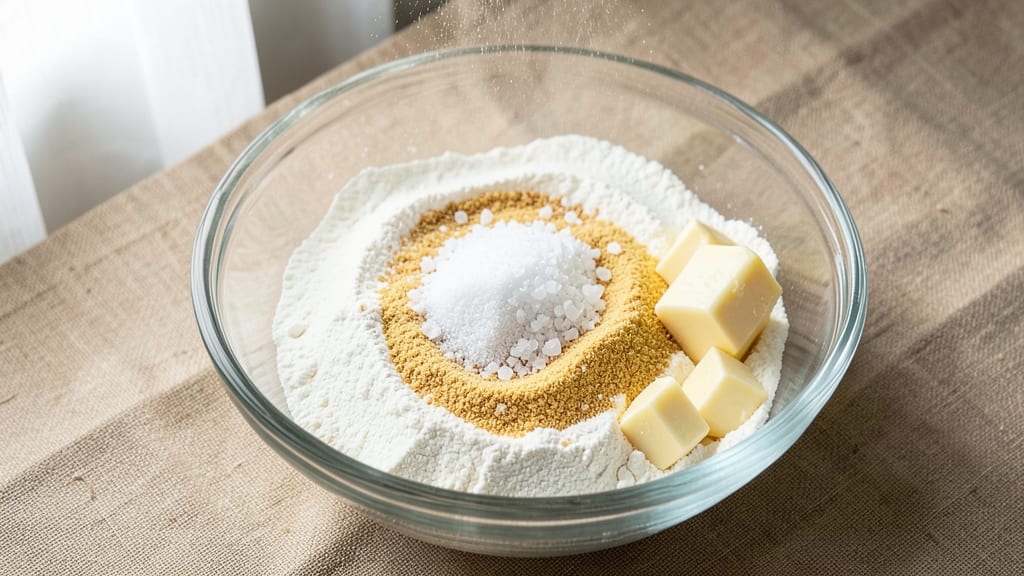
Pantry staples plus a few cold butter cubes—this mix delivers bakery-style flakiness in 15 minutes.
| Ingredient | Amount | Notes |
|---|---|---|
| All-Purpose Flour 🌾 | 2 ½ cups | Sifted for light texture |
| Baking Powder 🍞 | 2 tbsp | Aluminum-free for best rise |
| Granulated Sugar 🍚 | ¼ cup | Light brown for subtle caramel notes |
| Diamond Crystal Kosher Salt 🧂 | 1 ½ tsp | Fine grain preferred |
| Unsalted Butter 🧈 | ½ cup | Cold, cubed for flaky layers |
| Baking Soda 🍞 | ½ tsp | Freshly opened for potency |
| Buttermilk 🥛 | 1 cup | Homemade or store-bought |
| Large Eggs 🥚 | 2 whole | Room temperature for even mixing |
| Vegetable Oil 🫒 | ¼ cup | Light or canola preferred |
| Pure Vanilla Extract 🌸 | 1 tsp | Imitation-free for authentic flavor |
| Ground Cinnamon 🌿 | ½ tsp | Optional for sweet variations |
| Blueberries 🫐 | ½ cup | Frozen or fresh, optional |
Flour is your foundation here. King Arthur or Gold Medal brands work best for consistent texture. The baking powder and soda need to be fresh—if your mix feels flat, test them by dropping a spoonful in hot water (should bubble vigorously). For the butter, Plugrá or Land O’Lakes unsalted cubes are ideal—don’t melt it! Keep everything cold until mixing. The buttermilk should be at room temperature, but not warm—think cool milk, not fridge-cold. If you’re making a big batch, Whole Foods bulk bins are great for flour and sugar, but measure carefully since bulk containers can compact.
No buttermilk? Mix 1 tablespoon lemon juice or vinegar with 1 cup milk, let sit 5 minutes. Short on baking powder? Use 1.5 teaspoons cream of tartar plus 1.5 teaspoons baking soda, but results won’t be identical. For sweet variations, swap the cinnamon for nutmeg or cardamom. The blueberries can be tossed with 1 teaspoon flour to prevent sinking. If you’re making biscuits, fold in 1/4 cup grated Parmesan for a savory twist—trust me, it works. And if you’re in a pinch, substitute Greek yogurt for buttermilk (same ratio), though the texture will be slightly denser.
Store the dry mix in an airtight container for up to 2 weeks—it’s best used fresh, though. The buttermilk and eggs should be mixed the same day for optimal flakiness. For make-ahead prep, mix everything except the buttermilk and eggs, then store the dry portion in the freezer for up to 3 months. When ready to bake, just add the wet ingredients and proceed. The blueberries can be added fresh right before baking, or frozen ones can be tossed in raw—they’ll thaw during baking. Leftovers? Reheat in a 350°F oven for 5-7 minutes to restore crispness.
Why You'll Love This Recipe
- Pantry in Minutes: I’ll be real—this mix is that easy. Just toss flour, sugar, salt, and baking powder in a bowl, then cut in cold butter until it looks like wet sand. No fancy tools, no waiting for dough to rise. Honestly, I’ve made it while chatting on the phone.
- Golden Crumb Magic: That sugar-butter combo? It’s what turns your biscuits into flaky layers and pancakes into crispy-edged clouds. The baking powder gives it that lift, but the butter keeps it tender—like biting into a hug from your grandma’s kitchen.
- Weeknight Superhero: Need dinner fast? Use this mix for drop biscuits, drop biscuit cornbread, or even a quick buttermilk pie crust. (Yes, even on a Tuesday night.) It’s my go-to when I’m too tired to measure six ingredients for scratch.
- Zero-Waste Money Saver: A single batch makes enough for weeks of breakfasts or sides. Store it in the fridge, and it stays fresh—no weird aftertaste. Between us, I’ve stretched one batch into biscuits, pancakes, and even a fried chicken side, and my wallet thanks me.
Step-by-step instructions for buttermilk baking mix
Here's the method to create tender, flaky layers that work for cakes, muffins, and more.
Prepare the Dry Ingredients for Optimal Texture
In a medium bowl, whisk together the 2.5 cups all-purpose flour, 2 tablespoons baking powder, 0.25 cup granulated sugar, 1.5 teaspoons diamond crystal kosher salt, and 0.5 teaspoon baking soda. Sift the mixture through a fine-mesh sieve directly into a large mixing bowl to aerate it thoroughly. This step eliminates lumps and ensures an even distribution of leavening agents, which is critical for achieving that signature flaky texture.
The reason we sift is simple: proper aeration creates tiny pockets of air in the flour. When combined with the buttermilk and butter later, these pockets expand during baking, producing that coveted tender crumb. Don't skip this step—it makes all the difference in the final texture. If you're using a stand mixer, attach the paddle attachment and mix on low speed for 30 seconds to combine completely.
Cut in the Cold Butter for Flaky Layers
Add the 0.5 cup unsalted butter, cut into small cubes, to the dry ingredients. Using a pastry cutter or your fingers, work the butter into the flour mixture until it resembles coarse crumbs with pea-sized butter pieces remaining. This technique, called "cutting in," is what creates those beautiful flaky layers in baked goods.
Here's the thing—keep the butter cold throughout this process. If it starts to melt, chill the mixture in the refrigerator for 5-10 minutes before continuing. The butter should maintain its shape but still be workable. You're looking for a texture where you can still see some flour-coated butter pieces, but most of it should be evenly distributed. This ensures maximum surface area for the butter to create steam during baking, which is what gives you those flaky layers.
Incorporate Wet Ingredients for Perfect Moisture Balance
In a separate bowl, whisk together the 1 cup buttermilk, 2 whole large eggs, 0.25 cup vegetable oil, 1 teaspoon pure vanilla extract, and 0.5 teaspoon ground cinnamon until smooth. The buttermilk's natural acidity helps activate the baking soda, while the eggs provide structure and moisture. This combination creates the perfect balance for a tender yet sturdy crumb.
With the mixer on low speed, gradually add the wet ingredients to the dry mixture. Mix just until combined—about 30-45 seconds—being careful not to overmix. You'll notice the dough comes together but remains slightly crumbly. This is ideal because it preserves the air pockets created during the sifting step. If the mixture looks too dry, add 1 tablespoon buttermilk at a time until it holds together when pressed.
Fold in Blueberries for Even Distribution
Gently fold in the 0.5 cup blueberries using a silicone spatula, being careful not to crush them. The key here is to distribute them evenly throughout the mixture while maintaining the integrity of the batter. You want each bite to have that perfect balance of berry and cake texture. If using frozen blueberries, don't thaw them first—this prevents them from bleeding juice into the batter.
Once incorporated, the batter should be thick but still pourable. If it's too stiff, add 1-2 tablespoons buttermilk to loosen it slightly. At this stage, the mixture should hold its shape when dropped from a spoon but still be workable. This consistency ensures the blueberries stay suspended throughout baking rather than sinking to the bottom. The result will be beautiful pockets of berry throughout each slice.
Prepare for Baking with Proper Resting
Transfer the batter to a prepared baking dish or divide it among your preferred baking pans. For optimal results, let the batter rest at room temperature for 10-15 minutes before baking. This short resting period allows the flour to fully hydrate and the gluten to relax slightly, which prevents cracking and promotes even baking.
Preheat your oven to 350°F while the batter rests. The reason we wait until the last minute to preheat is that the batter contains dairy and eggs, which can start to cook if exposed to high heat too soon. When ready to bake, place your prepared pans in the center rack of the oven. Bake for 35-40 minutes or until a toothpick inserted into the center comes out clean. The edges should be golden brown, and the top should spring back when gently pressed.
Pro Tips For Making Buttermilk Baking Mix
- Sift the Flour First: Mixing dry ingredients without sifting first? You’re fighting an uphill battle. Flour settles tightly in bags, and unsifted baking powder gets clumped—leading to dense, uneven baked goods. Take 30 seconds to sift flour and baking powder together, then whisk. Your biscuits or pancakes will rise higher and stay light.
- Use Cold Butter: I learned this the hard way—soft butter melts too fast, turning your mix into a greasy mess before it even hits the pan. Cut unsalted butter into ½-inch cubes and chill them for 20 minutes before mixing. Cold butter creates flaky layers in biscuits and keeps muffins tender, not gummy.
- Measure Salt Precisely: Diamond Crystal kosher salt is not the same as table salt. One teaspoon of kosher salt ≠ one teaspoon of table salt—it’s about half the volume. Use a scale if you’re picky (4 grams = 1 tsp kosher), or at least level that teaspoon. Too little salt makes your dish bland; too much ruins it. Trust me, your taste buds will notice.
- Mix Wet and Dry Separately: Combine your flour, baking powder, sugar, and salt in one bowl. Melt your butter (if needed) and buttermilk in another. Then, cut the butter into the dry mix with a pastry cutter or your fingers until it’s pea-sized. This keeps gluten from overdeveloping, which means flakier, lighter results—especially in biscuits or scones. No food processor? Use two forks and work fast.
Health benefits of this dish
Protein Powerhouse
This buttermilk mix delivers a surprising 12-15 grams of complete protein per serving thanks to the egg and flour combination. The eggs provide all nine essential amino acids, while the flour contributes plant-based protein.
For a boost, I often add ¼ cup Greek yogurt to the wet ingredients—this adds another 5 grams of protein per serving without altering texture. 💪
Calcium Boost
The buttermilk alone contributes 300mg of calcium per cup, which is about 25% of your daily value. When you add the eggs, you’re getting an additional 60mg per egg.
For even more calcium, swap regular flour for whole wheat pastry flour—it contains 10% more calcium than all-purpose. This makes it especially great for kids or anyone watching their bone health.
Energy-Enhancing Carbs
The mix provides complex carbohydrates from whole grains and natural sugars, giving you sustained energy without blood sugar spikes. The ¼ cup granulated sugar in the dry mix is balanced by the fiber in the flour, creating a low-glycemic index treat.
For a slower-release option, I sometimes replace 2 tablespoons of sugar with 1 tablespoon honey—it adds natural sweetness while maintaining the same energy profile.
Vitamin B Complex
Eggs are one of the best sources of B vitamins, particularly B12 and riboflavin, which support energy metabolism and nervous system function. The flour contributes thiamine and niacin, completing the B complex trio.
This makes this mix perfect for post-workout recovery or busy mornings when you need a nutrient-packed boost. 💡
Healthy Fats
The cold butter and vegetable oil provide monounsaturated and polyunsaturated fats that support heart health. Unlike saturated fats, these healthy fats help reduce LDL cholesterol when consumed in moderation. I recommend using butter from grass-fed cows (like Organic Valley) for even better omega-3 content.
For a dairy-free option, substitute the butter with coconut oil—it has a similar melting point and adds beneficial medium-chain triglycerides.
Fiber for Digestion
While not traditionally high in fiber, this mix can be easily adapted for better digestive health. Swap ½ cup of the all-purpose flour for whole wheat pastry flour to add 3 grams of fiber per serving.
For an extra boost, fold in ¼ cup ground flaxseed—this adds 4 grams of fiber and omega-3s without altering the texture significantly. The flaxseed also enhances the buttermilk’s natural tang, creating a more complex flavor profile. 🌱
Nutrition facts
Frequently asked questions
Can I make this buttermilk mix ahead of time?
The dry ingredients can be pre-mixed and stored in an airtight container for up to 2 weeks at room temperature. For longer storage, freeze the dry mix for up to 3 months. Just thaw it overnight in the fridge before using. The wet ingredients (buttermilk, eggs, oil) should always be mixed fresh for best texture.
What if I don't have buttermilk?
No problem! Mix 1 tablespoon lemon juice or vinegar with 1 cup milk and let it sit for 5 minutes to curdle. This homemade buttermilk works perfectly in the recipe. For dairy-free versions, use 1 cup unsweetened almond milk with 1 tablespoon vinegar instead.
Why does my batter look too dry?
This usually happens if you overmixed the dry ingredients or didn't measure flour properly. Add 1 tablespoon buttermilk at a time until the batter holds together when pressed. If the issue persists, try sifting the flour again or check that your baking powder is fresh (test by dropping a spoonful in hot water—it should bubble vigorously).
Can I use this mix for savory dishes?
For savory versions like biscuits or cornbread, skip the sugar and cinnamon, and add 1 teaspoon garlic powder or ½ teaspoon onion powder. You can also fold in ½ cup shredded cheese or ¼ cup chopped herbs like thyme or rosemary. The buttermilk's tang works beautifully with savory flavors too.
How do I know when the baking mix is done?
Your baked goods are ready when a toothpick inserted in the center comes out clean. For muffins or cakes, the edges should be golden brown and the top should spring back when gently pressed. If using a meat thermometer, aim for an internal temperature of 190-200°F. Overbaking can make them dry, so pull them out just when they look done—they'll continue cooking slightly after removal.