Desserts
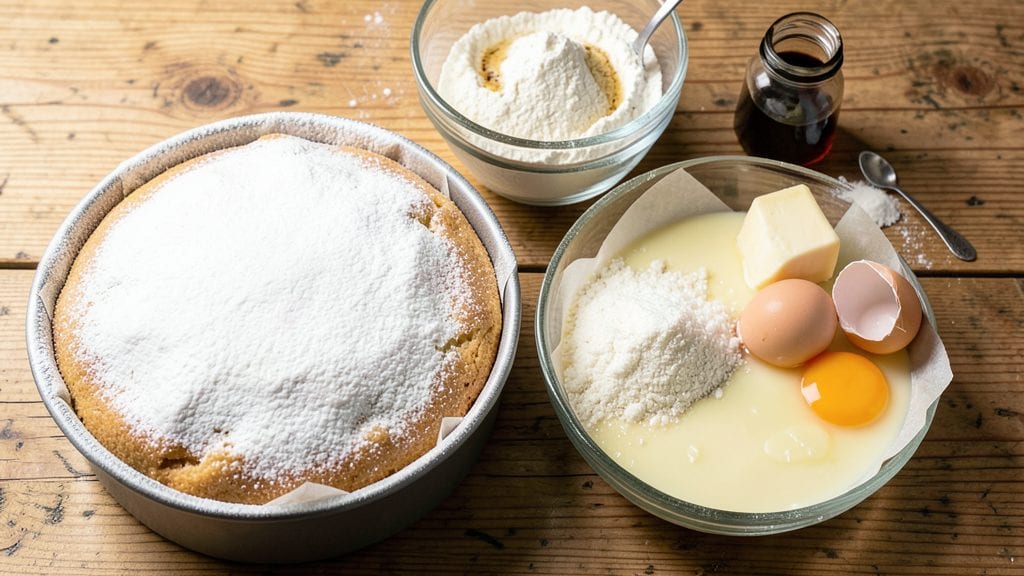
Grandma's white cake recipe is the kind of dessert that brings warmth to any celebration—light as a cloud, infused with real vanilla, and topped with velvety buttercream that melts in your mouth. The secret lies in precise measurements and gentle folding, techniques I learned from my grandmother's kitchen notes.
What makes this cake truly special is how it balances tender crumb with just enough structure to hold those perfect layers.
This recipe delivers restaurant-quality results without requiring advanced skills—just patience and attention to detail during mixing. The cake bakes up golden with a fine, even crumb, while the buttercream stays smooth and spreadable, even in warm kitchens.
I've perfected this method over years of baking, ensuring every slice tastes like a memory from childhood.
By the time you're done, you'll have a cake that's light enough to eat without a plate, with layers so tender they practically dissolve on your tongue.
The vanilla flavor shines through without being overpowering, and the frosting stays perfectly creamy whether you serve it immediately or wait a few hours. This is the kind of dessert that makes people smile before they even take a bite.
Perfect for birthdays, holidays, or just because, this cake keeps beautifully for days. The frosting can be made ahead, and the layers stay fresh when stored properly. Let's get started on creating your own piece of nostalgia with every bite.
Ingredients for grandma's white cake
Grandma’s white cake needs just 12 ingredients—flour, sugar, butter, and love, all coming together for layers that melt in your mouth.
| Ingredient | Amount | Notes |
|---|---|---|
| All-Purpose Flour 🌾 | 3 cups | Sifted for light texture |
| Granulated Sugar 🍚 | 2 cups | Divided for cake and frosting |
| Unsalted Butter 🧈 | 2 cups | Room temperature, full-fat |
| Pure Vanilla Extract 🌿 | 2 tsp | Bottled, not imitation |
| Large Eggs 🥚 | 4 whole | Room temperature, separated |
| Baking Powder 🍃 | 2 tsp | Freshly opened |
| Salt 🧂 | ½ tsp | Fine sea salt |
| Whole Milk 🥛 | 1 cup | Room temperature |
| Powdered Sugar 🍚 | 4 cups | For frosting, sifted |
| Heavy Whipping Cream 🥛 | 1 cup | Cold, full-fat |
| Vanilla Bean Paste 🌿 | 1 tbsp | For extra vanilla flavor |
| Cornstarch 🌾 | 1 tbsp | For frosting stability |
The butter and flour are non-negotiable here—Crisco or margarine won’t give you that same tender crumb. I always grab Land O’Lakes unsalted butter from the grocery store; it’s reliable and melts perfectly. For the vanilla, bottled extract is fine, but if you’ve got a vanilla bean, scrape out the seeds for extra depth. The powdered sugar for frosting? Domino brand sifts smoothly, but any quality brand works. Room-temperature eggs are key—they whip up fluffier and fold in better. Pro tip: separate them over a bowl so you don’t lose any whites in the shell.
No vanilla extract? Vanilla sugar works in a pinch—just reduce the granulated sugar by 1 tbsp. Short on powdered sugar? Granulated sugar whipped with cornstarch (1:1 ratio) mimics the texture. The frosting needs heavy cream, but cool whipped topping (like Redi-Whip) can be mixed in at half the amount if you’re in a hurry. For the cake layers, if you accidentally overmix, don’t panic—they’ll still bake up fine, just slightly denser. And if your buttercream gets too soft? Chill it 10 minutes before spreading.
This cake keeps beautifully—3 days at room temperature covered loosely, or 1 week refrigerated. The frosting can be made a day ahead and stored in the fridge; just whip it back up with a hand mixer before using. For extra-long storage, freeze the unfrosted layers wrapped tightly in plastic for up to 3 months. When you’re ready to serve, bring everything to room temp first. Trust me, the first slice out of the fridge is a crime—let it sit for 30 minutes.
Why You'll Love This Recipe
- No-Fuss Mixing: I swear by the creaming method here—just butter and sugar until light and fluffy, then fold in eggs one at a time. No electric mixer? A sturdy wooden spoon works just as well. That’s how Grandma did it, and it’s why the crumb stays tender.
- Buttery Vanilla Bliss: The secret’s in the ratio—equal parts butter and sugar, with vanilla extract that actually lingers. It’s not overly sweet or cloying; just that perfect balance of rich, buttery goodness that makes every bite feel like a hug.
- Birthday to Brunch: This cake handles anything—layer it for a celebration, cube it for trifles, or serve it plain with tea. Honestly, I’ve even used it as a base for cheesecake filling (yes, really). The neutral flavor plays nice with everything.
- Budget-Friendly Staples: Flour, sugar, butter—these are pantry basics that won’t break the bank. A single batch yields enough slices for leftovers, and the recipe scales effortlessly. My college-student self would’ve cried happy tears over this.
Step-by-step instructions for Grandma's white cake
Here's how to bake this classic cake with tender layers and light, fluffy frosting.
Prepare the Cake Batter
Preheat your oven to 350°F and grease two 9-inch round cake pans, then line the bottoms with parchment paper. In a large mixing bowl, combine the 3 cups of all-purpose flour, 2 tsp of baking powder, and 0.5 tsp of salt. Sift this mixture together to remove any lumps and create a light, airy texture for your cake.
In a separate large bowl, cream together the 2 cups of unsalted butter and 1 cup of granulated sugar using an electric mixer on medium speed until light and fluffy—about 3-4 minutes. This step is crucial for incorporating air into the batter, which helps create a tender crumb. Add the 4 whole large eggs, one at a time, mixing well after each addition. Then, stir in the 2 tsp of pure vanilla extract and 1 tbsp of vanilla bean paste for that extra depth of flavor.
Gradually add the sifted dry ingredients to the wet mixture, alternating with the 1 cup of whole milk, beginning and ending with the flour mixture. Mix on low speed just until combined—overmixing can make the cake dense. Pour the batter evenly between the two prepared cake pans and smooth the tops with a spatula.
Bake to Golden Perfection
Bake the cakes in the preheated oven for 25-30 minutes, or until a toothpick inserted into the center comes out clean. The cakes should be golden on top and spring back slightly when gently pressed in the center. Rotate the pans halfway through baking for even cooking.
Once baked, remove the cakes from the oven and let them cool in the pans for 10 minutes. Then, transfer them to a wire rack to cool completely. This cooling step is essential—it prevents the cakes from becoming soggy when you add the frosting later. If you're in a hurry, you can speed up the process by placing the pans on a cooling rack over a bowl of ice water for 5 minutes, then finishing the cooling on the rack.
Make the Vanilla Buttercream Frosting
In a large mixing bowl, beat the 2 cups of unsalted butter until smooth and creamy—about 2-3 minutes on medium speed. Gradually add the 4 cups of powdered sugar, mixing on low speed until combined. Increase the speed to medium and beat for another 3-4 minutes until the frosting is light and fluffy.
Add the 1 cup of heavy whipping cream, 2 tsp of pure vanilla extract, and 1 tbsp of vanilla bean paste, mixing well to combine. Finally, whisk together the 1 tbsp of cornstarch with 1 tablespoon of water to create a slurry. Gradually add this to the frosting while mixing on low speed. This slurry helps stabilize the frosting, preventing it from becoming too runny or grainy.
Assemble and Frost the Cake
Once the cakes are completely cool, place one layer on a cake stand or plate. Spread a thin layer of frosting over the top of the first cake layer to help hold the second layer in place. Place the second cake layer on top and gently press down to create a level surface.
Now, it's time to frost the cake. Start by spreading a thin crumb coat of frosting over the entire cake, including the sides. Chill the cake in the refrigerator for 15-20 minutes to set the crumb coat. After chilling, add the remaining frosting and spread it evenly over the top and sides of the cake using an offset spatula. For a polished look, you can use a bench scraper to create clean edges. Serve and enjoy your Grandma's white cake!
Pro Tips For Making Grandma'S White Cake
- Use Room-Temp Butter: Cold butter makes dense cake. Take the block out of the fridge 2 hours before mixing—no one wants a brick for dessert. (Yes, even if you’re impatient like me.)
- Whisk Eggs Until Ribbon Stage: That means beating them until the mixture coats the whisk and trails slowly when lifted. Stopping too early? Your cake will sink faster than your motivation on a Monday.
- Don’t Overmix the Batter: Mix just until the flour disappears—about 20 seconds past that point. I learned this the hard way after a cake so tough it could’ve been a doorstop.
- Add Vanilla Last: Stir it in right before pouring the batter. The heat of mixing can dull the flavor if you add it early, and no one wants vanilla that’s already checked out.
Perfect pairings for these flavors
Classic Fruit Toppings
Fresh berries are my go-to for this cake—their bright acidity cuts through the richness beautifully. A simple arrangement of strawberries, blueberries, and raspberries on top adds color and a juicy contrast.
For a more elegant touch, slice 1 cup strawberries and arrange them in a circular pattern around the edges. I also love adding 1 tbsp lemon juice to the berries before serving to enhance their natural sweetness. 🍓
Creamy Fillings
For an extra layer of indulgence, pipe a generous layer of vanilla pudding or whipped cream between the cake layers. I use Jell-O instant vanilla pudding mix (prepared according to package) for a smooth, creamy texture that pairs perfectly.
For a lighter option, fold ½ cup whipped cream with 1 tbsp vanilla extract and spread it between the layers. This adds a luxurious touch without overpowering the cake's delicate flavor.
Chocolate Drizzle
A thin chocolate drizzle elevates this cake to restaurant-quality. Melt ½ cup white chocolate chips with 1 tbsp heavy cream over a double boiler, then drizzle over the frosted cake. For a richer option, use dark chocolate (60% cacao) and add ¼ tsp espresso powder to deepen the flavor.
The contrast of sweet, creamy cake with bitter chocolate is pure magic. 🍫
Nutty Crunch
Toasted nuts add a delightful crunch that balances the cake's softness. I recommend ½ cup chopped pecans or walnuts, toasted in a dry skillet over medium heat for 3-4 minutes until fragrant. Sprinkle them over the frosting or press them into the sides for a decorative effect.
For a sweeter twist, toss the nuts with 1 tbsp brown sugar and ½ tsp cinnamon before adding them to the cake.
Beverage Pairings
A cup of hot black tea or coffee complements this cake perfectly, especially during cooler months. For a refreshing twist, serve it with vanilla chai latte or iced vanilla milk.
The warm spices in chai enhance the cake's vanilla notes, while the cool creaminess of iced milk balances the richness. Avoid overly sweet drinks—they can overpower the cake's delicate flavor profile.
Seasonal Variations
In summer, swap the frosting for lemon curd and top with whipped cream and fresh berries. For winter, add candied citrus peel or cranberries to the frosting for a festive touch.
I also love dusting the cake with powdered sugar just before serving to catch the light beautifully. The key is to keep the flavors harmonious—never too heavy or too light.
Nutrition facts
Frequently asked questions
Why does this white cake turn out so tender?
The secret lies in the creaming method and precise ingredient ratios. Mixing the butter and sugar until light and fluffy incorporates air, while the milk keeps the crumb moist without adding heaviness. The vanilla bean paste adds depth without overpowering the delicate texture. Never skip the 10-minute cooling in pans—this prevents a dense center!
Can I substitute vanilla extract with something else?
For the best results, use bottled vanilla extract or vanilla bean paste. If you're out of options, try 1 tbsp vanilla sugar (reduce granulated sugar by 1 tbsp**) or ½ tsp almond extract (use sparingly—it has a stronger flavor). The cake will still taste good, but the authentic vanilla aroma will be missing.
What if my cake domes or cracks on top?
Domes happen when the oven runs hot or the batter is too wet. Check your oven temp with a thermometer—it should read 350°F accurately. For cracks, overmixing or opening the oven too soon are common culprits. Let the cake cool completely before frosting to prevent collapse. A thin crumb coat before final frosting also helps prevent cracks.
How do I make this cake ahead of time?
Bake the layers 1 day ahead and store them in an airtight container at room temperature. The frosting can be made 2 days ahead and refrigerated—just whip it back up with a mixer before using. Assemble the cake 4-6 hours before serving to let the frosting set properly. For long-term storage, freeze unfrosted layers for up to 3 months.
Can I use this recipe for a sheet cake instead?
Yes! Spread the batter evenly in a 9x13-inch pan and bake for 30-35 minutes at 350°F. For a taller cake, use a 10x15-inch jelly roll pan and bake for 25-30 minutes. Adjust the frosting quantity to cover the larger surface—you may need an extra 1-2 cups of powdered sugar.