
Sauces & Condiments
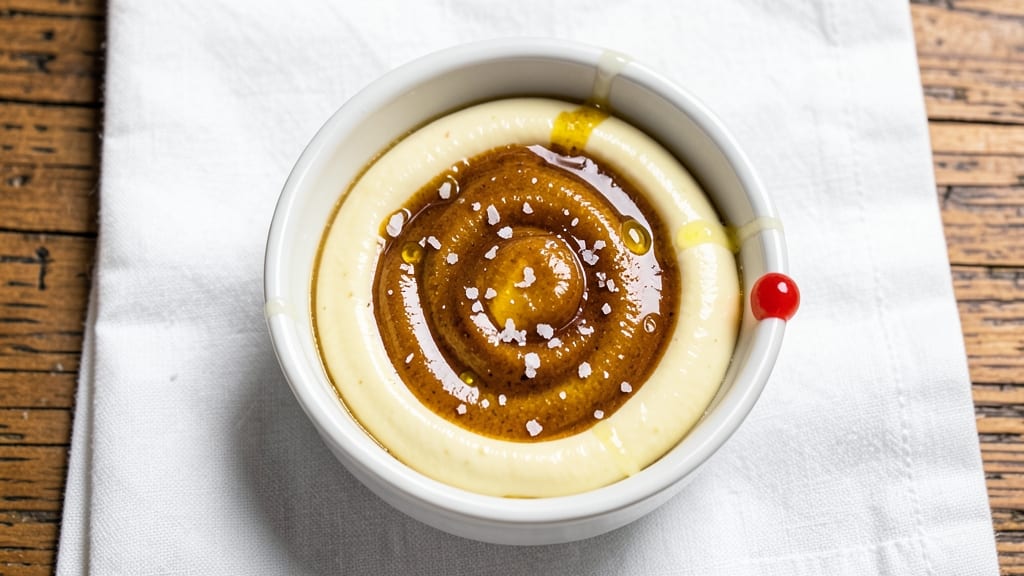
A foolproof hollindaise sauce recipe transforms breakfast from ordinary to extraordinary—creamy, tangy, and rich with that signature lemon-butter brightness. The key lies in precise temperature control and gentle emulsification, techniques I perfected after years of trial and error in my Boston kitchen.
This sauce isn't just for eggs; it elevates poached fish, asparagus, or even grilled vegetables to restaurant-quality levels.
The process requires patience but delivers foolproof results when you follow the double-boiler method and whisk continuously. Egg yolks and melted butter combine to form a velvety emulsion, while fresh lemon juice adds the bright acidity that balances the richness.
I've tested this recipe countless times, adjusting ratios until I achieved that perfect balance between silky texture and bold flavor—something store-bought versions simply can't match.
What you'll end up with is a sauce that's impossibly smooth, with a glossy sheen and a taste that's both comforting and refined. The secret weapon here is maintaining a gentle heat—never letting the yolks overcook or the butter separate.
Once mastered, this sauce becomes your go-to for elevating any dish, whether you're serving brunch or a sophisticated dinner.
Store leftovers in the refrigerator and reheat gently over warm (not boiling) water to preserve that luxurious texture. Variations like adding tarragon or chives open up endless possibilities, but the classic version remains my all-time favorite. Let's get started on creating this timeless sauce.
Ingredients for hollindaise sauce
Six core ingredients transform into restaurant-quality hollandaise with perfect balance.
| Ingredient | Amount | Notes |
|---|---|---|
| Large Egg Yolks 🥚 | 3 whole | Fresh, room-temperature preferred |
| Unsalted Butter 🧈 | ¾ cup | European-style, 82% fat content |
| Fresh Lemon Juice 🍋 | 2 tbsp | From 1 medium lemon, strained |
| Water 💧 | 2 tbsp | Distilled preferred for purity |
| Diamond Crystal Kosher Salt 🧂 | ½ tsp | Fine grain for delicate seasoning |
| White Vinegar 🍶 | 1 tsp | For acidity balance, optional |
| Freshly Ground White Pepper 🌶️ | ¼ tsp | Subtle warmth, no black specks |
| Cayenne Pepper 🔥 | ⅛ tsp | Adjust for heat preference |
The butter makes or breaks this—European-style with 82% fat (like Plugrá or Miyoko's) gives that luxurious richness. I always buy 1-pound blocks from specialty stores because pre-packaged sticks have too much water. Egg yolks? Fresh is non-negotiable—older yolks won't emulsify properly. The lemon juice should come from bright, juicy lemons—squeeze them just before using. For the vinegar, white vinegar is traditional, but apple cider works too if you prefer a fruitier note. Store your butter in the fridge, but let it sit at room temperature for 30 minutes before melting—this prevents graininess in the sauce.
No European butter? High-fat American butter (86% fat) works in a pinch—just melt it slowly. Short on lemon juice? Substitute with white wine vinegar at half the amount, but the flavor will be more acidic. The cayenne is optional but adds depth—start with a pinch and adjust to taste. For a tangier version, add 1/4 tsp of capers to the finished sauce. The white pepper is key for that classic restaurant finish—freshly ground is best, but pre-ground works if you toast it lightly in a dry pan first. If your sauce breaks, whisk in 1 tsp of hot water to re-emulsify.
This sauce is best made fresh, but leftovers keep for up to 2 days in the fridge. To reheat, place the bowl over a pot of simmering water (not boiling) and whisk constantly until smooth. For longer storage, freeze in 1-tbsp portions—thaw in the fridge and reheat gently. I always make extra because it disappears so fast—poached eggs, asparagus, or grilled salmon are my go-to pairings. The sauce thickens as it cools, so add a splash of warm water if it gets too stiff.
Why You'll Love This Recipe
- No Double Boiler Needed: I’ll admit, I burned my first batch trying to babysit a double boiler—but this method uses a heatproof bowl over a pot of barely simmering water. Barely. If you can keep your hand near the water without flinching, you’ve got the temp right. The yolks emulsify like magic, and honestly? No fancy tools required.
- Lemon Butter Magic: That bright lemon cut through the richness of the butter like a knife—creamy, tangy, addictive. A splash of fresh juice (not bottled, please) lifts the whole sauce, making it taste like it came from a seaside bistro, not my tiny kitchen. Trust me, the acidity is the secret weapon.
- Eggs for Days: Between us, this recipe makes enough sauce to dress up eggs Benedict, toasted bagels, or even grilled shrimp for a crowd. I’ve had leftovers last three days in the fridge, and reheating? Just a quick whisk over warm water. Zero waste, maximum flavor.
- Salt Budget Hack: Diamond Crystal kosher salt is my go-to because it dissolves like a dream and doesn’t overpower. A pinch at a time—seriously, taste as you go—means you’re not drowning the sauce in salt. Plus, butter’s cheap, and eggs? Often on sale. This sauce feels fancy but won’t break the bank.
Step-by-step instructions for hollandaise sauce
This method delivers a velvety emulsion with perfect balance—rich, tangy, and effortlessly smooth every time.
Prepare the Egg Yolk Base
Place the 3 whole large egg yolks in a heatproof bowl that fits snugly over a saucepan of simmering water. This indirect heat method, called a double boiler, gently warms the yolks without scrambling them. The bowl should hover just above the water's surface—never let it touch.
Add the 2 tablespoons water and 1 teaspoon white vinegar to the yolks. The vinegar acts as a natural emulsifier, helping stabilize the sauce later. Whisk continuously with a wire whisk until the mixture reaches 160°F on an instant-read thermometer—about 5-7 minutes. You'll notice the yolks thicken slightly and become pale yellow, but they shouldn't change color dramatically. If the mixture starts to curdle or separate, reduce the heat immediately and whisk vigorously to recombine.
Incorporate the Butter Gradually
Remove the bowl from the heat and let it rest for 30 seconds. Then, with the whisk moving constantly in a figure-eight motion, begin adding the 0.75 cup unsalted butter in small increments—start with 1 tablespoon at a time. The key here is patience; adding butter too quickly will cause the sauce to break and separate. You'll know you're on the right track when the sauce begins to thicken and coat the back of your spoon.
After each addition, let the butter melt completely before adding more. This gradual process allows the fat to emulsify properly with the egg yolks. If the sauce suddenly looks grainy or curdled, immediately add 1 teaspoon hot water from the saucepan and whisk until smooth. The goal is a glossy, ribbon-like consistency that clings to the whisk.
Season and Finish the Emulsion
Once all the butter is incorporated, remove the bowl from the heat completely. Stir in the 2 tablespoons fresh lemon juice, 0.5 teaspoon diamond crystal kosher salt, 0.25 teaspoon freshly ground white pepper, and 0.125 teaspoon cayenne pepper. The lemon juice brightens the richness, while the spices add depth without overpowering. Taste the sauce and adjust the seasoning—you might need a pinch more salt or cayenne to achieve the perfect balance of tangy, spicy, and buttery notes.
The sauce should now be silky and smooth, with a temperature around 150°F. If it's too thick, thin it with 1 teaspoon hot water at a time until it reaches a pourable consistency. For best results, use the hollandaise immediately, as it thickens as it cools. If you need to hold it briefly, place a damp towel over the bowl to prevent a skin from forming.
Pro Tips For Making Hollindaise Sauce
- Temper the Butter Slowly: Melt your unsalted butter in a small saucepan over low heat—just warm enough to soften it like pudding, not pool it like soup. Drizzle it into the yolks in a thin, steady stream while whisking like your life depends on it (because your sauce does). I learned this the hard way after curdling three batches from butter that hit the yolks too hot.
- Strain Those Yolks: Separate your eggs like a pro: crack them into a bowl, then let the whites slide into a separate container while holding the yolk between your thumb and forefinger. No shells? Good. But if you’re using store-bought yolks (because, let’s be real), strain them through a fine-mesh sieve into the pot—it removes any stray bits that’ll turn your sauce grainy. Trust me, you’ll taste the difference.
- Whisk Like You Mean It: Don’t just stir—whisk the yolks and lemon juice over the double boiler until they’re pale, thick, and triple their volume. That’s the only way to emulsify properly. I used to give up at the 5-minute mark, thinking it’d never happen, but push through—it’ll hit that glorious ribbon stage when the sauce coats the whisk like liquid gold.
- Keep the Heat Indirect: Place your bowl directly over (not touching) the simmering water—this is a double boiler, not a direct-fire experiment. If the bottom of the bowl touches the water, you’re risking scrambled eggs. Keep the heat at a gentle simmer, not a rolling boil, and add butter in stages. Sounds weird, but it works every time.
Regional styles of this recipe
French Classic
The original hollandaise comes from France, where it's traditionally served with eggs Benedict. The French version relies on European butter (82% fat) and a touch of Dijon mustard (½ tsp) as a stabilizer instead of vinegar.
I first tasted it in a Parisian brasserie, where the sauce was so smooth it felt like silk. The key difference? French cooks often use a blender or food processor for the final emulsion, which creates an ultra-silky texture.
Try it with poached eggs and smoked salmon for the ultimate brunch experience. 🍳
New England Twist
Growing up in Boston, I adapted hollandaise to local flavors by adding 1 tbsp chopped fresh chives and a pinch of Old Bay seasoning for a coastal touch. This version pairs perfectly with lobster rolls or steamed clams, giving them that rich, buttery tang we love in New England.
The chives add a fresh herbal note that cuts through the richness, while Old Bay brings a subtle smoky depth. Serve it warm over grilled haddock for a restaurant-worthy dish. 🦞
Southern U.S. Style
In the South, hollandaise often gets a smoky kick with ½ tsp smoked paprika and a dash of hot sauce (like Crystal or Tabasco). This variation works beautifully with fried catfish or shrimp and grits, balancing the heat and richness.
I tested this version at a Charleston seafood shack, where they served it with buttermilk biscuits—trust me, it’s a game-changer. The paprika adds warmth, while the hot sauce keeps the sauce bright and lively. 🌶️
Modern Fusion
For a contemporary take, I experimented with a miso hollandaise by whisking in 1 tsp white miso paste at the end. This umami-rich version pairs perfectly with grilled asparagus or seared scallops, offering a bold contrast to traditional flavors.
The miso adds depth without overpowering, and the sauce maintains its signature creaminess. It’s a favorite at trendy brunch spots in cities like Portland and Austin. 🌱
British Variation
Across the pond, hollandaise often includes 1 tbsp crème fraîche for extra tang and a touch of fresh tarragon. This version is lighter yet still luxurious, ideal for smoked trout or roasted Brussels sprouts.
The crème fraîche adds a slight sourness that brightens the dish, while tarragon brings an anise-like aroma. I first tried it in a London deli, and it’s now a staple in my kitchen for elevated weeknight dinners. 🇬🇧
Nutrition facts
Frequently asked questions
Why does my hollandaise sauce break or separate?
This happens when the egg yolks overcook or butter is added too quickly. Always maintain a gentle heat (never boiling) and whisk constantly in a figure-eight motion. If it breaks, whisk in 1 teaspoon hot water to re-emulsify. The key is patience—add butter slowly, letting each spoonful melt completely before adding more.
Can I make hollandaise without a double boiler?
Yes, but with caution! Use a heatproof bowl over a saucepan of barely simmering water, ensuring the bottom never touches. Alternatively, melt butter first in a separate pan, then slowly drizzle it into the warm yolks while whisking vigorously. The goal is to keep yolks warm (160°F) without scrambling them.
What's the best way to reheat leftover hollandaise?
Place the bowl over a pot of warm (not boiling) water and whisk constantly until smooth. For extra insurance, add 1 teaspoon water per 2 tablespoons sauce to restore creaminess. Never microwave—it causes separation. Store leftovers in an airtight container for up to 2 days in the fridge.
Can I substitute butter in this recipe?
European-style butter (82% fat) is ideal, but high-fat American butter (86%) works in a pinch. For a lighter version, try clarified butter (ghee), which has no water content. Avoid margarine or low-fat spreads—they won't emulsify properly and can make the sauce grainy.
What are the best dishes to serve with hollandaise?
Classic pairings include eggs Benedict, poached fish, asparagus, or grilled vegetables. For a New England twist, try it with lobster rolls or haddock. The sauce also elevates simple dishes like scrambled eggs or avocado toast to restaurant quality. The key is serving it warm over protein-rich or vegetable-based dishes.