
Main Courses
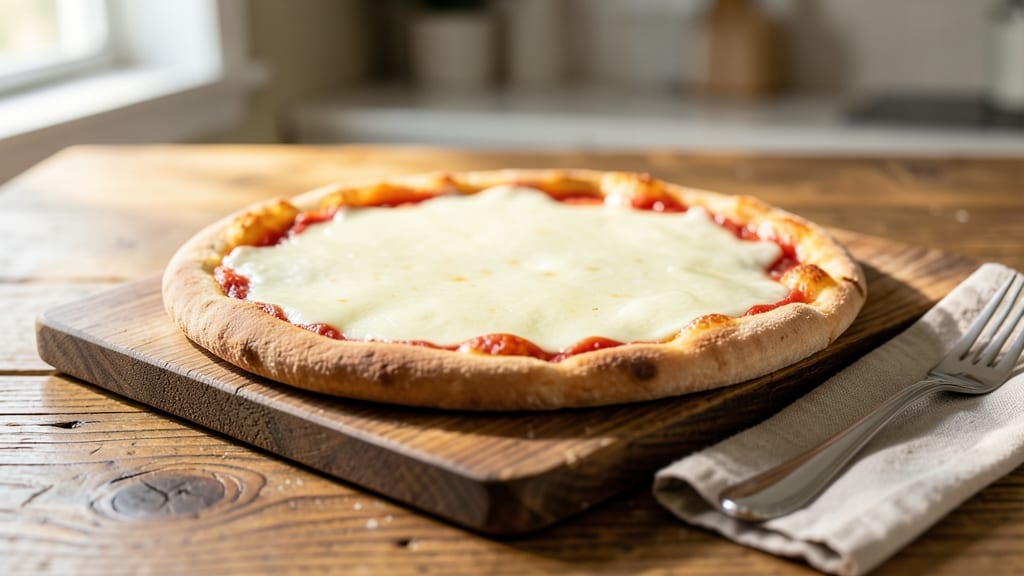
Creating a low FODMAP pizza that satisfies cravings without triggering digestive discomfort is entirely possible—and this gluten-free crust with carefully chosen toppings delivers exactly that. After years of testing dietary adaptations, I’ve perfected a recipe where every ingredient is both safe and delicious, proving that restriction doesn’t mean sacrifice.
The secret lies in gluten-free flour blends that mimic traditional texture while keeping the crust tender, paired with low-FODMAP toppings that still pack bold flavor.
This recipe focuses on precision: a simple gluten-free crust made with certified low-FODMAP ingredients, a tomato-based sauce sweetened with maple syrup instead of garlic or onion, and toppings that avoid common triggers like lactose or high-FODMAP vegetables. The result?
A pizza that’s crisp yet chewy, with layers of flavor that hold up even for those with sensitive digestive systems. What makes this stand out is how it balances dietary needs with restaurant-quality taste—no one will guess it’s adapted for low FODMAP diets.
The process is straightforward but requires attention to detail, particularly when substituting high-FODMAP ingredients like garlic or onion. Instead, we use garlic-infused oil for depth of flavor and lactose-free cheese for creaminess without the discomfort.
Baking times are adjusted slightly to ensure the crust cooks evenly without becoming dense, and the toppings are arranged to maximize flavor distribution.
By the time you pull it from the oven, you’ll have a pizza that’s both safe and satisfying—proof that dietary restrictions don’t have to limit your culinary creativity.
Whether you’re following a low-FODMAP diet or simply looking for a gluten-free pizza that doesn’t compromise on taste, this recipe is designed to meet your needs without missing a beat.
The instructions are clear, the substitutions are thoughtful, and the end result is a pizza that feels indulgent yet aligns perfectly with dietary goals. Let’s get started on a recipe that proves good food isn’t about compromise—it’s about smart choices.
Ingredients for low fodmap pizza
Certified low FODMAP ingredients meeting gluten-free standards—every element is carefully chosen for flavor and digestibility.
| Ingredient | Amount | Notes |
|---|---|---|
| Gluten-Free Flour Blend 🍞 | 2 cups | Certified low FODMAP, xanthan gum included |
| Tapioca Starch 🌾 | ¼ cup | For crispy texture, not gummy |
| Extra-Virgin Olive Oil 🫒 | ½ cup | High-quality, fruity variety |
| Garlic-Infused Olive Oil 🫒 | 2 tbsp | Low FODMAP, 1 clove per 2 tbsp |
| Warm Water 💧 | ¾ cup | Room temperature preferred |
| Low FODMAP Tomato Sauce 🍅 | 1 ½ cups | Homemade or certified low FODMAP jarred |
| Maple Syrup 🍯 | 1 tbsp | For natural sweetness |
| Lactose-Free Mozzarella Cheese 🧀 | 1 ½ cups | Shredded, low lactose |
| Fresh Basil Leaves 🌿 | ¼ cup | Chopped, for freshness |
| Dried Oregano 🍃 | 1 tsp | Low FODMAP certified |
| Sea Salt 🧂 | 1 ½ tsp | Diamond Crystal preferred |
| Black Pepper 🌶️ | ½ tsp | Freshly ground |
| Red Bell Pepper 🌶️ | ½ cup | Diced, low FODMAP |
| Spinach 🌱 | 1 cup | Baby spinach, chopped |
| Lactose-Free Parmesan Cheese 🧀 | ¼ cup | Freshly grated |
The gluten-free flour blend is the foundation—Bob’s Red Mill 1-to-1 or King Arthur Measure for Measure are both certified low FODMAP and deliver reliable texture. Tapioca starch ensures crispness without gumminess, a common issue with gluten-free crusts. For the garlic-infused oil, Whisps brand is a reliable low FODMAP option, or make your own with 1 clove garlic per 2 tbsp olive oil (simmered and strained). The olive oil should be extra-virgin—cheap oils lack the depth needed to complement the crust’s delicate flavor. Trader Joe’s and Costco both carry high-quality options at reasonable prices.
No certified low FODMAP tomato sauce? Homemade is simple: blend 1 can crushed tomatoes, 1 tbsp maple syrup, 1 tsp dried oregano, and ½ tsp sea salt—skip the garlic and onion entirely. For cheese, Green Valley Lactose-Free Mozzarella or Violife brands are excellent substitutes without compromising creaminess. The red bell pepper and spinach are both low FODMAP in moderate amounts—fresh is best, but frozen works in a pinch if you’re short on time. Pre-grated Parmesan often contains anti-caking agents that can trigger discomfort, so grating your own from a low-lactose block is ideal.
Store the gluten-free flour blend and tapioca starch in airtight containers in a cool, dark place for up to 12 months. The garlic-infused oil keeps for 6 months refrigerated, while the cheese should be used within 5 days of opening. Prepped dough can be rolled out and refrigerated for 24 hours before baking—this actually improves texture. For leftovers, slice and reheat in a 350°F oven for 8-10 minutes to restore crispness. Freezing isn’t recommended for the crust, as it tends to dry out.
Why You'll Love This Recipe
- No-Fuss Dough: I swear, this crust comes together with just five ingredients and a handful of water. No kneading, no waiting—just mix, roll, and bake. That tapioca starch? It’s the secret to a crispy edge without the fuss of gluten.
- Garlic Kiss: That garlic-infused olive oil isn’t just for show—it’s the star. Drizzled on the dough before baking, it infuses the crust with a warm, aromatic punch that makes every bite taste like a little Italian vacation.
- Weeknight Hero: Between us, this is my go-to when I’m exhausted but still craving pizza. The dough keeps fine in the fridge for days, and I’ve even made it ahead for game days or lazy Sundays. Just add toppings and reheat—no guilt, all satisfaction.
- Budget-Friendly Crunch: Gluten-free pizza usually costs a fortune, but this? It’s dirt cheap. A bag of flour blend and some olive oil stretch way further than store-bought crusts, and the leftovers reheat like a dream. Honestly, it’s the only way I justify takeout nights.
Step-by-step instructions for low FODMAP pizza with gluten-free crust
This method delivers a crispy, digestible crust that holds up to your favorite toppings without compromising texture.
Combine Dry Ingredients for the Crust
In a large mixing bowl, whisk together the 2 cups gluten-free flour blend and 0.25 cup tapioca starch. The tapioca starch creates that perfect crispy texture while keeping the crust tender. Sift the mixture lightly to eliminate any lumps that could create uneven baking.
In a separate small bowl, combine 1.5 teaspoons sea salt, 0.5 teaspoon black pepper, 1 teaspoon dried oregano, and 1 tablespoon maple syrup. The maple syrup adds subtle sweetness that balances the savory flavors. Whisk these dry seasonings thoroughly before adding them to the flour mixture.
Incorporate Wet Ingredients and Form the Dough
Create a well in the center of your dry ingredients and pour in the 0.5 cup extra-virgin olive oil and 2 tablespoons garlic-infused olive oil. The garlic-infused oil adds depth without triggering digestive discomfort. Using a wooden spoon or your hands, gradually incorporate the wet ingredients until a shaggy dough forms.
Add the 0.75 cup warm water in small increments, mixing gently but thoroughly after each addition. The dough should come together into a soft, pliable ball that's slightly tacky but not sticky. If it feels too dry, add an extra 1 tablespoon water; if too wet, sprinkle in 1 tablespoon gluten-free flour blend. Cover the bowl with a damp towel and let the dough rest for 15 minutes at room temperature.
Assemble the Pizza with Low FODMAP Toppings
Preheat your oven to 425°F and line a baking sheet with parchment paper. Transfer the rested dough to a lightly floured surface and gently press it into a 12-inch round (about ¼-inch thick). The crust should be thin enough to crisp but thick enough to hold toppings without tearing.
Spread 1.5 cups low FODMAP tomato sauce evenly over the crust, leaving a ½-inch border for the crust to brown. Sprinkle 1.5 cups lactose-free mozzarella cheese and 0.25 cup lactose-free parmesan cheese over the sauce. Top with 0.5 cup diced red bell pepper and 1 cup chopped spinach, pressing down gently to help them adhere. The spinach will wilt slightly during baking, releasing its nutrients into the cheese.
Bake Until Crisp and Golden
Transfer the assembled pizza to the preheated oven and bake for 12-15 minutes until the crust edges are deep golden brown and the cheese is bubbling. The crust should be firm to the touch but still slightly soft in the center. Rotate the pizza halfway through baking if your oven has hot spots to ensure even browning.
Remove from the oven and let rest for 2-3 minutes before slicing. This brief rest prevents the cheese from oozing out when you cut into it. Garnish immediately with 0.25 cup chopped fresh basil leaves for a bright, aromatic finish. The basil's freshness cuts through the richness of the cheese and enhances the garlic notes from the infused oil.
Pro Tips For Making Low Fodmap Pizza
- Mix Like a Pro: Combine your gluten-free flour blend and tapioca starch first—then add the garlic-infused olive oil and warm water. I learned this the hard way: dry-mixing the starch with flour prevents clumping when the oil hits, and your dough will stretch smoother. Use a food processor for 30 seconds, just until it looks like wet sand, not glue.
- Preheat the Pan: Get your skillet or pizza stone screaming hot—450°F (230°C) minimum—before adding the dough. I used to rush this, and the crust always turned dense. A hot pan sears the bottom fast, locking in moisture while the tapioca starch crispifies. Cast iron works best, but a well-seasoned stainless steel pan does in a pinch.
- Skip the Overmixing: Once you add water, stop mixing after 2-3 turns—just enough to form a shaggy ball. Overworking gluten-free dough makes it tough and chewy. My first attempt was a disaster until I realized the dough should feel like a loose, slightly sticky lump, not playdough.
- Oil the Pan Twice: Brush the pan with extra-virgin olive oil before adding the dough, then again right after flipping. The first coat prevents sticking; the second adds that crispy, golden finish. I was skeptical—"that’s extra oil!"—but it guarantees a crust that’s crispy on the outside, tender inside, and actually holds toppings. (Yes, even if you’re using minimal cheese.)
Troubleshooting this recipe
Crust Too Dry?
If your gluten-free crust feels dry or cracks during baking, it’s likely due to insufficient moisture or overmixing. First, ensure your gluten-free flour blend is fresh—Bob’s Red Mill 1-to-1 or King Arthur Measure for Measure work best when stored in airtight containers.
Add 1 extra tablespoon of warm water to the dough if it feels too dry, but avoid overhydrating. For extra crispiness, brush the rolled-out crust with 1 tablespoon extra-virgin olive oil before adding toppings. This creates a barrier that locks in moisture during baking. 💧
Sauce Too Watery?
A watery tomato sauce is usually caused by overcooking or insufficient thickening. For homemade sauce, simmer 1 can crushed tomatoes with 1 tbsp maple syrup and 1 tsp dried oregano for no more than 10 minutes—longer cooking breaks down the texture.
If using jarred sauce, check the label for added water; opt for low-sodium, no-added-water varieties like Rao’s or Muir Glen. To thicken, stir in 1 tbsp cornstarch mixed with 1 tbsp water and simmer for 2-3 minutes until it gels. 🍅
Cheese Not Melting?
Lactose-free cheese often melts differently than regular cheese, so preheating is key. Place your lactose-free mozzarella in a bowl and microwave it for 15-20 seconds before spreading it on the pizza. This jumpstarts the melting process.
For extra insurance, sprinkle a light dusting of gluten-free flour blend over the cheese—it helps bind the toppings and promotes even melting. If using Violife or Green Valley brands, avoid overbaking; 12-13 minutes at 425°F is ideal. 🧀
Toppings Not Sticking?
Spinach and bell peppers often slide off gluten-free crusts because they lack the adhesive quality of traditional dough. Press toppings down firmly with a damp paper towel to help them adhere. For extra grip, spread a thin layer of tomato sauce as a "glue" before adding cheese.
If using fresh basil as a garnish, add it after baking—it wilts beautifully and adds freshness without weighing down the pizza. 🌿
Uneven Baking?
Gluten-free crusts can bake unevenly due to their density. Rotate your pizza halfway through baking (after 7-8 minutes) to ensure even browning. If the edges brown too quickly, tent the pizza with aluminum foil for the last 2-3 minutes of baking.
Preheating your baking sheet in the oven for 5 minutes before adding the pizza also helps distribute heat more evenly. A lightly greased pizza stone can prevent sticking and improve crispiness. 🔥
Crust Too Dense?
A dense crust usually means the dough wasn’t rested long enough or the gluten-free flour blend wasn’t properly hydrated. Let the dough rest for the full 15 minutes (or up to 30 minutes in the fridge) to allow the starches to relax.
For extra tenderness, replace 1 tablespoon of the gluten-free flour with 1 tablespoon tapioca starch—this lightens the texture. If the crust still feels heavy, reduce the baking time by 1-2 minutes to avoid overcooking. 🍞
Nutrition facts
Frequently asked questions
Can I make this pizza without gluten-free flour?
This recipe is specifically designed with gluten-free flour blends to ensure it's safe for those following a gluten-free diet while also being low FODMAP. While you could substitute regular flour, it would no longer be gluten-free and might affect the texture. For a similar low FODMAP experience without gluten, try a certified low FODMAP corn tortilla as a base instead.
What are the best low FODMAP cheese alternatives?
For this pizza, lactose-free mozzarella and lactose-free parmesan work perfectly while keeping it low FODMAP. Brands like Green Valley or Violife are excellent choices. If you're avoiding dairy entirely, consider using nutritional yeast for a cheesy flavor or low FODMAP vegan cheese made from tapioca starch and coconut oil.
How do I make this pizza spicier?
Add a kick by sprinkling 1-2 teaspoons of low FODMAP chili flakes or ½ teaspoon of cayenne pepper directly on the cheese before baking. For extra heat, top with ¼ cup diced jalapeños (low FODMAP in small amounts) or a drizzle of low FODMAP sriracha after baking. Just remember to adjust to your spice tolerance!
Can I prep the dough ahead of time?
Roll out the dough and refrigerate it on parchment paper for up to 24 hours before baking. This actually improves texture by relaxing the gluten-free starches. Store it in an airtight container with a damp towel to prevent drying. When ready to bake, simply remove it from the fridge, add toppings, and proceed with the recipe as written.
What if I can't find garlic-infused oil?
No problem! You can make your own by simmering 1 clove garlic in 2 tablespoons olive oil for 5 minutes, then straining out the garlic. For a stronger flavor, repeat with a second clove. If you're avoiding garlic entirely, simply omit it and increase the regular olive oil by 1 tablespoon—the crust will still be delicious, just with a milder flavor profile.