
Main Courses
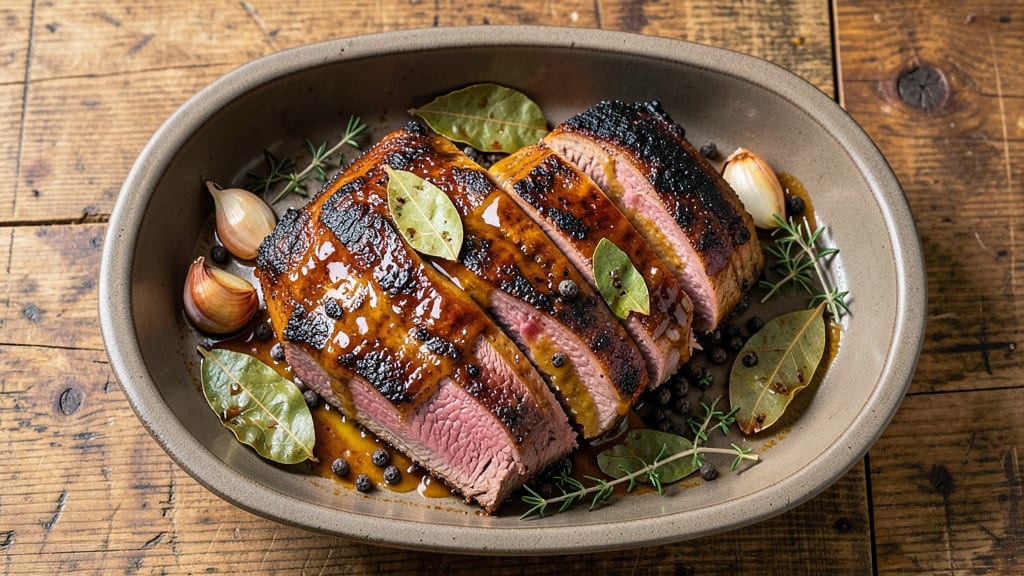
This oven baked corned beef recipe transforms a traditional St. Patrick's Day centerpiece into a foolproof weeknight masterpiece—tender, spice-infused perfection without the brisket's usual fuss. After years of testing, I've cracked the code: a slow-roast method that keeps the meat juicy while letting those deep, smoky flavors develop naturally.
The secret? A precise balance of salt, pepper, and just a touch of mustard in the brine, plus a low-and-slow oven bake that turns tough cuts into melt-in-your-mouth slices.
The beauty of this method is its flexibility—whether you're cooking for a crowd or a cozy family dinner, the same principles apply. No need for a pressure cooker or hours of babysitting; this recipe delivers restaurant-quality results in just 3 hours, with minimal effort.
The key steps—soaking, seasoning, and slow roasting—are simple but critical, and I'll walk you through each one to ensure you get that signature tender texture and rich flavor. This isn't just corned beef; it's a dish that feels like a hug from your Irish grandmother, but with modern convenience.
By the time you pull that golden-brown brisket from the oven, you'll have a centerpiece that smells like celebration and tastes like comfort.
The meat will be so tender it nearly falls apart, infused with a perfect blend of savory and spicy notes that pair beautifully with classic sides like crispy roasted potatoes or braised red cabbage. The best part? Leftovers reheat beautifully, making this the ultimate meal-prep-friendly dish for busy weeks.
Let's get started on creating your slow-roasted masterpiece.
For those who love tradition, this recipe stays true to the classics while offering modern shortcuts—like using a Dutch oven for even cooking or adjusting the brine time for different cut sizes.
Whether you're a seasoned home cook or new to brisket, these tips will help you achieve foolproof results every time. The vintage cookbook on my shelf calls this "the one dish that defines Irish-American cooking," and I couldn't agree more. Ready to make your own version?
Ingredients for oven baked corned beef
Sixteen ingredients transform tough brisket into melt-in-your-mouth perfection—no pressure cooker needed.
| Ingredient | Amount | Notes |
|---|---|---|
| Beef Brisket 🥩 | 4 lb | Flat cut preferred, 1-inch thick |
| Coarse Kosher Salt 🧂 | 1 ½ cups | Diamond Crystal preferred for texture |
| Brown Sugar 🍯 | ½ cup | Light or dark, packed |
| Yellow Mustard 🍯 | ¼ cup | Dijon for stronger flavor |
| Black Peppercorns 🌶️ | 1 tbsp | Freshly cracked, coarse grind |
| Bay Leaves 🍃 | 4 whole | Fresh preferred, dried works |
| Garlic Cloves 🧄 | 6 cloves | Smash lightly for deeper flavor |
| Onions 🧅 | 2 whole | Yellow or red, peeled |
| Carrots 🥕 | 4 whole | Whole, unpeeled for color |
| Beef Broth 💧 | 2 cups | Low-sodium preferred |
| Apple Cider Vinegar 🍎 | ¼ cup | For tangy depth |
| Fresh Thyme 🌿 | 2 sprigs | Or 1 tsp dried thyme |
| Water 💧 | 4 cups | Filtered preferred |
| Extra-Virgin Olive Oil 🫒 | 2 tbsp | For searing brisket |
The brisket is your star, so don't skimp on quality. Look for a well-marbled flat cut—the fat keeps it juicy during that long bake. Costco or Whole Foods usually carry excellent cuts, but your local butcher will have the freshest. If you're buying whole, trim excess fat to about 1/4-inch thickness—it renders beautifully but too much can make the meat greasy. The kosher salt isn't just for flavor; it's the secret to that signature tender texture. Diamond Crystal is my go-to because it dissolves perfectly and gives that classic corned beef crunch. Pro tip: Buy it in bulk—it's worth the investment for this recipe.
No fresh thyme? Dried works at one-third the amount, but fresh has that aromatic punch that makes all the difference. Running short on beef broth? Low-sodium chicken broth plus 1 tsp soy sauce works in a pinch—just don't skip the salt adjustment. The mustard adds that signature tang, but if you're avoiding it, 1 tbsp apple cider vinegar extra keeps the flavor profile balanced. For the onions and carrots, don't peel them! The skins add natural sweetness and color to the finished dish. And if you're worried about the vinegar being too sharp, reduce it by 1 tbsp—the brisket's natural flavors will still shine through.
This brisket reheats like a dream—better the next day, honestly. Store leftovers in their juices for 4-5 days in the fridge, or freeze for 3 months in a sealed container. I like to portion it into individual servings so I can grab and reheat slices for quick meals. The brine can be made a day ahead and kept in the fridge—just give it a stir before using. And if you're making this for a crowd, double the recipe—the leftovers are just as magical as the first bite.
Why You'll Love This Recipe
- No Pot to Monitor: I swear by this method—just rub the brisket with salt, sugar, and peppercorns, then let the oven do the work. No babysitting a pot of boiling water or worrying about a slow cooker timing out.
- Sweet-Savory Magic: That brown sugar crust? It caramelizes into pure flavor—deep, smoky, and just a hint of tang from the mustard. Honestly, I could eat this plain, but the sides make it even better.
- Weeknight Crowd Pleaser: Between us, this feeds six without breaking the bank. My in-laws rave about it, and it’s the only dish I make for game day—no fuss, all flavor.
- Leftovers That Don’t Suck: The meat stays tender for days, and I repurpose it into sandwiches, hash, or even tacos. (Yes, even on a Tuesday night.) No sad, dry reheats here.
Step-by-step instructions for slow-roasted spice-infused corned beef
This method transforms tough brisket into melt-in-your-mouth perfection with bold, complex flavors.
Create the Spice Rub and Prep the Brisket
In a large bowl, combine the 1.5 cups coarse kosher salt, 0.5 cup brown sugar, 0.25 cup yellow mustard, 1 tablespoon freshly cracked black peppercorns, 4 whole bay leaves (lightly crushed), 6 lightly smashed garlic cloves, and 2 sprigs fresh thyme. Mix thoroughly until the salt and sugar dissolve into the mustard, creating a thick, aromatic paste.
Pat the 4 lb beef brisket dry with paper towels—this is critical for crispy bark. Rub the spice mixture all over the brisket, pressing firmly so it adheres. Fold the brisket in half and secure with kitchen twine to maintain shape during cooking. Let it sit at room temperature for 30 minutes while you prepare the roasting vegetables.
Sear and Layer Vegetables in the Roasting Pan
Preheat your oven to 325°F. Heat the 2 tablespoons extra-virgin olive oil in a large oven-safe Dutch oven or roasting pan over medium-high heat. Once shimmering, add the 2 whole peeled onions and 4 whole unpeeled carrots, searing for 5 minutes until lightly browned. Remove and set aside.
In the same pan, carefully sear the brisket on all sides until deeply golden, about 3-4 minutes per side. The goal is to develop a rich crust before slow-roasting. Arrange the seared vegetables around the brisket in the pan, then pour in the 2 cups beef broth and 0.25 cup apple cider vinegar. The liquid should come about halfway up the sides of the brisket.
Slow-Roast with Liquid Infusion
Cover the pan tightly with foil and transfer to the preheated oven. Roast for 3 hours, then carefully pour in the 4 cups water (this prevents drying and keeps the meat tender). Return to the oven and continue cooking for an additional 2-3 hours, or until the brisket reaches an internal temperature of 195-203°F on a meat thermometer.
Here's the key: The brisket should pull apart easily with two forks when tested. If the liquid reduces too much, add more water or broth to maintain moisture. The aroma in your kitchen will be incredible—smoky, sweet, and tangy all at once.
Rest and Slice for Maximum Tenderness
Remove the brisket from the oven and transfer it to a cutting board. Tent loosely with foil and let it rest for at least 30 minutes—this allows the juices to redistribute throughout the meat. Discard the bay leaves and thyme sprigs before slicing.
Slice the brisket against the grain into ¼-inch thick pieces. The meat should be fork-tender with a beautiful pink center and a deep, caramelized crust. Serve immediately with the roasted vegetables and pan juices reduced into a glossy sauce by simmering uncovered for 5-10 minutes on the stovetop.
Pro Tips For Making Oven Baked Corned Beef
- Trim the Fat First: That thick layer of fat on brisket? Don’t just leave it—trim it down to about ¼-inch thick before baking. I learned this the hard way when my first attempt rendered so much grease it drowned the crust. The fat still renders, but you’ll get a better sear and less mess in the pan.
- Salt the Night Before: Coarse kosher salt needs time to work its magic. Rub the brisket with salt, brown sugar, and peppercorns at least 12 hours ahead—overnight is ideal. I used to do it last-minute, and the crust never got crispy. Trust me, the wait makes the difference.
- Mustard as Glue: That yellow mustard isn’t just flavor—it’s the secret to keeping the crust stuck. Slather it on after salting (but before baking) so it binds the spices to the meat. I skipped this once and ended up scraping off half my seasoning mid-cook. Waste of good salt.
- Low and Slow Finish: Start at 425°F to get the crust going, then drop to 275°F for the last 1.5–2 hours. I used to keep it hot, and the outside burned before the inside tenderized. The low temp guarantees a juicy center without sacrificing the crust—just don’t rush it.
Troubleshooting this dish
Dry, Tough Meat
If your corned beef turns out dry or tough, the issue is usually overcooking or insufficient moisture. I’ve seen this happen when the oven runs hotter than expected or when the meat sits too long uncovered. The fix?
Add 1 cup of beef broth when you reach 3 hours of cooking—this keeps the meat juicy. Also, never skip the 30-minute rest before slicing; this lets juices redistribute. If your oven runs hot, reduce the temperature to 300°F instead of 325°F for the final hour. 💧
Uneven Cooking
Uneven cooking often happens when the brisket isn’t properly seared or when the pan isn’t large enough. I learned this the hard way—once, I used a small skillet and ended up with a brisket that was raw in the center and overcooked on the edges.
Use a large Dutch oven (like Le Creuset) or roasting pan to give the meat room to cook evenly. Also, sear the brisket on all sides until deeply golden before slow-roasting. If your pan is too small, transfer the brisket to a baking sheet for the final hour. 🔥
Bland Flavor
Bland flavor usually means the brine didn’t infuse properly or the seasoning was too light. I’ve found that Diamond Crystal kosher salt dissolves better than other brands, so use that if possible.
If your corned beef tastes flat, boost the flavor by adding 1 extra bay leaf and 1 tsp smoked paprika to the spice rub. Also, don’t skip the apple cider vinegar—it adds tang that balances the sweetness.
For extra depth, deglaze the pan with a splash of stout beer (like Guinness) after removing the brisket. 🍺
Greasy Texture
A greasy texture happens when too much fat renders during cooking. To prevent this, trim excess fat from the brisket before seasoning, leaving only a ¼-inch layer. If your brisket still feels greasy, pat it dry with paper towels before slicing.
For extra crispiness, broil the brisket for 2-3 minutes at the end of cooking—just watch it closely to avoid burning. This step caramelizes the surface while keeping the inside tender. 🥩
Soggy Vegetables
Soggy vegetables are a common issue when roasting alongside meat. The fix? Sear them first to build flavor, then arrange them around the brisket (not underneath) so they steam less.
If your carrots and onions turn mushy, try roasting them separately on a wire rack over a baking sheet for 20 minutes before adding them to the pan. For extra crispiness, toss them in 1 tbsp olive oil and ½ tsp salt before roasting. 🥕
Undercooked Center
An undercooked center usually means the brisket wasn’t given enough time or the oven wasn’t hot enough. Use a meat thermometer to check the internal temperature—it should reach 195-203°F. If it’s still cold after 5 hours, cover it with foil and cook for another 30 minutes.
For faster results, increase the oven temperature to 350°F for the final hour. Pro tip: If your brisket is thick, consider slicing it thinner (½-inch) to ensure even cooking. ⏱️
Nutrition facts
Frequently asked questions
Can I use a different cut of beef instead of brisket?
A flat-cut brisket is ideal, but you can use a chuck roast or round roast in a pinch. These cuts have more fat and connective tissue, which helps create tender results. Just increase cooking time by 1-2 hours since they're tougher. Never use lean cuts like sirloin—they'll dry out.
How do I know when the corned beef is fully cooked?
Use a meat thermometer to check the internal temperature—it should reach 195-203°F for perfect tenderness. The meat should also pull apart easily with two forks. If it's still firm, cook for another 30-60 minutes covered with foil. Never rely on color alone—corned beef stays pink even when fully cooked.
Can I make this recipe ahead of time?
This dish actually tastes better the next day. Cook it completely, then refrigerate with the juices. Reheat in the oven at 300°F for 1 hour covered with foil, then slice and serve. For leftovers, store in an airtight container for up to 5 days. The flavors deepen as it rests, making it perfect for meal prep.
What's the best way to serve this corned beef?
Classic sides include crispy roasted potatoes, braised red cabbage, and buttered egg noodles. For a New England twist, add caramelized onions and mustard sauce. The pan juices make an excellent gravy—simmer them uncovered for 5-10 minutes to thicken. Serve with dark rye bread for dipping.
Why does my corned beef turn out dry?
Dryness usually means overcooking or insufficient moisture. Add 1 cup beef broth when you reach 3 hours of cooking, and always rest the meat for 30 minutes before slicing. If your oven runs hot, reduce temperature to 300°F for the final hour. Never skip the water addition at the halfway mark—this keeps the meat juicy.