
Main Courses
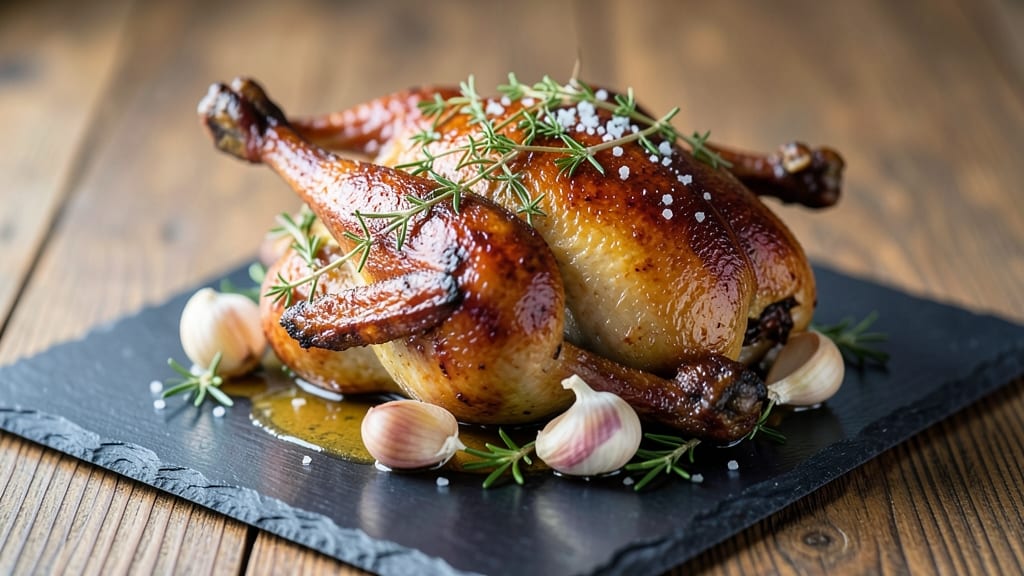
Mastering a roast pheasant recipe with herbed butter crust transforms a game bird into a centerpiece-worthy dish that balances rich, gamey depth with elegant sophistication. The secret lies in precise preparation—from brining to trussing—and a high-heat roast that renders fat while sealing in moisture.
I developed this method after years of perfecting the balance between crispy skin and tender meat, ensuring every bite delivers that satisfying contrast of textures.
What sets this recipe apart is the herbed butter crust, which infuses the pheasant with aromatic layers of thyme, rosemary, and garlic while creating a golden, crackling exterior.
Unlike traditional roasting methods that can dry out game birds, this approach locks in juices through careful basting and a controlled oven temperature. The result? A bird with crisp edges, succulent meat, and a flavor profile that rivals any restaurant presentation.
By following these steps, you'll achieve a pheasant that's perfectly roasted—juicy, flavorful, and impressive enough for holiday tables or intimate dinner parties. The herbed butter crust not only enhances the natural richness of the meat but also adds a visual appeal that elevates the dish from simple roast to showstopper.
This is game-day cooking at its finest, where technique meets tradition.
Pair with classic sides like roasted root vegetables or a crisp white wine reduction to complete the experience. The method is detailed enough for confidence but flexible enough to adapt to your preferences—whether you prefer a dry roast or a sauce-drizzled finish.
Let’s get started on creating a dish that will have everyone asking for seconds.
Ingredients for roast pheasant
Elegant game bird meets aromatic herbed butter—just these ingredients transform pheasant into a showstopper.
| Ingredient | Amount | Notes |
|---|---|---|
| Whole Pheasant 🦅 | 1 whole | Fresh, thawed if frozen, giblets removed |
| Unsalted Butter 🧈 | ½ cup | Cold, cut into small pieces |
| Fresh Thyme Leaves 🌿 | ¼ cup | Finely chopped, stems removed |
| Fresh Rosemary 🌿 | ¼ cup | Finely chopped, woody stems removed |
| Garlic Cloves 🧄 | 6 cloves | Minced, skin removed |
| Kosher Salt 🧂 | 1 ½ tbsp | Coarse grain preferred |
| Freshly Ground Black Pepper 🌶️ | 1 tsp | Freshly cracked preferred |
| Dijon Mustard 🍯 | 1 tbsp | For basting and crust adhesion |
| Olive Oil 🫒 | 2 tbsp | For basting, high smoke point |
| Fresh Lemon Juice 🍋 | 2 tbsp | Brightens flavor profile |
| Honey 🍯 | 1 tbsp | For glaze, optional |
| Chicken or Vegetable Stock 🍲 | 1 cup | For pan deglazing |
| Fresh Parsley Leaves 🌿 | ⅛ cup | Chopped, for garnish |
The pheasant is the star, so source it from a reputable game supplier or specialty butcher—look for vibrant color and firm texture. Costco or Whole Foods often carry frozen pheasants, but fresh is ideal if available. Thaw overnight in the fridge if frozen, and pat dry thoroughly before roasting. The herbs should be bright green and fragrant—avoid wilted stems. For maximum flavor, toast the whole spices (if using whole rosemary or thyme) in a dry pan for 30 seconds before chopping. The butter must be cold when mixed with herbs to create a firm, crackling crust.
No fresh thyme or rosemary? Dried works at half the amount, but fresh is preferred for that aromatic punch. Substitute white wine instead of stock for deglazing if you prefer a richer sauce. For a sweeter glaze, maple syrup replaces honey. If you can't find pheasant, duck or quail can be adapted with similar techniques, though cooking times will differ. The Dijon mustard is key for helping the crust adhere—skip it only if you're allergic. For extra crispiness, add 1 tbsp cornstarch to the butter mixture before forming the crust.
Herbed butter crust keeps best when shaped and refrigerated for up to 24 hours before roasting. Pheasant can be prepped a day ahead—store the bird uncovered in the fridge to dry the skin. The finished roast reheats beautifully: 350°F for 15 minutes wrapped in foil. For leftovers, store in an airtight container for 3 days or freeze for up to 3 months. The herbed butter crust freezes well too—just thaw before using.
Why You'll Love This Recipe
- Fewer Ingredients, More Impact: I swear by this recipe because it’s built on just five core things: the pheasant, butter, herbs, and garlic. No fancy pantry staples—just what you already have (or can grab in a hurry). That crispy skin? All thanks to the butter and rosemary basting while it roasts—no brining, no marinating, no stress.
- Herb-Crusted Magic: The thyme and rosemary practically melt into the meat, but not in a mushy way—they cling to that golden skin like a fragrant hug. Between us, the garlic cloves tucked under the skin? That’s the secret weapon. One bite and you’ll understand why this isn’t just "gamey"—it’s ridiculously good.
- Weeknight or Holiday Hero: I’ve served this for lazy Tuesdays (yes, even on a Tuesday night) and Thanksgiving leftovers alike. The leftovers? Even better—shred it for sandwiches or toss chunks into a pasta the next day. And honestly, it’s the kind of dish that makes you feel like you’ve put in effort, even when you didn’t.
- Budget-Friendly Luxury: Pheasant is leaner than chicken but packs way more flavor—meaning you’re feeding your family something special without the grocery sticker shock. The butter and herbs stretch the cost further, and since one bird serves four, you’re not left with half a fridge full of sad leftovers. Plus, the bones? Simmer them for stock later. Zero waste, all win.
Step-by-step instructions for roast pheasant with herbed butter crust
Here's how to achieve a golden, crispy crust with tender, flavorful pheasant meat.
Prepare the Pheasant and Herbed Butter
Begin by removing the pheasant from the refrigerator and letting it sit at room temperature for 30 minutes. This ensures even cooking. Pat the bird completely dry with paper towels, both inside and out—moisture is the enemy of crispy skin. Using your fingers, gently loosen the skin over the breast and thighs to create pockets for the herbed butter.
In a small bowl, combine the 0.5 cup unsalted butter, 0.25 cup fresh thyme leaves, 0.25 cup fresh rosemary, 6 cloves minced garlic, 1.5 tbsp kosher salt, and 1 tsp freshly ground black pepper. Mix until the herbs are evenly distributed and the butter resembles a coarse paste. Stuff half of this mixture under the skin over the breast and thighs, pressing gently to distribute it evenly. Reserve the remaining herbed butter for basting later.
Season and Sear the Pheasant
Preheat your oven to 375°F. Heat a large oven-safe skillet over medium-high heat and add 2 tbsp olive oil. Place the pheasant breast-side down in the skillet and sear for 5-6 minutes until the skin is deeply golden and crispy. Flip the bird and sear the other side for another 5-6 minutes, basting with the reserved herbed butter every 2 minutes to promote browning and crispiness.
Transfer the skillet to the preheated oven and roast for 45-50 minutes, basting every 10 minutes with the remaining herbed butter. The pheasant is done when the internal temperature reaches 165°F in the thickest part of the thigh. If the skin begins to darken too quickly, tent loosely with foil to prevent over-browning.
Deglaze and Glaze the Pheasant
Remove the pheasant from the oven and transfer it to a cutting board. Pour 1 cup chicken or vegetable stock into the skillet and scrape up any browned bits from the bottom with a wooden spoon. Return the skillet to the stovetop over medium heat and bring the stock to a simmer, reducing it by half to create a rich pan sauce.
In a small bowl, whisk together 1 tbsp Dijon mustard, 2 tbsp fresh lemon juice, and 1 tbsp honey. Brush this glaze evenly over the pheasant, focusing on the crispy skin. Return the pheasant to the skillet and place it back in the oven for 5-7 minutes to allow the glaze to caramelize and the flavors to meld.
Rest and Serve
Once the glaze is set and the pheasant is fully cooked, remove it from the oven and tent loosely with foil. Let it rest for 15-20 minutes before carving. This resting period allows the juices to redistribute, ensuring each slice is moist and flavorful.
To serve, carve the pheasant into 4 even portions and drizzle with the reduced pan sauce. Garnish with 0.125 cup chopped fresh parsley leaves for a pop of color and freshness. The result should be a beautifully browned, crispy-skinned pheasant with a rich, herbed butter crust and tender, juicy meat.
Pro Tips For Making Roast Pheasant
- Pat the Skin Dry: The feathers will come off easier if you wet the bird first, but don’t leave it soggy—pat it thoroughly with paper towels after plucking. A dry skin crisps better and browns faster, especially when basting with that unsalted butter.
- Sear First, Roast Slow: After seasoning, sear the pheasant skin-side down in a hot pan for 5 minutes until deep golden. This locks in moisture and builds flavor before transferring to the oven at 375°F (190°C)—don’t skip the sear, or you’ll end up with bland, pale meat.
- Stuff the Cavity Right: Loosely pack the cavity with thyme sprigs, rosemary, and halved garlic cloves (no need to overstuff). If you cram it too tight, the herbs will steam instead of infuse—just tuck them in like you’re making a cozy nest for the bird.
- Rest Under Foil: Take the pheasant out at 155°F (68°C) internal temp—it’ll keep rising. Tent it loosely with foil for 10 minutes before carving. This keeps the juices from pooling out when you slice, and the skin stays crisp instead of rubbery. (Yes, even if you’re impatient like me.)
Wine and beer pairings for this recipe
White Wine Pairings
For this herbed butter roast pheasant, I reach for a dry Riesling from Germany or a crisp Sauvignon Blanc from New Zealand. The acidity cuts through the richness of the butter crust while complementing the herbal notes.
A Chablis from Burgundy also works beautifully—its mineral notes balance the gamey depth of the pheasant. Serve chilled at 48-50°F to highlight these bright, refreshing qualities. 🍷
Red Wine Options
If you prefer red, a Pinot Noir from Oregon or Burgundy is perfect—its light body and red fruit flavors won’t overpower the dish. Look for a wine with earthy undertones to harmonize with the rosemary and thyme in the crust.
Avoid heavy Cabernets, as their tannins can clash with the delicate butter crust. Decant for 30 minutes to soften any remaining acidity. 🍇
Beer Pairings
A Belgian witbier like Hoegaarden or Stella Artois offers a refreshing contrast with its citrusy notes and effervescence. For a darker option, try a German Helles Lager—its malty sweetness balances the gamey flavors without competing.
Avoid heavy stouts or IPAs, which can overpower the dish’s delicate herbal profile. Serve beer ice-cold at 38-40°F for the best experience. 🍺
Fortified Wine
For a sophisticated touch, serve a dry sherry like Fino alongside the pheasant. Its nutty, almond-like notes complement the herbed butter beautifully. Alternatively, a Madeira with its rich, caramelized flavors adds depth to the meal.
These fortified wines pair exceptionally well with the roasted bird’s crispy exterior and tender interior. 🍷
Non-Alcoholic Options
For guests who don’t drink, a sparkling apple cider like Martinelli’s adds a festive touch without alcohol. Alternatively, a ginger beer with its spicy kick enhances the dish’s herbal flavors. Both options are refreshing and elevate the dining experience. 🍏
Serving Tips
Pour wine or beer 30 minutes before serving to let it breathe and reach optimal temperature. For reds, decanting helps soften tannins, while whites and beers benefit from proper chilling. I always serve wine in 12-14 oz glasses to allow the aromas to develop fully. 💡
Nutrition facts
Frequently asked questions
How do I properly truss a pheasant for even roasting?
Use kitchen twine to tie the legs together first, then secure the wings against the body. This prevents them from burning or drying out. For extra security, tuck the wing tips under the bird before tying. The goal is to create a compact shape that cooks uniformly.
Can I substitute duck or quail for pheasant in this recipe?
Duck works well with similar techniques, but reduce roasting time to 30-40 minutes for a 3-4 lb bird. Quail requires a 200°F oven for 25-30 minutes—they cook much faster. Adjust herb quantities proportionally (half for quail). The herbed butter crust method remains effective for both.
Why did my pheasant skin burn before the meat was cooked through?
Game birds cook faster than poultry due to their higher fat content. Lower your oven to 350°F and tent with foil after 20 minutes to prevent over-browning. For extra protection, baste frequently with melted butter or stock to create a moisture barrier.
Should I brine the pheasant before roasting?
Yes! A 4-6 hour saltwater brine (1 cup salt per gallon of water) enhances moisture retention and flavor. For game birds, add 1 tbsp black peppercorns and 2 tbsp juniper berries to the brine. Rinse thoroughly before roasting to remove excess salt.
What's the best way to reheat leftover roast pheasant?
Wrap slices in foil and reheat at 325°F for 10-12 minutes until reaching 165°F. For crispy skin, broil for 2-3 minutes at the end. Avoid microwaving—it makes the meat rubbery. Reheat only once for best texture.