
Main Courses
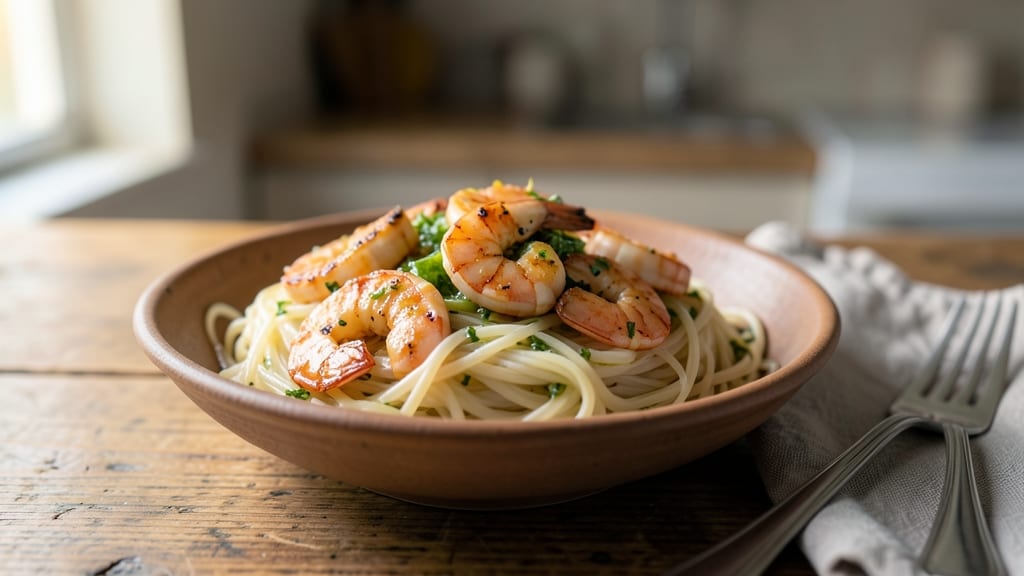
This shrimp vermicelli recipe delivers the perfect balance of delicate noodles and zesty shrimp in under 30 minutes—ideal for a light yet satisfying weeknight dinner.
The secret lies in properly soaking the vermicelli to achieve that signature silky texture while keeping the shrimp tender and infused with bright lime and aromatic herbs. I've perfected this dish by combining quick-cooking techniques with bold Southeast Asian-inspired flavors that transform simple ingredients into something restaurant-worthy.
The foundation of this recipe is in the preparation: shrimp sautéed just until opaque, vermicelli noodles soaked to the perfect al dente consistency, and a dressing that marries lime's tang with fresh herbs.
What makes this dish stand out is how the flavors come together—juicy shrimp, tender noodles, and a dressing that's both vibrant and balanced. The result is a meal that's light enough for summer but hearty enough to satisfy.
By following this method, you'll achieve shrimp that's perfectly cooked through with a subtle char, vermicelli that's tender yet holds its shape, and a dressing that clings beautifully to each component.
The dish comes together faster than takeout but with far more depth of flavor. It's the kind of recipe that feels special without requiring hours in the kitchen.
Serve this shrimp vermicelli hot or at room temperature, making it perfect for meal prep or spontaneous gatherings. The bright, herby flavors pair beautifully with fresh vegetables or a side of quick-pickled cucumbers. Let's create this dish step by step—it's simpler than you think.
Ingredients for shrimp vermicelli
Light, herby, and zesty—these 15 ingredients transform into restaurant-quality shrimp vermicelli in minutes.
| Ingredient | Amount | Notes |
|---|---|---|
| Large Shrimp 🦐 | 1 ½ lb | Peeled, deveined, tail-on preferred |
| Vermicelli Noodles 🍜 | 8 oz | Rice noodles, uncooked weight |
| Fresh Lime Juice 🍋 | ½ cup | Freshly squeezed, about 3-4 limes |
| Fish Sauce 🍶 | 2 tbsp | Red Boat brand preferred |
| Extra-Virgin Olive Oil 🫒 | ¼ cup | For high heat cooking |
| Fresh Thai Basil Leaves 🌿 | ½ cup | Packed, stems removed |
| Fresh Mint Leaves 🌿 | ¼ cup | Packed, finely chopped |
| Garlic Cloves 🧄 | 4 cloves | Minced, about 1 tbsp |
| Red Bell Pepper 🌶️ | 1 medium | Seeded, finely diced |
| Red Bell Pepper 🌶️ | ½ cup | Thinly sliced for garnish |
| Cilantro Leaves 🌿 | ¼ cup | Packed, chopped for garnish |
| Sesame Seeds 🌰 | 1 tbsp | Toasted for garnish |
| Soy Sauce 🍶 | 1 tbsp | Low-sodium preferred |
| Brown Sugar 🍚 | 1 tbsp | Light or dark |
| Salt 🧂 | 1 tsp | Diamond Crystal preferred |
The shrimp is non-negotiable here—fresh, tail-on from the seafood counter at Whole Foods or your local fishmonger makes all the difference. Look for plump, translucent shrimp with a sweet smell (none of that fishy ammonia stench). Trader Joe's frozen shrimp works in a pinch if you're short on time, but thaw it overnight in the fridge. The vermicelli? Thai Kitchen brand is my go-to—it's consistently silky when soaked right. Avoid the pre-soaked kind; those turn mushy. For the basil, Thai basil is a game-changer—it's got that anise-like kick that regular basil can't replicate. If you can't find it, sweet basil plus a pinch of anise seeds gets you close.
No fresh Thai basil? Sweet basil plus 1/4 tsp anise extract mimics the flavor surprisingly well. Swapping the red bell pepper? Yellow or orange bell peppers work, but they'll shift the color slightly. The fish sauce is the soul of this dish—Red Boat brand is the gold standard, but Squanido is a solid backup. For a vegetarian version, swap shrimp for extra-firm tofu (press and marinate in fish sauce + lime) and use vegetable broth instead of shrimp stock. The lime juice can be bottled in a pinch, but freshly squeezed is absolutely essential—it brightens everything up. Need to cut sugar? Skip it entirely—the lime and fish sauce provide enough balance.
Shrimp cooks in minutes, so keep it cold until you're ready to sauté—ice bath works perfectly. Vermicelli soaks up water fast; cover with warm water for 8-10 minutes, then drain and rinse with cold water to stop cooking. The dressing keeps for 3-4 days in the fridge, but the shrimp and herbs are best used fresh. For meal prep, store components separately—combine just before serving. Garnishes like the sesame seeds and sliced bell pepper can be prepped ahead and stored in airtight containers for up to 1 week. This dish reheats beautifully—microwave with a splash of water to revive the noodles.
Why You'll Love This Recipe
- No-Fuss Assembly: I swear by this one—just toss the shrimp in olive oil, a splash of fish sauce, and let them sizzle while the noodles soak. No chopping, no fuss, and honestly? It’s the kind of meal that feels like a hug when you walk in the door.
- Bright & Tangy Magic: That lime juice and fish sauce combo? Chef’s kiss. The shrimp stays juicy, the noodles soak up the zing, and the finish is bright enough to make a weekday dinner feel like a little vacation. (Yes, even on a Tuesday night.)
- Lunchbox Hero: Between us, this is my go-to for packed lunches—keeps beautifully for days in the fridge. Cold or at room temp, it’s still fresh-tasting, and the shrimp holds up better than most takeout leftovers. My daughter picks out the best pieces, but still asks for seconds.
- Budget Bright Spot: Fresh shrimp might sound fancy, but a single pound stretches for two meals here—especially when you bulk up the noodles. Fish sauce and lime juice are dirt cheap, and olive oil goes a long way. Solid, reliable, and my wallet’s best friend.
Step-by-step instructions for shrimp vermicelli with zesty lime dressing
Here's the method that delivers restaurant-quality shrimp vermicelli with bright, balanced flavors every time.
Prepare the Shrimp and Noodles
Pat the 1.5 lb large shrimp completely dry with paper towels—this ensures they sear beautifully instead of steaming. In a small bowl, combine 2 tablespoons fish sauce, 1 tablespoon soy sauce, and 1 tablespoon brown sugar. Add the shrimp and toss gently to coat evenly. Let them marinate for 15-20 minutes at room temperature while you prepare the rest.
Meanwhile, soak the 8 oz vermicelli noodles in warm (not boiling) water for 10 minutes or until pliable but still firm to the bite. Drain and rinse briefly under cold water to stop the cooking process. The noodles should be tender but not mushy—this prevents them from turning into a gluey mess when tossed with the shrimp later.
Sear the Shrimp and Sauté Aromatics
Heat ¼ cup extra-virgin olive oil in a large skillet over medium-high heat until shimmering. Add the marinated shrimp in a single layer and cook undisturbed for 1-2 minutes per side until they turn opaque and develop a golden crust. Remove them from the pan and set aside on a plate.
In the same skillet, reduce heat to medium and add 4 minced garlic cloves. Sauté for 30 seconds until fragrant—don't let them brown or they'll turn bitter. Add the 1 medium red bell pepper, finely diced, and cook for 3-4 minutes until softened but still vibrant. The vegetables should maintain their bright color while developing a slight caramelization.
Assemble the Zesty Lime Dressing
In a small bowl, whisk together ½ cup fresh lime juice, ½ cup chopped fresh Thai basil leaves, ¼ cup finely chopped fresh mint leaves, and ¼ cup chopped cilantro leaves. The lime juice should be freshly squeezed for maximum brightness—if it tastes dull, add an extra tablespoon. Taste and adjust seasoning with 1 teaspoon salt if needed, but the fish sauce and lime should provide enough saltiness.
Add the cooked shrimp back to the skillet with the sautéed vegetables. Pour in the lime dressing and toss everything together for 1-2 minutes until the shrimp is evenly coated. The dressing should cling to the shrimp and vegetables, creating a glossy, vibrant sauce. If the mixture seems too thick, add 1-2 tablespoons warm water to loosen it.
Combine and Garnish
Add the drained vermicelli noodles to the skillet and toss gently to combine. The residual heat will finish cooking them slightly while absorbing the lime dressing. Work quickly but carefully—rice noodles can break easily. Taste and adjust seasoning if needed, remembering that the fish sauce and lime already contribute significant flavor.
Transfer the shrimp vermicelli to serving plates and garnish with ½ cup thinly sliced red bell pepper and 1 tablespoon toasted sesame seeds. The sesame seeds add a nutty crunch that contrasts beautifully with the tender shrimp and bright dressing. Serve immediately while everything is hot and the flavors are at their peak.
Pro Tips For Making Shrimp Vermicelli
- Shock Shrimp First: Drop peeled shrimp into boiling water for exactly 30 seconds before shocking in ice water—this stops cooking and keeps them tender. I used to skip this and ended up with rubbery shrimp every time, no matter how gently I cooked them later.
- Soak Noodles Separately: Divide vermicelli into two portions and soak them in warm water for 3-4 minutes—don’t overcrowd the bowl. The first batch will soften faster, and you’ll avoid a mushy pile. (Yes, even if you’re impatient like me.)
- Taste Before Lime: Balance the dressing with fish sauce first—start with 1 tablespoon, then add lime juice—because acidity can overwhelm the dish if you dump it all in at once. My grandmother swore by this, and she was right: the flavors sing when they’re layered, not drowned.
- Sear Shrimp in Batches: Cook shrimp in 1-inch-thick single layers over medium-high heat for 1-2 minutes per side—crowding steams them instead of searing. Use the same olive oil you’ll toss the noodles in later; it adds depth without extra cleanup. (Your future self will thank you.)
Storing and reheating your shrimp vermicelli
Noodle Storage Secrets
Vermicelli noodles stay fresh for up to 2 weeks in an airtight container at room temperature. I keep mine in a glass jar with a tight-sealing lid—this preserves their texture better than plastic.
For longer storage, freeze them for 3 months in a ziplock bag with excess air squeezed out. Just remember: never freeze cooked vermicelli—they turn mushy when thawed. 🥫
Shrimp Prep Ahead
Cooked shrimp can be stored in the fridge for 2 days in an airtight container with a paper towel pressed on top to absorb moisture. For freezing, toss them with 1 teaspoon fish sauce and ½ teaspoon lime juice before portioning into freezer-safe bags.
Thaw shrimp overnight in the fridge—never at room temperature—to prevent bacterial growth. I like to portion shrimp into single-serving bags for easy reheating. 🦐
Reheating Vermicelli
For the best texture, reheat vermicelli in a microwave-safe bowl with 2 tablespoons water and cover with a damp paper towel. Heat on high for 1 minute, then toss gently.
If using the stovetop, sauté in ½ tablespoon olive oil over medium heat for 2-3 minutes while adding 1 tablespoon water to prevent sticking. The key is gentle heat—high heat turns noodles gummy. ✨
Dressing Refresh
The lime dressing keeps for 3 days in the fridge, but the herbs lose their brightness over time. To revive it, add 1 teaspoon fresh lime juice and ½ teaspoon chopped Thai basil before using.
For a quicker fix, whisk in 1 teaspoon honey to restore vibrancy. I always make extra dressing—it's perfect for drizzling over rice bowls or grilled fish later. 🍋
Meal Prep Strategy
Store components separately for maximum freshness: cooked shrimp in one container, vermicelli in another, and dressing in a small jar. Assemble just before serving to keep noodles from absorbing too much moisture.
For a quick lunch, pack shrimp and dressing in one container and noodles in another—toss everything together when ready to eat. This method keeps flavors bright and textures perfect. 📅
Freezer-Friendly Assembly
For a complete freezer meal, combine cooked shrimp, sautéed vegetables, and dressing in a freezer-safe bag, leaving 1 inch headspace for expansion. Freeze flat for 2 months. When ready to eat, thaw overnight, then reheat with fresh vermicelli.
The noodles should be cooked separately and added just before serving to maintain their texture. This hack saves time on busy weeknights! ❄️
Nutrition facts
Frequently asked questions
Can I substitute frozen shrimp for fresh in this recipe?
Yes, but thaw them properly first! Place frozen shrimp in a sealed bag and submerge in cold water for 10-15 minutes until completely thawed. Pat them completely dry before marinating—this helps them sear better. For best results, use shrimp that's been previously cooked and frozen, not raw. The texture will be slightly different but still delicious.
How do I adjust the recipe for spicier flavors?
Add ½ teaspoon of chili flakes or 1-2 thin slices of fresh chili to the shrimp marinade. For heat in the dressing, blend in 1 teaspoon of sriracha or ½ teaspoon of cayenne pepper with the lime juice. Start with less—you can always add more! Balance the heat with extra lime juice if needed.
What's the best way to soak vermicelli noodles for perfect texture?
Use warm (not boiling) water and soak for exactly 8-10 minutes. The noodles should be soft but still hold their shape when bitten. Drain immediately and rinse with cold water to stop cooking. Over-soaking turns them mushy—this is the #1 mistake people make! For extra silkiness, add 1 tablespoon oil to the soaking water.
Can I make this dish ahead of time?
Store components separately: cooked shrimp in the fridge for 2 days, soaked noodles for 1 day (keep them submerged in cold water), and dressing for 3 days. When ready to serve, toss everything together and reheat gently. The noodles should be cooked fresh for best texture, but you can reheat them in 2 tablespoons water for 30 seconds in the microwave.
Why did my shrimp turn rubbery instead of tender?
This usually happens from overcooking or not drying them properly before searing. Pat shrimp completely dry with paper towels and cook for only 1-2 minutes per side over medium-high heat. They're done when they turn opaque—no longer translucent. If using larger shrimp, reduce cooking time slightly. Always let them rest 2 minutes after cooking before serving.